

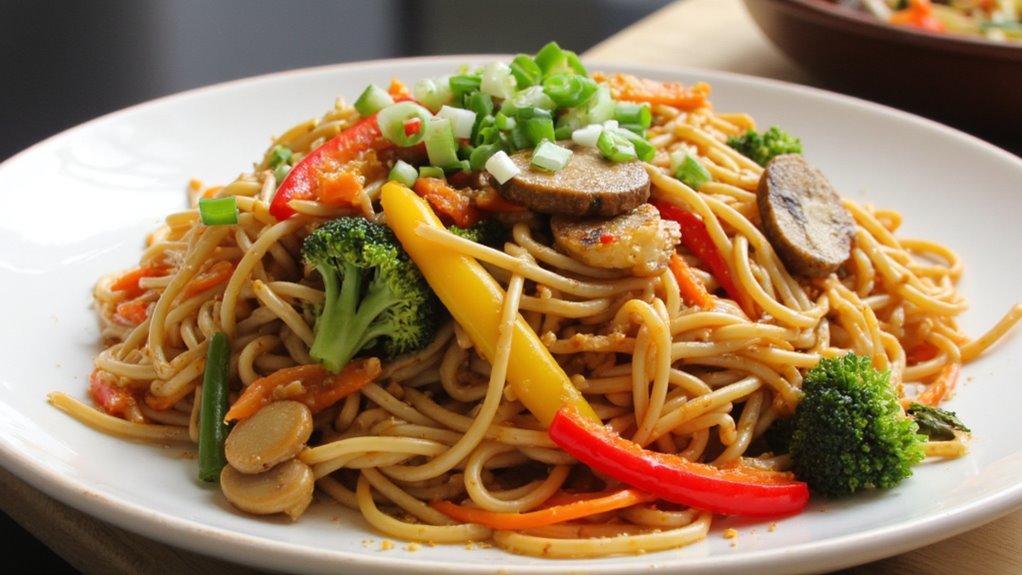
I’ve always found warmth and comfort in the bold flavors of Chinese cuisine. Each dish is like a cozy story, from the spicy Kung Pao Chicken to the gentle hug of Wonton Soup. These recipes are more than meals; they are experiences with rich textures and vibrant ingredients. I’m excited to share how you can bring these comforting classics to your kitchen. Let’s explore the essence of Chinese cooking and discover the secrets of these beloved dishes together.
Kung Pao Chicken
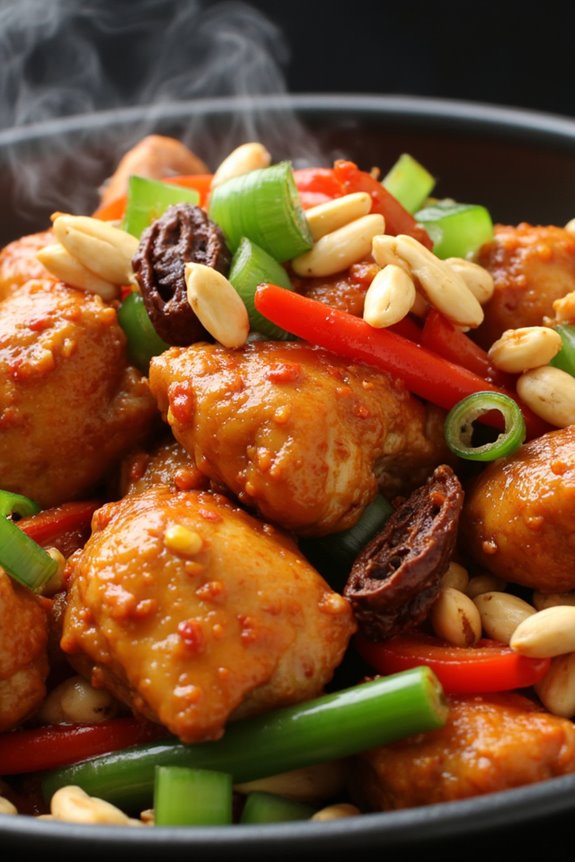
Kung Pao Chicken is a classic Chinese dish that originates from the Sichuan province. It’s a delightful combination of tender chicken pieces, crunchy peanuts, and a medley of vegetables, all tossed in a flavorful and spicy sauce. This dish isn’t only a staple in Chinese cuisine but also a favorite among many for its perfect balance of sweet, savory, and spicy flavors.
Traditionally, Kung Pao Chicken is served over steamed rice, making it a complete meal that’s both satisfying and delicious. This dish can be easily prepared at home, and with the right ingredients and techniques, you can achieve an authentic taste that rivals your favorite Chinese restaurant.
The key to a great Kung Pao Chicken lies in the marinade for the chicken, the quality of the ingredients, and the timing of the cooking process. With a little bit of preparation and attention to detail, you’ll impress your family and friends with this mouthwatering dish.
Ingredients (Serves 4-6)
- 1 pound boneless, skinless chicken breasts, diced into bite-sized pieces
- 2 tablespoons soy sauce
- 1 tablespoon Shaoxing wine (or dry sherry)
- 1 tablespoon cornstarch
- 3 tablespoons vegetable oil
- 2-3 dried red chilies
- 1 bell pepper, diced
- 1 medium onion, diced
- 3 cloves garlic, minced
- 1 tablespoon ginger, minced
- 1/2 cup unsalted roasted peanuts
- 2 green onions, sliced
- 2 tablespoons sugar
- 1 tablespoon rice vinegar
- 1 tablespoon soy sauce (for the sauce)
- 1 teaspoon sesame oil
Cooking Instructions
- Marinate the Chicken: In a bowl, combine the diced chicken, 2 tablespoons of soy sauce, Shaoxing wine, and cornstarch. Mix well to guarantee the chicken is evenly coated and let it marinate for at least 15 minutes. This step helps to tenderize the chicken and infuse it with flavor.
- Prepare the Sauce: In a small bowl, whisk together the sugar, rice vinegar, 1 tablespoon of soy sauce, and sesame oil until the sugar is dissolved. Set this mixture aside as it will be added to the stir-fry later.
- Heat the Oil: In a large wok or skillet, heat 3 tablespoons of vegetable oil over medium-high heat. Confirm the oil is hot but not smoking, as this is vital for achieving a good sear on the chicken.
- Cook the Chicken: Add the marinated chicken to the hot oil in a single layer. Allow it to cook undisturbed for about 3-4 minutes until it starts to brown. Flip the chicken and cook for another 2-3 minutes until cooked through. Remove the chicken from the pan and set aside.
- Stir-Fry the Vegetables: In the same pan, add the dried red chilies, bell pepper, onion, garlic, and ginger. Stir-fry for about 2-3 minutes until the vegetables are slightly tender but still crisp. This step adds flavor and color to the dish.
- Combine Everything: Return the cooked chicken to the pan with the vegetables. Pour the prepared sauce over the chicken and vegetables, tossing everything together to guarantee an even coating. Cook for an additional 2-3 minutes, allowing the sauce to thicken slightly.
- Add Peanuts and Green Onions: Finally, stir in the peanuts and sliced green onions, cooking for an additional minute. This adds a wonderful crunch and freshness to the dish.
- Serve: Remove from heat and serve the Kung Pao Chicken hot over steamed rice, garnished with extra green onions if desired.
Extra Tips
When making Kung Pao Chicken, feel free to adjust the spice level according to your preference. If you enjoy more heat, you can add additional dried chilies or even some chili paste to the sauce.
Additionally, using high-quality ingredients like fresh vegetables and premium soy sauce will greatly enhance the flavor of the dish. Don’t forget to prepare all your ingredients beforehand, as stir-frying is a quick process and having everything ready will guarantee a smoother cooking experience.
Enjoy your homemade Kung Pao Chicken!
Mapo Tofu
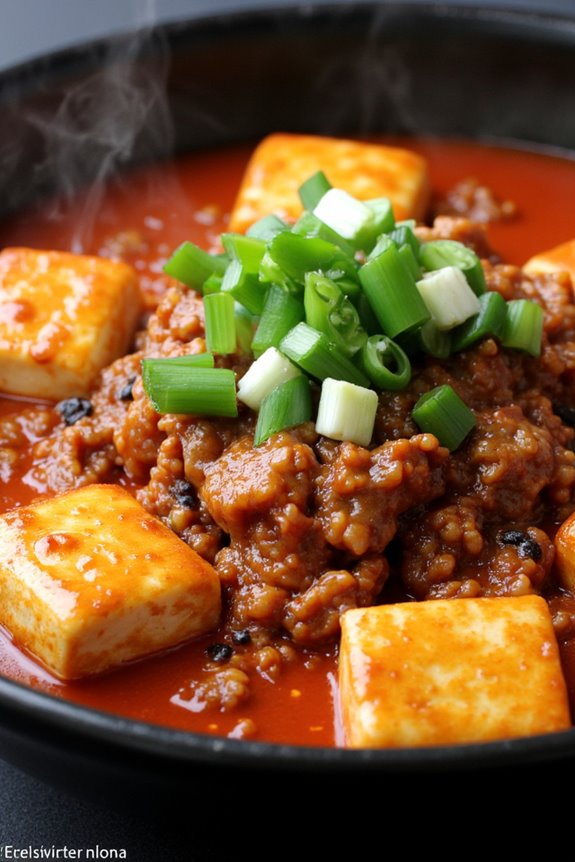
Mapo Tofu is a classic dish from Sichuan cuisine, celebrated for its bold flavors and spicy profile. This dish features silky tofu simmered in a pungent, spicy sauce made from doubanjiang (fermented broad bean paste), Sichuan peppercorns, and ground meat, typically pork or beef. The combination of these ingredients results in a unique balance of heat, flavor, and numbing sensation that has made Mapo Tofu a favorite among fans of Chinese food around the world.
The dish’s origins date back to the late 19th century and are attributed to a woman known as “Mapo,” or “pockmarked old woman,” who ran a small restaurant in Chengdu. Over the years, Mapo Tofu has evolved, with various adaptations found in Chinese restaurants globally. The dish is often served with steamed rice, making it a hearty and satisfying meal that can easily be prepared at home for family and friends.
Ingredients (Serves 4-6)
- 400g soft or silken tofu
- 200g ground pork or beef
- 2 tablespoons vegetable oil
- 3 tablespoons doubanjiang (fermented broad bean paste)
- 1 tablespoon douchi (fermented black beans), roughly chopped
- 1 teaspoon Sichuan peppercorns
- 3 cloves garlic, minced
- 1-inch piece ginger, minced
- 1 cup chicken or vegetable broth
- 1 tablespoon soy sauce
- 1 tablespoon cornstarch mixed with 2 tablespoons water (slurry)
- 2 green onions, chopped (for garnish)
- Cooked rice (for serving)
Cooking Instructions
- Prepare the Tofu: Start by cutting the tofu into bite-sized cubes. If using soft tofu, be extra gentle to avoid breaking it. You can blanch the tofu in boiling water for about 2-3 minutes to firm it up slightly and remove any beany taste. Drain and set aside.
- Cook the Meat: Heat the vegetable oil in a wok or large skillet over medium-high heat. Add the ground pork or beef and stir-fry until browned and cooked through, about 5-7 minutes. Break the meat apart with a spatula as it cooks.
- Add Aromatics and Spices: Once the meat is cooked, lower the heat to medium and add the minced garlic, ginger, and Sichuan peppercorns. Stir-fry for about 1 minute until fragrant, being careful not to burn the garlic.
- Incorporate Sauces: Stir in the doubanjiang and chopped douchi, mixing well to combine with the meat and aromatics. Cook for another minute to enhance the flavors.
- Simmer the Tofu: Pour in the chicken or vegetable broth and soy sauce, bringing the mixture to a simmer. Gently add the tofu cubes, taking care not to break them. Cover and let it simmer for 5-10 minutes, allowing the tofu to absorb the flavors.
- Thicken the Sauce: After simmering, stir in the cornstarch slurry to thicken the sauce. Gently stir to combine and cook for another minute until the sauce has thickened to your desired consistency.
- Garnish and Serve: Remove from heat and transfer to a serving dish. Garnish with chopped green onions. Serve hot alongside steamed rice for a complete meal.
Extra Tips
For an authentic taste, use high-quality doubanjiang and Sichuan peppercorns, as they’re essential for achieving the characteristic flavor of Mapo Tofu. Adjust the amount of doubanjiang based on your spice tolerance; if you prefer a milder dish, start with less and gradually add more to taste.
Additionally, feel free to experiment with adding vegetables such as bell peppers or mushrooms for a unique twist on this classic dish.
Beef and Broccoli Stir-Fry
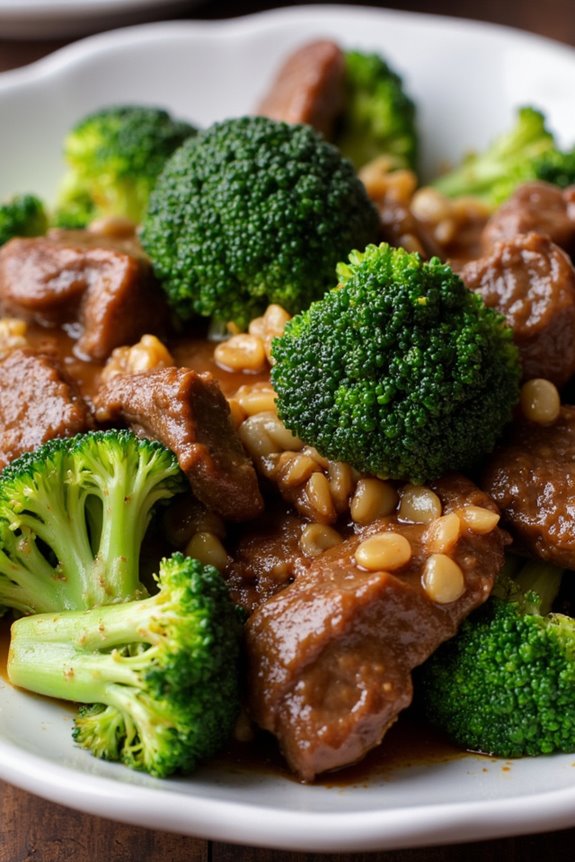
Beef and Broccoli Stir-Fry is a classic dish that combines tender slices of beef with vibrant green broccoli, all tossed together in a savory sauce. This dish isn’t only quick and easy to prepare, but it also brings a wonderful mix of flavors and textures to the table. The marinated beef is stir-fried to perfection, while the broccoli retains its crunch and bright color, making it a visually appealing and nutritious meal option.
This recipe is perfect for a weeknight dinner or a special occasion when you want to impress your family and friends with authentic Chinese flavors. The beauty of Beef and Broccoli Stir-Fry lies in its simplicity; with just a few key ingredients and a quick cooking method, you can create a delicious meal that captures the essence of Chinese cuisine.
Ingredients (Serves 4-6):
- 1 pound flank steak, thinly sliced against the grain
- 4 cups fresh broccoli florets
- 3 tablespoons vegetable oil, divided
- 3 cloves garlic, minced
- 1 inch ginger, minced
- 1/4 cup soy sauce
- 2 tablespoons oyster sauce
- 1 tablespoon cornstarch
- 1/2 cup beef broth
- 1 tablespoon sesame oil
- Salt and pepper, to taste
- Cooked rice, for serving
Cooking Instructions:
- Marinate the Beef: In a medium bowl, combine the sliced flank steak, soy sauce, oyster sauce, and cornstarch. Mix well to guarantee the beef is evenly coated. Allow it to marinate for at least 20 minutes while you prepare the other ingredients. This step helps to tenderize the meat and infuse it with flavor.
- Blanch the Broccoli: Bring a pot of salted water to a boil. Add the broccoli florets and blanch for about 2 minutes until they’re bright green and slightly tender. Drain and immediately transfer the broccoli to a bowl of ice water to stop the cooking process. This will help retain their color and crispness.
- Stir-Fry the Beef: In a large wok or skillet, heat 2 tablespoons of vegetable oil over high heat. Once the oil is hot, add the marinated beef in a single layer. Stir-fry for about 2-3 minutes until the beef is browned and cooked through. Remove the beef from the pan and set aside.
- Cook the Aromatics: In the same pan, add the remaining tablespoon of vegetable oil. Sauté the minced garlic and ginger over medium heat for about 30 seconds until fragrant, but be careful not to burn them.
- Combine and Simmer: Return the beef to the pan along with the blanched broccoli. Pour in the beef broth and sesame oil, stirring to combine all the ingredients. Let the mixture simmer for an additional 2-3 minutes, allowing the flavors to meld together.
- Season and Serve: Taste the stir-fry and season with salt and pepper as needed. Once everything is heated through and well combined, serve immediately over cooked rice.
Extra Tips: For an even more authentic experience, consider adding sliced bell peppers, carrots, or mushrooms to the stir-fry for additional color and flavor. Be sure to slice the beef thinly against the grain for maximum tenderness, and always have your ingredients prepped and ready to go before you start cooking, as stir-frying is a quick process that requires your attention. Enjoy your homemade Beef and Broccoli Stir-Fry!
Hot and Sour Soup
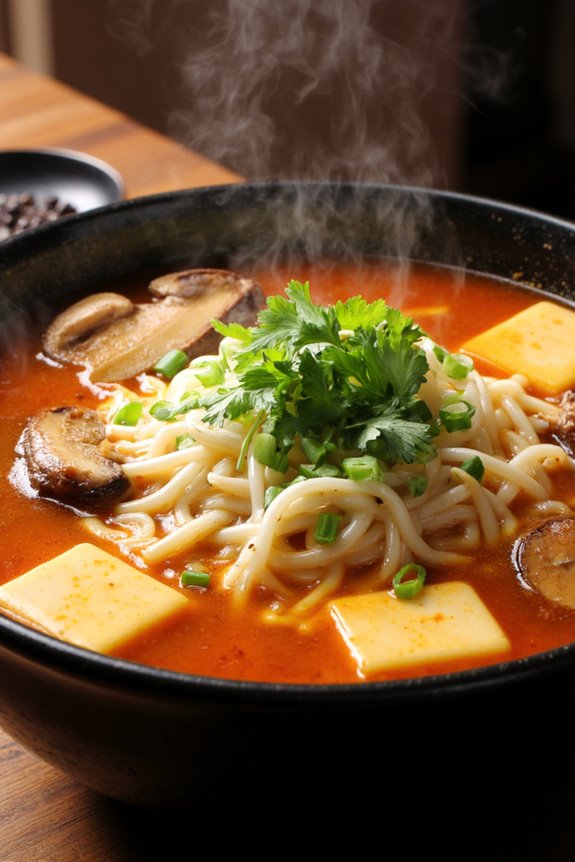
Hot and Sour Soup is a classic dish in Chinese cuisine, known for its bold flavors that perfectly balance heat and tanginess. This soup is rich and hearty, often featuring a variety of ingredients, including mushrooms, tofu, and bamboo shoots, which all contribute to its unique texture and taste.
Traditionally enjoyed as an appetizer, it can also serve as a comforting main dish when paired with rice. The combination of spices, vinegar, and pepper gives it a signature kick that warms the body and tantalizes the taste buds.
Making authentic Hot and Sour Soup at home is easier than you might think. With the right ingredients and a few simple steps, you can recreate this beloved dish in your own kitchen. This recipe serves 4-6 people, making it perfect for family dinners or gatherings with friends.
Follow along to learn how to bring the flavors of a Chinese restaurant straight to your dining table.
Ingredients (Serves 4-6):
- 4 cups chicken or vegetable broth
- 1 cup sliced shiitake mushrooms
- 1 cup firm tofu, cubed
- 1 cup bamboo shoots, sliced
- 2 green onions, chopped
- 2 cloves garlic, minced
- 1 tablespoon ginger, minced
- 2 tablespoons soy sauce
- 3 tablespoons rice vinegar
- 2 teaspoons chili paste (adjust to taste)
- 1 tablespoon cornstarch mixed with 2 tablespoons water (slurry)
- 1 egg, lightly beaten
- Salt and white pepper to taste
- Sesame oil for drizzling
- Fresh cilantro for garnish (optional)
Cooking Instructions:
- Prepare the Broth: In a large pot, bring the chicken or vegetable broth to a boil over medium-high heat. This forms the base of your soup and will infuse all the other ingredients with flavor.
- Sauté Aromatics: Once the broth is boiling, add the minced garlic and ginger. Sauté them for about 1-2 minutes until fragrant. This step helps to build a flavor foundation for your soup.
- Add Vegetables: Stir in the sliced shiitake mushrooms, bamboo shoots, and cubed tofu. Let them simmer in the broth for about 5-7 minutes, allowing the mushrooms to soften and the tofu to absorb the flavors.
- Season the Soup: Add the soy sauce, rice vinegar, and chili paste to the pot. Stir well to combine. Taste the broth and adjust the seasoning with salt and white pepper according to your preference.
- Thicken the Soup: Slowly add the cornstarch slurry to the soup while stirring continuously. This will help thicken the soup slightly and give it a nice consistency. Allow it to simmer for another 2-3 minutes.
- Add Egg: Reduce the heat to low and slowly drizzle the beaten egg into the soup while stirring gently. The egg will cook quickly and create beautiful strands throughout the soup.
- Finish and Serve: Remove the pot from heat. Stir in the chopped green onions and drizzle a bit of sesame oil over the top. Ladle the soup into bowls and garnish with fresh cilantro if desired. Serve immediately while hot.
Extra Tips:
For a deeper flavor, you can let the broth simmer for a longer time before adding the vegetables.
Adjust the level of spiciness by varying the amount of chili paste you use; start with less and add more to taste. If you prefer a more intense sour flavor, feel free to increase the rice vinegar.
Finally, this soup can be customized with additional ingredients like bok choy or carrots, depending on your preferences. Enjoy your cooking and the delightful aromas that will fill your kitchen!
Scallion Pancakes
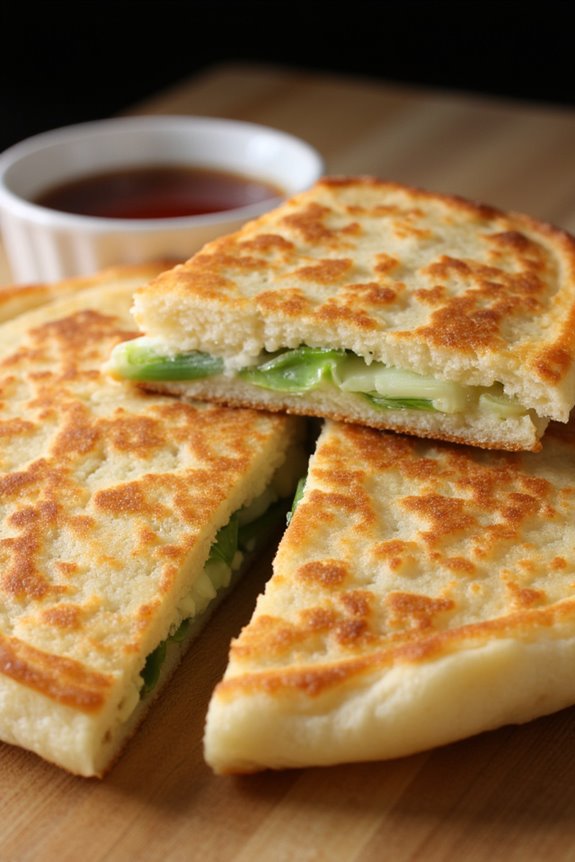
Scallion pancakes, known as “Cong You Bing” in Chinese, are a popular street food snack that are crispy on the outside and chewy on the inside. These savory pancakes are filled with fresh scallions, making them a delightful treat for any meal or snack time.
The combination of the flaky layers and the aromatic scallions creates a flavorful experience that’s hard to resist. While they’re often enjoyed in Chinese cuisine, scallion pancakes have garnered a global fanbase for their delicious taste and satisfying texture.
Making scallion pancakes at home is easier than you might think. With a few simple ingredients and some basic cooking techniques, you can whip up this delightful dish in no time.
Whether you choose to serve them as a side dish, appetizer, or main course, they’re sure to impress your family and friends. So, let’s gather our ingredients and get started on creating these mouthwatering scallion pancakes!
Ingredients (Serves 4-6 people):
- 2 cups all-purpose flour
- 3/4 cup boiling water
- 1/2 teaspoon salt
- 1/4 cup vegetable oil (plus more for frying)
- 1 cup finely chopped scallions
- Additional salt to taste
Cooking Instructions:
1. Prepare the Dough**: In a large mixing bowl, combine the all-purpose flour and salt. Gradually add the boiling water** while stirring with a spoon or chopsticks until the mixture starts to come together.
Once it’s cool enough to handle, knead the dough on a floured surface for about 5-7 minutes until it becomes smooth and elastic. Cover the dough with a damp cloth and let it rest for at least 30 minutes.
2. Make the Filling****: While the dough is resting, prepare the scallion filling. Finely chop the scallions and set them aside. You can also add a pinch of salt to enhance their flavor.
3. Roll Out the Dough: After resting, divide the dough into four equal portions. Take one portion and roll it out on a lightly floured surface into a thin circle, approximately 10 inches in diameter.
Make sure to keep the other portions covered to prevent them from drying out.
4. Add the Filling: Brush a thin layer of vegetable oil over the surface of the rolled-out dough. Sprinkle a generous amount of chopped scallions evenly over the dough, and then season with a pinch of salt.
5. Form the Pancake: Starting from one edge, roll the dough tightly into a log. Once rolled, coil the log into a spiral shape, tucking the end underneath.
Gently flatten the spiral with your palm, then roll it out again into a round pancake about 1/2 inch thick.
6. Cook the Pancakes: Heat a skillet over medium heat and add enough vegetable oil to coat the bottom of the pan. Once the oil is hot, carefully place the pancake in the skillet.
Cook for about 3-4 minutes on each side or until golden brown and crispy. Repeat the process for the remaining portions.
7. Serve: Once cooked, remove the pancakes from the skillet and place them on a paper towel to absorb excess oil. Cut them into wedges and serve hot with soy sauce or chili oil for dipping.
Extra Tips:
For an extra crispy texture, you can double fry the pancakes. Simply fry them until they’re lightly golden, remove them from the pan, and let them rest for a few minutes before frying them again until they’re fully golden and crispy.
Also, feel free to customize your scallion pancakes by adding other ingredients, such as sesame seeds or minced garlic, to the filling for added flavor. Enjoy your homemade scallion pancakes!
Sweet and Sour Pork
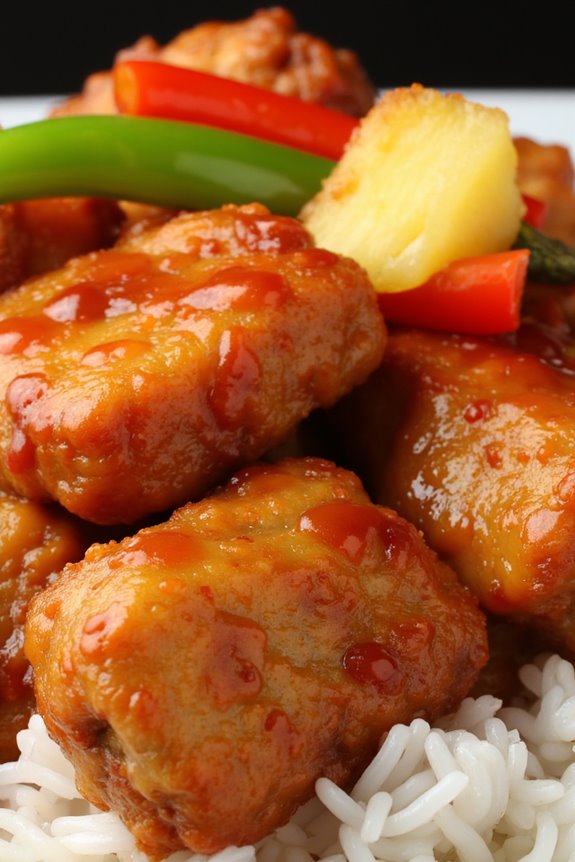
Sweet and Sour Pork is a beloved dish in Chinese cuisine that perfectly balances the flavors of tangy sweetness and savory pork. This colorful dish isn’t only a feast for the eyes but also for the palate, making it a popular choice among families and restaurants alike. The dish typically features crispy pork stir-fried with bell peppers, pineapple, and a vibrant sweet and sour sauce, creating a delightful combination that’s certain to please everyone at the table.
To prepare this dish, you’ll want to start with high-quality ingredients for both the pork and the sauce. The key to achieving that perfect crispiness lies in the marinating process and the frying method. Serve the Sweet and Sour Pork over a bed of fluffy steamed rice to soak up the delicious sauce, and you have a meal that’s both satisfying and comforting.
Ingredients (serving size: 4-6 people)
- 1 pound pork tenderloin, sliced into bite-sized pieces
- 1/4 cup cornstarch
- 1/2 cup all-purpose flour
- 1/2 cup vegetable oil (for frying)
- 1 bell pepper (red or green), diced
- 1 cup pineapple chunks (fresh or canned)
- 1/2 cup onion, diced
- 2 cloves garlic, minced
- 1/4 cup ketchup
- 1/4 cup rice vinegar
- 1/4 cup sugar
- 1 tablespoon soy sauce
- 1 tablespoon cornstarch mixed with 2 tablespoons water (for thickening)
- Salt and pepper to taste
- Cooked rice (for serving)
Cooking Instructions
- Prepare the Pork: Begin by marinating the sliced pork tenderloin in a mixture of salt, pepper, and a tablespoon of cornstarch. Let it sit for about 15-20 minutes to tenderize the meat and enhance its flavor.
- Coat the Pork: Once the pork has marinated, coat each piece in a mixture of cornstarch and flour. This will guarantee a crispy texture when fried. Shake off any excess flour to avoid clumping.
- Fry the Pork: In a large skillet or wok, heat the vegetable oil over medium-high heat. Once hot, carefully add the coated pork pieces in batches, ensuring not to overcrowd the pan. Fry until golden brown and crispy, about 3-4 minutes per side. Remove the pork and drain on paper towels.
- Sauté the Vegetables: In the same skillet, add the diced onion, bell pepper, and minced garlic. Stir-fry for about 3-4 minutes until the vegetables are slightly tender but still crisp. Add the pineapple chunks and cook for an additional minute.
- Make the Sauce: In a small bowl, combine ketchup, rice vinegar, sugar, and soy sauce. Mix well and then pour this mixture into the skillet with the sautéed vegetables. Bring to a simmer.
- Thicken the Sauce: Once the sauce is simmering, add the cornstarch slurry (the cornstarch mixed with water) to the skillet. Stir continuously until the sauce thickens, about 1-2 minutes.
- Combine Everything: Add the crispy pork back into the skillet and toss everything together until the pork is well coated with the sweet and sour sauce. Cook for an additional minute to heat everything through.
- Serve: Remove from heat and serve the Sweet and Sour Pork over cooked rice. Enjoy your delicious homemade dish!
Extra Tips
For a more intense flavor, consider adding a splash of pineapple juice to the sauce for added sweetness and depth. You can also experiment with different vegetables such as snap peas or carrots for added color and nutrition.
If you prefer a healthier version, try baking the pork instead of frying it, although this will change the texture slightly. Finally, feel free to adjust the sweetness or acidity of the sauce to suit your personal taste by modifying the amounts of sugar and vinegar.
Dan Dan Noodles
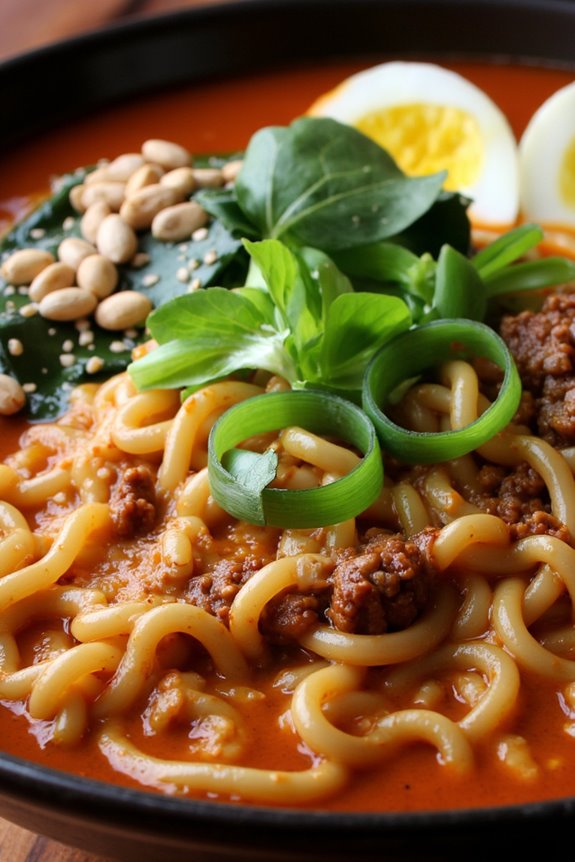
Dan Dan Noodles, also known as “Dan Dan Mian,” is a classic Sichuan dish that has gained popularity worldwide for its bold flavors and spicy profile. Originating from street food vendors in Chengdu, this dish features noodles topped with a tantalizing sauce made from chili oil, sesame paste, and ground meat.
The combination of textures and flavors — from the chewy noodles to the nutty sauce and savory toppings — creates a delightful experience that’s both satisfying and comforting. Making Dan Dan Noodles at home allows you to customize the spice level and ingredient proportions to your liking, ensuring that every bowl is perfect for your palate.
This recipe will guide you through creating this iconic dish, complete with all the traditional flavors that make Dan Dan Noodles a beloved favorite. Get ready to impress your family and friends with this delightful taste of Sichuan cuisine!
Ingredients (serving size: 4-6 people):
- 1 pound fresh or dried Chinese wheat noodles
- 1/2 pound ground pork (or ground beef)
- 1/4 cup sesame paste (or tahini)
- 1/4 cup soy sauce
- 2 tablespoons Chinese black vinegar
- 2 tablespoons chili oil (adjust to taste)
- 2 teaspoons minced garlic
- 2 teaspoons minced ginger
- 3 green onions, chopped (plus extra for garnish)
- 1 tablespoon Sichuan peppercorns (optional)
- 1 cup chopped bok choy or spinach (for garnish)
- Salt to taste
- Crushed peanuts (for garnish)
Cooking Instructions:
- Cook the Noodles: Begin by boiling a pot of water. Add the noodles and cook according to the package instructions until al dente. Once cooked, drain the noodles and rinse them under cold water to stop the cooking process. Set aside.
- Prepare the Sauce: In a bowl, combine the sesame paste, soy sauce, black vinegar, and chili oil. Mix well until the sauce is smooth and creamy. Adjust the amount of chili oil according to your desired spice level.
- Cook the Meat: In a large skillet or wok, heat a tablespoon of oil over medium heat. Add the ground pork (or beef) and cook until browned, breaking it up with a spatula as it cooks. This should take about 5-7 minutes. Add the minced garlic and ginger, stirring for another minute until fragrant.
- Add Seasonings: If using Sichuan peppercorns, add them to the meat at this stage. Cook for an additional minute. Season with salt to taste. Remove the skillet from heat and set aside.
- Combine Noodles and Sauce: In a large mixing bowl, add the cooked noodles and pour the prepared sauce over them. Toss the noodles until they’re evenly coated in the sauce.
- Assemble the Dish: Serve the sauced noodles in bowls and top each serving with the cooked ground meat mixture. Add chopped bok choy or spinach, and garnish with chopped green onions and crushed peanuts.
- Final Touches: Drizzle with additional chili oil if desired, and serve immediately while warm.
Extra Tips: When preparing Dan Dan Noodles, feel free to experiment with the toppings and spices to make the dish your own. If you prefer a vegetarian version, substitute the meat with sautéed mushrooms or tofu for a hearty alternative.
Additionally, using freshly made chili oil can elevate the flavor considerably, so consider making your own by infusing oil with dried chilies and spices. Enjoy your culinary adventure with this authentic and flavorful dish!
Egg Fried Rice
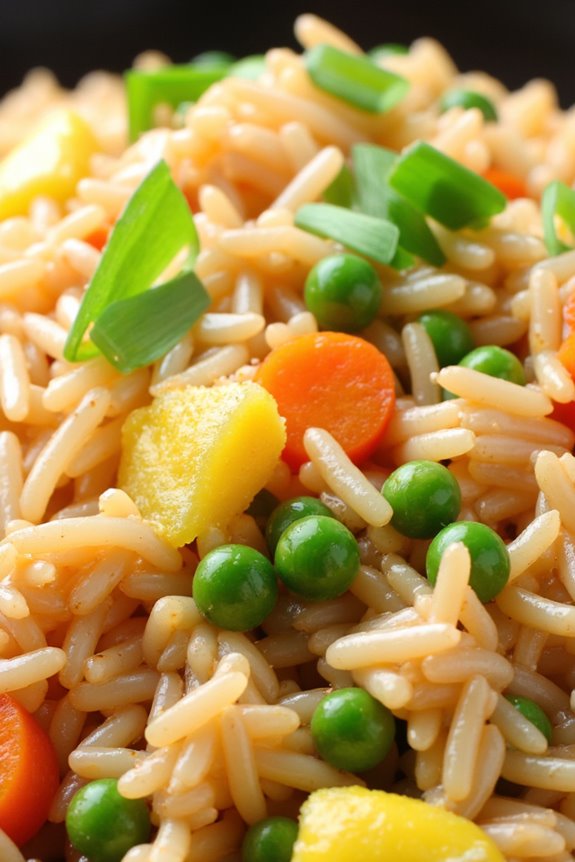
Egg Fried Rice is a classic Chinese dish that’s both simple and versatile, making it a favorite among many. This dish combines fluffy rice with scrambled eggs and a mix of vegetables, all seasoned with soy sauce for added flavor. Ideal for using up leftover rice, Egg Fried Rice can be customized with various ingredients based on what you have on hand, such as proteins or different vegetables. It’s a perfect side dish or a quick meal on its own.
To achieve the best results, it’s important to use day-old cooked rice that has been chilled. Freshly cooked rice can be too moist and sticky, leading to clumpy fried rice. When the rice is left to cool, the grains firm up, making them easier to separate during cooking. This dish isn’t only delicious but also an excellent way to make a satisfying meal out of simple ingredients.
Ingredients (serves 4-6):
- 4 cups cooked jasmine rice (preferably day-old)
- 3 large eggs
- 1 cup peas and carrots (frozen or fresh)
- 4 green onions, chopped
- 3 tablespoons soy sauce
- 2 tablespoons vegetable oil
- 1 tablespoon sesame oil
- 1 teaspoon garlic, minced
- Salt and pepper to taste
Cooking Instructions:
- Prepare the Rice: If you’re using leftover rice, break up any clumps with your fingers before cooking. If using freshly cooked rice, spread it out on a baking sheet and let it cool in the refrigerator for at least 30 minutes to an hour. This will help to dry out the rice and make it fluffier.
- Scramble the Eggs: In a large skillet or wok, heat 1 tablespoon of vegetable oil over medium heat. Crack the eggs into a bowl, whisk them until they’re well combined, and pour them into the hot skillet. Cook, stirring gently, until the eggs are fully scrambled and just set. Remove them from the pan and set aside.
- Sauté Vegetables: In the same skillet, add the remaining tablespoon of vegetable oil. Once hot, add the minced garlic and sauté for about 30 seconds until fragrant. Then add the peas and carrots, cooking for another 2-3 minutes until they’re tender.
- Fry the Rice: Add the cooked rice to the skillet with the vegetables. Stir-fry the rice for about 5 minutes, breaking up any remaining clumps and ensuring it heats through. Make sure to stir continuously to avoid sticking.
- Combine Ingredients: Once the rice is heated, stir in the scrambled eggs and chopped green onions. Drizzle the soy sauce and sesame oil over the rice, mixing everything well. Taste and add salt and pepper as needed. Cook for an additional minute to allow the flavors to meld.
- Serve: Remove from heat and serve the Egg Fried Rice hot. You can garnish it with additional green onions if desired.
Extra Tips:
For an authentic touch, consider adding proteins like diced chicken, shrimp, or tofu to your Egg Fried Rice. Simply cook the protein in the skillet before adding the vegetables.
Additionally, feel free to experiment with other vegetables such as bell peppers or corn, or incorporate spices like white pepper for a different flavor profile. Always remember to adjust the soy sauce quantity to match your taste preference, as some brands can be saltier than others. Enjoy your cooking!
Wonton Soup
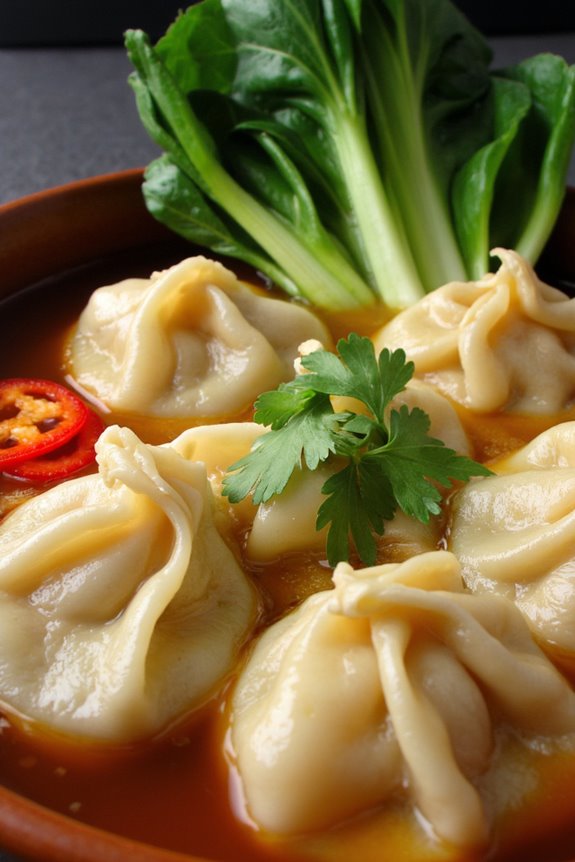
Wonton soup is a beloved dish in Chinese cuisine, known for its delicate, flavorful dumplings and rich broth. This comforting soup is often enjoyed as a starter or a light meal and can be found in many Chinese households as well as restaurants. The wontons are traditionally filled with a mixture of ground meat, often combined with shrimp, and are served in a savory broth that can be customized with various vegetables and seasonings.
The beauty of wonton soup lies in its versatility. You can adjust the fillings according to your preferences, whether you prefer pork, chicken, shrimp, or a vegetarian option. Additionally, the broth can be made from scratch or enhanced with store-bought stock, making it a convenient dish to prepare. With this recipe, you’ll be able to create a delicious wonton soup that serves 4-6 people, allowing you to share this delightful experience with family and friends.
Ingredients (serves 4-6):
- 1 package (about 14 oz) of wonton wrappers
- 1/2 pound ground pork
- 1/2 pound medium shrimp, peeled and deveined, chopped
- 3 green onions, finely chopped
- 2 cloves garlic, minced
- 1 inch piece of ginger, grated
- 2 tablespoons soy sauce
- 1 tablespoon sesame oil
- 1 tablespoon cornstarch
- 6 cups chicken broth
- 2 cups water
- 2 cups baby bok choy or spinach
- Salt and pepper to taste
- Fresh cilantro for garnish
- Sliced chili peppers (optional) for garnish
Cooking Instructions:
- Prepare the Wonton Filling: In a large mixing bowl, combine the ground pork, chopped shrimp, green onions, garlic, ginger, soy sauce, sesame oil, and cornstarch. Season with salt and pepper to taste. Mix everything thoroughly until well combined. This filling should have a slightly sticky texture for easy wrapping.
- Wrap the Wontons: Take a wonton wrapper and place about 1 teaspoon of filling in the center. Dip your finger in water and moisten the edges of the wrapper. Fold the wrapper in half to create a triangle, pressing out any air. Then, bring the two opposite corners of the triangle together and pinch to seal. Repeat this process with the remaining wrappers and filling until all are used.
- Prepare the Broth: In a large pot, combine the chicken broth and water. Bring the mixture to a gentle boil over medium heat. Once boiling, lower the heat and let it simmer while you cook the wontons.
- Cook the Wontons: Carefully add the wontons to the simmering broth in batches to avoid overcrowding. Cook for about 4-6 minutes, or until the wontons float to the surface and the filling is cooked through. Use a slotted spoon to remove the wontons and set them aside on a plate.
- Add Greens to the Broth: In the same pot of broth, add the baby bok choy or spinach. Cook for 2-3 minutes or until the greens are wilted. Taste the broth and adjust the seasoning with salt and pepper as needed.
- Assemble the Soup: In serving bowls, place the cooked wontons. Ladle the hot broth with greens over the wontons. Garnish with fresh cilantro and sliced chili peppers if desired.
Extra Tips:
When making wonton soup, verify your wonton wrappers are fresh for the best texture. If you’re making a larger batch, you can freeze uncooked wontons and cook them directly from the freezer when needed.
For a richer broth, consider adding some mushrooms, or a splash of soy sauce and rice wine for extra depth. Always taste the broth before serving, as adjusting the seasoning can greatly enhance the final dish. Enjoy this delightful soup warm and savor the comforting flavors!
Chinese Braised Pork Belly
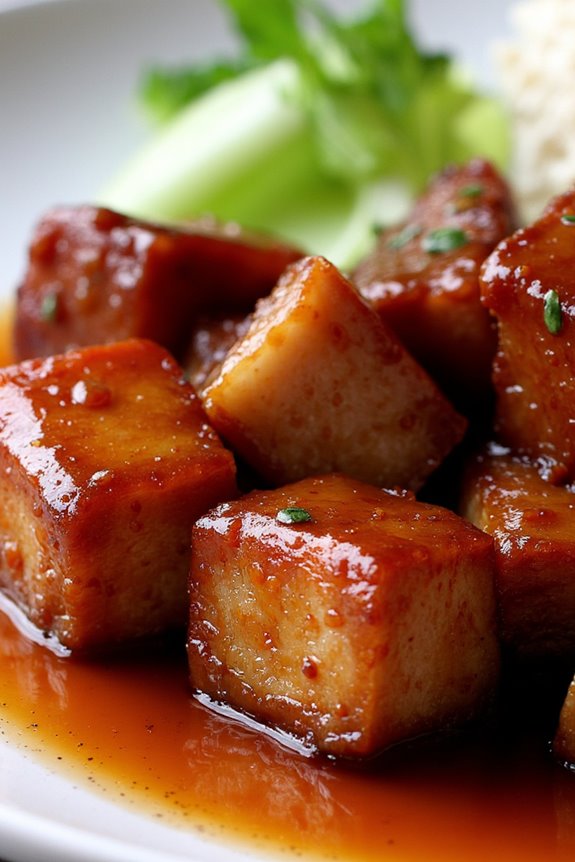
Chinese Braised Pork Belly, known as “Hong Shao Rou” in Mandarin, is a beloved dish in Chinese cuisine that highlights the rich, succulent flavor of pork belly, slowly cooked in a savory and slightly sweet sauce.
This classic recipe has been passed down through generations, cherished for its melt-in-your-mouth texture and vibrant flavors that come from a combination of soy sauce, sugar, and aromatic spices. It’s commonly served with steamed rice and vegetables, making it a comforting meal that brings warmth and satisfaction to the table.
The key to achieving the perfect Braised Pork Belly lies in the balance of flavors and the slow cooking process that allows the meat to absorb all the wonderful seasonings. While it may seem intimidating at first, this recipe is straightforward and rewarding.
In just a few hours, you’ll have a dish that isn’t only visually appealing with its glossy sauce but also packed with deep, rich flavors that will impress family and friends alike.
Ingredients (for 4-6 people):
- 1.5 pounds pork belly, skin on
- 2 tablespoons vegetable oil
- 1/4 cup soy sauce
- 1/4 cup dark soy sauce
- 1/4 cup sugar (preferably rock sugar)
- 1 cup water
- 4-5 slices ginger
- 3-4 cloves garlic, smashed
- 2-3 green onions, cut into sections
- 2 star anise
- 1 cinnamon stick
- Salt to taste
Cooking Instructions:
1. Prepare the Pork Belly: Start by cutting the pork belly into 2-inch cubes. This size allows for even cooking and better absorption of flavors.
Blanch the pork in boiling water for about 5 minutes to remove impurities, then drain and set aside. This step helps to guarantee a cleaner broth and a more flavorful end dish.
2. Sauté Aromatics: In a large wok or deep skillet, heat the vegetable oil over medium heat. Add the ginger and garlic, sautéing until fragrant (about 1-2 minutes).
This releases their essential oils and creates a flavorful base for the dish.
3. Caramelize the Sugar: Add the sugar to the wok and allow it to melt and caramelize, stirring occasionally to prevent burning.
The sugar should turn a golden brown color. This caramelization adds depth and a slight sweetness to the dish.
4. Brown the Pork Belly: Once the sugar is caramelized, add the pork belly cubes to the wok.
Stir-fry until the meat is browned on all sides, which will help lock in the flavors and add texture.
5. Add Sauces and Spices: Pour in the soy sauce, dark soy sauce, and water. Add the star anise, cinnamon stick, and sections of green onion.
Bring the mixture to a boil, then reduce the heat to low. This combination of sauces and spices is what gives the dish its signature taste.
6. Braise the Pork: Cover the wok and let the pork belly braise on low heat for about 1.5 to 2 hours.
Stir occasionally and check to confirm it doesn’t dry out; you can add a little more water if necessary. The long cooking time allows the pork to become tender and soak up all the delicious flavors.
7. Finish and Serve: Once the pork is tender, taste and adjust the seasoning with salt if needed.
Remove the lid and cook for another 10-15 minutes to thicken the sauce, if desired. Serve hot over steamed rice, garnished with the cooked green onions.
Extra Tips:
For an even richer flavor, consider marinating the pork belly in the soy sauces, ginger, and garlic for a few hours or overnight before cooking.
Additionally, using fresh rock sugar will enhance the sweetness of the dish, but if unavailable, granulated sugar can be used as a substitute.
To add a touch of freshness, you can sprinkle some chopped cilantro or sesame seeds on top before serving. Enjoy your authentic Chinese Braised Pork Belly!
Szechuan Spicy Noodles
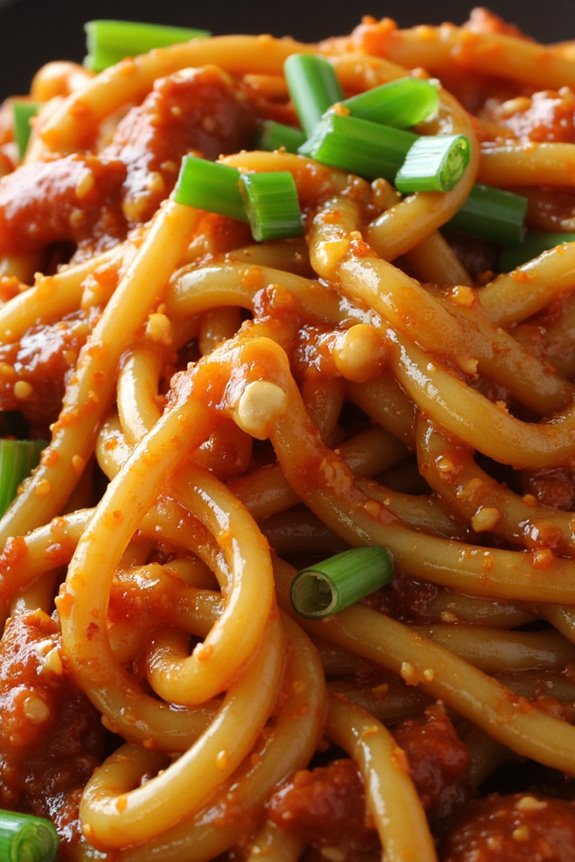
Szechuan Spicy Noodles are a flavorful and vibrant dish that embodies the bold and assertive flavors of Szechuan cuisine. Known for its distinct spiciness and aromatic qualities, this dish combines chewy noodles with a fiery sauce made from a blend of essential ingredients like chili oil, garlic, and Szechuan peppercorns. Perfect for those who love a kick in their meals, Szechuan Spicy Noodles can be served as a main dish or a delightful side, making it a versatile addition to your dinner table.
Preparing Szechuan Spicy Noodles isn’t only rewarding but also quite simple. The dish is typically made with fresh Chinese wheat noodles, which can be found in most Asian grocery stores. The magic really happens when you whip up the spicy sauce and mix it with the noodles, creating an unforgettable union of flavors that will leave your taste buds tingling. This recipe serves 4-6 people, making it an excellent choice for gatherings or family dinners.
Ingredients (serves 4-6):
- 12 ounces Chinese wheat noodles (or any preferred noodles)
- 3 tablespoons Szechuan chili oil
- 2 tablespoons soy sauce
- 1 tablespoon rice vinegar
- 1 tablespoon sugar
- 4 cloves garlic, minced
- 1 teaspoon ginger, minced
- 1 teaspoon Szechuan peppercorns, toasted and ground
- 1/4 cup scallions, chopped
- 1/4 cup roasted peanuts, chopped (optional)
- Fresh cilantro, for garnish (optional)
Cooking Instructions:
- Cook the noodles: Begin by bringing a large pot of salted water to a boil. Add the Chinese wheat noodles and cook according to package instructions, usually about 3-5 minutes for fresh noodles. Once cooked, drain the noodles and rinse them under cold water to stop the cooking process. Set aside.
- Prepare the sauce: In a bowl, combine the Szechuan chili oil, soy sauce, rice vinegar, and sugar. Mix well until the sugar is dissolved. This sauce is the heart of the dish, bringing all the spicy and tangy flavors together.
- Sauté aromatics: In a large skillet or wok, heat a tablespoon of oil over medium heat. Add the minced garlic and ginger, stirring constantly for about 1 minute until fragrant. Be careful not to burn them, as this can impart a bitter taste to the dish.
- Add spice: Stir in the ground Szechuan peppercorns and sauté for another 30 seconds. This will release their unique floral and numbing qualities into the oil, adding depth to your sauce.
- Combine noodles and sauce: Add the cooked noodles into the skillet with the sautéed aromatics. Pour the prepared sauce over the noodles and toss everything together, ensuring the noodles are well coated with the spicy sauce. Cook for an additional 1-2 minutes, allowing the noodles to absorb the flavors.
- Garnish and serve: Remove the skillet from heat and stir in the chopped scallions and roasted peanuts if using. Transfer the Szechuan Spicy Noodles to a serving platter or individual bowls, and garnish with fresh cilantro. Serve hot and enjoy the vibrant flavors!
Extra Tips:
For an added depth of flavor, consider marinating the noodles in the sauce for a few minutes before serving. If you prefer a milder version, reduce the amount of Szechuan chili oil and peppercorns.
You can also customize the dish by adding vegetables like bell peppers, broccoli, or snap peas for an extra nutritional boost. Don’t forget to adjust the spiciness to your preference, as the heat can vary based on the brand of chili oil used. Enjoy your cooking adventure with Szechuan Spicy Noodles!
Vegetable Chow Mein
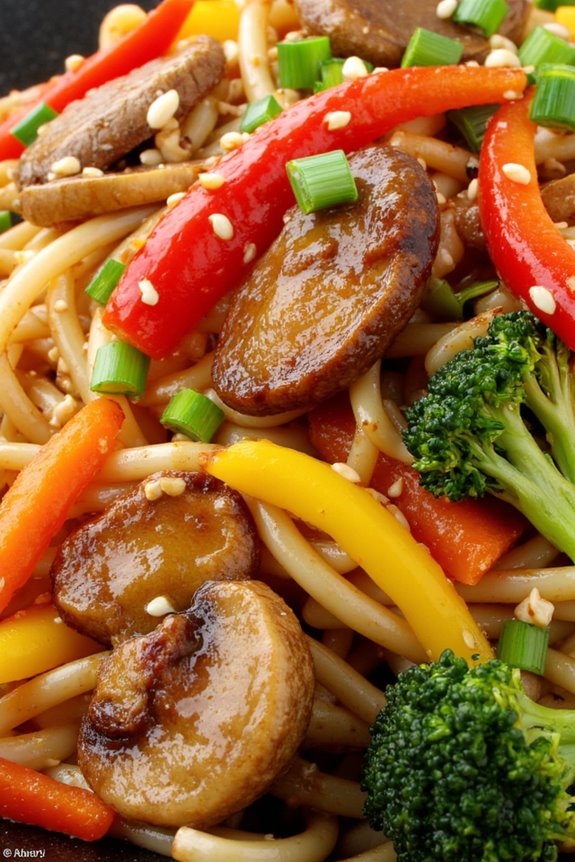
Vegetable Chow Mein is a delightful and colorful dish that embodies the essence of Chinese cuisine. It’s a stir-fried noodle dish that combines an array of fresh vegetables with egg noodles, creating a harmonious blend of flavors and textures. The beauty of Vegetable Chow Mein lies not only in its taste but also in its versatility; you can customize it with your favorite vegetables or whatever is in season.
This dish is perfect for a quick weeknight dinner or as a side to accompany your main course. The history of Chow Mein dates back to the late 19th century in America, where Chinese immigrants began to adapt their cooking styles to local ingredients and preferences.
Vegetable Chow Mein remains a popular choice due to its vegetarian-friendly nature and its ability to satisfy even the heartiest of appetites. With its savory sauce and crisp veggies, this dish is sure to please everyone at the dinner table.
Ingredients (serving size: 4-6 people):
- 8 oz egg noodles
- 2 tablespoons vegetable oil
- 1 cup sliced bell peppers (red, yellow, and green)
- 1 cup shredded carrots
- 1 cup bean sprouts
- 1 cup broccoli florets
- 1 cup sliced mushrooms
- 3 green onions, chopped
- 3 cloves garlic, minced
- 1 tablespoon soy sauce
- 1 tablespoon oyster sauce (optional)
- 1 teaspoon sesame oil
- Salt and pepper to taste
Cooking Instructions:
- Cook the Noodles: Bring a large pot of water to a boil. Add the egg noodles and cook according to package instructions until al dente, usually around 4-5 minutes. Drain the noodles and rinse them with cold water to stop the cooking process. Set aside.
- Prepare the Vegetables: While the noodles are cooking, wash and chop all the vegetables. This includes slicing the bell peppers, shredding the carrots, cutting the broccoli into florets, and slicing the mushrooms. Having all the vegetables prepped will guarantee a smooth cooking process.
- Heat the Oil: In a large wok or frying pan, heat the vegetable oil over medium-high heat. Allow the oil to get hot but not smoking, as this will help to stir-fry the vegetables effectively.
- Stir-Fry the Garlic and Vegetables: Add the minced garlic to the hot oil and stir-fry for about 30 seconds until fragrant. Then, add the sliced bell peppers, shredded carrots, broccoli florets, and mushrooms. Stir-fry for about 3-4 minutes, until the vegetables are tender but still crisp.
- Add the Noodles: Once the vegetables are cooked, add the drained egg noodles to the wok. Gently toss the noodles with the vegetables to combine everything evenly.
- Season the Dish: Pour in the soy sauce, oyster sauce (if using), and sesame oil. Toss everything together for another 2-3 minutes to ascertain that the noodles are well coated with the sauces and heated through. Season with salt and pepper to taste.
- Finish with Bean Sprouts and Green Onions: Finally, add the bean sprouts and chopped green onions to the mix. Stir-fry for an additional minute just until the bean sprouts are warmed but still crisp.
- Serve: Remove the Vegetable Chow Mein from the heat and transfer it to a serving platter. Enjoy the dish hot, garnished with extra green onions if desired.
Extra Tips:
To enhance the flavor of your Vegetable Chow Mein, you can marinate the vegetables in a little soy sauce and sesame oil before cooking. Additionally, feel free to experiment with other vegetables such as snow peas, zucchini, or baby corn.
For an extra crunch, consider topping the dish with toasted sesame seeds or crushed peanuts. If you prefer a spicier kick, add a dash of chili sauce or red pepper flakes during the cooking process. Enjoy your homemade Vegetable Chow Mein!
