

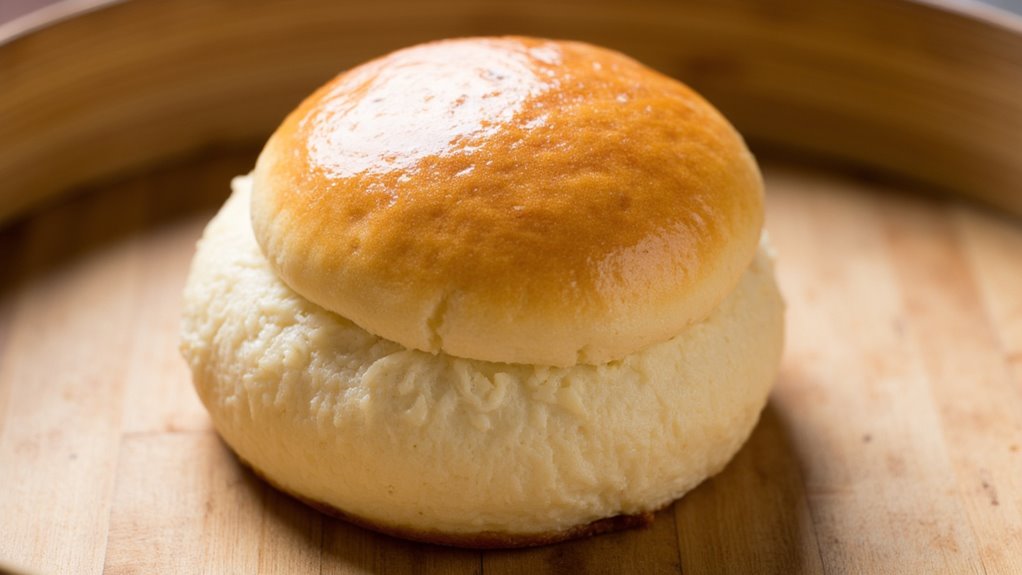
When I think of dim sum, I see a lively table with small, delicious dishes that invite everyone to come together and share. From the savory flavor of Siu Mai to the delicate texture of Har Gow, each dish is a celebration of tradition and taste. Curious about which iconic recipes are must-tries? Let’s explore these delightful small bites that bring joy to every meal. You won’t want to miss what’s next!
Siu Mai (Steamed Pork Dumplings)
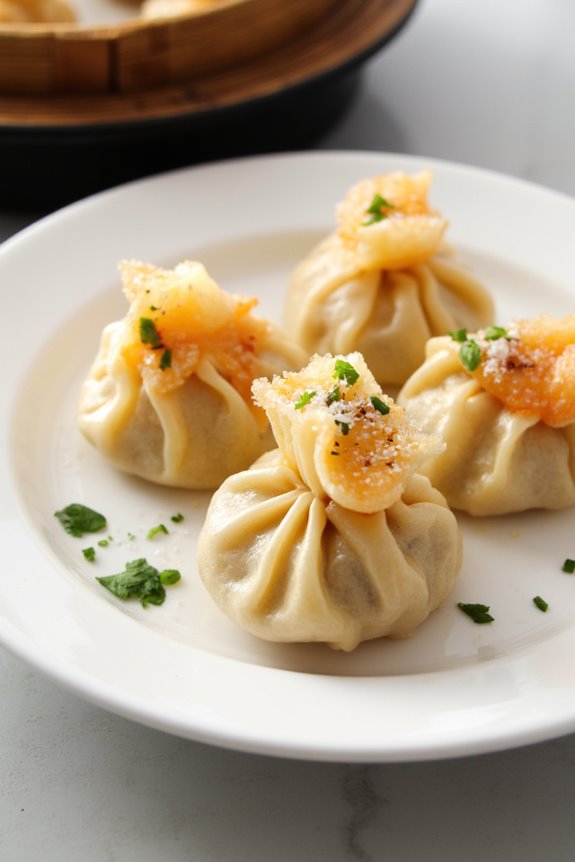
Siu Mai, also known as Shumai, is a traditional Cantonese dim sum dish that has become a beloved staple worldwide. These delectable steamed dumplings are typically filled with a mixture of ground pork, shrimp, and aromatic seasonings, all wrapped in a thin, delicate wonton skin. The result is a flavorful bite that’s both tender and juicy, making them a perfect addition to any dim sum spread or a delightful snack on their own.
Making Siu Mai at home is a rewarding experience that allows you to customize the filling according to your taste preferences. Although they may seem intimidating to create, the process is quite straightforward. With a little practice, you’ll be able to impress your family and friends with these delightful dumplings, perfect for sharing during a festive gathering or a cozy meal.
Ingredients (serving size: 4-6 people)
- 1 pound ground pork
- 4 ounces shrimp, peeled and deveined, finely chopped
- 1/4 cup water chestnuts, finely diced
- 2 green onions, finely chopped
- 1 tablespoon ginger, grated
- 2 tablespoons soy sauce
- 1 tablespoon sesame oil
- 1 tablespoon rice wine or sherry
- 1 teaspoon salt
- 1/2 teaspoon white pepper
- 20-24 round wonton wrappers
- Chopped cilantro or green onions (for garnish)
Cooking Instructions
- Prepare the Filling: In a large mixing bowl, combine the ground pork, chopped shrimp, diced water chestnuts, green onions, and grated ginger. This combination creates a flavorful base for the dumplings. Mix well to guarantee all ingredients are evenly distributed.
- Season the Mixture: Add the soy sauce, sesame oil, rice wine, salt, and white pepper to the meat mixture. These seasonings are essential for enhancing the flavor of the filling. Use your hands or a spoon to mix everything thoroughly until it becomes a cohesive mixture.
- Assemble the Dumplings: Take a wonton wrapper and place about a tablespoon of the filling in the center. Gently press the edges of the wrapper together to form a cup shape, leaving the top open. You can pinch the edges to create a pleated effect if desired. Repeat this process with the remaining wrappers and filling.
- Prepare the Steamer: Fill a large steamer pot with water and bring it to a simmer. If you have a bamboo steamer, line it with parchment paper or cabbage leaves to prevent sticking.
- Steam the Dumplings: Arrange the Siu Mai in a single layer in the steamer, making sure they aren’t touching each other. Cover the steamer with a lid and steam for about 15-20 minutes, or until the dumplings are cooked through and the pork is no longer pink.
- Garnish and Serve: Once cooked, carefully remove the dumplings from the steamer. Garnish with chopped cilantro or green onions if desired. Serve hot with soy sauce or your favorite dipping sauce.
Extra Tips
When making Siu Mai, feel free to experiment with the filling by adding ingredients like mushrooms or carrots for extra flavor and texture. To save time, you can prepare the filling in advance and keep it refrigerated for a day.
Additionally, if you want to freeze the dumplings, arrange them on a baking sheet in a single layer until frozen, then transfer them to a zip-top bag for future steaming. This way, you’ll have homemade Siu Mai ready to go whenever you crave them!
Har Gow (Shrimp Dumplings)
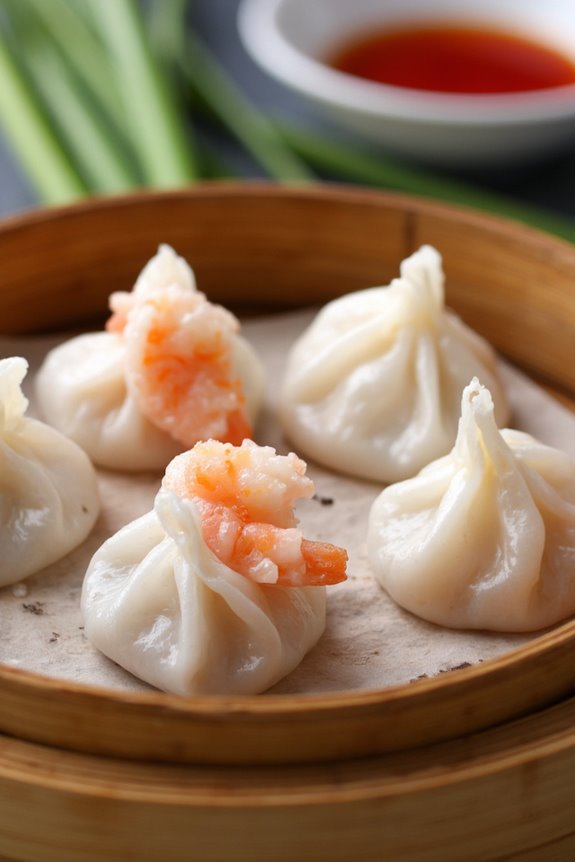
Har Gow, also known as shrimp dumplings, is a beloved staple in dim sum cuisine, offering a delightful combination of fresh shrimp encased in a translucent, delicate wrapper. Originating from Cantonese cuisine, these dumplings are a must-try for anyone seeking to explore the vibrant flavors of Chinese culinary traditions.
The key to perfect Har Gow lies in the quality of the shrimp, the finesse of the dough, and the careful steaming process that guarantees the dumplings remain moist and tender.
Making Har Gow at home might seem intimidating, but with the right ingredients and a bit of practice, you can create restaurant-quality dumplings in your own kitchen. The use of tapioca flour in the dough gives Har Gow its signature glossy appearance and chewy texture, while marinating the shrimp adds depth to the flavor.
Whether served as an appetizer or as part of a larger dim sum feast, these dumplings are sure to impress your family and friends.
Ingredients (Serves 4-6 people)
- 300g raw shrimp, peeled and deveined
- 100g bamboo shoots, finely chopped
- 1 tablespoon cornstarch
- 1 tablespoon oyster sauce
- 1 teaspoon sesame oil
- 1 teaspoon ginger, minced
- Salt and white pepper, to taste
- 100g wheat starch
- 50g tapioca flour
- 200ml water
- 1 tablespoon vegetable oil
Cooking Instructions
1. Prepare the Filling: Start by finely chopping the peeled and deveined shrimp. In a mixing bowl, combine the chopped shrimp with bamboo shoots, cornstarch, oyster sauce, sesame oil, minced ginger, and a pinch of salt and white pepper.
Mix well until all the ingredients are combined. Cover the bowl with plastic wrap and let the mixture marinate in the refrigerator for at least 30 minutes to enhance the flavors.
2. Make the Dough: In a separate bowl, combine the wheat starch and tapioca flour. Gradually add water while stirring to form a smooth mixture.
Once incorporated, add the vegetable oil and mix until the dough is smooth and pliable. Cover the dough with a damp cloth to prevent it from drying out while you prepare the dumplings.
3. Shape the Dumplings: Divide the dough into small portions (about the size of a golf ball) and roll each portion into a thin circle, approximately 3 inches in diameter.
Confirm the edges are thinner than the center for a better folding effect. Place a spoonful of the shrimp filling in the center of each circle, then fold the dough over to create a half-moon shape. Pinch the edges tightly to seal the dumpling, making sure that there are no gaps.
4. Steam the Dumplings: Prepare a steamer by lining it with parchment paper to prevent sticking. Arrange the dumplings in the steamer, leaving space between them to allow for expansion.
Steam the dumplings over boiling water for about 6-8 minutes, or until the wrappers become translucent. Be sure not to overcrowd the steamer to allow for even cooking.
5. Serve: Once cooked, carefully remove the dumplings from the steamer and Serve them hot with soy sauce, chili oil, or your favorite dipping sauce.
Enjoy the delightful burst of flavors and textures in each bite.
Extra Tips
For the best results, confirm that the shrimp are fresh and of high quality, as they’re the star ingredient in Har Gow.
If you want to add a little extra flavor, consider incorporating minced scallions or a dash of Shaoxing wine into the filling. Additionally, practice makes perfect when it comes to shaping the dumplings; don’t be discouraged if your first few attempts aren’t flawless.
With each batch, you’ll improve your technique and create beautifully shaped Har Gow that will impress your guests!
Char Siu Bao (BBQ Pork Buns)
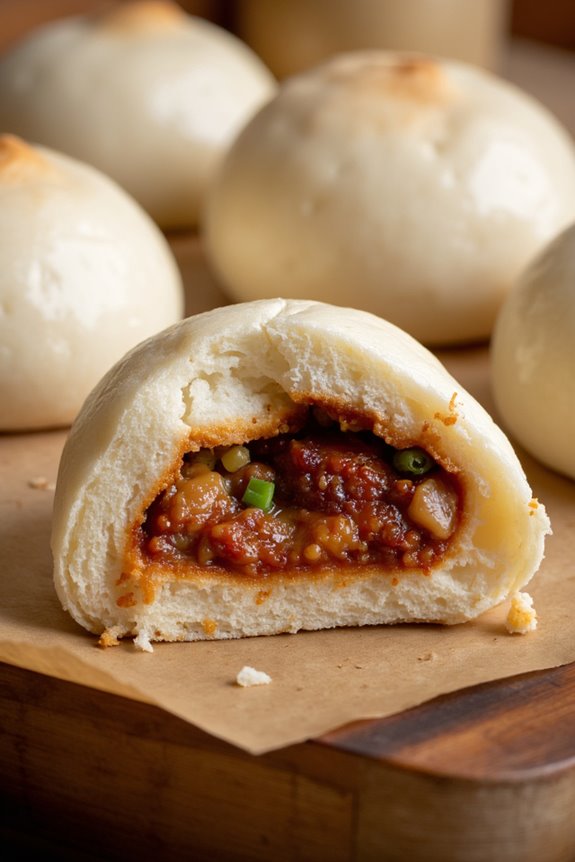
Char Siu Bao, or BBQ Pork Buns, is a beloved dim sum dish that combines a fluffy, steamed bun with a savory and slightly sweet filling of marinated pork. Originating from Cantonese cuisine, these buns offer a delightful contrast of textures and flavors, making them a favorite among dim sum lovers.
The name “Char Siu” refers to the Chinese barbecue pork that’s the star of the filling, while “Bao” means bun. Making these buns from scratch may seem intimidating, but with a bit of preparation and patience, you can enjoy homemade Char Siu Bao that rivals any restaurant version.
The process involves creating a soft, pillowy dough and a flavorful filling that’s cooked to perfection. The dough is usually made with flour, yeast, and sugar, while the filling typically includes marinated pork shoulder that’s roasted and then diced. These buns can be steamed to maintain their fluffy texture, and they serve as a perfect appetizer or main dish for family gatherings or special occasions.
Ingredients (serves 4-6 people)
- 2 cups all-purpose flour
- 1 tablespoon sugar
- 1 teaspoon instant yeast
- 1/2 teaspoon baking powder
- 1/2 cup warm water (about 110°F/43°C)
- 1 tablespoon vegetable oil
- 1/2 teaspoon salt
For the Char Siu Filling:
- 1 pound pork shoulder, diced
- 3 tablespoons hoisin sauce
- 2 tablespoons soy sauce
- 1 tablespoon oyster sauce
- 1 tablespoon sugar
- 1 teaspoon five-spice powder
- 1 teaspoon sesame oil
- 2 green onions, finely chopped
Cooking Instructions
- Prepare the Filling: In a bowl, combine the diced pork shoulder with hoisin sauce, soy sauce, oyster sauce, sugar, five-spice powder, sesame oil, and chopped green onions. Mix well to coat the pork evenly. Let it marinate in the refrigerator for at least 30 minutes, or overnight for better flavor.
- Cook the Pork: Preheat your oven to 375°F (190°C). Spread the marinated pork on a baking sheet and roast in the oven for about 20-25 minutes until cooked through and caramelized. Once cooked, remove from the oven, let cool slightly, and chop into small pieces.
- Make the Dough: In a large mixing bowl, combine flour, sugar, instant yeast, baking powder, and salt. Gradually add warm water and vegetable oil, mixing until a dough forms. Knead the dough on a floured surface for about 5-7 minutes until smooth and elastic.
- Let the Dough Rise: Place the kneaded dough in a lightly greased bowl, cover it with a damp cloth, and let it rise in a warm area for about 1 hour, or until it has doubled in size.
- Shape the Buns: Once the dough has risen, punch it down to release the air. Divide the dough into 12 equal pieces. Flatten each piece into a circle about 4 inches in diameter. Place a spoonful of the cooked pork filling in the center of each circle, then gather the edges of the dough and pinch them together to seal the bun.
- Steam the Buns: Line a steamer basket with parchment paper to prevent sticking. Place the buns in the steamer, leaving space between each one to allow for expansion. Cover with a lid and steam over boiling water for about 15-20 minutes until the buns are puffy and cooked through.
- Serve: Carefully remove the buns from the steamer and serve warm with soy sauce or chili sauce for dipping.
Extra Tips
When making Char Siu Bao, it’s important to verify that the dough isn’t overworked, as this can make the buns tough instead of soft and fluffy.
Additionally, let the buns cool slightly after steaming before serving; this helps them retain their moisture and prevents burns. You can also experiment with the filling by adding ingredients like mushrooms or bamboo shoots for added texture.
Enjoy your homemade Char Siu Bao with family and friends, and don’t hesitate to make a larger batch to freeze for later!
Egg Tarts

Egg tarts are a beloved staple in dim sum cuisine, known for their flaky crust and creamy, sweet custard filling. Originating from the Cantonese culture, these delectable pastries are often enjoyed as a dessert or snack, making them a perfect addition to any dim sum spread. The contrast between the buttery, crispy exterior and the smooth, velvety custard interior makes for a delightful culinary experience that’s hard to resist.
Making egg tarts at home may seem intimidating, but with a few simple ingredients and a bit of patience, you can recreate this classic dish. Whether you’re hosting a dim sum brunch or simply craving a sweet treat, these egg tarts are sure to impress your family and friends. Follow this easy recipe to bring the taste of a dim sum restaurant right to your kitchen.
Ingredients (Serves 4-6)
- 1 cup all-purpose flour
- 1/4 cup unsalted butter, cold and cubed
- 1/4 cup powdered sugar
- 1/2 teaspoon salt
- 1 egg yolk
- 2-3 tablespoons cold water
- 3 large eggs
- 1/2 cup granulated sugar
- 1 cup whole milk
- 1 teaspoon vanilla extract
Cooking Instructions
- Prepare the Pastry Dough: In a mixing bowl, combine the flour, powdered sugar, and salt. Add the cold, cubed butter and use your fingers or a pastry cutter to mix until the mixture resembles coarse crumbs. This will create a flaky texture for your tart crust.
- Form the Dough: Add the egg yolk and 2 tablespoons of cold water to the flour mixture. Mix until the dough starts to come together. If it’s too dry, add an additional tablespoon of water. Knead the dough gently on a floured surface until smooth, then wrap it in plastic wrap and refrigerate for at least 30 minutes.
- Prepare the Custard Filling: In a bowl, whisk together the eggs and granulated sugar until well combined. Add the milk and vanilla extract, whisking until the mixture is smooth and uniform. This will be the creamy filling for the tarts.
- Roll Out the Dough: After chilling, roll out the pastry dough on a floured surface to about 1/8 inch thick. Using a round cutter, cut out circles that are slightly larger than your tart molds.
- Line the Tart Molds: Carefully place the dough circles into the tart molds, pressing them into the bottom and up the sides. Trim any excess dough hanging over the edges. Prick the bottom of each tart shell with a fork to prevent bubbling during baking.
- Fill the Tarts: Preheat your oven to 375°F (190°C). Pour the custard filling into each prepared tart shell, filling them about three-quarters full to allow room for the custard to rise.
- Bake the Tarts: Place the tarts in the preheated oven and bake for about 20-25 minutes, or until the custard is set and the tops are lightly golden. Keep an eye on them to avoid overbaking.
- Cool and Serve: Once baked, remove the tarts from the oven and allow them to cool in the molds for about 10 minutes before transferring them to a wire rack. Serve warm or at room temperature for the best flavor.
Extra Tips
To achieve the best results, make sure your ingredients are cold, particularly the butter and water for the dough, as this will help create a flaky texture.
Additionally, if you prefer a slightly caramelized top on your custard, you can use a kitchen torch to lightly brûlée the surface just before serving.
Experimenting with different flavorings, such as adding a hint of almond extract or citrus zest to the custard, can also elevate the taste profile of your egg tarts. Enjoy your homemade dim sum experience!
Spring Rolls
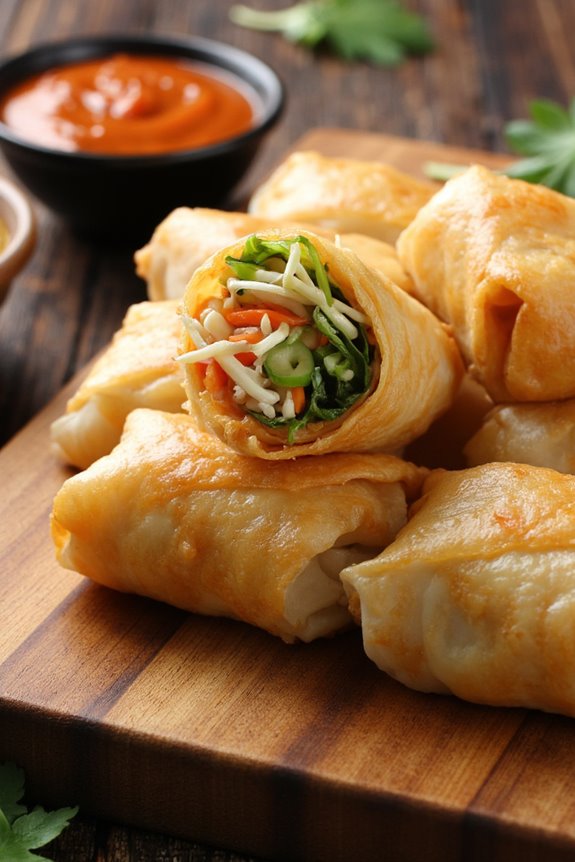
Spring rolls are a delightful and versatile dish often enjoyed as part of a dim sum feast. These crispy, golden treats are typically filled with a combination of fresh vegetables, proteins, and aromatic herbs, all wrapped in a delicate rice paper or wheat wrapper. Whether served as an appetizer or a main dish, spring rolls offer a satisfying crunch and a burst of flavor that can be tailored to suit any palate.
Making spring rolls at home can be a fun and rewarding experience. With just a few simple ingredients and some basic techniques, you can create a batch of delicious rolls that will impress your family and friends. This recipe is designed for 4-6 people, making it perfect for a gathering or a cozy dinner at home. Let’s explore the ingredients and cooking instructions to bring these tasty treats to life!
Ingredients for Spring Rolls (Serves 4-6)
- 1 cup shredded cabbage
- 1 cup shredded carrots
- 1 cup bean sprouts
- 1 cup cooked shrimp or chicken, chopped (optional)
- 1/2 cup green onions, sliced
- 1/4 cup fresh cilantro, chopped
- 1 tablespoon soy sauce
- 1 tablespoon sesame oil
- 1 package spring roll wrappers (about 12-16 wrappers)
- Oil for frying (vegetable or canola oil)
Cooking Instructions
- Prepare the Filling: In a large mixing bowl, combine the shredded cabbage, shredded carrots, bean sprouts, chopped shrimp or chicken (if using), sliced green onions, and chopped cilantro. Drizzle the soy sauce and sesame oil over the mixture and toss everything together until the ingredients are well coated and evenly mixed.
- Set Up a Wrapping Station: Lay out a clean, flat surface for assembling the spring rolls. Place a shallow dish of warm water nearby to soften the spring roll wrappers. It’s also helpful to have a plate or tray ready to hold the assembled rolls.
- Wrap the Spring Rolls: Take a spring roll wrapper and dip it in the warm water for about 10-15 seconds, or until it becomes pliable. Lay the softened wrapper on your flat surface. Spoon about 2 tablespoons of the filling mixture onto the lower third of the wrapper. Fold the sides over the filling, then roll it up tightly from the bottom, tucking in the sides as you go. Seal the edge with a bit of water to help it stick.
- Heat the Oil: In a deep frying pan or a wok, pour enough oil to submerge the spring rolls (about 2-3 inches deep). Heat the oil over medium-high heat until it reaches around 350°F (175°C). You can test the oil by dropping in a small piece of bread; it should sizzle and turn golden brown.
- Fry the Spring Rolls: Carefully place the assembled spring rolls into the hot oil, a few at a time, to avoid overcrowding. Fry them for about 3-5 minutes or until they’re golden brown and crispy, turning occasionally for even cooking. Use a slotted spoon to remove them from the oil and place them on a paper towel-lined plate to drain excess oil.
- Serve: Allow the spring rolls to cool slightly before serving. They can be enjoyed with a dipping sauce such as sweet chili sauce, soy sauce, or a homemade peanut sauce.
Extra Tips
When making spring rolls, feel free to get creative with the filling! You can add other vegetables like bell peppers or mushrooms, or even incorporate different proteins such as tofu or beef.
Make sure that the filling isn’t too wet, as excess moisture can make the wrappers soggy. Additionally, if frying isn’t your preference, you can also bake the spring rolls in a preheated oven at 400°F (200°C) for about 15-20 minutes, brushing them lightly with oil for a healthier option. Enjoy your homemade spring rolls!
Cheung Fun (Rice Noodle Rolls)
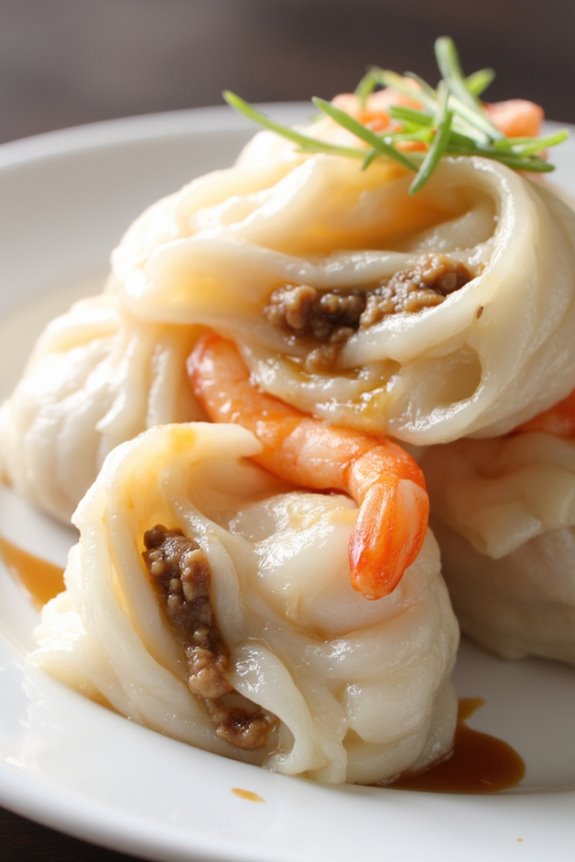
Cheung Fun, or rice noodle rolls, are a beloved dim sum dish that hails from Cantonese cuisine. These delicate, silky-smooth rice noodles are typically filled with ingredients such as shrimp, beef, or vegetables and are served with a sweet soy sauce. The dish isn’t only a staple in dim sum restaurants but is also popular for breakfast or as a snack in many Asian cultures.
Making Cheung Fun at home can be a rewarding experience, as you can customize the fillings to your liking while mastering the art of creating the perfect rice noodle texture.
To prepare Cheung Fun, the key is to achieve the right consistency of the rice flour batter, which should be thin enough to spread easily but thick enough to hold together. The cooking method involves steaming the rolled noodles, which results in their delightful chewiness.
Although the process may seem intimidating at first, with a little practice and patience, you’ll be able to create these delicious rice noodle rolls that are sure to impress your family and friends.
Ingredients (Serves 4-6):
- 1 cup rice flour
- 1/4 cup tapioca starch
- 2 cups water
- 1/2 teaspoon salt
- 1 tablespoon vegetable oil (plus extra for greasing)
- Filling of choice (e.g., 1 cup shrimp, 1 cup ground pork, or assorted vegetables)
- Soy sauce (for serving)
- Sesame oil (optional, for drizzling)
Cooking Instructions:
- Prepare the batter: In a mixing bowl, combine the rice flour, tapioca starch, water, and salt. Whisk until smooth and well-mixed, ensuring there are no lumps. Let the batter rest for about 30 minutes to allow the starches to hydrate.
- Prepare the filling: If you’re using shrimp or ground pork, cook your filling in a pan over medium heat until just cooked through. For vegetables, sauté them lightly until tender. Season with salt and pepper to taste. Set aside.
- Set up the steamer: Fill a large pot or wok with water and bring it to a boil. Grease a flat, heatproof tray or plate that fits into your steamer with a little vegetable oil to prevent sticking.
- Steam the first layer of noodles: Pour a thin layer of the batter (about 1/4 cup) onto the greased tray, spreading it evenly. Place the tray in the steamer and cover. Steam for about 3-4 minutes or until the noodle sheet is set and translucent.
- Add the filling: Once the first layer is cooked, carefully remove the tray from the steamer. Place a portion of the filling at one end of the noodle sheet. Using a spatula or chopsticks, gently roll the noodle over the filling to form a roll. Transfer the rolled noodle to a serving plate.
- Repeat the process: Grease the tray again and repeat the steaming process with the remaining batter and filling, making sure to adjust the cooking time as needed. Continue until all the batter and filling are used.
- Serve: Drizzle the prepared Cheung Fun with soy sauce and sesame oil, if desired. Cut into bite-sized pieces and serve warm.
Extra Tips:
When making Cheung Fun, it’s essential to keep the batter thin to achieve the desired texture. You can experiment with different fillings based on your preferences and what’s available in your kitchen.
Additionally, if you find that the noodle sheets are sticking together, you can lightly brush them with oil before stacking them. To enhance the dish, consider serving it with chili sauce or pickled vegetables on the side for an extra kick!
Wu Gok (Taro Dumplings)
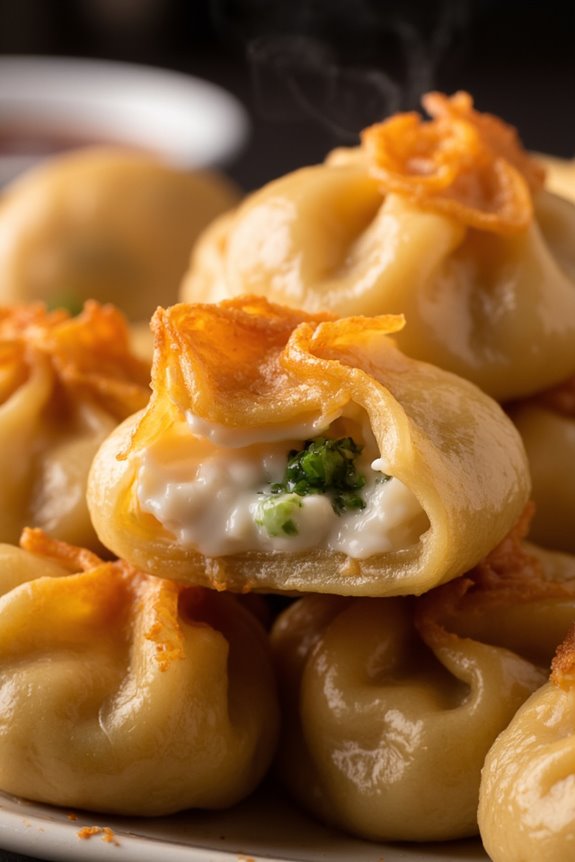
Wu Gok, also known as taro dumplings, is a delightful delicacy often found in dim sum restaurants. These dumplings are characterized by their crispy golden-brown exterior and a creamy, savory filling made primarily from taro and meat. The unique texture of the taro combined with the crunch of the fried outer layer makes Wu Gok a standout dish that’s loved by many.
The process of making these dumplings involves steaming and frying, which results in a perfect contrast of textures that’s sure to impress your guests. Making Wu Gok can be a fun and engaging kitchen project. Although it may seem a bit intricate, the reward of serving freshly made dumplings is worth the effort.
With a bit of preparation and the right ingredients, you can create a batch of these delightful dumplings that will transport you to the bustling streets of Hong Kong. Let’s explore the ingredients and steps needed to create this beloved dim sum dish for 4-6 people.
Ingredients:
- 500g taro, peeled and diced
- 250g ground pork or chicken
- 1 tablespoon dried shrimp, soaked and chopped
- 2 tablespoons green onions, finely chopped
- 1 tablespoon soy sauce
- 1 tablespoon oyster sauce
- 1 teaspoon sesame oil
- 1/2 teaspoon salt
- 1/4 teaspoon white pepper
- 200g wheat starch
- 100g tapioca starch
- 1 tablespoon lard or vegetable shortening (for the dough)
- Water (as needed for the dough)
- Oil (for deep frying)
Cooking Instructions:
1. Prepare the Taro Filling: Start by steaming the diced taro until tender, which typically takes about 20 minutes. Once cooked, mash the taro until smooth and set aside.
In a separate pan, heat a bit of oil and sauté the ground pork (or chicken) until cooked through. Add the soaked and chopped dried shrimp, green onions, soy sauce, oyster sauce, sesame oil, salt, and white pepper. Stir everything together and cook for a few more minutes. Finally, fold in the mashed taro to create a cohesive filling. Allow it to cool.
2. Make the Dough: In a mixing bowl, combine the wheat starch and tapioca starch. Mix in the lard (or vegetable shortening) and gradually add water until a soft and pliable dough forms. Knead the dough for about 5 minutes until it’s smooth. Cover with a damp cloth to prevent it from drying out.
3. Shape the Dumplings: Divide the dough into small pieces, about the size of a golf ball. Take one piece of dough and flatten it in the palm of your hand to form a disc.
Place a spoonful of the taro filling in the center of the disc and gently fold the edges over to encase the filling. Pinch to seal and shape it into a slightly oval dumpling. Repeat this process until all the dough and filling are used.
4. Steam the Dumplings: Prepare a steamer lined with parchment paper to prevent sticking. Place the dumplings in the steamer, making sure they aren’t touching each other.
Steam the dumplings over boiling water for about 15-20 minutes, or until they’re heated through.
5. Fry the Dumplings: Once steamed, heat oil in a deep frying pan over medium-high heat. Carefully add the steamed dumplings, frying them until they’re golden brown and crispy on the outside, which should take about 3-4 minutes.
Remove and drain on paper towels.
6. Serve: Serve the Wu Gok hot with your favorite dipping sauce, such as sweet chili sauce or soy sauce.
Extra Tips: When making Wu Gok, make certain that the dough isn’t too dry; it should be soft and pliable for easy shaping. If you find the dough is too sticky, add a little more tapioca starch.
Additionally, for an extra crispy texture, you can double fry the dumplings; fry them once until golden, let them rest for a few minutes, then fry them again for a few seconds before serving. Enjoy your culinary adventure with these delicious taro dumplings!
Xiao Long Bao (Soup Dumplings)
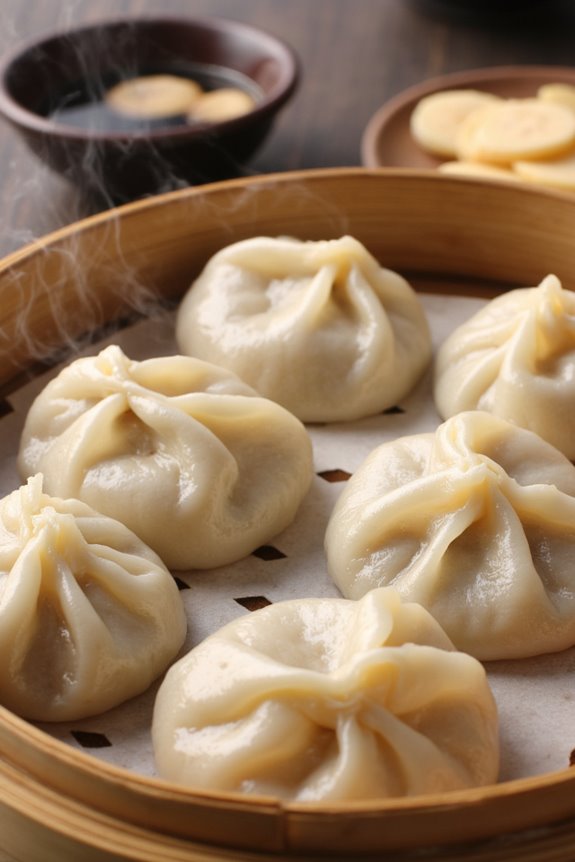
Xiao Long Bao, also known as soup dumplings, are a beloved delicacy hailing from the Jiangnan region of China, particularly Shanghai. These delicate dumplings are known for their thin, translucent skin that encases a flavorful broth and minced meat filling. When prepared correctly, they’re steamed to perfection, resulting in a delightful burst of savory liquid with each bite. The process of making Xiao Long Bao requires a bit of technique and patience, but the end result is well worth the effort.
To create authentic Xiao Long Bao, you’ll need to prepare both the dough and the filling. The dough must be kneaded to achieve the right texture, while the filling is infused with a rich broth that solidifies when chilled. Once assembled, these dumplings are steamed until they’re tender and juicy, making them a perfect addition to any dim sum spread. Serve them with a soy-vinegar dip for an extra touch of flavor that complements the rich broth.
Ingredients (Serves 4-6)
- 2 cups all-purpose flour
- ¾ cup hot water
- 1 tablespoon vegetable oil
- 1 pound ground pork (preferably with some fat)
- 2 tablespoons ginger, minced
- 2 tablespoons scallions, finely chopped
- ¼ cup soy sauce
- 2 tablespoons rice wine
- 1 tablespoon sesame oil
- 1 tablespoon sugar
- 1 teaspoon salt
- 1 cup chicken stock (cooled and gelatinized)
- Cornstarch for dusting
- Dipping sauce (soy sauce, black vinegar, and sliced ginger)
Cooking Instructions
- Make the Dough: In a mixing bowl, combine the all-purpose flour and hot water. Stir with chopsticks or a wooden spoon until the mixture is combined. Once it’s cool enough to handle, knead the dough on a floured surface until it becomes smooth and elastic. Cover the dough with a damp cloth and let it rest for at least 30 minutes.
- Prepare the Filling: In a large bowl, mix the ground pork, minced ginger, chopped scallions, soy sauce, rice wine, sesame oil, sugar, and salt. Combine thoroughly until the mixture is sticky. Then, fold in the cooled gelatinized chicken stock until the filling is well blended. This will create the soup inside the dumplings.
- Roll Out the Dough: After resting, divide the dough into small pieces (about 20-25). Roll each piece into a ball, then flatten it into a round disc on a lightly floured surface. Use a rolling pin to create a thin wrapper, making sure the edges are thinner than the center.
- Fill the Dumplings: Place a teaspoon of the filling in the center of each wrapper. Carefully pinch the edges together to seal the dumpling, creating pleats. Make sure to leave a small opening at the top if desired, which will allow steam to escape while cooking.
- Steam the Dumplings: Prepare a steamer lined with parchment paper or cabbage leaves to prevent sticking. Arrange the dumplings in the steamer, ensuring they aren’t touching. Steam over boiling water for about 8-10 minutes, or until the dumplings are cooked through and the skin is translucent.
- Serve: Carefully remove the dumplings from the steamer and serve them hot with your choice of dipping sauce. Enjoy the burst of flavor as you take your first bite!
Extra Tips
When making Xiao Long Bao, it’s essential to ascertain that the filling is well-seasoned and that the broth is chilled enough to solidify, creating the signature soup. Be gentle when handling the dumpling wrappers, as they can tear easily if rolled too thinly.
Practice makes perfect, so don’t worry if your first few dumplings aren’t perfect; the taste will still be incredible! Always serve the dumplings immediately after steaming for the best experience, and consider preparing a few extra as they tend to disappear quickly!
Lo Mai Gai (Sticky Rice in Lotus Leaf)
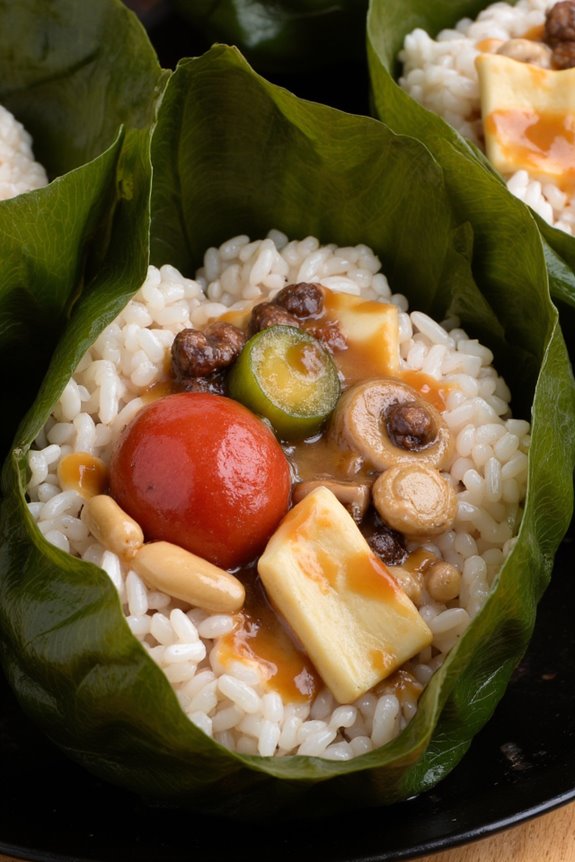
Lo Mai Gai is a delightful dim sum dish that features glutinous rice filled with savory ingredients, all wrapped in fragrant lotus leaves. This traditional dish hails from Cantonese cuisine and is commonly enjoyed during family gatherings and festive occasions. The sticky rice is steamed to perfection, allowing the flavors of the filling and the aroma of the lotus leaves to meld beautifully.
This dish not only pleases the palate but also provides a visual feast, making it a popular choice for dim sum enthusiasts. Making Lo Mai Gai involves some preparation and patience, but the result is well worth the effort. The combination of textures and flavors from the tender rice, succulent meat, and the aromatic lotus leaves creates an unforgettable culinary experience.
Whether you’re serving it at a special occasion or simply enjoying it as a weekend treat, this dish is sure to impress family and friends alike.
Ingredients (Serves 4-6)
- 2 cups glutinous rice
- 4 dried lotus leaves
- 1 cup diced chicken thigh (or pork)
- 4 dried shiitake mushrooms, soaked and diced
- 1/2 cup Chinese sausage, diced
- 1/4 cup diced water chestnuts
- 1/4 cup green onions, chopped
- 2 tablespoons soy sauce
- 1 tablespoon oyster sauce
- 1 tablespoon sesame oil
- 1 teaspoon five-spice powder
- Salt and pepper to taste
- Water (for soaking and steaming)
Cooking Instructions
- Soak the Rice: Start by rinsing the glutinous rice under cold water until the water runs clear. After rinsing, soak the rice in water for 4-6 hours or overnight. This step is essential for achieving the perfect sticky texture.
- Prepare the Lotus Leaves: While the rice is soaking, soak the dried lotus leaves in warm water for at least 30 minutes until they become soft and pliable. Once softened, drain and pat them dry. If the leaves are very large, you may cut them into smaller pieces.
- Prepare the Filling: In a mixing bowl, combine the diced chicken (or pork), shiitake mushrooms, Chinese sausage, water chestnuts, and green onions. Add the soy sauce, oyster sauce, sesame oil, five-spice powder, salt, and pepper. Mix well to confirm all ingredients are evenly coated with the sauce.
- Combine Rice and Filling: Once the glutinous rice has soaked, drain it well. In a large mixing bowl, gently fold the soaked rice into the prepared filling mixture until well combined.
- Assemble the Wraps: Lay out the lotus leaves, shiny side down. Place a portion of the rice and filling mixture in the center of each leaf. Fold the sides of the leaf over the filling, then roll it up tightly like a burrito, securing it with kitchen twine if necessary. Repeat this process for all portions.
- Steam the Wraps: Prepare a bamboo steamer or a steaming rack in a large pot. Place the wrapped packets in the steamer, making sure they aren’t overcrowded. Fill the pot with water, cover, and steam over medium heat for about 30-40 minutes. Check occasionally to confirm there’s enough water in the pot.
- Serve: Once cooked, carefully remove the lotus leaf wraps from the steamer. Allow them to cool for a few minutes before unwrapping. Serve warm, and enjoy the fragrant and flavorful sticky rice dishes.
Extra Tips
When making Lo Mai Gai, be sure to adjust the seasoning to your taste, especially with the soy sauce and oyster sauce, as different brands can vary in saltiness.
Additionally, you can experiment with different fillings, such as adding vegetables or using different types of meat, to customize the dish to your preference. Finally, the lotus leaves not only impart a lovely aroma but also help keep the rice moist, so don’t skip this important step!
Dan Tat (Custard Tarts)

Dan Tat, also known as custard tarts, is a beloved dim sum delicacy that has captured the hearts and taste buds of many. Originating from the culinary traditions of Cantonese cuisine, these tarts are characterized by their flaky pastry shells and smooth, sweet custard filling. They’re often enjoyed as a dessert or a delightful treat during tea time.
With their rich buttery flavor and creamy texture, Dan Tat is a must-try for anyone looking to explore the world of dim sum.
Making Dan Tat at home may seem intimidating, but with a little patience and practice, you can create these delicious tarts in your own kitchen. The key to a successful Dan Tat lies in the pastry crust and the custard filling. The pastry should be light and flaky, while the custard should be velvety and sweet, striking the perfect balance.
This recipe will guide you through the process, guaranteeing you end up with a tray of delectable custard tarts that are sure to impress your family and friends.
Ingredients (Serves 4-6)
- 1 ½ cups all-purpose flour
- ½ cup unsalted butter, softened
- ¼ cup powdered sugar
- 1 large egg, beaten
- ¼ teaspoon salt
- ½ cup milk
- ½ cup granulated sugar
- 2 large eggs
- 1 teaspoon vanilla extract
- 1 tablespoon cornstarch
Cooking Instructions
1. Prepare the Pastry Dough****: In a large mixing bowl, combine the all-purpose flour, softened butter, powdered sugar, beaten egg, and salt. Mix the ingredients until they form a crumbly texture.
Then, knead the dough gently until it comes together. Wrap the dough in plastic wrap and refrigerate for at least 30 minutes to let it firm up.
2. Roll Out the Dough: Once the dough has chilled, flour a clean surface and Roll Out the Dough to about 1/8-inch thickness. Use a round cutter to cut out circles that are slightly larger than your tart molds.
Gently press the dough into the molds, making sure there are no air bubbles.
3. Pre-bake the Tart Shells: Preheat your oven to 375°F (190°C). Place the filled tart molds on a baking sheet and bake them for about 10-12 minutes or until they’re lightly golden.
Remove them from the oven and allow them to cool slightly.
4. Make the Custard Filling: In a medium mixing bowl, whisk together the milk, granulated sugar, eggs, vanilla extract, and cornstarch until smooth.
Make sure there are no lumps in the mixture. Strain the custard through a fine mesh sieve to guarantee a silky texture.
5. Fill the Tart Shells: Pour the custard filling into each pre-baked tart shell, filling them about ¾ full.
Be careful not to overfill, as the custard will expand while baking.
6. Bake the Custard Tarts: Return the tarts to the oven and bake for an additional 15-20 minutes, or until the custard is set and slightly wobbly in the center.
Keep a close eye on them to avoid overbaking.
7. Cool and Serve****: Once baked, remove the tarts from the oven and allow them to cool in the molds for about 10 minutes before gently removing them.
Serve warm or at room temperature, and enjoy your delicious Dan Tat!
Extra Tips
When making Dan Tat, using cold butter for the pastry will help achieve a flaky texture.
Additionally, make sure to strain the custard mixture for a smoother finish. If you want to experiment with flavors, consider adding a splash of almond extract or a hint of lemon zest to the custard for a unique twist.
Enjoy your homemade Dan Tat with a cup of tea for an authentic dim sum experience!
Jiaozi (Chinese Dumplings)
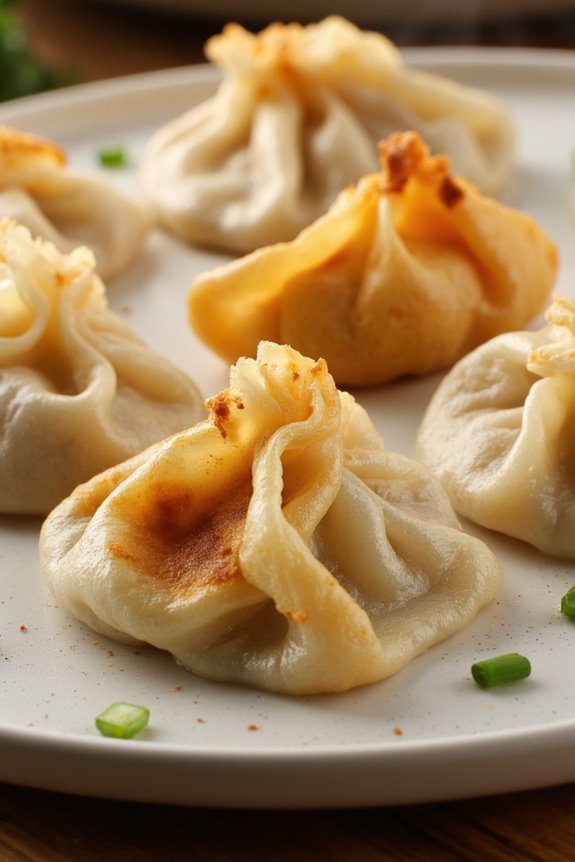
Jiaozi, also known as Chinese dumplings, are a beloved staple in Chinese cuisine, celebrated for their delightful combination of flavors and textures. These dumplings can be boiled, steamed, or pan-fried and are often filled with a mixture of ground meat and vegetables, making them a versatile dish suitable for any meal.
Traditionally enjoyed during the Lunar New Year, they symbolize wealth and prosperity, but they can be made and enjoyed year-round, bringing a taste of authentic Chinese culture to your kitchen.
Making Jiaozi from scratch is a rewarding experience. The dough is typically made from just flour and water, while the filling can be customized to suit your taste preferences. Whether you prefer pork, chicken, shrimp, or a vegetarian option, the possibilities are endless.
Once filled, these dumplings can be cooked quickly, making them perfect for busy weeknight dinners or special occasions with family and friends. Let’s explore how to create this delightful dish!
Ingredients (Serves 4-6 People)
- 2 cups all-purpose flour
- 1/2 cup water (plus more as needed for dough)
- 1/2 pound ground pork (or chicken/shrimp)
- 1/2 cup finely chopped napa cabbage
- 1/4 cup chopped green onions
- 1 tablespoon soy sauce
- 1 tablespoon sesame oil
- 1 teaspoon grated ginger
- 1 garlic clove, minced
- Salt and pepper to taste
- Vegetable oil (for pan-frying, if desired)
Cooking Instructions
1. Make the Dough: In a mixing bowl, combine the all-purpose flour with 1/2 cup of water. Stir until a shaggy dough forms. Knead the dough on a floured surface for about 5-7 minutes until it becomes smooth and elastic.
Cover with a damp cloth or plastic wrap and let it rest for at least 30 minutes. This resting period helps the gluten develop, making the dough easier to work with.
2. Prepare the Filling: While the dough is resting, mix the ground meat (pork, chicken, or shrimp) in a large bowl with the chopped napa cabbage, green onions, soy sauce, sesame oil, ginger, garlic, salt, and pepper.
Make sure all the ingredients are well combined, as this will guarantee you have a flavorful filling.
3. Roll Out the Dough: After resting, divide the dough into small pieces (about the size of a golf ball). Roll each piece into a thin circle, about 3 inches in diameter, on a floured surface.
Keep the rolled-out wrappers covered with a damp cloth to prevent them from drying out.
4. Fill the Dumplings: Place a teaspoon of filling in the center of each wrapper. Be careful not to overfill, as this can cause the dumplings to burst during cooking.
Moisten the edges of the wrapper with a little water, then fold it in half to form a crescent shape. Pinch the edges together to seal, making sure there are no air pockets. You can pleat the edges for an attractive finish if desired.
5. Cook the Dumplings: To cook, you can either boil, steam, or pan-fry the dumplings. For boiling, bring a large pot of water to a boil, add the dumplings, and cook for about 5-7 minutes until they float to the top.
For steaming, place them in a steamer basket lined with parchment paper and steam for about 10-12 minutes. For pan-frying, heat a tablespoon of vegetable oil in a skillet over medium heat, add the dumplings, and cook until the bottoms are golden brown.
Then add water to the skillet (enough to cover the bottom) and cover to steam for about 5 minutes.
6. Serve: Once cooked, Serve the Jiaozi hot with soy sauce or your favorite dipping sauce. Enjoy them as an appetizer or as part of a larger meal.
Extra Tips
When making Jiaozi, feel free to experiment with the filling ingredients based on your preferences or what you have on hand. For a vegetarian option, substitute the meat with mushrooms, tofu, or a mix of your favorite vegetables.
Additionally, make sure to seal the dumplings tightly to prevent any filling from leaking out during cooking. If you have leftover dumplings, they freeze well—just place them in a single layer on a baking sheet to freeze, then transfer to a freezer bag for later use.
Enjoy your cooking adventure with these delicious dumplings!
Turnip Cake
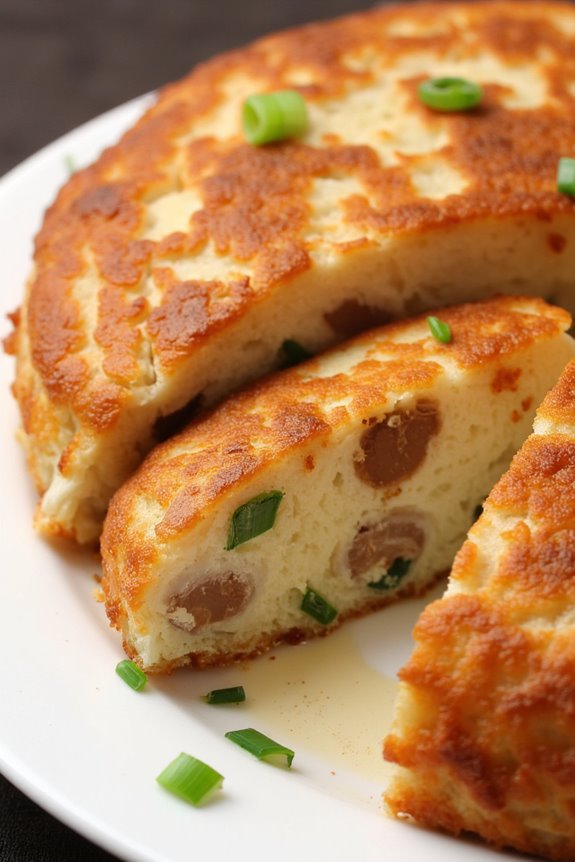
Turnip Cake, also known as “Lo Bak Go,” is a traditional Cantonese dim sum dish made primarily from grated daikon radish and rice flour. This savory cake is steamed to perfection and can be served sliced and pan-fried for a delightful crispy exterior.
It’s a beloved dish in Chinese cuisine, often enjoyed during celebrations and special gatherings, making it a fantastic addition to any dim sum spread. The flavor profile of Turnip Cake can be enhanced with various ingredients such as Chinese sausage, dried shrimp, and scallions, which add an umami kick and depth to the dish.
Whether you’re preparing it for a family meal or a festive occasion, this recipe will guide you through the steps to create a delicious and authentic Turnip Cake that will impress your guests.
Ingredients (Serves 4-6)
- 1 medium daikon radish (about 1 pound), grated
- 1 cup rice flour
- 1/2 cup water
- 1/4 cup dried shrimp, soaked and chopped
- 1/4 cup Chinese sausage (lap Cheong), diced
- 1/4 cup scallions, finely chopped
- 1 teaspoon salt
- 1/2 teaspoon white pepper
- 1 tablespoon vegetable oil (for greasing)
Cooking Instructions
1. Prepare the Daikon Radish: Peel the daikon radish and grate it using a box grater or food processor. Once grated, place the daikon in a large bowl and sprinkle with salt. Let it sit for about 15-20 minutes to draw out excess moisture.
Afterward, squeeze the grated radish to remove any remaining water.
2. Combine Ingredients: In a large mixing bowl, combine the grated daikon, rice flour, water, dried shrimp, Chinese sausage, scallions, and white pepper. Mix thoroughly until the ingredients are well incorporated and form a thick batter.
3. Prepare the Steaming Dish: Lightly grease a round cake pan or a heatproof dish with vegetable oil to prevent sticking. Pour the mixture into the prepared pan, spreading it evenly with a spatula.
4. Steam the Cake: Fill a steamer pot with water and bring it to a boil. Carefully place the cake pan into the steamer, cover, and steam on medium heat for about 45-60 minutes, or until the cake is set and a toothpick inserted in the center comes out clean.
5. Cool and Slice: After steaming, remove the pan from the steamer and let the cake cool for about 10-15 minutes. Once cooled, carefully remove the cake from the pan and slice it into even pieces.
6. Pan-Fry (Optional): For a crispy texture, heat a bit of vegetable oil in a skillet over medium heat. Add the sliced turnip cake to the skillet and pan-fry each side until golden brown, about 3-4 minutes per side.
Extra Tips
When making Turnip Cake, feel free to customize the ingredients based on your preferences. You can add mushrooms, carrots, or other vegetables to enhance the flavor and nutrition.
For a more pronounced taste, consider using more dried shrimp or Chinese sausage. Additionally, make certain you squeeze out as much moisture as possible from the grated radish to achieve the perfect texture.
Serve your Turnip Cake with soy sauce or chili oil for dipping, and enjoy a delightful culinary experience!
Fried Tofu Puffs
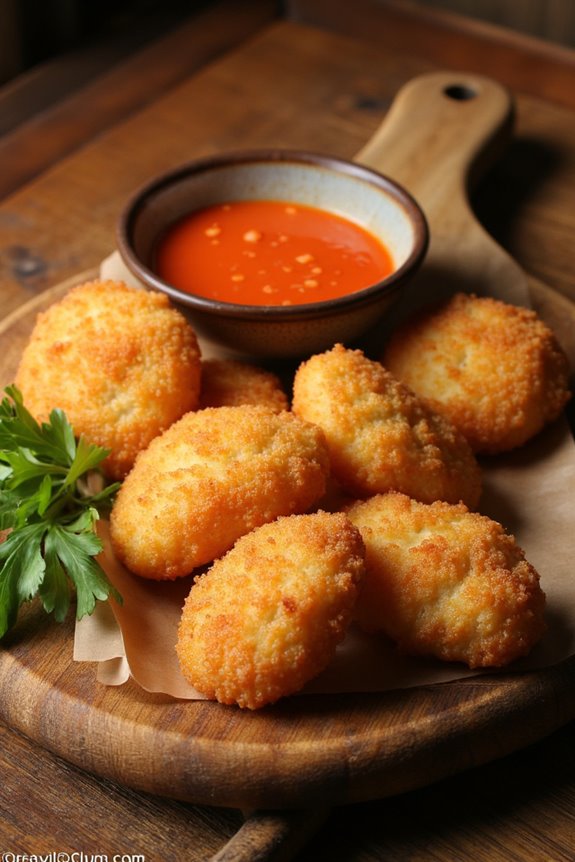
Fried Tofu Puffs are a delightful dim sum treat that offers a crispy exterior and a soft, flavorful interior. These delectable bites are made from firm tofu that’s marinated, then expertly fried to create a delightful contrast in textures. They’re perfect as an appetizer or a snack, often served with a sweet and spicy dipping sauce that enhances their savory flavor. Not only are they delicious, but they’re also a great vegetarian option that can impress even the most discerning palates.
The preparation of Fried Tofu Puffs is relatively simple, but the key lies in getting the tofu puffs to be perfectly crispy on the outside while maintaining a tender interior. The dish can be customized with various herbs and spices to suit your taste. Once you’ve mastered this recipe, you can easily adapt it by adding different fillings or dipping sauces to create a unique culinary experience.
Whether you’re hosting a dim sum gathering or simply enjoying a cozy night at home, these Fried Tofu Puffs are sure to be a hit.
Ingredients (serving size: 4-6 people)
- 1 block (14 oz) firm tofu
- 1 tablespoon soy sauce
- 1 tablespoon sesame oil
- 1 teaspoon cornstarch
- 1/2 teaspoon garlic powder
- 1/2 teaspoon ground ginger
- Salt and pepper, to taste
- 1 cup vegetable oil (for frying)
- 1/4 cup cornstarch (for coating)
Cooking Instructions
- Prepare the Tofu: Begin by pressing the firm tofu to remove excess moisture. Wrap the tofu block in a clean kitchen towel or paper towels, and place a heavy object on top (like a cast iron skillet) for about 30 minutes. This step helps to achieve a firmer texture and allows the tofu to absorb the marinade better.
- Marinate the Tofu: Once the tofu has been pressed, cut it into bite-sized cubes. In a mixing bowl, combine soy sauce, sesame oil, cornstarch, garlic powder, ground ginger, salt, and pepper. Toss the tofu cubes in the marinade until evenly coated. Allow it to marinate for at least 15 minutes to infuse the flavors.
- Coat the Tofu: After marinating, remove the tofu cubes from the bowl and place them in a shallow dish with 1/4 cup of cornstarch. Gently toss the cubes until they’re fully coated with cornstarch. This step is essential for achieving that crispy texture once fried.
- Heat the Oil: In a large frying pan or wok, pour in the vegetable oil and heat it over medium-high heat. To check if the oil is hot enough, drop a small piece of tofu into the oil; if it sizzles immediately, the oil is ready for frying.
- Fry the Tofu: Carefully add the coated tofu cubes to the hot oil in batches, ensuring not to overcrowd the pan. Fry them for about 3-4 minutes on each side or until they’re golden brown and crispy. Use a slotted spoon to turn them gently for even cooking.
- Drain and Serve: Once the tofu puffs are crispy, remove them from the oil and place them on a plate lined with paper towels to drain excess oil. Serve the Fried Tofu Puffs warm with your favorite dipping sauce, such as sweet chili sauce or soy sauce mixed with vinegar.
Extra Tips
When making Fried Tofu Puffs, consider experimenting with different marinades or adding fresh herbs like cilantro or green onions for added flavor. For an even crunchier texture, you can double-coat the tofu by dipping it back into the marinade and then into cornstarch again before frying.
Additionally, make sure to maintain the oil temperature while frying by adjusting the heat as necessary to avoid soggy tofu. Enjoy your culinary adventure with this delightful dim sum dish!
Sesame Balls
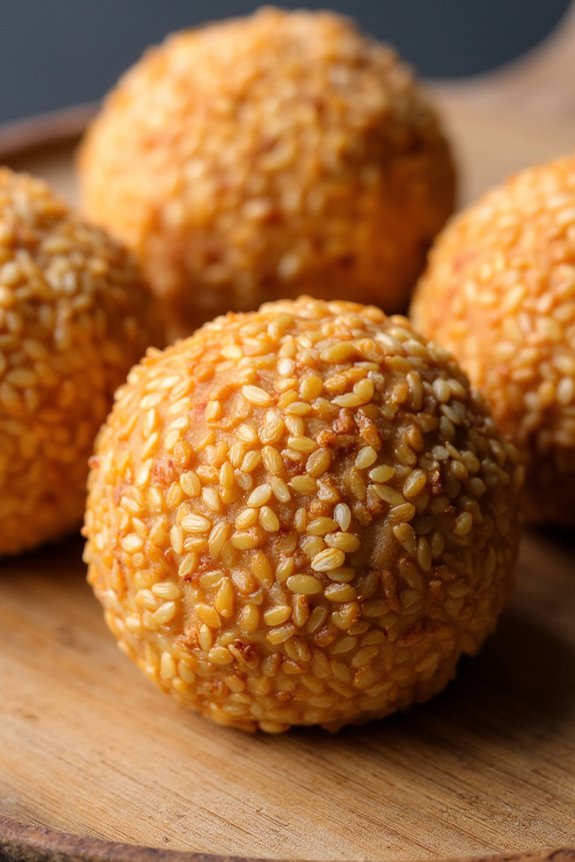
Sesame Balls, also known as “Jian Dui,” are a beloved Chinese dim sum treat that are as delightful to eat as they’re to make. These deep-fried pastries are filled with sweet red bean paste and coated with a crunchy layer of sesame seeds, creating a perfect contrast in textures. When cooked to golden perfection, they offer a warm, chewy center that pairs beautifully with the crispy exterior.
Perfect for sharing at gatherings or enjoying as a special dessert, Sesame Balls are a classic representation of traditional Chinese cuisine.
The process of making Sesame Balls may seem intimidating at first, but with a little patience and practice, you’ll be able to whip up these delicious treats at home. The key to success lies in achieving the right dough consistency and frying them at the appropriate temperature to guarantee they’re cooked evenly.
So, roll up your sleeves and get ready to start a culinary adventure that’s sure to impress friends and family alike!
Ingredients (Serves 4-6):
- 1 cup glutinous rice flour
- 1/4 cup sugar
- 1/4 cup water
- 1/2 cup red bean paste (sweetened)
- 1/2 cup sesame seeds
- Vegetable oil (for deep frying)
- A pinch of salt
Cooking Instructions:
- Prepare the Dough: In a mixing bowl, combine the glutinous rice flour, sugar, and a pinch of salt. Gradually add water and mix until a smooth dough forms. The dough should be pliable but not sticky. If it’s too dry, add a little more water; if too wet, add a bit more flour.
- Divide the Dough: Once the dough is ready, divide it into small portions, about the size of a golf ball. Roll each portion into a smooth ball and then flatten it slightly into a disc shape.
- Fill the Dough: Place about a teaspoon of red bean paste in the center of each disc. Carefully fold the edges over the filling and pinch to seal, rolling it back into a ball shape. Guarantee that the filling is completely enclosed and there are no cracks.
- Coat with Sesame Seeds: Roll each filled ball in a plate of sesame seeds, guaranteeing they’re evenly coated. This will form the crunchy outer layer once fried.
- Heat the Oil: In a deep pan or pot, heat vegetable oil over medium heat. The oil should be deep enough to submerge the sesame balls. To check if the oil is hot enough, drop a small piece of dough in; it should sizzle and rise to the surface.
- Fry the Sesame Balls: Carefully place a few sesame balls in the hot oil, making sure not to overcrowd the pan. Fry them for about 3-4 minutes, turning occasionally until they’re golden brown and crispy. Remove them with a slotted spoon and drain on paper towels.
- Serve: Allow the sesame balls to cool slightly before serving. They’re best enjoyed warm, and you can serve them as is or with a side of sweetened condensed milk for dipping.
Extra Tips:
When making Sesame Balls, it’s important to maintain the right oil temperature; if it’s too hot, the outside will cook too quickly while the inside remains raw. If it’s not hot enough, the balls will absorb too much oil and become greasy.
Additionally, feel free to experiment with different fillings, such as lotus seed paste or even chocolate, to customize your Sesame Balls to your taste preferences. Enjoy your cooking!
Coconut Buns
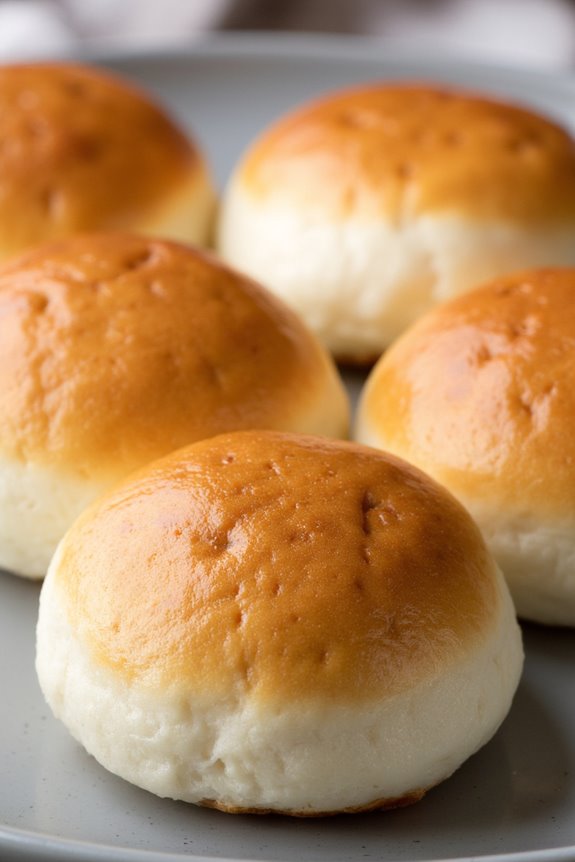
Coconut buns, known as “Nai Wong Bao” or “Coconut Cream Buns,” are a delightful addition to any dim sum spread. These sweet, fluffy buns are filled with a rich coconut cream filling that tantalizes the taste buds. The combination of the soft, pillowy dough and the sweet, creamy center makes these buns an irresistible treat.
They’re perfect for brunch gatherings or as a sweet snack to enjoy anytime. Making coconut buns isn’t as complicated as it may seem. With a little bit of patience and the right ingredients, you can create these delectable treats in the comfort of your own kitchen.
The process involves preparing a fluffy dough, allowing it to rise, and then filling it with a luscious coconut mixture before steaming to perfection. These buns are sure to impress your family and friends!
Ingredients (serving size: 4-6 people)
- 2 cups all-purpose flour
- 1/4 cup granulated sugar
- 1 teaspoon baking powder
- 1/2 teaspoon salt
- 1/2 cup warm milk
- 2 tablespoons unsalted butter, melted
- 1 teaspoon active dry yeast
- 1/2 cup shredded coconut (sweetened or unsweetened)
- 1/4 cup coconut cream
- 1 egg (for egg wash)
Cooking Instructions
1. Prepare the Dough: In a large mixing bowl, combine the flour, sugar, baking powder, and salt. In a separate bowl, mix the warm milk and melted butter. Sprinkle the active dry yeast over the milk mixture and let it sit for about 5 minutes until it becomes frothy.
Once ready, pour the milk mixture into the dry ingredients and mix until a dough forms.
2. Knead the Dough: Transfer the dough onto a lightly floured surface and knead for about 8-10 minutes until it becomes smooth and elastic. You might need to sprinkle a bit more flour if the dough is too sticky. Once done, shape the dough into a ball.
3. First Rise: Place the kneaded dough in a greased bowl, cover it with a clean kitchen towel or plastic wrap, and let it rise in a warm place for about 1 hour or until it has doubled in size.
4. Prepare the Filling: While the dough is rising, prepare the coconut filling. In a bowl, mix the shredded coconut and coconut cream until well combined. Adjust the sweetness to your liking by adding a little sugar if desired.
5. Shape the Buns: Once the dough has risen, punch it down to release the air. Divide the dough into 12 equal pieces. Take one piece of dough, flatten it into a circle, and place about 1 tablespoon of the coconut filling in the center. Gather the edges of the dough over the filling and pinch to seal.
Repeat with the remaining dough pieces.
6. Second Rise: Place the filled buns on a parchment-lined steamer basket. Cover them with a towel and let them rise for another 30 minutes.
7. Steam the Buns: Fill a pot or wok with water and bring it to a boil. Once boiling, reduce the heat to a simmer and place the steamer basket with the buns over the pot. Cover and steam for about 15-20 minutes, or until the buns are fluffy and cooked through.
8. Serve: Carefully remove the buns from the steamer and let them cool slightly before serving. Brush the tops with a beaten egg for a glossy finish, if desired.
Extra Tips
When making coconut buns, verify that your yeast is fresh for a good rise. If you want to add an extra layer of flavor, consider mixing a bit of vanilla extract into the coconut filling or adding a pinch of salt.
For a more aromatic experience, you can steam the buns over water infused with pandan leaves or coconut milk. Finally, serve these buns warm for the best texture and flavor, and feel free to experiment with different fillings, such as red bean paste or chocolate, for a unique twist!
