

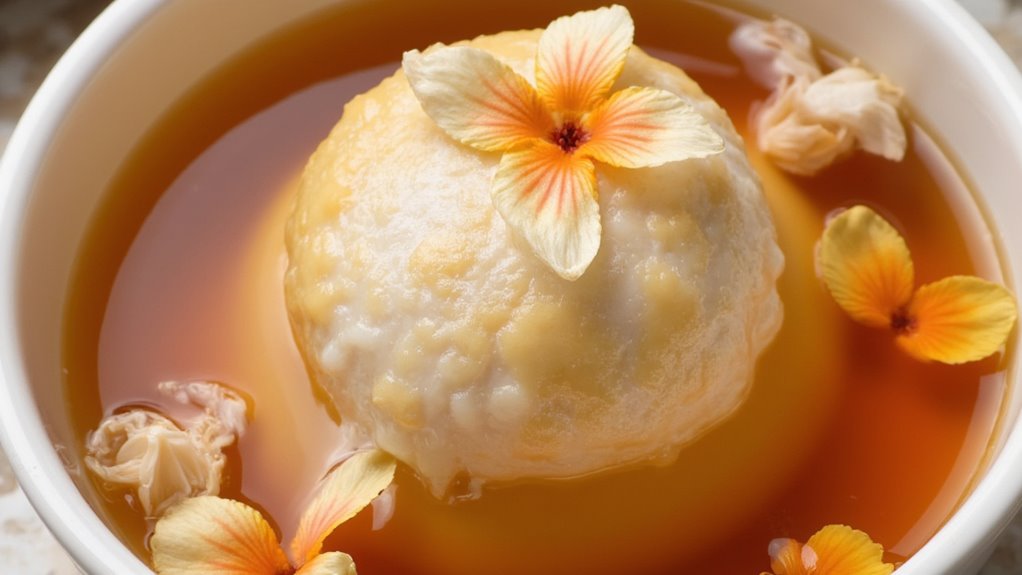
As the Chinese New Year approaches, it’s time to embrace the vibrant flavors and rich traditions of this festive season. Each dish carries a story, from the wealth symbolized by dumplings to the sweet promise of Nian Gao. These recipes not only satisfy our appetites but also bring families together in celebration. Are you curious about which dishes you can prepare to create unforgettable moments? Let’s explore these delightful options together.
Dumplings: A Symbol of Wealth
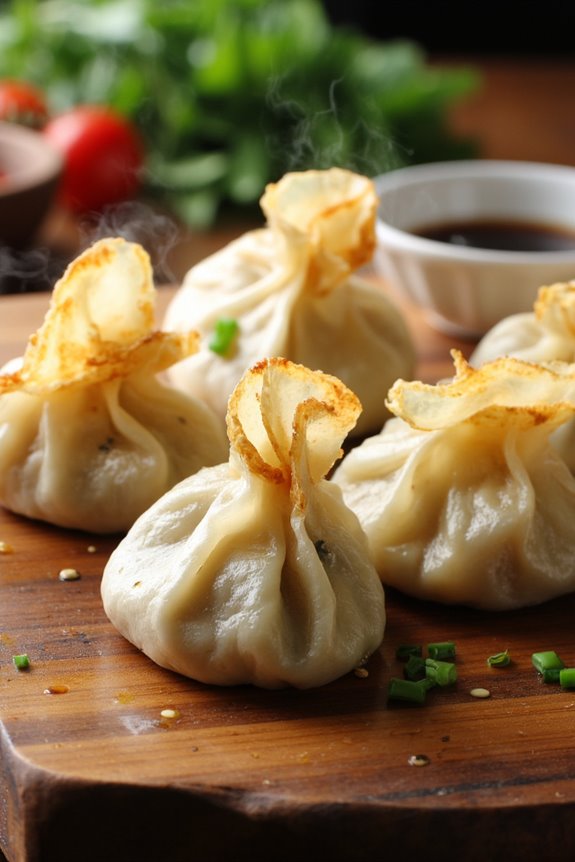
Dumplings, known as “jiaozi” in Chinese, are a traditional delicacy enjoyed during the Chinese New Year celebrations. They’re shaped like ancient gold or silver ingots, symbolizing wealth and prosperity for the coming year. Making dumplings can be a delightful family activity, allowing loved ones to gather and bond over the preparation of this beloved dish.
With their savory fillings and tender wrappers, dumplings aren’t only delicious but also a representation of unity and good fortune. The beauty of dumplings lies in their versatility; they can be filled with various ingredients including meats, vegetables, and even seafood. While the most common fillings include ground pork with chives or shrimp with cabbage, you can experiment with flavors to suit your taste.
In this recipe, we’ll prepare classic pork and cabbage dumplings, which are sure to bring joy and prosperity to your New Year festivities.
Ingredients (serving size: 4-6 people):
- 2 cups all-purpose flour
- 1/2 cup water (plus extra if needed)
- 1/2 pound ground pork
- 1 cup finely chopped Napa cabbage
- 2 green onions, finely chopped
- 2 tablespoons soy sauce
- 1 tablespoon sesame oil
- 1 teaspoon ginger, minced
- 1 clove garlic, minced
- Salt and pepper to taste
- Vegetable oil (for frying, if pan-frying)
Cooking Instructions:
- Prepare the Dough: In a mixing bowl, combine the all-purpose flour with water. Stir until a rough dough forms. Knead the dough on a lightly floured surface for about 5-7 minutes until smooth and elastic. Cover the dough with a damp cloth and let it rest for at least 30 minutes. This resting period allows the gluten to relax, making it easier to roll out later.
- Make the Filling: In a large bowl, combine the ground pork, chopped Napa cabbage, green onions, soy sauce, sesame oil, ginger, garlic, salt, and pepper. Mix well until all the ingredients are evenly incorporated. Taste the filling and adjust the seasoning if necessary.
- Roll Out the Dough: After resting, divide the dough into small pieces (about the size of a golf ball). Roll each piece into a thin circle, approximately 3 inches in diameter. Keep the circles covered with the damp cloth to prevent drying out as you work.
- Fill the Dumplings: Place about 1 tablespoon of the filling in the center of each dough circle. Be careful not to overfill. Moisten the edges of the dough with a little water and fold the dumpling in half, pinching the edges tightly to seal. You can also create pleats for a decorative touch.
- Cook the Dumplings: You can choose to either steam or pan-fry the dumplings. To steam, place them in a steamer basket lined with parchment paper and steam for about 15 minutes. For pan-frying, heat a tablespoon of vegetable oil in a skillet over medium heat. Add the dumplings and fry until the bottoms are golden brown. Then, add a bit of water (about 1/4 cup), cover, and let them steam for another 5-7 minutes until cooked through.
- Serve: Once cooked, remove the dumplings from the steamer or skillet and serve them hot with dipping sauce, such as soy sauce mixed with vinegar and chili oil.
Extra Tips: When making dumplings, make certain that your filling is well-seasoned as the dough itself is quite neutral in flavor. You can also prepare dumplings in advance and freeze them before cooking; just make sure to separate them on a tray to prevent sticking.
When you’re ready to cook them, there’s no need to thaw; simply cook them for a few extra minutes. Enjoy experimenting with different fillings, and don’t hesitate to get creative!
Nian Gao: Sticky Rice Cake for Prosperity
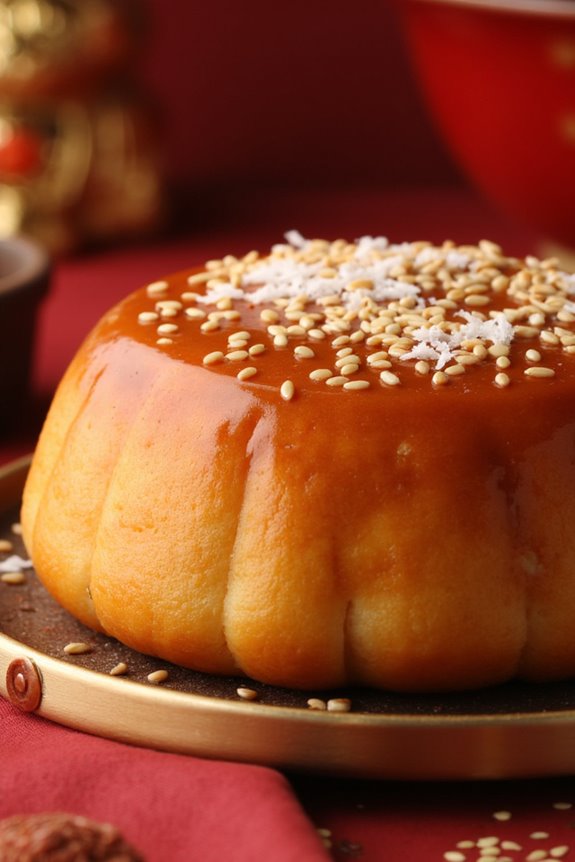
Nian Gao, or sticky rice cake, is a traditional Chinese delicacy often enjoyed during the Lunar New Year. This dish symbolizes growth, progress, and the promise of prosperity in the coming year. Made primarily from glutinous rice flour and water, Nian Gao can be steamed or pan-fried and is often enjoyed in both sweet and savory forms. The cake’s chewy texture and delightful flavor make it a favorite among many families during the festive season.
This versatile dish can be served plain or with various fillings, such as red bean paste, coconut, or even savory ingredients like mushrooms and vegetables. The preparation of Nian Gao can be an enjoyable family activity, where everyone can contribute to mixing, molding, and cooking the cake together.
Whether you’re celebrating the New Year or simply craving a comforting treat, Nian Gao is sure to bring joy and good fortune to your table.
Ingredients (serving size of 4-6 people):
- 2 cups glutinous rice flour
- 1 cup water
- 1 cup brown sugar (or to taste)
- 1 cup coconut milk (optional for a richer flavor)
- 1/4 teaspoon salt
- Vegetable oil (for greasing)
- Optional toppings: shredded coconut, sesame seeds, or red bean paste
Cooking Instructions:
- Prepare the Steamer: Fill a large pot with water and bring it to a boil. Set up a steamer basket or a heatproof dish that can fit inside the pot. Line the basket or dish with parchment paper to prevent sticking.
- Mix the Ingredients: In a large mixing bowl, combine the glutinous rice flour, brown sugar, and salt. Gradually add water and coconut milk (if using), stirring continuously until you have a smooth batter with no lumps.
- Grease the Dish: Lightly grease the steamer basket or dish with vegetable oil to prevent the Nian Gao from sticking. This step is essential for guaranteeing that the cake can be easily removed after cooking.
- Pour the Mixture: Pour the prepared batter into the greased steamer basket or dish, spreading it evenly. If you want to add any fillings like red bean paste, swirl them gently into the batter.
- Steam the Cake: Carefully place the steamer basket or dish into the boiling water. Cover with a lid and steam for about 45 minutes to 1 hour, or until the cake is set and a toothpick inserted into the center comes out clean.
- Cool and Serve: Once cooked, remove the steamer from the pot and let the Nian Gao cool for a few minutes. Carefully remove it from the dish and slice it into desired portions. It can be served warm or at room temperature.
Extra Tips:
When making Nian Gao, make sure that you use glutinous rice flour specifically, as it provides the unique sticky texture that defines the cake. If you prefer a sweeter cake, feel free to adjust the amount of brown sugar to taste.
For added flavor, consider incorporating ingredients like pandan leaves or a splash of vanilla into the batter. Finally, leftover Nian Gao can be stored in the refrigerator and pan-fried to create a crispy exterior, making for a delightful treat any time of year!
Sweet and Sour Pork: A Flavorful Favorite
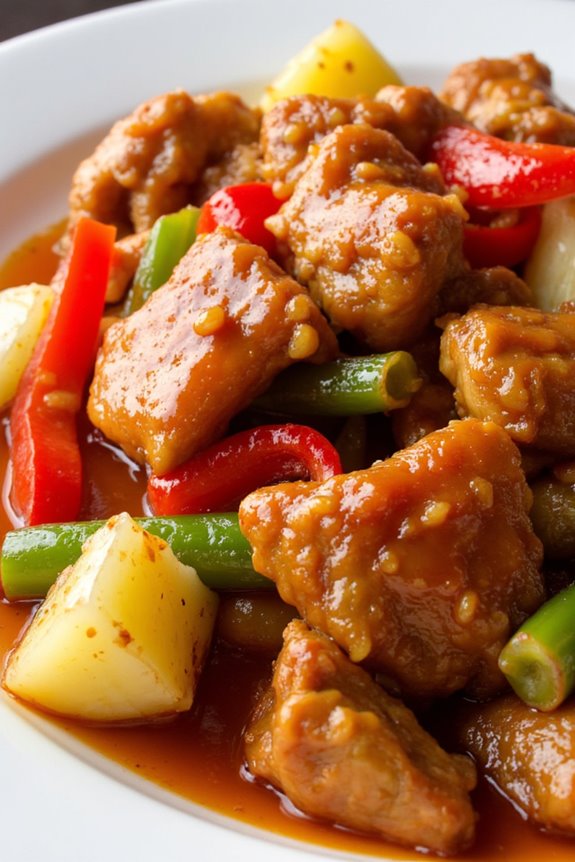
Sweet and Sour Pork is a beloved dish that perfectly balances the tangy and savory flavors, making it a staple in Chinese cuisine. This dish features tender pieces of pork coated in a crispy batter and sautéed with vibrant vegetables, all enveloped in a luscious sweet and sour sauce. It’s a popular choice for family gatherings and celebrations, especially during the festive season of Chinese New Year, where it symbolizes prosperity and happiness.
The beauty of Sweet and Sour Pork lies not just in its flavor but also in its colorful presentation. The dish typically includes bell peppers, pineapple, and onions, which add a delightful crunch and vibrant hues that make the plate visually appealing. Whether served over steamed rice or on its own, this dish is sure to impress your family and friends. Let’s explore the recipe and bring this delicious dish to your table!
Ingredients (Serves 4-6):
- 500g pork tenderloin, sliced into thin strips
- 1 cup all-purpose flour
- 1 egg, beaten
- 1 cup cornstarch
- 1 cup vegetable oil (for frying)
- 1 red bell pepper, chopped
- 1 green bell pepper, chopped
- 1 onion, chopped
- 1 cup pineapple chunks (fresh or canned)
- 3 cloves garlic, minced
- 1 tablespoon ginger, minced
- 1/2 cup ketchup
- 1/4 cup rice vinegar
- 1/4 cup sugar
- 2 tablespoons soy sauce
- 1 tablespoon cornstarch mixed with 2 tablespoons water (slurry for thickening)
- Salt and pepper to taste
Cooking Instructions:
- Prepare the Pork: Begin by slicing the pork tenderloin into thin strips. Season the pork with salt and pepper to taste. This step helps to enhance the flavor of the meat before frying.
- Batter the Pork: In three separate bowls, place the flour, beaten egg, and cornstarch. First, coat each pork strip in flour, then dip it into the beaten egg, and finally coat it with cornstarch. This three-step process guarantees a crispy texture once fried.
- Fry the Pork: In a large skillet or wok, heat the vegetable oil over medium-high heat. Once hot, carefully add the coated pork strips in batches, making sure not to overcrowd the pan. Fry until golden brown and crispy, which should take about 4-5 minutes. Remove the pork and drain on paper towels to absorb excess oil.
- Sauté the Vegetables: In the same skillet, remove excess oil, leaving just a tablespoon. Add the minced garlic and ginger, sautéing for about 30 seconds until fragrant. Then, add the chopped bell peppers, onion, and pineapple chunks. Stir-fry for 2-3 minutes until the vegetables are slightly tender but still crisp.
- Make the Sauce: In a bowl, combine ketchup, rice vinegar, sugar, and soy sauce. Pour this mixture over the sautéed vegetables and stir well to combine. Allow the sauce to simmer for a couple of minutes until it thickens slightly.
- Combine Pork and Sauce: Add the fried pork back into the skillet, tossing well to coat the pork in the sweet and sour sauce. If the sauce needs thickening, add the cornstarch slurry and cook for an additional minute until well combined.
- Serve: Remove from heat and serve the Sweet and Sour Pork hot over steamed rice or on its own, garnished with fresh cilantro or sesame seeds if desired.
Extra Tips:
When preparing Sweet and Sour Pork, make sure the oil is hot enough before frying the pork, as this will help achieve a crispy coating. You can customize the vegetables according to your preference, adding ingredients like snap peas or carrots for more variety.
For a healthier version, consider baking the pork instead of frying, and use less sugar in the sauce. Enjoy experimenting with this delightful recipe and make it your own!
Longevity Noodles: For a Long Life
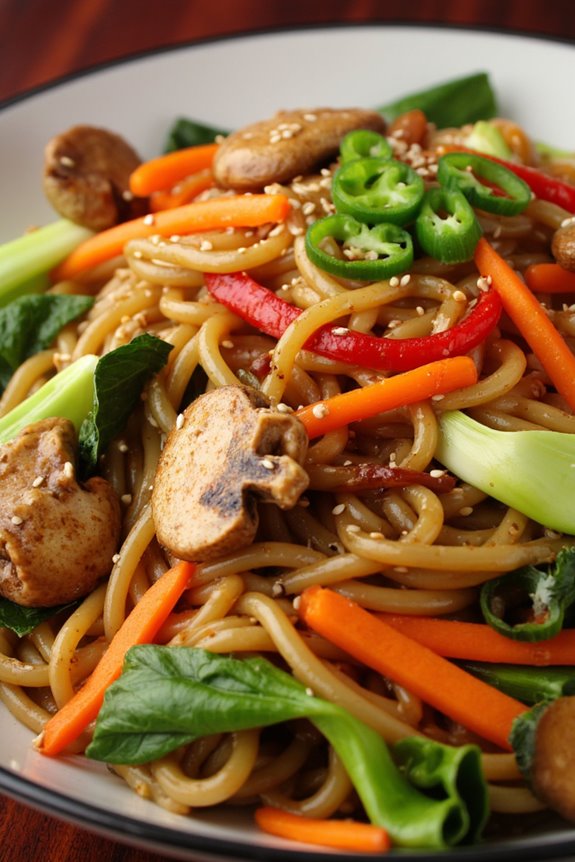
Longevity noodles, known as “Chang Shou Mian” in Chinese, are a timeless dish often served during Chinese New Year celebrations. These long, uncut noodles symbolize a wish for a long life and good fortune in the coming year. Traditionally, they’re served stir-fried or in broth, accompanied by a variety of vegetables and proteins. Making longevity noodles is a delightful way to embrace the festive spirit while also enjoying a delicious meal.
The preparation of longevity noodles is both simple and flexible, allowing for a wide range of ingredients to suit your taste. Whether you prefer a vegetarian version loaded with colorful vegetables or a meatier option with shrimp or chicken, the possibilities are endless. This dish not only fulfills the culinary aspect of the celebration but also brings family and friends together, making it a staple during the Lunar New Year festivities.
Ingredients (Serves 4-6)
- 12 oz longevity noodles (or any long noodles)
- 2 tablespoons vegetable oil
- 1 cup bok choy, chopped
- 1 cup shiitake mushrooms, sliced
- 1 carrot, julienned
- 1 bell pepper, thinly sliced
- 3 green onions, chopped
- 3 cloves garlic, minced
- 1 inch ginger, grated
- 3 tablespoons soy sauce
- 1 tablespoon oyster sauce (optional)
- 1 teaspoon sesame oil
- Salt and pepper to taste
- Sesame seeds for garnish (optional)
Cooking Instructions
- Cook the Noodles: Bring a large pot of water to a boil and add the longevity noodles. Cook according to package instructions until al dente. Once done, drain the noodles and rinse them under cold water to stop the cooking process. This helps to keep them from sticking together.
- Prepare the Vegetables: While the noodles are cooking, wash and chop all the vegetables. Confirm that the bok choy is well-rinsed to remove any dirt, and slice the shiitake mushrooms, carrot, and bell pepper into thin, bite-sized pieces. Mince the garlic and grate the ginger.
- Stir-Frying: In a large wok or skillet, heat the vegetable oil over medium-high heat. Add the minced garlic and grated ginger, stirring quickly to prevent burning. After about 30 seconds, add the chopped bok choy, sliced mushrooms, carrot, and bell pepper to the pan. Stir-fry for about 3-5 minutes until the vegetables start to soften.
- Combine Noodles and Sauce: Add the cooked noodles to the wok with the stir-fried vegetables. Pour in the soy sauce and oyster sauce (if using), and drizzle with sesame oil. Toss everything together gently to combine, making certain the noodles are evenly coated with the sauce and mixed well with the vegetables. Cook for an additional 2-3 minutes until heated through.
- Season and Serve: Taste the noodle mixture and season with salt and pepper as needed. Once everything is well combined and heated, remove from heat. Serve the longevity noodles hot, garnished with chopped green onions and sesame seeds, if desired.
Extra Tips
When cooking longevity noodles, be careful not to overcook them in the boiling water as they can become mushy. Rinsing them with cold water after draining is vital to maintain their texture.
Feel free to customize the dish by adding proteins like chicken, shrimp, or tofu for added flavor and nutritional value. For an extra aromatic touch, consider adding a splash of rice vinegar or a sprinkle of chili flakes for those who enjoy a bit of heat.
Enjoy your cooking and the auspicious wishes that come with this traditional dish!
Peking Duck: A Timeless Classic
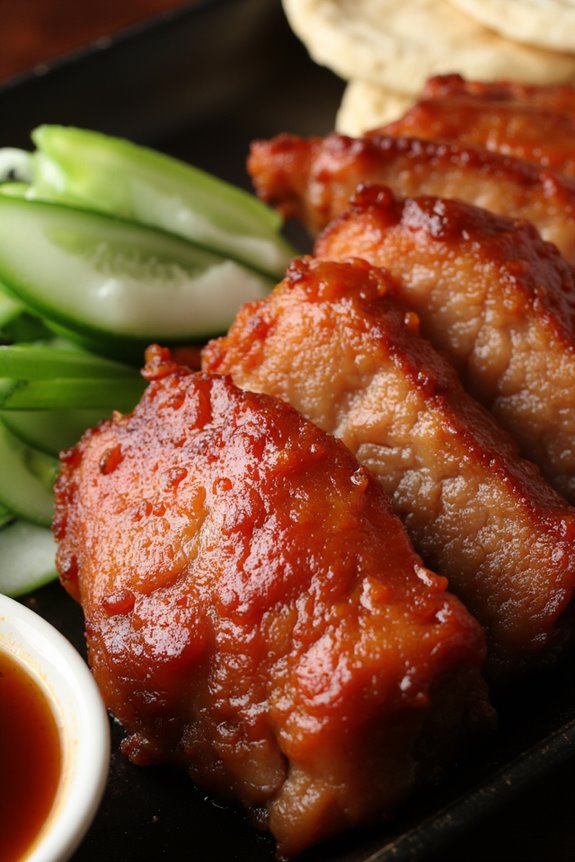
Peking Duck is a celebrated dish in Chinese cuisine, renowned for its crispy skin, succulent meat, and intricate preparation. Originating from Beijing, this dish is often served during festive occasions, including Chinese New Year.
Traditionally, the duck is air-dried and roasted to achieve its characteristic crispy skin, and it’s typically served with thin pancakes, hoisin sauce, and sliced vegetables. The combination of textures and flavors makes Peking Duck a true culinary masterpiece that embodies the richness of Chinese culinary traditions.
To prepare this iconic dish at home, you’ll need to follow a series of steps that involve marinating, drying, and roasting the duck. While it may require some time and patience, the end result is a show-stopping centerpiece that will impress your guests. Enjoy the process of creating this classic dish and savor the rewards during your Chinese New Year celebrations.
Ingredients (serving size: 4-6 people):
- 1 whole duck (approximately 5-6 pounds)
- 2 tablespoons maltose or honey
- 2 tablespoons soy sauce
- 1 tablespoon rice vinegar
- 1 tablespoon five-spice powder
- 2 teaspoons salt
- 1/2 teaspoon black pepper
- 4-6 thin pancakes (Chinese bao or crepes)
- 1 cucumber, julienned
- 4 green onions, julienned
- Hoisin sauce, for serving
Cooking Instructions:
1. Prepare the Duck:
Begin by cleaning the duck thoroughly, removing any excess fat from the cavity. Pat the duck dry with paper towels. This step is essential, as a dry duck skin will yield a crispier result.
2. Marinate the Duck:
In a small bowl, mix together the maltose (or honey), soy sauce, rice vinegar, five-spice powder, salt, and black pepper. Brush this mixture all over the duck, making sure to coat the skin and inside the cavity evenly. Cover and let the duck marinate in the refrigerator for at least 4 hours or overnight for best flavor.
3. Dry the Duck:
After marinating, remove the duck from the refrigerator and place it on a rack set over a roasting pan. Allow the duck to air dry in the refrigerator for at least another 2 hours. This step helps to achieve that signature crispy skin.
4. Roast the Duck:
Preheat your oven to 375°F (190°C). Roast the duck for 1 to 1.5 hours, basting it with the drippings every 20 minutes. The skin should turn a deep golden brown and become crispy. If the duck is browning too quickly, cover it loosely with aluminum foil.
5. Rest and Carve:
Once the duck is fully cooked, remove it from the oven and let it rest for 15-20 minutes. This resting period allows the juices to redistribute. Then, carve the duck into thin slices, focusing on separating the skin from the meat.
6. Serve:
To serve, place a few slices of duck on a pancake, add julienned cucumber and green onions, and drizzle with hoisin sauce. Roll the pancake around the filling and enjoy!
Extra Tips:
When preparing Peking Duck, achieving the perfect crispy skin is key. Make sure to dry the duck thoroughly and allow it to air dry for several hours before roasting.
Additionally, using a high-quality duck can greatly enhance the flavor and texture. If you can, try to find a duck that has been specifically raised for Peking Duck, as they tend to have a higher fat content, which contributes to the crispiness.
Enjoy the process and the delightful flavors of this timeless classic!
Braised Lion’s Head Meatballs: A Hearty Dish
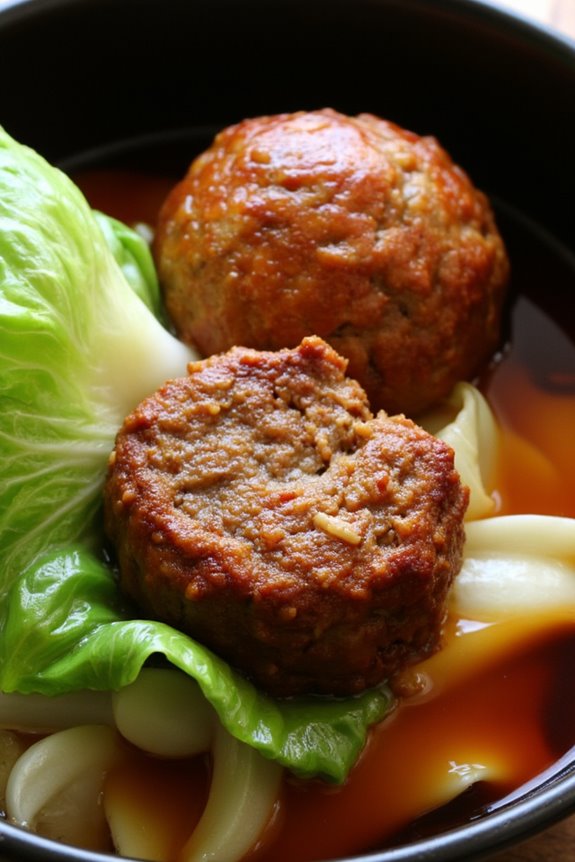
Braised Lion’s Head Meatballs is a classic Chinese dish that beautifully represents the essence of Chinese New Year celebrations. Known for its auspicious name, this dish features large, juicy meatballs that are typically made from minced pork and are braised to perfection with savory vegetables in a rich broth. The meatballs symbolize family unity and togetherness, making them a popular choice for festive gatherings.
The tender texture and harmonious flavors of this dish are sure to impress your guests and create a warm and inviting atmosphere during the celebrations. This dish isn’t only hearty and satisfying but also quite versatile. While the traditional recipe uses pork, you can easily substitute it with chicken or turkey for a lighter version.
The flavorful broth, infused with ginger and scallions, enhances the meatballs and makes for a delicious sauce that can be served over steamed rice. Whether you’re preparing for a family reunion or simply wanting to indulge in a comforting meal, Braised Lion’s Head Meatballs promises to be a delightful centerpiece for your dining table.
Ingredients (serving size: 4-6 people):
- 1 pound ground pork
- 1/2 pound water chestnuts, finely chopped
- 1/4 cup green onions, finely chopped
- 1 tablespoon ginger, minced
- 2 tablespoons soy sauce
- 1 tablespoon Shaoxing wine (Chinese cooking wine)
- 1 tablespoon sesame oil
- 1 egg, lightly beaten
- 1/2 cup breadcrumbs
- Salt and pepper to taste
- 4 cups chicken or pork broth
- 2 cups napa cabbage, chopped
- 2 tablespoons soy sauce (for braising)
- 1 tablespoon sugar
- 1 tablespoon cornstarch mixed with 2 tablespoons water (for thickening)
Cooking Instructions:
- Prepare the Meatball Mixture: In a large mixing bowl, combine the ground pork, chopped water chestnuts, green onions, minced ginger, soy sauce, Shaoxing wine, sesame oil, beaten egg, breadcrumbs, salt, and pepper. Mix everything well until all ingredients are evenly incorporated.
- Form the Meatballs: With your hands, shape the mixture into large meatballs, about the size of a golf ball. You should have approximately 8-10 meatballs. Place them on a plate or baking sheet and set aside.
- Brown the Meatballs: In a large skillet or wok, heat a tablespoon of oil over medium-high heat. Add the meatballs in batches, being careful not to overcrowd the pan. Brown the meatballs on all sides for about 5-7 minutes, then remove them from the skillet and set aside.
- Sauté the Vegetables: In the same skillet, add the chopped napa cabbage and stir-fry for about 2-3 minutes until wilted. This will add a layer of flavor to the dish.
- Braise the Meatballs: Return the browned meatballs to the skillet with the sautéed cabbage. Pour in the chicken or pork broth, soy sauce, and sugar. Bring the mixture to a gentle simmer, cover the skillet, and let it braise for about 30 minutes. This will guarantee the meatballs are cooked through and absorb the delicious flavors of the broth.
- Thicken the Sauce: After 30 minutes, remove the lid and stir in the cornstarch mixture. Cook for an additional 5 minutes, allowing the sauce to thicken. Taste and adjust seasoning if necessary.
- Serve: Carefully transfer the meatballs and broth to a serving dish. You can serve it directly from the skillet or plate it with steamed rice to soak up the rich sauce.
Extra Tips: When making Braised Lion’s Head Meatballs, make certain your meat mixture is well-combined but not overmixed, as this can result in tough meatballs. For added flavor, consider adding a splash of oyster sauce to the broth or garnishing the dish with fresh cilantro or sliced chili for a bit of heat.
This dish can also be made ahead of time; simply reheat gently before serving to allow the flavors to meld even further. Enjoy your cooking and the festive celebration ahead!
Spring Rolls: Crunchy Good Fortune
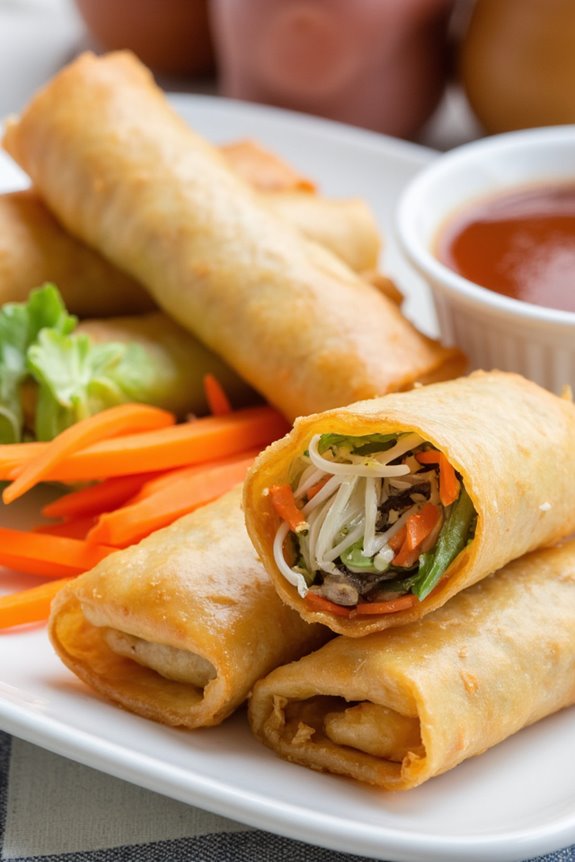
Spring rolls are a beloved dish in Chinese cuisine, often served during festive celebrations such as Chinese New Year. These delightful morsels aren’t just a treat for the palate; they symbolize wealth and prosperity, making them a perfect addition to your holiday spread. The crispy exterior, coupled with a savory filling of vegetables and proteins, creates a satisfying contrast that leaves everyone wanting more.
Making spring rolls at home can be a rewarding experience. The process allows you to customize the filling based on your preferences while guaranteeing everything is fresh and delicious. With a little practice, you can achieve that perfect crunch that will impress your family and friends. Gather your ingredients, roll up your sleeves, and let’s make some crunchy good fortune!
Ingredients (Serves 4-6):
- 1 package of spring roll wrappers (about 20 wrappers)
- 2 cups shredded cabbage
- 1 cup shredded carrots
- 1 cup bean sprouts
- 1 cup sliced mushrooms (shiitake or button)
- 1 cup cooked shrimp or chicken (optional)
- 2 green onions, chopped
- 2 cloves garlic, minced
- 1 tablespoon soy sauce
- 1 tablespoon oyster sauce (optional)
- 1 teaspoon sesame oil
- Salt and pepper to taste
- Vegetable oil for frying
Cooking Instructions:
- Prepare the Filling: In a large bowl, combine the shredded cabbage, carrots, bean sprouts, sliced mushrooms, and cooked shrimp or chicken if using. Add the chopped green onions, minced garlic, soy sauce, oyster sauce, sesame oil, and season with salt and pepper. Mix well to confirm all ingredients are evenly coated with the sauces.
- Assemble the Spring Rolls: Place a spring roll wrapper on a clean, flat surface with one corner pointing towards you. Spoon about 2 tablespoons of the filling onto the wrapper, just above the corner. Fold the corner over the filling, then fold in the sides, and tightly roll the wrapper away from you to encase the filling. Seal the edge with a dab of water. Repeat this process until all the filling is used.
- Heat the Oil: In a deep frying pan or wok, pour enough vegetable oil to submerge the spring rolls (about 2-3 inches deep). Heat the oil over medium-high heat until it reaches 350°F (175°C). You can test the oil by dropping in a small piece of wrapper; if it sizzles immediately, the oil is ready.
- Fry the Spring Rolls: Carefully place the spring rolls in the hot oil, a few at a time to avoid overcrowding. Fry them for about 3-4 minutes or until they’re golden brown and crispy, turning occasionally for even cooking. Use a slotted spoon to remove the spring rolls and place them on paper towels to drain excess oil.
- Serve and Enjoy: Serve the spring rolls hot with dipping sauces such as sweet and sour sauce, soy sauce, or chili sauce. Enjoy the delightful crunch and the burst of flavors within each bite!
Extra Tips:
When making spring rolls, it’s essential to keep the wrappers covered with a damp cloth while you work to prevent them from drying out. If you find the wrappers are too delicate or tearing, consider using a little cornstarch mixed with water as a sealing agent to guarantee they stay closed during frying.
You can also experiment with various fillings to suit your taste, including tofu for a vegetarian option or different vegetables based on the season. Enjoy your cooking adventure!
Buddha’s Delight: A Vegetarian Option
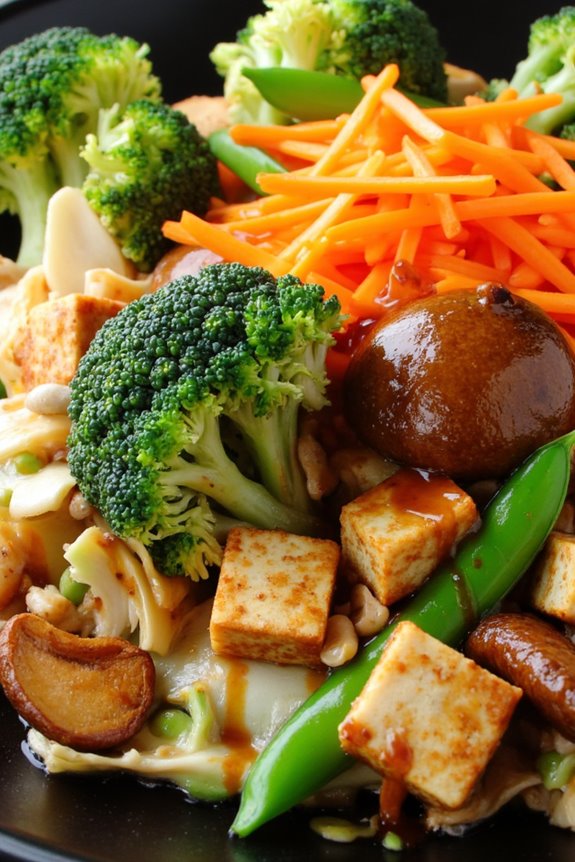
Buddha’s Delight, also known as Luohan Zhai, is a traditional vegetarian dish often enjoyed during Chinese New Year celebrations. This colorful and hearty stir-fry is packed with a variety of vegetables and plant-based ingredients, making it a delightful and healthy option for those looking to embrace a vegetarian lifestyle.
Symbolizing abundance and good fortune, this dish isn’t only delicious but also visually appealing, showcasing a vibrant medley of textures and flavors.
The beauty of Buddha’s Delight lies in its versatility. While the classic recipe can include an assortment of vegetables, tofu, and mushrooms, feel free to adapt the ingredients based on what you have available or your personal preferences. This dish is typically served as part of a larger feast, but it can also stand alone as a satisfying meal.
With its rich combination of ingredients and flavors, Buddha’s Delight is a perfect way to celebrate the new year while promoting health and harmony.
Ingredients (Serves 4-6):
- 1 cup of shiitake mushrooms, sliced
- 1 cup of napa cabbage, chopped
- 1 cup of broccoli florets
- 1 cup of carrots, julienned
- 1 cup of snow peas, trimmed
- 1 cup of tofu, cubed
- 1/2 cup of bamboo shoots, sliced
- 1/2 cup of water chestnuts, sliced
- 2 cloves of garlic, minced
- 1 tablespoon of ginger, minced
- 3 tablespoons of soy sauce
- 2 tablespoons of sesame oil
- 1 tablespoon of cornstarch mixed with 2 tablespoons of water (for thickening)
- Salt and pepper to taste
- Cooked rice or noodles for serving
Cooking Instructions:
- Prepare the Ingredients: Start by washing and chopping all the vegetables and tofu. Confirm that the mushrooms are sliced, the napa cabbage is chopped into bite-sized pieces, and the carrots are julienned for even cooking. This step is significant for guaranteeing that all ingredients cook uniformly and maintain their vibrant colors.
- Sauté the Aromatics: In a large wok or skillet, heat 2 tablespoons of sesame oil over medium heat. Add the minced garlic and ginger, stirring constantly for about 30 seconds until fragrant. This step helps to infuse the oil with aromatic flavors that will enhance the overall taste of the dish.
- Cook the Tofu: Add the cubed tofu to the wok and sauté for about 5 minutes, or until it’s golden brown on all sides. This not only adds flavor but also gives the tofu a nice texture that will complement the other ingredients.
- Add the Vegetables: Gradually add the mushrooms, broccoli, carrots, snow peas, napa cabbage, bamboo shoots, and water chestnuts to the wok. Stir-fry the vegetables for about 5-7 minutes, until they’re tender yet still crisp. This step retains the nutrients and vibrant colors of the vegetables, making the dish visually appealing.
- Season and Thicken: Pour the soy sauce over the stir-fried mixture and stir well to combine. Add the cornstarch mixture to thicken the sauce, stirring constantly until it reaches your desired consistency. Season with salt and pepper to taste. This step is essential for creating a cohesive dish that’s flavorful and satisfying.
- Serve: Once everything is well combined and heated through, remove the wok from the heat. Serve Buddha’s Delight hot over cooked rice or noodles, allowing everyone to enjoy a hearty and wholesome meal.
Extra Tips:
When preparing Buddha’s Delight, feel free to experiment with different vegetables based on seasonal availability or personal preference. Adding ingredients like bell peppers, bean sprouts, or bok choy can introduce new flavors and textures.
Additionally, for a hint of spice, consider incorporating chili oil or fresh chili slices. Remember, the key to a successful stir-fry is to keep the ingredients moving in the pan to prevent sticking and confirm even cooking. Enjoy your culinary adventure and Happy New Year!
Red-Braised Pork Belly: Rich and Savory
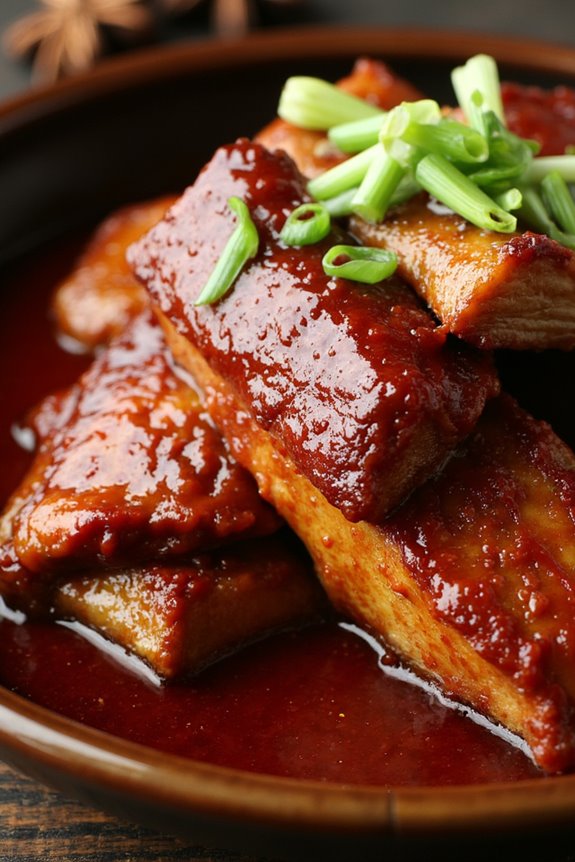
Red-braised pork belly, known as “Hong Shao Rou” in Mandarin, is a beloved dish in Chinese cuisine, especially during festive occasions like the Chinese New Year. This dish features succulent pieces of pork belly that are simmered to perfection in a rich, flavorful sauce made from soy sauce, sugar, and various spices. The result is a glossy, deep red, and incredibly savory dish that’s bound to impress your guests and family alike.
The sweet and savory balance makes it a standout choice for celebrations, symbolizing prosperity and good fortune in the coming year.
Cooking red-braised pork belly may seem intimidating, but with the right ingredients and a little patience, you can create this delicious dish at home. The key to achieving the perfect flavor lies in the slow braising process, which allows the meat to absorb the rich sauce while becoming tender and melt-in-your-mouth.
Serve it over steamed rice or alongside stir-fried vegetables for a complete and satisfying meal that captures the essence of Chinese New Year celebrations.
Ingredients (Serves 4-6):
- 2 pounds pork belly, cut into 1-inch cubes
- 3 tablespoons vegetable oil
- 1/3 cup sugar
- 1/2 cup soy sauce (light)
- 1/4 cup soy sauce (dark)
- 1 cup water
- 4 slices ginger
- 3-4 green onions, cut into 2-inch pieces
- 3-4 star anise
- 2-3 cloves of garlic, smashed
- 1 tablespoon Shaoxing wine (Chinese rice wine)
- Salt, to taste
Cooking Instructions:
- Prepare the Pork Belly: Start by cutting the pork belly into 1-inch cubes. This size allows for even cooking and helps the meat absorb the flavors of the sauce. Rinse the pork under cold water to remove any impurities, then drain well.
- Blanch the Pork: In a pot of boiling water, blanch the pork belly cubes for about 5 minutes. This step helps to remove excess fat and impurities, resulting in a cleaner final dish. After blanching, drain the pork and set it aside.
- Caramelize the Sugar: In a large, heavy-bottomed pot or wok, heat the vegetable oil over medium heat. Add the sugar and stir continuously until it melts and turns a deep amber color. Be careful not to burn the sugar, as this will affect the flavor of the dish.
- Brown the Pork: Once the sugar is caramelized, add the blanched pork belly to the pot. Stir well to coat the pork in the caramelized sugar. Sear the pork for about 5-7 minutes until it’s browned on all sides. This step adds depth of flavor to the meat.
- Add the Seasonings: After browning the pork, add the ginger slices, green onions, star anise, garlic, and Shaoxing wine to the pot. Stir everything together to combine the flavors.
- Add the Sauces and Water: Pour in the light soy sauce, dark soy sauce, and water. Stir to ascertain all the pork is covered with the sauce. Bring the mixture to a boil, then reduce the heat to low.
- Braise the Pork: Cover the pot and let the pork simmer on low heat for about 1.5 to 2 hours. Stir occasionally to prevent sticking and guarantee even cooking. The goal is to achieve tender meat that absorbs the flavors of the sauce.
- Finish and Adjust Seasoning: After braising, uncover the pot and increase the heat to medium-high to reduce the sauce to your desired thickness. Taste the sauce and adjust the seasoning with salt if needed. The sauce should be rich and slightly sweet with a savory depth.
- Serve: Once the sauce has thickened, remove the pot from heat. Serve the red-braised pork belly hot, garnished with chopped green onions, alongside steamed rice or your favorite sides.
Extra Tips: When preparing red-braised pork belly, choosing high-quality pork belly with a good balance of fat and meat is essential for achieving the best texture and flavor.
Additionally, for an even richer taste, you can let the dish cool and refrigerate it overnight, then reheat it before serving; the flavors will deepen and meld beautifully. Don’t hesitate to experiment with additional spices or herbs to tailor the dish to your taste!
Steamed Fish: A Blessing for Abundance
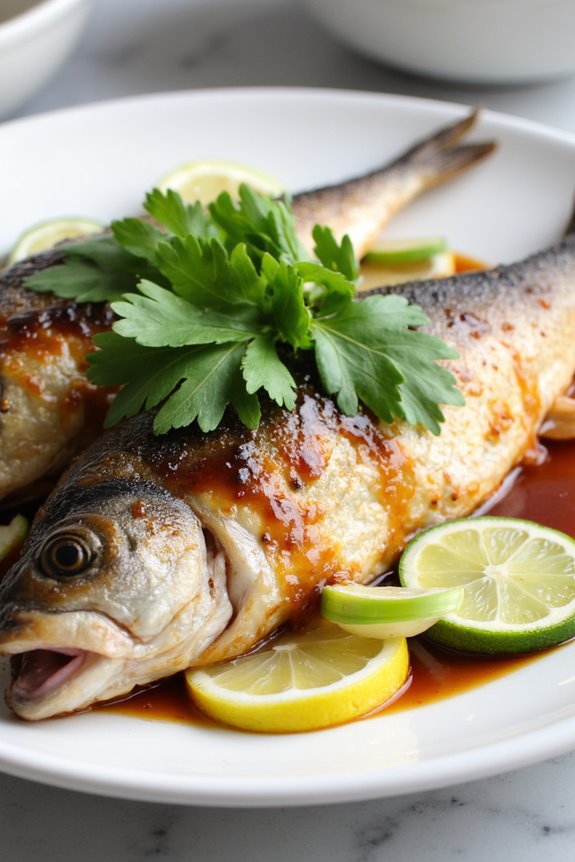
Steamed fish is a classic dish often prepared during the Chinese New Year, symbolizing abundance and prosperity for the year ahead. The gentle cooking method preserves the fish’s natural flavors, while the accompanying ingredients enhance its taste and aroma. This dish isn’t only delicious but also embodies the spirit of the celebration, making it a must-have at any festive gathering.
Using fresh fish, such as whole tilapia or sea bass, is crucial for this recipe. The fish is typically seasoned with ginger, scallions, and soy sauce, which complement its delicate flavor. Steaming the fish guarantees that it remains moist and tender, allowing the ingredients to infuse into the flesh. Serve this dish with steamed rice and your favorite vegetables for a complete meal that’s both healthy and satisfying.
Ingredients (Serves 4-6):
- 1 whole fish (tilapia or sea bass, around 2-3 pounds)
- 3-4 slices of fresh ginger
- 3-4 scallions (green onions), cut into sections
- 2 tablespoons soy sauce
- 1 tablespoon sesame oil
- 1 tablespoon rice wine (Shaoxing wine)
- Salt, to taste
- Fresh cilantro for garnish (optional)
- Lime wedges for serving (optional)
Cooking Instructions:
- Prepare the Fish: Clean the fish thoroughly under cold running water, removing any scales and innards. Pat it dry with a paper towel. Make two diagonal slashes on each side of the fish to allow the flavors to penetrate and promote even cooking.
- Season the Fish: Rub salt inside and outside the fish, making sure that it’s evenly coated. Place the ginger slices and half of the scallion sections inside the cavity of the fish. This will infuse the fish with aromatic flavors as it steams.
- Set Up the Steamer: Fill a large pot with water, making sure the water level is below the steamer basket. Bring the water to a gentle boil. Place the fish on a heatproof plate that fits inside the steamer basket.
- Steam the Fish: Once the water is boiling, carefully place the steamer basket with the fish over the pot. Cover the pot with a lid and steam the fish for about 12-15 minutes, or until the flesh flakes easily with a fork. The cooking time may vary depending on the size of the fish.
- Prepare the Sauce: While the fish is steaming, combine the soy sauce, sesame oil, and rice wine in a small bowl. Mix well and set aside.
- Finish the Dish: Once the fish is cooked, carefully remove the plate from the steamer. Drizzle the soy sauce mixture over the fish and garnish with the remaining scallions and fresh cilantro.
- Serve: Serve the steamed fish hot, alongside lime wedges for an added zest. Enjoy with steamed rice and your choice of vegetables.
Extra Tips:
For peak flavor, always opt for the freshest fish available, as it makes a significant difference in the final taste of the dish. You can also experiment with additional ingredients like garlic or chili for a hint of heat.
If you don’t have a steamer, a heatproof plate and a pot can work as a makeshift steamer; just confirm the plate is elevated above the water. Finally, make sure that your pot is covered tightly during steaming to keep the moisture in and maintain a consistent cooking temperature.
Eight Treasure Rice: A Sweet Ending
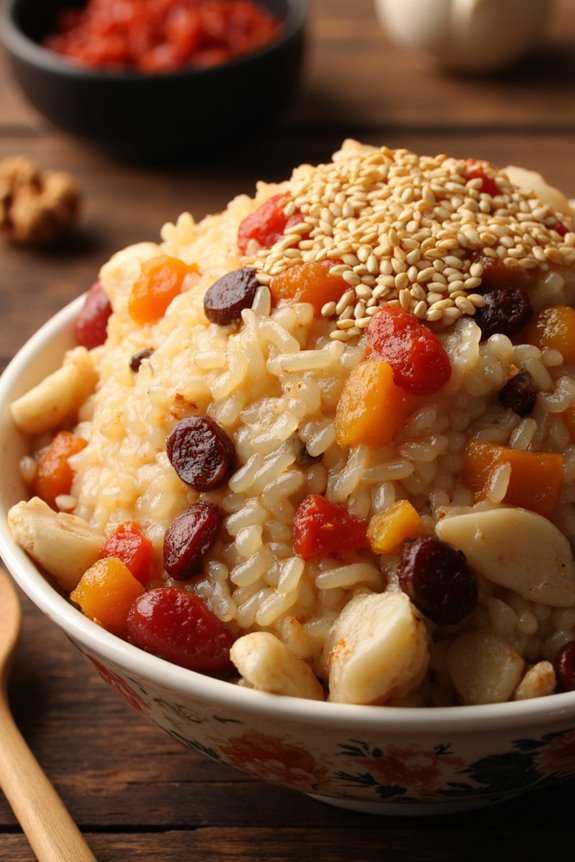
Eight Treasure Rice, known as “Ba Bao Fan” in Chinese, is a traditional dessert often enjoyed during the Chinese New Year celebrations. This delightful dish symbolizes prosperity and good fortune, thanks to its rich assortment of ingredients that each carry their own significant meanings.
Made with glutinous rice and a variety of sweet fillings, Eight Treasure Rice isn’t only a feast for the eyes but also a treat for the taste buds, making it a perfect ending to your festive meals.
The dish features a beautiful combination of colors and flavors, showcasing ingredients like red beans, lotus seeds, and dried fruits among others. The sticky rice is steamed to perfection and then topped with sweet syrup, creating a harmonious blend of textures.
Whether served in a bowl or molded into a decorative shape, Eight Treasure Rice is sure to impress your family and guests, adding a touch of sweetness to the New Year celebrations.
Ingredients (Serves 4-6):
- 2 cups glutinous rice
- 1/2 cup red bean paste
- 1/4 cup dried lotus seeds
- 1/4 cup dried dates, chopped
- 1/4 cup dried apricots, chopped
- 1/4 cup raisins
- 1/4 cup walnuts, chopped
- 1/4 cup sugar (or to taste)
- 2 tablespoons coconut milk (optional)
- Water (for soaking and steaming)
- Sesame seeds (for garnish)
Cooking Instructions:
- Soak the Rice: Begin by rinsing the glutinous rice under cold water until the water runs clear. Soak the rice in water for at least 4 hours, or preferably overnight, to guarantee it becomes tender and sticky.
- Prepare the Fillings: While the rice is soaking, prepare the fillings. If using dried lotus seeds, soak them in water for about 1 hour until softened. Chop the dried dates, apricots, and walnuts into small pieces.
- Steam the Rice: After soaking, drain the rice and transfer it to a heatproof dish or a bamboo steamer lined with cheesecloth. Steam the rice over boiling water for about 30-40 minutes, or until it becomes sticky and translucent.
- Mix in Sweet Fillings: Once the rice is cooked, transfer it to a large bowl. Gently fold in the red bean paste, softened lotus seeds, chopped dried fruits, walnuts, and sugar. If desired, add coconut milk for creaminess. Make certain all ingredients are evenly mixed.
- Shape the Mixture: To create a decorative presentation, you can either mold the mixture into a cake shape using a bowl or serve it in individual bowls. Press down gently to compact the mixture.
- Final Steam: If you have shaped the rice into a mold, steam it again for an additional 15-20 minutes to help the flavors meld together and to guarantee it sets properly.
- Garnish and Serve: Once done, let it cool slightly before removing from the mold (if used). Garnish with toasted sesame seeds on top. Serve warm or at room temperature.
Extra Tips:
When preparing Eight Treasure Rice, feel free to customize the fillings based on personal preferences or availability. You can add other ingredients such as sweetened coconut flakes, mung beans, or even fresh fruits for added flavor and texture.
Make sure to adjust the sweetness according to your taste, and don’t hesitate to experiment with different combinations of nuts and dried fruits to create your unique version of this festive dish. Enjoy the process and the delightful results!
Chinese New Year Cake: Symbolizing Growth
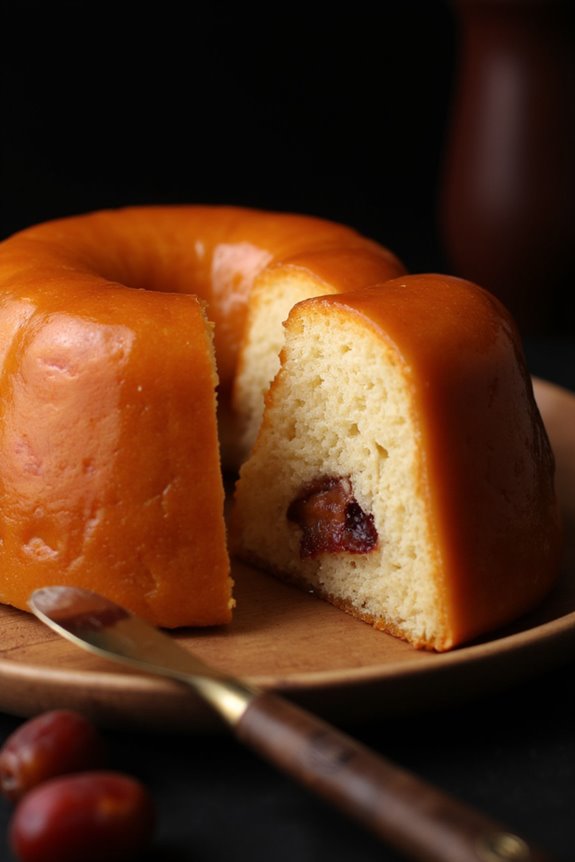
Chinese New Year Cake, also known as “Nian Gao,” is a traditional dish enjoyed during the Lunar New Year festivities. This sweet, sticky rice cake is made from glutinous rice flour and is often steamed to achieve a smooth, dense texture. Nian Gao isn’t only delicious but also symbolizes growth, progress, and prosperity, making it a must-have during the celebration.
Families typically enjoy this dish together, and it’s often gifted to friends and relatives as a gesture of goodwill and happiness for the year ahead.
Preparing Chinese New Year Cake is a delightful experience, as the process involves mixing, steaming, and waiting for the cake to set. The flavors can be enhanced with various ingredients like red dates, coconut milk, or even sweetened red bean paste. This recipe will guide you through making a classic version of Nian Gao that serves 4-6 people, perfect for sharing with loved ones during the festive season.
Ingredients
- 2 cups glutinous rice flour
- 1 cup water
- 1 cup sugar
- 1/2 cup coconut milk (optional)
- 1/4 cup red dates, chopped (optional)
- 1 tablespoon vegetable oil (for greasing)
- 1/2 teaspoon salt
Cooking Instructions
- Prepare the Steamer: Fill a large pot with water and bring it to a boil. Make sure you have a steamer basket that fits snugly over the pot. If you don’t have a steamer, you can place a heatproof dish on a rack or an inverted bowl inside the pot.
- Mix the Ingredients: In a large mixing bowl, combine the glutinous rice flour, sugar, and salt. Gradually add the water and coconut milk (if using) to the dry ingredients, stirring continuously to avoid lumps. The mixture should be smooth and have a thick, pouring consistency.
- Add Optional Ingredients: If you’re using red dates, fold them into the batter at this stage. This step is optional, but it adds a lovely sweetness and texture to the cake.
- Prepare the Cake Pan: Grease a round or square cake pan (about 8-9 inches in diameter) with vegetable oil to prevent sticking. Pour the prepared batter into the greased pan, smoothing the top with a spatula.
- Steam the Cake: Carefully place the cake pan into the steamer basket. Cover with a lid and steam over medium heat for about 45-60 minutes. Check for doneness by inserting a toothpick into the center; it should come out clean. If not, steam for an additional 10-15 minutes.
- Cool and Serve: Once cooked, remove the cake from the steamer and let it cool in the pan for about 10 minutes. Then, carefully invert the cake onto a plate and let it cool completely. Once cooled, slice and serve. Nian Gao can be enjoyed as is or pan-fried for a crispy texture.
Extra Tips
When making Chinese New Year Cake, confirm that you use glutinous rice flour specifically, as it gives the cake its unique texture. If you’d like a more intense coconut flavor, consider using coconut cream instead of coconut milk.
Additionally, feel free to experiment with other additions such as sweetened red bean paste or nuts for varied flavors. The cake can be stored in the refrigerator and reheated when needed; it actually tastes better the next day as the flavors meld.
Enjoy your homemade Nian Gao and the blessings it brings for the new year!
Stir-Fried Greens: A Fresh Addition
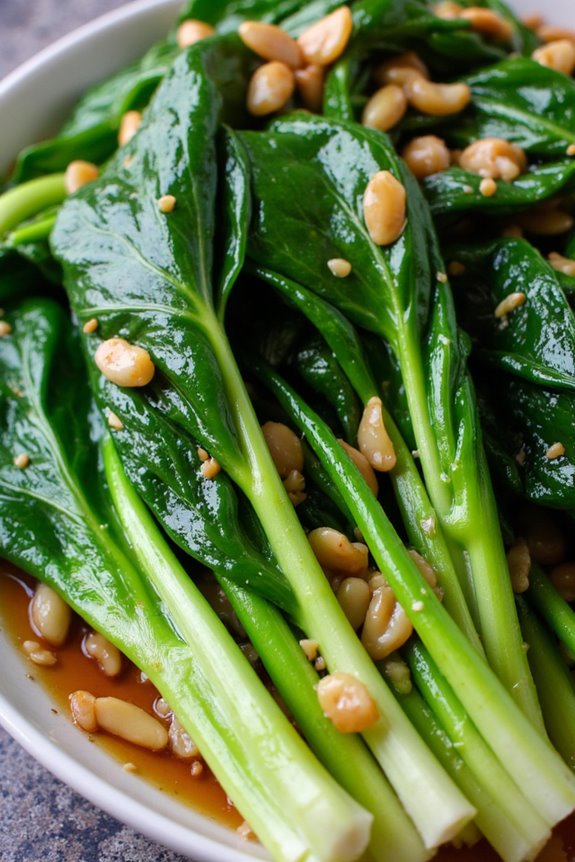
Stir-fried greens are a vibrant and healthy dish that beautifully complements any Chinese New Year feast. Packed with nutrients and bursting with flavor, this dish isn’t only quick to prepare but also incredibly versatile. You can use a variety of leafy greens such as bok choy, Chinese broccoli, or spinach, depending on what’s available and your personal preferences.
The key to achieving that perfect texture is to maintain the crispness of the greens while infusing them with the savory flavors of garlic and soy sauce. This dish embodies the essence of Chinese cooking, where fresh ingredients are treated with respect to enhance their natural taste.
Stir-fried greens are a staple on many Chinese tables during the New Year, symbolizing prosperity and growth. Paired with fragrant garlic and a splash of sesame oil, these greens create a dish that not only looks beautiful but also promotes health and well-being for the year ahead.
Ingredients (Serving size: 4-6 people):
- 1 pound of bok choy or Chinese broccoli
- 2 tablespoons vegetable oil
- 4 cloves garlic, minced
- 1 tablespoon soy sauce
- 1 teaspoon sesame oil
- Salt to taste
- Pepper to taste
- Optional: a pinch of red pepper flakes for heat
Cooking Instructions:
- Prepare the Greens: Start by thoroughly washing the bok choy or Chinese broccoli under cold water to remove any grit. Trim the ends and cut the greens into bite-sized pieces. If using bok choy, separate the leaves for even cooking.
- Heat the Wok or Pan: Place a large wok or a high-sided pan over medium-high heat. Add the vegetable oil and allow it to heat until shimmering, which indicates that it’s hot enough for frying.
- Sauté the Garlic: Once the oil is hot, add the minced garlic immediately. Stir-fry the garlic for about 30 seconds, or until it becomes fragrant but not browned, as burnt garlic can impart a bitter flavor.
- Add the Greens: Carefully add the prepared greens to the wok. Stir-fry vigorously for about 2-3 minutes, making sure to coat the greens in the oil and garlic for an even flavor. The greens should start to wilt but still retain their bright color.
- Season the Dish: Drizzle the soy sauce and sesame oil over the greens. Toss everything together to guarantee the greens are evenly coated in the sauce. Season with salt, pepper, and optional red pepper flakes for a little kick. Stir-fry for another minute until the greens are tender-crisp.
- Serve Immediately: Once cooked, remove the stir-fried greens from the heat and transfer them to a serving dish. Enjoy them hot as a side dish to your other Chinese New Year recipes.
Extra Tips: To enhance the flavor of your stir-fried greens, consider adding other ingredients like sliced mushrooms or bell peppers for added texture and taste. You can also experiment with different types of soy sauce, such as dark or light, to vary the flavor profile.
For a vibrant presentation, sprinkle some toasted sesame seeds on top before serving. Always remember not to overcook the greens; they should remain bright and crisp to maintain their nutritional benefits.
Sesame Balls: Sweet Treats for Luck
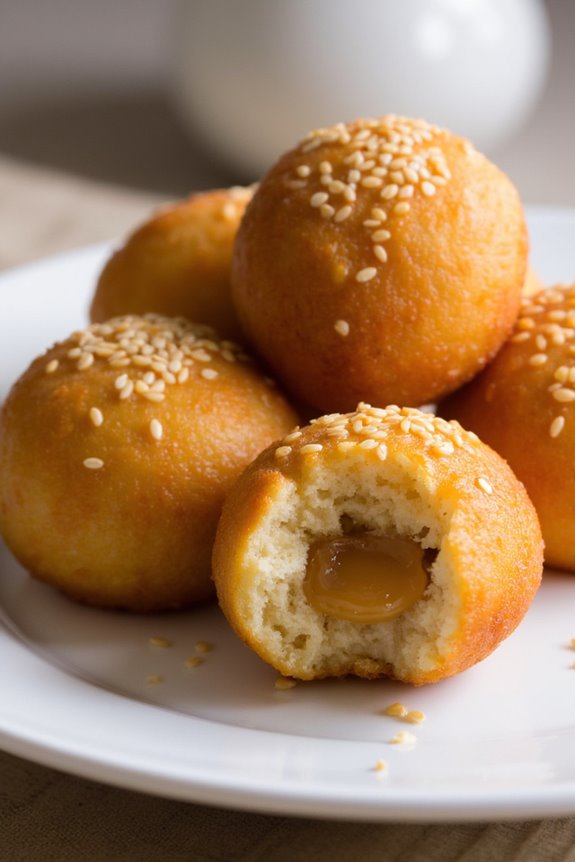
Sesame Balls, also known as “Jian Dui,” are a beloved traditional Chinese dessert often enjoyed during festive occasions like Chinese New Year. These delightful treats are made from glutinous rice flour, which gives them a chewy texture, and are filled with sweet red bean paste or lotus seed paste.
The exterior is coated in sesame seeds, which not only add a nutty flavor but also symbolize wealth and good fortune. These golden-brown, crispy balls are deep-fried to perfection, creating a satisfying contrast between the crunchy shell and the soft, sweet filling.
Making Sesame Balls at home can be a fun and rewarding experience. The process may seem intimidating at first, but with a little patience and practice, you’ll be able to whip up these sweet treats that are sure to impress your family and friends.
Perfect for sharing during celebrations, these sesame balls will bring good luck and sweetness to your festivities.
Ingredients (Serving Size: 4-6 people)
- 1 cup glutinous rice flour
- 1/4 cup water
- 1/4 cup sugar
- 1/2 cup sweet red bean paste (or lotus seed paste)
- 1/2 cup sesame seeds
- Oil for frying (enough for deep frying)
Cooking Instructions
1. Prepare the Dough:
In a mixing bowl, combine the glutinous rice flour and sugar. Gradually add the water while mixing until a soft dough forms. You may need to adjust the amount of water slightly to achieve the right consistency; the dough should be pliable but not too sticky.
2. Divide the Dough:
Once the dough is ready, divide it into equal portions (about 12-15 pieces). Roll each piece into a small ball, then flatten it into a disc shape in the palm of your hand.
3. Fill the Dough:
Place about 1 teaspoon of sweet red bean paste in the center of each disc. Carefully fold the edges over the filling to seal it completely and roll it back into a ball shape. Make sure there are no cracks or openings to prevent the filling from leaking during frying.
4. Coat with Sesame Seeds:
Pour the sesame seeds onto a plate. Roll each ball in the sesame seeds until fully coated. This not only adds flavor but also creates the signature appearance of the sesame balls.
5. Heat the Oil:
In a deep frying pan or wok, heat the oil over medium heat. Test the oil’s readiness by dropping a small piece of dough into it; if it bubbles and rises to the surface, the oil is hot enough for frying.
6. Fry the Sesame Balls:
Carefully place the sesame balls into the hot oil, ensuring not to overcrowd the pan. Fry them until they turn golden brown, about 3-4 minutes. Turn them occasionally to ensure even cooking.
Once cooked, remove them from the oil and place them on a paper towel to drain excess oil.
7. Serve:
Allow the sesame balls to cool slightly before serving. They’re best enjoyed warm when the outside is crispy and the inside is gooey and sweet.
Extra Tips
When making Sesame Balls, it’s essential to keep the dough covered with a damp cloth while working to prevent it from drying out.
You can also experiment with different fillings, such as sweetened black sesame paste or even chocolate, for a modern twist. Additionally, if you find that the balls are bursting during frying, try making the dough slightly thicker or make sure the filling isn’t too wet.
Enjoy your homemade sesame balls and the good fortune they bring!
Tangyuan: Sweet Rice Balls for Reunion
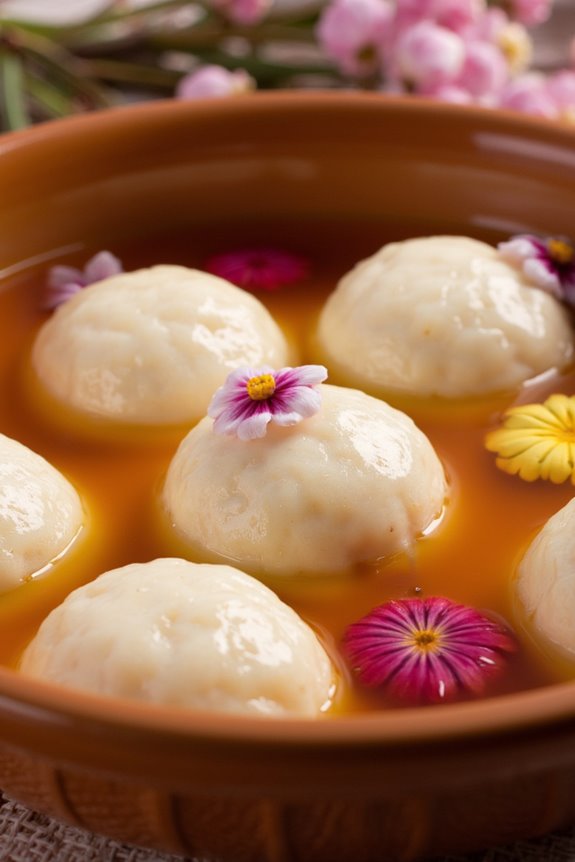
Tangyuan, also known as sweet rice balls, are a traditional dish enjoyed during the Chinese New Year and other family gatherings. These delightful treats are made from glutinous rice flour and are often filled with sweet fillings such as sesame paste, red bean paste, or peanut butter. The round shape of the tangyuan symbolizes reunion and togetherness, making it a perfect dish to share with family during festive celebrations.
When served in a warm, sweet broth, tangyuan becomes a comforting dessert that brings warmth and joy to the festivities.
To make tangyuan, you’ll need to prepare the dough and the filling beforehand. The dough is pliable and easy to work with, while the fillings add a delightful surprise in each bite. Once shaped, the rice balls are boiled until they float to the surface, indicating that they’re cooked to perfection. Whether you choose to enjoy them in a sweet syrup or on their own, tangyuan is sure to be a hit at your celebration.
Ingredients (Serves 4-6)
- 2 cups glutinous rice flour
- 1/2 cup water (adjust as needed)
- 1/4 cup sesame paste (or your choice of sweet filling)
- 1/4 cup sugar (for syrup)
- 4 cups water (for boiling tangyuan)
- 1 tablespoon osmanthus flowers (optional, for syrup flavor)
- 1/2 cup sugar (for syrup)
- 2 cups water (for syrup)
Cooking Instructions
1. Prepare the Dough: In a large mixing bowl, combine the glutinous rice flour and water. Mix well until a soft, smooth dough forms. If the dough is too dry, add small amounts of water gradually until you reach the desired consistency.
Cover the bowl with a damp cloth to prevent the dough from drying out while you prepare the filling.
2. Make the Filling: In a separate small bowl, mix the sesame paste with sugar until well combined. You can also add finely chopped nuts or additional sweet ingredients if desired.
Take small portions of the filling and roll them into small balls, about 1 teaspoon in size. Set these aside.
3. Shape the Tangyuan: Pinch off a small piece of the dough, about the size of a golf ball. Flatten it in your palm, then place one of the filling balls in the center.
Gently fold the edges of the dough around the filling and roll it into a smooth ball. Make sure the filling is completely enclosed. Repeat this process for the remaining dough and filling.
4. Prepare the Syrup: In a saucepan, combine 2 cups of water and 1/2 cup of sugar. If using osmanthus flowers, add them to the mixture.
Bring to a gentle boil and stir until the sugar is dissolved. Reduce heat and keep the syrup warm while you cook the tangyuan.
5. Cook the Tangyuan: Bring a large pot of water to a boil. Carefully drop the shaped tangyuan into the boiling water.
Cook for about 5-8 minutes, or until they float to the surface. This indicates they’re cooked through. Remove the tangyuan with a slotted spoon and transfer them to the warm syrup to soak for a few minutes before serving.
6. Serve: Ladle the tangyuan into bowls along with the warm syrup. You can garnish with additional osmanthus flowers if desired.
Serve immediately while warm and enjoy the sweet reunion with your family.
Extra Tips
When making tangyuan, it’s important to verify that the dough is neither too dry nor too wet, as this will affect the texture of the rice balls. If you find the dough is sticky, lightly dust your hands with some glutinous rice flour while shaping the tangyuan.
Additionally, feel free to experiment with different fillings to suit your taste preferences. If you want to make a colorful version, consider adding a few drops of food coloring to the dough before shaping.
Finally, tangyuan can be served in a sweet broth or enjoyed plain, making it a versatile dessert for any occasion.
