

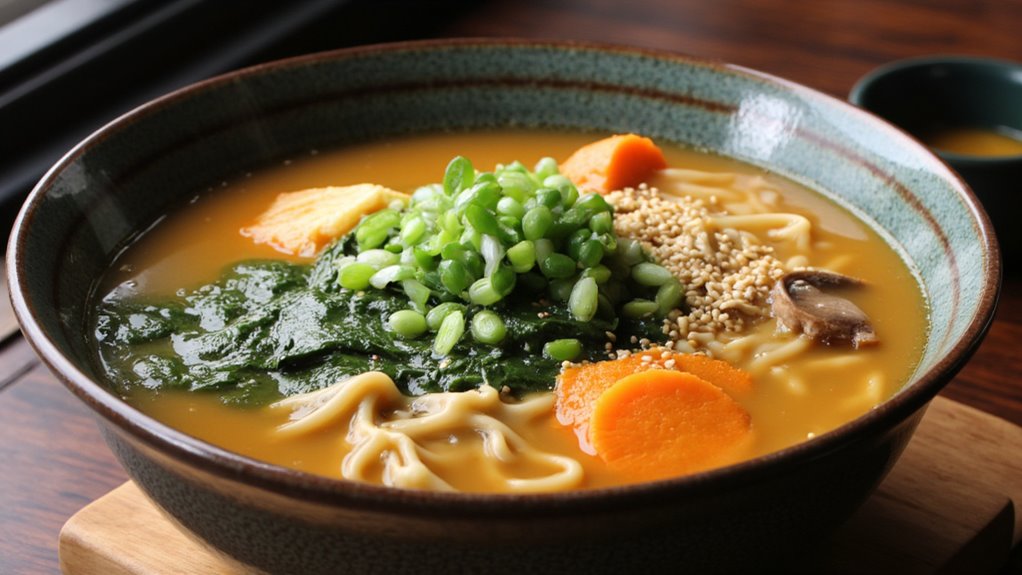
When it comes to comforting dishes, there’s nothing quite like the soothing embrace of Japanese miso soup. Its silky texture and rich umami flavor provide the perfect touch of warmth on a chilly day. From classic shiro miso to unique coconut-infused versions, there’s a bowl tailored for every taste. Each recipe is easily customizable, letting you enjoy these flavors any time of year. Let’s explore ten delightful recipes that might just become your go-to comfort food.
Classic Shiro Miso Soup
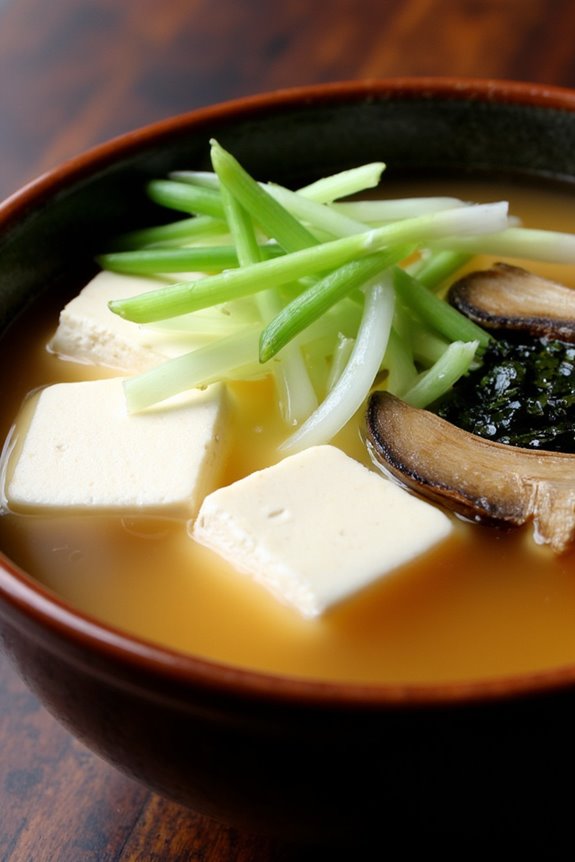
Classic Shiro Miso Soup is a beloved traditional Japanese dish that embodies simplicity and depth of flavor. Known for its delicate balance of umami, this soup features shiro miso, a lighter and sweeter variety of miso paste made from fermented soybeans. It’s often served as a comforting starter in Japanese meals, but it can also stand alone as a nourishing snack. This versatile soup can be enjoyed at any time of the day, making it a staple in many Japanese households.
The beauty of shiro miso soup lies in its adaptability. While the classic version contains a few essential ingredients, you can enhance it by adding seasonal vegetables, tofu, or even seaweed. This recipe will guide you through preparing a traditional version with fresh ingredients that can be easily found in most grocery stores or Asian markets. Gather your ingredients, and let’s plunge into the comforting world of homemade miso soup!
Ingredients (Serves 4-6)
- 4 cups dashi broth (can be homemade or store-bought)
- 1 cup shiro miso paste
- 1 cup soft or silken tofu, cut into small cubes
- 1 cup green onions, thinly sliced
- 1 cup wakame seaweed, dried
- 1 cup mushrooms (shiitake or enoki), sliced
- 1 tablespoon soy sauce (optional)
- 1 teaspoon mirin (optional)
Cooking Instructions
- Prepare the Dashi Broth: If you’re making homemade dashi, soak kombu (dried kelp) in water for at least 30 minutes. Heat the water until just before boiling, then remove the kombu and add bonito flakes. Let it steep for about 5 minutes before straining the liquid to obtain a clear broth. If using store-bought dashi, simply heat it in a pot over medium heat.
- Rehydrate Wakame Seaweed: While your broth is heating, place the dried wakame in a small bowl and cover it with warm water. Allow it to soak for about 10 minutes until it expands and becomes tender. Drain and set aside.
- Add Vegetables and Tofu: Once the dashi broth is hot, add the sliced mushrooms to the pot and let them simmer for about 5 minutes until they soften. Gently add the cubed tofu and the rehydrated wakame to the broth, allowing everything to heat through for another 3-4 minutes.
- Mix in the Miso Paste: In a separate bowl, take a ladle of hot dashi broth and whisk in the shiro miso paste until smooth. This step helps to confirm that the miso is evenly distributed in the soup without clumps. Once mixed, return the miso mixture to the pot, stirring gently to combine.
- Finish the Soup: Add the thinly sliced green onions to the soup and stir. If desired, add soy sauce and mirin for additional flavor. Allow the soup to heat through for another minute, but don’t bring it to a boil, as boiling can diminish the flavors of the miso.
- Serve and Enjoy: Ladle the hot miso soup into bowls and serve immediately. You can garnish with additional green onions or a sprinkle of sesame seeds if desired.
Extra Tips
When making shiro miso soup, remember that the quality of your miso paste greatly affects the soup’s flavor. Opt for a high-quality shiro miso for the best taste.
Additionally, feel free to customize your soup by incorporating your favorite vegetables or proteins to suit your palate. Keep in mind that miso soup is best enjoyed fresh, so try to consume it shortly after making for the ideal flavor experience.
Finally, if you have leftovers, store them in the refrigerator without the tofu and add it fresh when reheating, as tofu can absorb too much liquid and become mushy over time.
Spicy Miso Ramen Soup
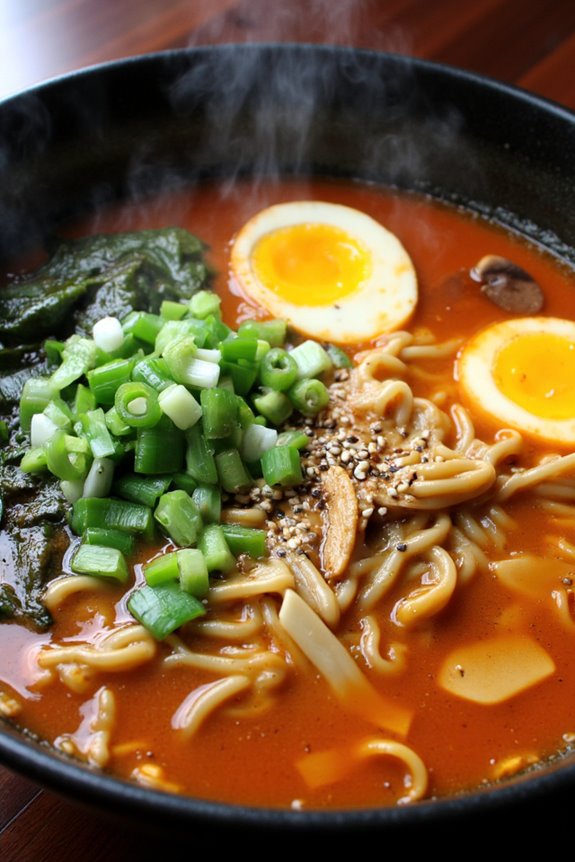
Spicy Miso Ramen Soup is a delightful and hearty dish that combines the umami flavors of miso with a spicy kick, making it a favorite among ramen lovers. This soup isn’t only comforting but also versatile, allowing you to customize it with a variety of toppings such as soft-boiled eggs, green onions, and vegetables.
The rich miso broth serves as the perfect base for chewy noodles, creating a satisfying meal that warms the body and soul.
To make this dish, you’ll need some essential ingredients that bring the flavors together. While the recipe might seem intricate at first glance, the steps are straightforward and can be easily followed for a delightful homemade experience.
Whether you’re looking to impress guests or simply craving a delicious bowl of ramen, this Spicy Miso Ramen Soup recipe is sure to hit the spot.
Ingredients (Serves 4-6)
- 4 cups vegetable or chicken broth
- 1 cup water
- 4 tablespoons red miso paste
- 2 tablespoons tahini
- 2 tablespoons soy sauce
- 1 tablespoon sesame oil
- 1 teaspoon chili paste (adjust to taste)
- 1 tablespoon grated ginger
- 2 cloves garlic, minced
- 4 servings of ramen noodles
- 2 green onions, chopped
- 1 cup sliced mushrooms (shiitake or button)
- 1 cup bok choy or spinach
- Soft-boiled eggs (optional, for topping)
- Sesame seeds (optional, for garnish)
Cooking Instructions
- Prepare the Broth: In a large pot, combine the vegetable or chicken broth and water. Bring it to a gentle simmer over medium heat. This will serve as the base for your spicy miso soup.
- Mix the Miso Paste: In a small bowl, whisk together the red miso paste, tahini, soy sauce, sesame oil, and chili paste. This mixture will add depth and spice to your broth. Once combined, set it aside.
- Sauté Aromatics: In the same pot with the simmering broth, add the grated ginger and minced garlic. Cook for about 1-2 minutes until fragrant, stirring occasionally to prevent burning.
- Add the Miso Mixture: Gradually stir in the miso mixture into the broth, ensuring it dissolves completely. Allow it to simmer for an additional 5-10 minutes, letting all the flavors meld together.
- Cook the Noodles: While the broth is simmering, cook the ramen noodles according to the package instructions in a separate pot. Drain them and set aside when done.
- Sauté Vegetables: In the broth, add sliced mushrooms and bok choy (or spinach) to the pot. Cook for about 3-5 minutes until the vegetables are tender but still vibrant.
- Assemble the Soup: Divide the cooked ramen noodles among bowls. Ladle the hot spicy miso broth over the noodles and top with sautéed vegetables. Garnish with chopped green onions, soft-boiled eggs, and sesame seeds if desired.
- Serve: Serve the spicy miso ramen soup hot and enjoy the delicious, warming flavors!
Extra Tips
For an extra layer of flavor, consider adding some sliced chili peppers or a sprinkle of chili flakes to your broth for additional heat.
You can also experiment with various toppings, such as corn, bamboo shoots, or seaweed, to enhance the dish further. If you’re looking to make the soup vegan, simply use vegetable broth and omit the soft-boiled eggs.
Enjoy your cooking adventure!
Miso Soup With Tofu and Seaweed
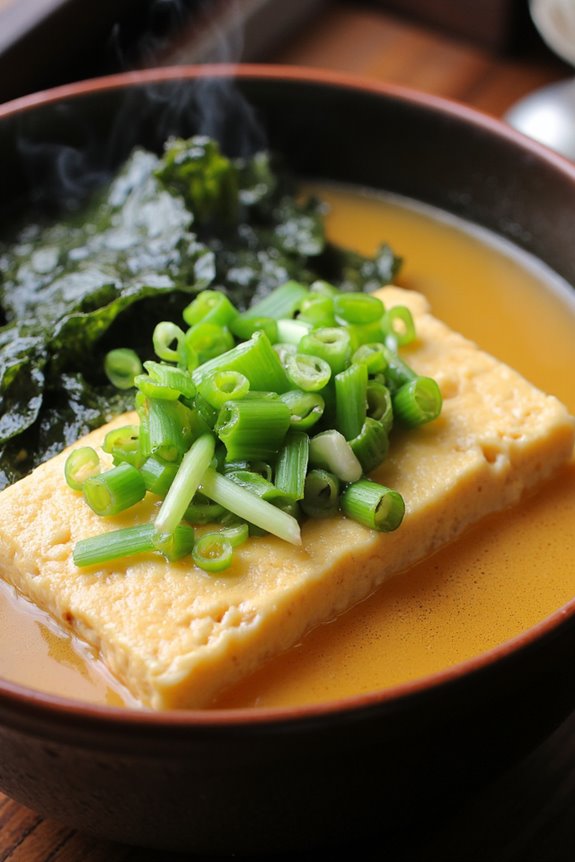
Miso soup is a staple in Japanese cuisine, known for its comforting and umami-rich flavor. This particular version, Miso Soup With Tofu and Seaweed, combines the deep flavors of miso paste with the delicate textures of soft tofu and nutrient-rich seaweed. It’s a simple yet nourishing dish that can be enjoyed as a starter or as a light meal on its own.
The beauty of miso soup lies in its versatility; you can customize the ingredients based on what you have on hand or your personal preferences.
When preparing this dish, the key elements are the dashi broth, which forms the base of the soup, and the miso paste, which brings the distinctive flavor. With the addition of silken tofu and wakame seaweed, this soup not only becomes a delightful treat for the taste buds but also offers health benefits, including protein and minerals.
It’s quick to prepare, making it a great option for weeknight dinners or a comforting meal anytime.
Ingredients (serving size: 4-6 people)
- 4 cups dashi broth (or vegetable broth)
- 3 tablespoons miso paste (white or red, according to preference)
- 1 block (14 oz) silken tofu, cut into cubes
- 1/2 cup dried wakame seaweed
- 2 green onions, finely sliced
- 1 cup mushrooms (shiitake or enoki), sliced (optional)
- 1 tablespoon soy sauce (optional)
- Sesame oil (for drizzling, optional)
Cooking Instructions
- Prepare the Dashi Broth: If you’re making dashi from scratch, combine water with kombu (dried kelp) and bonito flakes (or use a vegetable alternative) in a pot. Heat until just boiling, then remove from heat and strain. If you’re using store-bought dashi powder, dissolve it in 4 cups of water according to package instructions.
- Soak the Seaweed: Place the dried wakame seaweed in a bowl of water and let it soak for about 10-15 minutes until it expands and softens. Once ready, drain and set aside.
- Heat the Broth: In a large pot, bring the dashi broth to a gentle simmer over medium heat. Be careful not to boil the broth vigorously, as this can alter the flavor.
- Mix in the Miso Paste: In a small bowl, take a ladleful of the hot dashi broth and mix it with the miso paste until smooth. This step helps dissolve the miso evenly and prevents clumps. Once well mixed, stir the miso mixture back into the pot with the simmering broth.
- Add Tofu and Seaweed: Gently add the cubed silken tofu and soaked wakame seaweed to the pot. If using mushrooms, add them at this stage as well. Allow the soup to heat through for about 3-5 minutes, ensuring the tofu stays intact.
- Final Touches: Taste the soup and adjust the seasoning with soy sauce if desired. You can also drizzle a little sesame oil for added flavor.
- Serve: Ladle the soup into bowls and garnish with sliced green onions. Serve hot and enjoy!
Extra Tips
For an enhanced flavor profile, consider adding additional ingredients such as grated ginger, garlic, or even a splash of rice vinegar.
If you prefer a heartier soup, feel free to toss in vegetables like bok choy or carrots. Remember, miso paste can vary in saltiness, so always taste your broth before adding more salt or soy sauce.
Additionally, miso soup is best enjoyed fresh, but you can store leftovers in the refrigerator for up to 2 days—just be cautious when reheating, as the tofu may break apart.
Miso Soup With Mushrooms and Greens
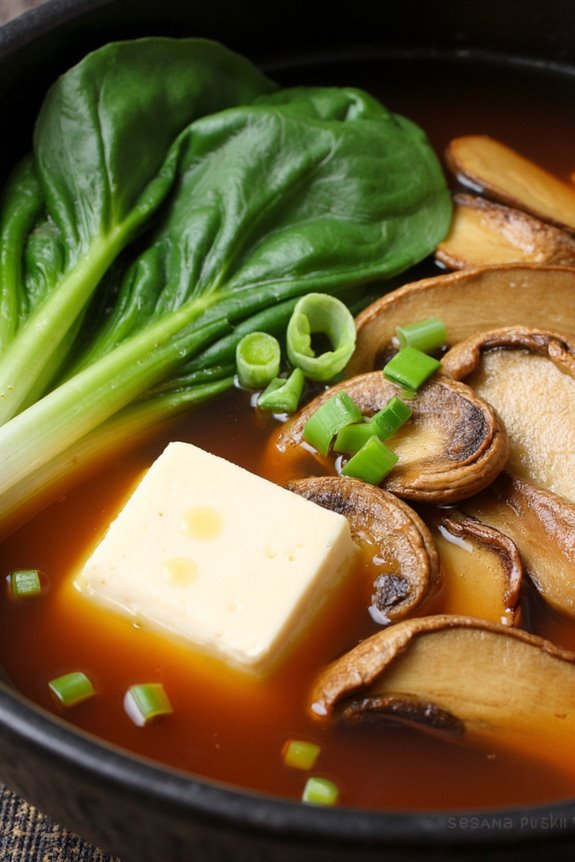
Miso soup, a staple in Japanese cuisine, isn’t just a comforting dish but also a powerhouse of flavors and nutrients. This particular version, featuring mushrooms and greens, elevates the classic soup by adding earthy umami notes from the mushrooms and a revitalizing crunch from the greens. It’s perfect for a light meal or as a warming starter.
With its simple preparation, you can whip up this delightful dish in no time, making it suitable for both busy weeknights and leisurely weekends.
The versatility of miso soup allows for various adaptations, but this recipe focuses on the rich flavors of shiitake and enoki mushrooms paired with vibrant spinach or bok choy. The result is a nourishing, hearty bowl of soup that can please both vegetarians and meat lovers alike.
Serve it alongside rice or as part of a larger meal to enjoy a taste of Japan in your own kitchen.
Ingredients (serving size: 4-6 people)
- 4 cups dashi broth (or vegetable broth)
- 1 cup shiitake mushrooms, sliced
- 1 cup enoki mushrooms, trimmed
- 2 cups fresh spinach or bok choy, chopped
- 1/2 cup green onions, sliced
- 1/4 cup miso paste (white or red)
- 1 tablespoon soy sauce (optional)
- 1 teaspoon sesame oil
- Sea salt, to taste
- Tofu (optional, cubed)
Cooking Instructions
- Prepare the Broth: In a medium-sized pot, bring the dashi broth to a gentle simmer over medium heat. This will serve as the base for your miso soup and will bring out the flavors of the ingredients you add later.
- Sauté the Mushrooms: Add the sliced shiitake mushrooms to the simmering broth. Cook for about 3-5 minutes until they become tender and start to release their juices. Then, add the enoki mushrooms and cook for an additional 2 minutes. This step enhances the umami flavor of the soup.
- Add Greens: Stir in the chopped spinach or bok choy and the sliced green onions. Allow the greens to wilt, which should take about 1-2 minutes. This adds color and nutritional value to your miso soup.
- Mix the Miso: In a small bowl, combine the miso paste with a ladle of the hot broth to create a smooth mixture. This helps prevent clumps of miso in the soup. Once mixed, pour the miso mixture back into the pot and stir well. Avoid boiling the soup after adding the miso, as high heat can kill the beneficial probiotics.
- Finish the Soup: Add soy sauce and sesame oil for additional flavor, and season with sea salt to taste. If you’re using tofu, gently fold in the cubed pieces at this stage. Let the soup simmer on low heat for another minute to warm the tofu.
- Serve: Ladle the soup into bowls and enjoy hot. You can garnish with extra green onions or a sprinkle of sesame seeds if desired.
Extra Tips
When making miso soup, feel free to experiment with different types of mushrooms and greens based on what you have available.
Additionally, adjusting the amount of miso to your taste can greatly influence the soup’s flavor profile; start with less and add more if you prefer a stronger taste.
For a heartier version, consider adding some noodles or a protein source like shrimp or chicken, transforming your miso soup into a fulfilling meal.
Enjoy your culinary journey into the heart of Japanese cuisine!
Miso and Sweet Potato Soup

Miso and Sweet Potato Soup is a delightful twist on traditional Japanese miso soup, combining the earthy flavors of miso paste with the natural sweetness of sweet potatoes. This soup isn’t only comforting and delicious, but it’s also packed with nutrients, making it a perfect dish for any time of year.
The combination of silky miso broth and tender sweet potato creates a harmonious balance of flavors, making each spoonful a warm hug for your palate. This recipe is perfect for a serving size of 4-6 people, making it ideal for family gatherings or cozy evenings at home.
The preparation is straightforward and quick, allowing you to enjoy this wholesome soup in about 30 minutes. With just a few fresh ingredients, you can whip up a nutritious and satisfying meal that everyone will love.
Ingredients:
- 4 cups vegetable or chicken broth
- 2 medium sweet potatoes, peeled and cubed
- 1 cup of sliced shiitake mushrooms (or any mushrooms of your choice)
- 1 block (about 7 oz) of silken tofu, cubed
- 3-4 green onions, sliced (white and green parts separated)
- 3 tablespoons of miso paste (white or yellow)
- 1 tablespoon of soy sauce (optional)
- 1 tablespoon of sesame oil
- Sea salt and black pepper to taste
- Fresh cilantro or parsley for garnish (optional)
Cooking Instructions:
- Prepare the Ingredients: Start by peeling and dicing the sweet potatoes into small, uniform cubes to guarantee even cooking. Slice the shiitake mushrooms and chop the green onions, keeping the white and green parts separate. Cube the silken tofu carefully, as it’s delicate.
- Cook the Sweet Potatoes: In a large pot, heat the sesame oil over medium heat. Once hot, add the cubed sweet potatoes and sauté for about 5-7 minutes until they start to soften and lightly caramelize. Stir occasionally to prevent sticking and guarantee even cooking.
- Add the Broth and Mushrooms: Pour in the vegetable or chicken broth and bring the mixture to a boil. Once boiling, add the sliced shiitake mushrooms. Lower the heat and let it simmer for about 10-15 minutes, or until the sweet potatoes are tender.
- Incorporate the Miso: In a small bowl, mix the miso paste with a ladleful of the hot broth until smooth. This helps dissolve the miso without lumps. Once fully mixed, stir the miso mixture back into the pot. If using soy sauce, add it at this stage for an extra depth of flavor.
- Add Tofu and Green Onions: Gently add the cubed silken tofu to the soup and stir carefully to avoid breaking the tofu. Then, add the white parts of the green onions. Allow the soup to simmer for an additional 2-3 minutes to heat everything through.
- Season and Serve: Taste the soup and adjust the seasoning with sea salt and black pepper as needed. Remove the pot from heat and ladle the soup into bowls. Garnish with the green parts of the green onions and fresh cilantro or parsley, if desired.
Extra Tips:
When preparing Miso and Sweet Potato Soup, feel free to customize the recipe by adding other vegetables such as spinach or bok choy for added nutrition.
Also, remember that miso paste is quite salty, so be cautious when adding additional salt to the soup. If you prefer a spicier kick, consider adding a dash of chili oil or red pepper flakes.
This soup can also be made ahead of time; just reheat gently, as boiling can alter the texture of the tofu. Enjoy your flavorful and wholesome miso soup!
Miso Soup With Clams and Daikon
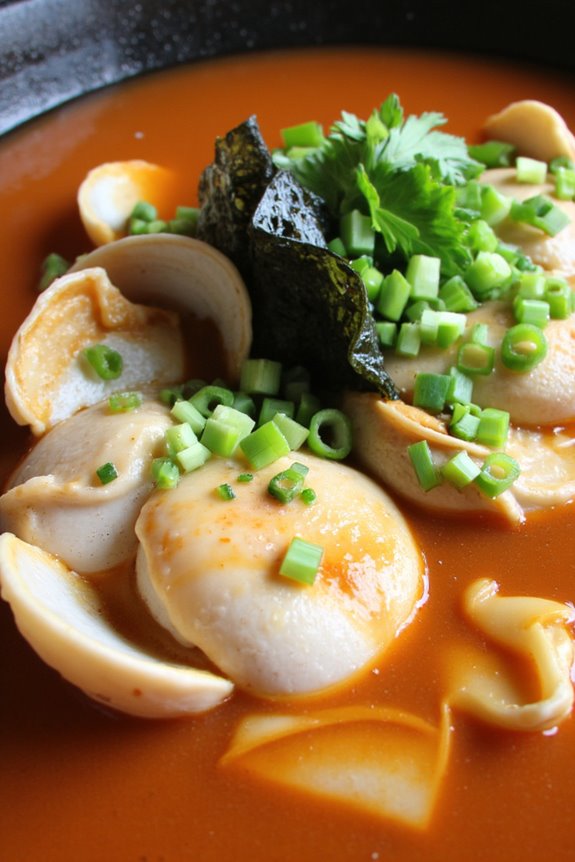
Miso Soup with Clams and Daikon is a delightful twist on the traditional Japanese miso soup, bringing in the briny flavor of clams and the crisp, invigorating texture of daikon radish. This soup isn’t only packed with umami from the miso paste but also offers a medley of oceanic and earthy flavors that make it a hearty and comforting dish.
It’s perfect for warming up on a chilly day or serving as a light starter for a more elaborate meal. The combination of clams, daikon, and miso creates a rich broth that’s both nourishing and satisfying. Clams add a depth of flavor that complements the creamy miso, while daikon provides a subtle sweetness and crunch.
This recipe is easy to follow and can be adapted to suit your taste, making it a versatile dish that can be enjoyed by everyone.
Ingredients (serves 4-6):
- 4 cups dashi broth (or water with dashi granules)
- 200g (7 oz) fresh clams, cleaned
- 1 medium daikon radish, peeled and sliced into thin rounds
- 3 tablespoons white miso paste
- 2 green onions, finely chopped
- 1 tablespoon soy sauce (optional)
- 1 tablespoon sake (optional)
- Seaweed (wakame), rehydrated (optional)
- Fresh cilantro for garnish (optional)
Cooking Instructions:
- Prepare the Dashi Broth: Start by making the dashi broth, which serves as the base of your soup. If using dashi granules, dissolve them in hot water according to package instructions to yield about 4 cups. If using prepared dashi, simply heat it in a pot over medium heat.
- Clean the Clams: While the broth is heating, clean the clams. Place them in a bowl of cool water with a bit of salt for about 30 minutes to help purge any sand. Rinse them under cold running water afterward to confirm they’re clean.
- Cook the Daikon: Once your dashi is simmering, add the sliced daikon to the pot. Allow the daikon to cook for about 5-7 minutes, or until it becomes tender but still retains a slight crunch.
- Add the Clams: Next, add the cleaned clams to the pot. Cover the pot and let the clams steam in the broth for about 5 minutes, or until they open up. Discard any clams that don’t open, as they may not be safe to eat.
- Whisk in the Miso: In a small bowl, take a ladleful of the hot broth and whisk in the miso paste until smooth. This step helps to avoid clumps in the soup. Once combined, pour the miso mixture back into the pot, stirring gently to incorporate it into the broth.
- Season the Soup: Taste the soup and season it with soy sauce and sake if desired. Adjust the seasoning according to your preference. If you like a stronger miso flavor, feel free to add more miso paste.
- Serve: Ladle the soup into bowls, making sure to distribute the clams and daikon evenly. Garnish with chopped green onions and rehydrated seaweed if using. Top with fresh cilantro for an added burst of flavor.
Extra Tips:
For the best results, use fresh clams that are tightly closed before cooking. If you’re using dried seaweed, soak it in water for about 10-15 minutes before adding it to the soup.
You can customize this recipe by adding other vegetables like tofu or mushrooms to enhance the nutritional value and flavor. Miso can also vary in saltiness, so always taste and adjust accordingly.
Miso Soup With Bok Choy and Ginger
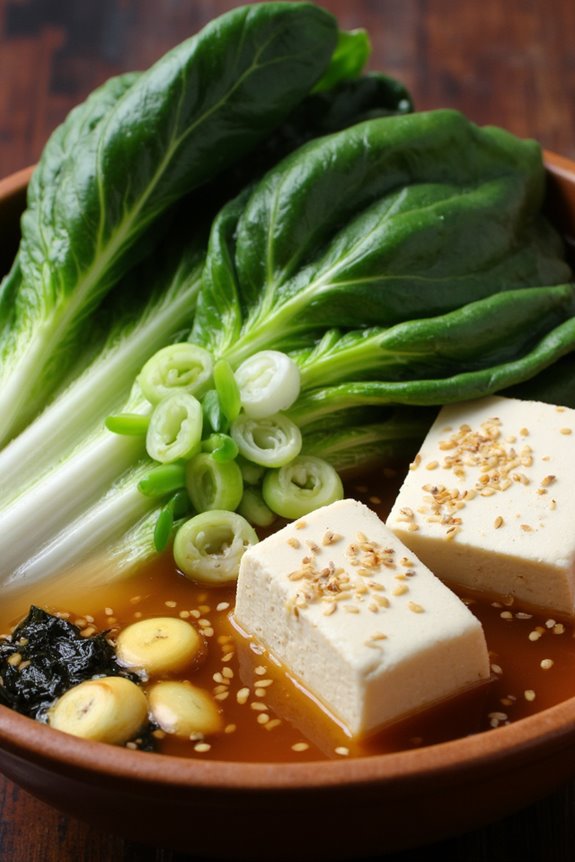
Miso soup is a traditional Japanese dish that warms the soul and provides a comforting, umami-rich flavor. This particular recipe combines the earthy notes of miso with the fresh crunch of bok choy and the zing of ginger, creating a vibrant and nutritious soup that’s perfect as a starter or light meal. Packed with nutrients and easily customizable, this dish is also a great way to incorporate more vegetables into your diet.
Bok choy, a type of Chinese cabbage, adds a delightful texture and a subtle sweetness to the soup, while ginger brings a hint of spice and enhances digestion. The combination of these ingredients with miso makes for a deliciously satisfying soup that isn’t only quick to prepare but also incredibly versatile. You can serve it on its own or pair it with rice and protein for a complete meal that’s both nourishing and satisfying.
Ingredients (Serves 4-6):
- 6 cups of vegetable or dashi broth
- 1 cup of bok choy, chopped
- 2 tablespoons of miso paste (white or yellow)
- 1 tablespoon of fresh ginger, grated
- 1 block (about 7 oz) of silken tofu, cubed
- 2 green onions, sliced
- 1 tablespoon of soy sauce (optional)
- Sesame seeds for garnish (optional)
- Seaweed (wakame) for garnish (optional)
Cooking Instructions:
- Prepare the Broth: In a large pot, bring the vegetable or dashi broth to a gentle simmer over medium heat. This will serve as the base for your miso soup, providing a rich flavor.
- Add Ginger: Once the broth is simmering, add the freshly grated ginger. Allow it to infuse the broth for about 5 minutes, giving the soup a fragrant and spicy kick.
- Incorporate Bok Choy: Add the chopped bok choy to the pot. Cook for an additional 2-3 minutes until the bok choy is tender yet still vibrant green. This step guarantees that the vegetables retain their nutritional value and crunch.
- Mix in Miso Paste: In a small bowl, take a ladleful of the hot broth and mix it with the miso paste until smooth. This helps to dissolve the miso without clumping. Once mixed, pour the miso mixture back into the pot and stir well to combine. Be careful not to boil the soup after adding the miso, as high heat can destroy its beneficial properties.
- Add Tofu: Gently add the cubed silken tofu to the soup. Let it warm through for about 2 minutes, being careful not to break the tofu cubes. This step makes certain the tofu is heated while maintaining its delicate texture.
- Season and Serve: If desired, stir in the soy sauce for added flavor, then remove the pot from heat. Ladle the soup into bowls and garnish with sliced green onions, sesame seeds, and seaweed, if using. Serve hot and enjoy!
Extra Tips:
When preparing miso soup, it’s important to choose the right type of miso paste based on your flavor preference. White miso is sweeter and milder, while red miso is stronger and saltier.
Feel free to customize your soup by adding other vegetables such as mushrooms, carrots, or spinach. Keep in mind that miso soup is best enjoyed fresh; however, you can store leftovers in the fridge for a day or two. Just remember to avoid reheating it to a boil to preserve the beneficial enzymes in the miso.
Miso Soup With Corn and Green Onions
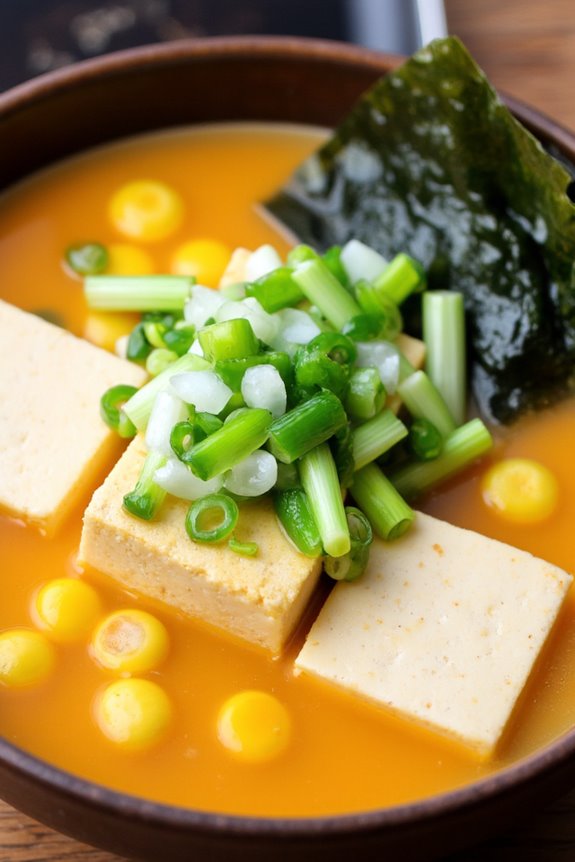
Miso soup is a staple in Japanese cuisine, celebrated for its comforting flavors and versatility. This particular recipe for Miso Soup with Corn and Green Onions adds a delightful sweetness from the corn and a fresh crunch from the green onions, making it a perfect dish for any time of the year.
Whether enjoyed as a starter or a light meal, this soup isn’t only nutritious but also quick and easy to prepare. To create this wholesome dish, you’ll need some basic ingredients like miso paste, broth, and fresh produce. The combination of corn and green onions not only enhances the flavor profile but also adds a vibrant color and texture to the soup.
This recipe serves 4-6 people, making it ideal for family dinners or casual get-togethers.
Ingredients:
- 4 cups dashi broth (or vegetable broth)
- 1 cup corn kernels (fresh, frozen, or canned)
- 3-4 green onions (sliced thinly)
- 3-4 tablespoons miso paste (white or yellow)
- 1 block of soft tofu (cubed)
- Soy sauce (optional, to taste)
- Seaweed (like wakame, optional for garnish)
Cooking Instructions:
1. Prepare the Broth:
In a large pot, bring the dashi broth to a gentle simmer over medium heat. If you’re using vegetable broth, confirm it’s well-seasoned to add depth to the soup.
2. Add the Corn:
Once the broth is simmering, add the corn kernels to the pot. Allow the corn to cook for about 3-5 minutes until it’s heated through and tender, bringing out its natural sweetness.
3. Incorporate the Tofu:
Gently add the cubed soft tofu to the pot. Be careful to stir lightly to avoid breaking the tofu. Let the mixture simmer for an additional 2-3 minutes, allowing the tofu to warm up.
4. Mix in the Miso Paste:
In a small bowl, take a ladleful of the hot broth and mix it with the miso paste until smooth. This step helps to dissolve the miso evenly without clumping. Once combined, pour the miso mixture back into the pot and stir well.
Don’t boil the soup after adding miso, as high heat can diminish its flavor and health benefits.
5. Finish with Green Onions:
Add the sliced green onions to the soup, reserving a few for garnish. Stir everything together, and let it sit for a minute or two to allow the flavors to meld.
6. Serve:
Ladle the soup into bowls, garnishing with any additional green onions and seaweed if desired. Serve hot and enjoy the comforting warmth of this delicious miso soup.
Extra Tips:
When making Miso Soup with Corn and Green Onions, feel free to customize the ingredients based on your preferences. You can add other vegetables like mushrooms or spinach for additional nutrition.
Adjust the amount of miso paste according to your taste—start with less and add more if you prefer a stronger flavor. Additionally, using fresh corn in season can elevate the sweetness of the soup, while canned or frozen corn works well for convenience.
Always taste the soup before serving to adjust seasoning with soy sauce if needed.
Creamy Miso Soup With Coconut Milk
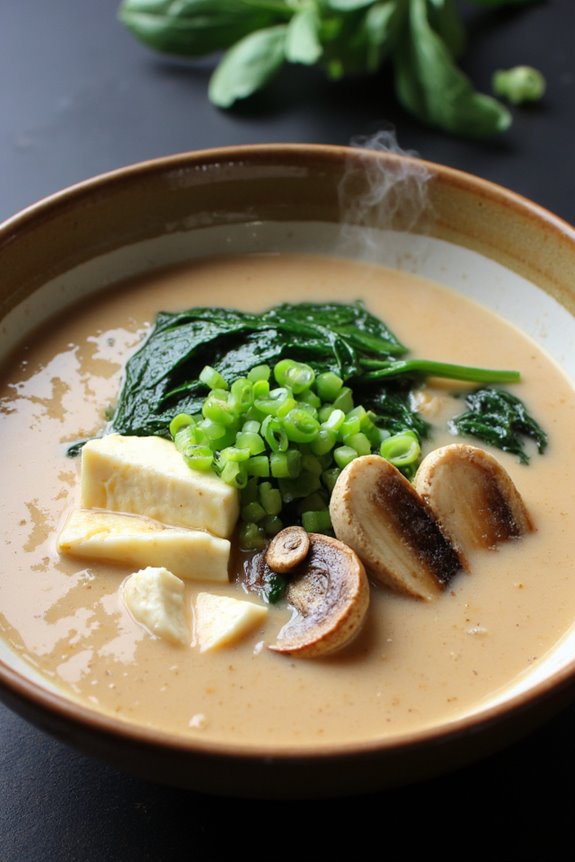
Miso soup is a beloved staple in Japanese cuisine, cherished for its comforting flavors and nourishing qualities. This creamy miso soup recipe elevates the traditional dish by incorporating coconut milk, adding a luscious richness that pairs beautifully with the umami notes of miso. The combination of ingredients creates a delightful fusion of flavors, making this soup not only delicious but also satisfying and wholesome.
In this recipe, we’ll explore how to create a creamy miso soup that serves 4-6 people. This dish is perfect as a starter or a light meal on its own, and it can be easily customized with your choice of vegetables and proteins. Whether you’re a seasoned cook or trying your hand at Japanese cuisine for the first time, this soup will undoubtedly impress your family and friends.
Ingredients
- 4 cups vegetable or chicken broth
- 1 can (400ml) coconut milk
- 1/4 cup miso paste (white or yellow)
- 1 cup diced tofu (firm or silken)
- 1 cup sliced mushrooms (shiitake or button)
- 1 cup chopped spinach or kale
- 1/2 cup sliced green onions (scallions)
- 2 cloves garlic, minced
- 1 tablespoon grated fresh ginger
- 1 tablespoon soy sauce (optional)
- 1 tablespoon sesame oil
- Salt and pepper to taste
Cooking Instructions
- Prepare the Broth: In a large pot, heat the vegetable or chicken broth over medium heat. Bring it to a gentle simmer, allowing the flavors to meld. This will be the base for your soup, so verify it’s well-seasoned.
- Combine Coconut Milk and Miso: In a separate bowl, whisk together the coconut milk and miso paste until smooth. This helps to dissolve the miso and guarantees an even distribution of flavor throughout the soup. Set aside.
- Sauté Aromatics: In the pot with the simmering broth, add the sesame oil, minced garlic, and grated ginger. Sauté for about 2-3 minutes until fragrant, being careful not to let the garlic burn.
- Add Vegetables: Stir in the sliced mushrooms and diced tofu, allowing them to cook for approximately 5 minutes. This step infuses the broth with additional flavors and gives the mushrooms a chance to soften.
- Incorporate Coconut Miso Mixture: Reduce the heat to low, then gradually stir in the coconut milk and miso mixture. Mix well until fully incorporated, ensuring the miso is dissolved. Avoid boiling the soup after adding miso, as high heat can diminish its flavor and probiotic benefits.
- Finish with Greens: Add the chopped spinach or kale and sliced green onions to the pot, stirring until the greens are wilted and tender. This should take about 2-3 minutes. Taste the soup and adjust the seasoning with soy sauce, salt, and pepper as needed.
- Serve: Ladle the creamy miso soup into bowls and garnish with additional green onions if desired. Serve warm and enjoy!
Extra Tips
When making creamy miso soup with coconut milk, feel free to experiment with different vegetables such as carrots, bok choy, or bell peppers. You can also add proteins like shrimp or chicken for a heartier meal.
If you prefer a spicier kick, consider adding a dash of chili oil or red pepper flakes. Remember to adjust the amount of miso paste according to your taste preference, as some brands can be saltier than others. Enjoy your culinary adventure!
Miso Soup With Noodles and Spinach
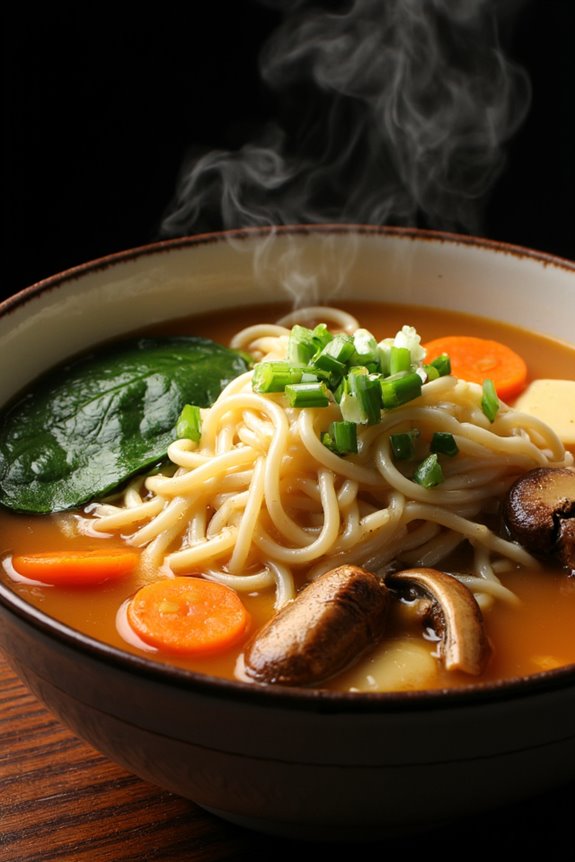
Miso soup is a staple in Japanese cuisine, known for its rich umami flavor and nourishing qualities. This particular recipe for Miso Soup With Noodles and Spinach brings a delightful twist to the traditional soup by incorporating hearty noodles and vibrant spinach, creating a comforting and satisfying dish. Perfect for a light lunch or dinner, this miso soup offers a balance of flavors and textures that will please both the palate and the spirit.
The beauty of this miso soup lies not only in its simplicity but also in its versatility. You can customize it by adding your favorite vegetables or proteins, making it an excellent option for using up leftovers. The warmth of the broth, combined with the freshness of spinach and the chewiness of noodles, creates a harmonious meal that’s both nourishing and delicious.
Ingredients (Serves 4-6):
- 6 cups dashi broth (or vegetable broth)
- 3-4 tablespoons miso paste (white or red, based on preference)
- 200g (7 oz) udon noodles or soba noodles
- 2 cups fresh spinach, washed and chopped
- 1 medium carrot, thinly sliced
- 1 cup shiitake mushrooms, sliced (or any mushrooms of your choice)
- 2 green onions, chopped
- 1 tablespoon soy sauce (optional)
- Sesame oil, for drizzling (optional)
- Sea salt, to taste
Cooking Instructions:
- Prepare the Broth: In a large pot, bring the dashi broth to a gentle simmer over medium heat. If you’re using vegetable broth, verify it’s well-seasoned to provide a good base for the soup.
- Cook the Noodles: Add the udon or soba noodles to the simmering broth. Cook according to package instructions until they’re tender but still have a slight bite, usually about 5-7 minutes. Once cooked, drain and set aside.
- Add Vegetables: To the broth, add the sliced carrots and mushrooms. Allow them to cook for about 3-4 minutes until they soften slightly. This step enhances the flavor of the broth while incorporating fresh vegetables.
- Incorporate Spinach: Stir in the chopped spinach and cook for an additional 1-2 minutes until it wilts. The spinach adds a vibrant color and nutrients to the soup.
- Mix in Miso Paste: In a separate bowl, mix the miso paste with a small amount of hot broth until it forms a smooth slurry. This prevents clumps in the soup. Gradually add this mixture back into the pot, stirring well to combine.
- Final Seasoning: Taste the soup and adjust the seasoning as necessary. If desired, add soy sauce for extra flavor and drizzle with sesame oil for a nutty aroma. Remove the soup from heat once everything is combined.
- Serve: Place a portion of the cooked noodles in serving bowls, ladle the hot soup over them, and garnish with chopped green onions. Serve immediately to enjoy the soup at its best.
Extra Tips:
When making Miso Soup With Noodles and Spinach, it’s important to avoid boiling the soup after adding the miso paste, as high heat can destroy the beneficial probiotics found in miso.
You can also experiment with different types of miso paste to find the flavor that best suits your taste. Additionally, consider adding tofu or other proteins for extra heartiness, and feel free to get creative with seasonal vegetables to make the dish your own.
