


When it comes to comfort food, Japanese dishes hold a special place in my heart. From a steaming bowl of ramen to the crispy goodness of tonkatsu, each bite feels like a warm hug. These 12 authentic recipes bring a taste of tradition and home. Perfect for when you’re looking to satisfy your palate and your soul. Ready to explore these delightful flavors?
Ramen: A Bowl of Heartwarming Noodles
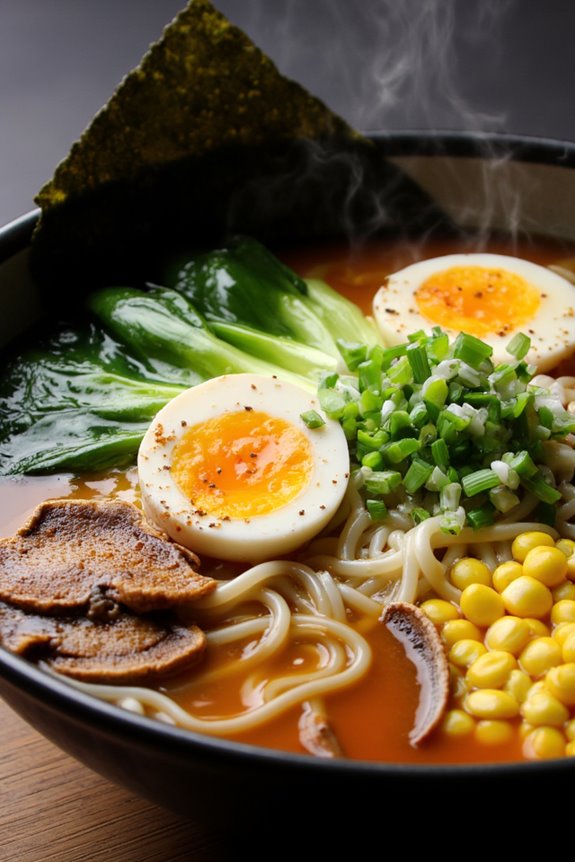
Ramen isn’t just a dish but an experience that warms the heart and soul, making it the ultimate comfort food. Originating from Japan, this beloved noodle soup is celebrated for its rich broth, tender noodles, and a variety of toppings that can be customized to suit any taste.
The beauty of ramen lies in its versatility—whether you prefer a savory miso base or a lighter shoyu broth, there’s a ramen recipe for everyone. This dish is perfect for gatherings, cozy nights in, or even as a quick meal that feels indulgent.
Creating a bowl of ramen at home may seem intimidating, but with the right ingredients and a little patience, it can be a rewarding endeavor. The process involves making a flavorful broth, cooking perfectly chewy noodles, and assembling your bowl with delightful toppings. With this recipe, you can bring the comforting warmth of ramen right to your kitchen.
Ingredients (Serves 4-6):
- 4 cups chicken or vegetable broth
- 2 cups water
- 2 packs of fresh ramen noodles (or dried, if fresh isn’t available)
- 1 tablespoon soy sauce
- 1 tablespoon miso paste (optional)
- 2 green onions, chopped
- 2 eggs
- 1 cup bok choy, chopped
- 1 cup sliced mushrooms (shiitake or button)
- 1 cup corn kernels (fresh or canned)
- 1 teaspoon sesame oil
- Nori sheets (seaweed), for garnish
- Chili oil or flakes, optional for spice
- Salt and pepper, to taste
Cooking Instructions:
- Prepare the Broth: In a large pot, combine the chicken or vegetable broth and water. Bring to a gentle boil over medium-high heat. Once boiling, reduce the heat to low and stir in the soy sauce and miso paste if using. Let the broth simmer for about 15-20 minutes to allow the flavors to meld together.
- Cook the Eggs: While the broth is simmering, bring a separate pot of water to a boil. Carefully add the eggs and boil for 6-7 minutes for a soft-boiled consistency. Once done, remove the eggs and place them in an ice bath or cold water to stop the cooking process. Once cooled, peel and set aside.
- Prepare the Vegetables: In the simmering broth, add the chopped bok choy, sliced mushrooms, and corn. Cook for about 5-7 minutes until the vegetables are tender but still vibrant in color. Taste the broth and adjust seasoning with salt and pepper if necessary.
- Cook the Noodles: In another pot, cook the ramen noodles according to package instructions. Fresh noodles typically take 2-4 minutes, while dried noodles may take longer. Once cooked, drain and rinse the noodles under cold water to stop the cooking process and to prevent sticking.
- Assemble the Ramen Bowls: Divide the cooked noodles among serving bowls. Ladle the hot broth and vegetables over the noodles. Cut the soft-boiled eggs in half and place them on top of the ramen. Garnish with chopped green onions, a drizzle of sesame oil, and nori sheets. For those who like a kick, add a drizzle of chili oil or a sprinkle of chili flakes.
- Serve: Enjoy your homemade ramen hot, and feel free to customize with any additional toppings such as sliced pork, tofu, or other vegetables!
Extra Tips:
When making ramen, the quality of the broth is key, so don’t rush this step—allow it to simmer for a while to develop depth of flavor.
Feel free to customize your toppings based on personal preference or what you have on hand. Leftover ramen broth can be stored in the fridge for a few days, making it easy to whip up a quick meal later on.
Finally, don’t forget to savor each slurp—it’s all part of the experience!
Okonomiyaki: Savory Japanese Pancakes
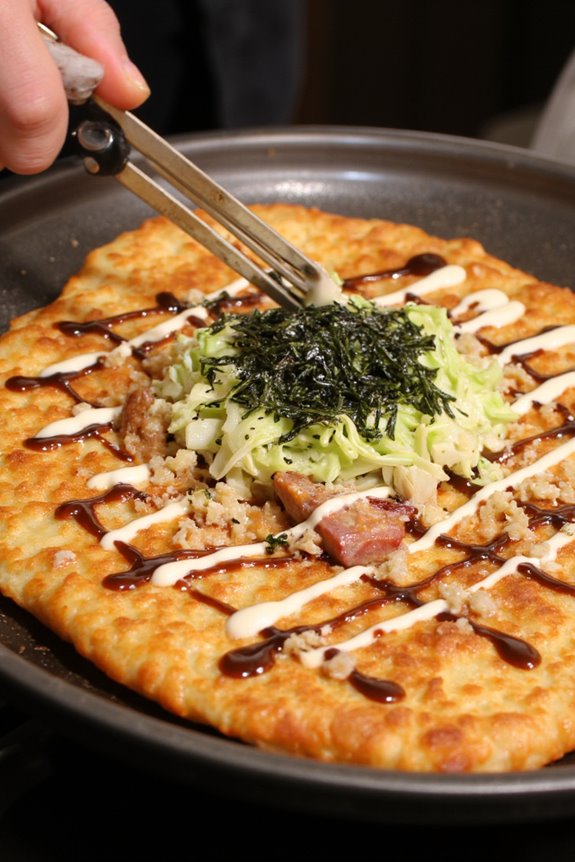
Okonomiyaki, often referred to as “Japanese savory pancakes,” is a delightful dish that hails from Osaka and Hiroshima. This comforting meal isn’t only delicious but also incredibly versatile; you can customize it with a variety of ingredients based on your preferences and what you have on hand. The name “okonomiyaki” translates to “grilled as you like it,” which perfectly captures the essence of this dish.
It’s a fantastic way to bring a taste of Japan into your home kitchen, and it’s sure to please family and friends alike.
The base of okonomiyaki is a simple batter made from flour, eggs, and shredded cabbage, but the real magic happens with the toppings and fillings. Common additions include meats like pork belly or shrimp, and vegetables such as green onions and mushrooms. The pancakes are then cooked on a hot griddle or skillet, creating a crispy exterior while keeping the interior moist and flavorful.
Once cooked, they’re typically drizzled with okonomiyaki sauce, mayonnaise, and sprinkled with bonito flakes and seaweed for an authentic finish.
Ingredients (Serves 4-6):
- 2 cups all-purpose flour
- 1 ½ cups dashi broth (or water)
- 2 large eggs
- 4 cups finely shredded cabbage
- ½ cup chopped green onions
- 1 cup cooked and chopped pork belly (or other protein)
- ½ cup tenkasu (tempura scraps, optional)
- ¼ cup pickled ginger (optional)
- Okonomiyaki sauce
- Japanese mayonnaise
- Aonori (dried seaweed flakes)
- Bonito flakes
Cooking Instructions:
- Prepare the Batter: In a large mixing bowl, combine the all-purpose flour and dashi broth. Whisk until smooth, confirming there are no lumps. Add the eggs and mix until fully incorporated. The batter should be thick but pourable.
- Add Vegetables and Protein: Fold in the finely shredded cabbage, chopped green onions, cooked pork belly (or your choice of protein), tenkasu, and pickled ginger (if using). Make sure everything is evenly distributed throughout the batter.
- Preheat the Cooking Surface: Heat a large skillet or griddle over medium heat and lightly grease it with oil. Verify the surface is hot enough by sprinkling a few drops of water on it; they should sizzle and evaporate quickly.
- Cook the Okonomiyaki: Pour a ladleful of the batter mixture onto the skillet, shaping it into a circle about 1 inch thick. Cook for about 4-5 minutes on one side until golden brown and crispy. Use a spatula to gently lift the edges to check the color.
- Flip the Pancake: Once the bottom is nicely browned, carefully flip the okonomiyaki using two spatulas. Cook the other side for another 4-5 minutes until it’s also golden brown and cooked through.
- Serve: Transfer the cooked pancake to a serving plate. Drizzle with okonomiyaki sauce and Japanese mayonnaise in a crisscross pattern. Sprinkle with aonori and bonito flakes on top for added flavor and presentation.
- Repeat: Continue the process with the remaining batter, greasing the skillet as needed for each pancake.
Extra Tips:
For the best results, make sure not to overmix the batter once you add the cabbage and other fillings, as this can make the pancakes tough.
You can also experiment with different toppings and fillings to suit your taste—try adding cheese, different types of seafood, or even kimchi for a spicy kick!
Feel free to adjust the sauce quantities to your liking, and serve with a side of pickled vegetables for a complete meal. Enjoy your homemade okonomiyaki!
Tonkatsu: Breaded Pork Cutlet Delight

Tonkatsu is a beloved Japanese dish featuring tender pork cutlets coated in a crispy breadcrumb crust. This comforting dish is often served with shredded cabbage, a drizzle of tangy tonkatsu sauce, and a side of steamed rice, making it a hearty meal that appeals to all ages. Its origins can be traced back to the late 19th century, where it was influenced by Western cuisine, and over the years, it has become a staple in Japanese households and restaurants alike.
Making tonkatsu at home is a rewarding experience, as you can customize it to your taste. The combination of succulent pork, crunchy panko breadcrumbs, and savory sauce creates a delightful contrast of textures and flavors. This recipe will guide you through the steps to create a perfect tonkatsu that serves 4-6 people, guaranteeing that your family and friends will enjoy every bite.
Ingredients
- 4 boneless pork loin chops (about 1 inch thick)
- Salt and pepper, to taste
- 1/2 cup all-purpose flour
- 2 large eggs
- 1 cup panko breadcrumbs
- Vegetable oil, for frying
- 1 cup shredded cabbage (for serving)
- Tonkatsu sauce, for serving
- Steamed rice, for serving (optional)
Cooking Instructions
- Prepare the Pork Chops: Start by gently pounding the pork loin chops with a meat mallet or rolling pin to about 1/2 inch thickness. This process tenderizes the meat and guarantees even cooking. Season both sides of the pork chops generously with salt and pepper.
- Set Up the Breading Station: In three separate shallow dishes, place the flour in the first dish, beat the eggs in the second dish, and fill the third dish with panko breadcrumbs. This three-step breading process will help create a crispy coating on the pork.
- Bread the Pork Chops: Take one pork chop and dredge it in the flour, ensuring it’s fully coated. Shake off any excess flour, then dip it into the beaten eggs, allowing any excess to drip off. Finally, coat the pork chop in panko breadcrumbs, pressing gently to guarantee the breadcrumbs adhere well. Repeat this process for all the pork chops.
- Heat the Oil: In a large skillet, pour enough vegetable oil to cover the bottom of the pan (about 1/4 inch deep). Heat the oil over medium heat until it reaches about 350°F (175°C). You can test if the oil is ready by dropping a small piece of panko into it; if it sizzles and bubbles, the oil is hot enough.
- Fry the Pork Chops: Carefully place the breaded pork chops in the hot oil, ensuring not to overcrowd the pan. Fry for about 4-5 minutes on each side, or until the coating is golden brown and crispy, and the internal temperature of the pork reaches 145°F (63°C). Adjust the heat as necessary to prevent burning.
- Drain and Serve: Once cooked, transfer the tonkatsu to a plate lined with paper towels to absorb excess oil. Allow them to rest for a minute before slicing them into strips. Serve the tonkatsu with a side of shredded cabbage, a drizzle of tonkatsu sauce, and steamed rice if desired.
Extra Tips
For the best tonkatsu, choose pork loin chops with a bit of fat for added flavor and juiciness. Confirm the oil is at the right temperature to achieve a crispy coating without absorbing too much oil.
If you prefer a lighter version, you can bake the breaded pork in a preheated oven at 400°F (200°C) for about 20-25 minutes, flipping halfway through, though this may result in a slightly different texture. Enjoy your homemade tonkatsu!
Udon: Thick Noodles in Flavorful Broth
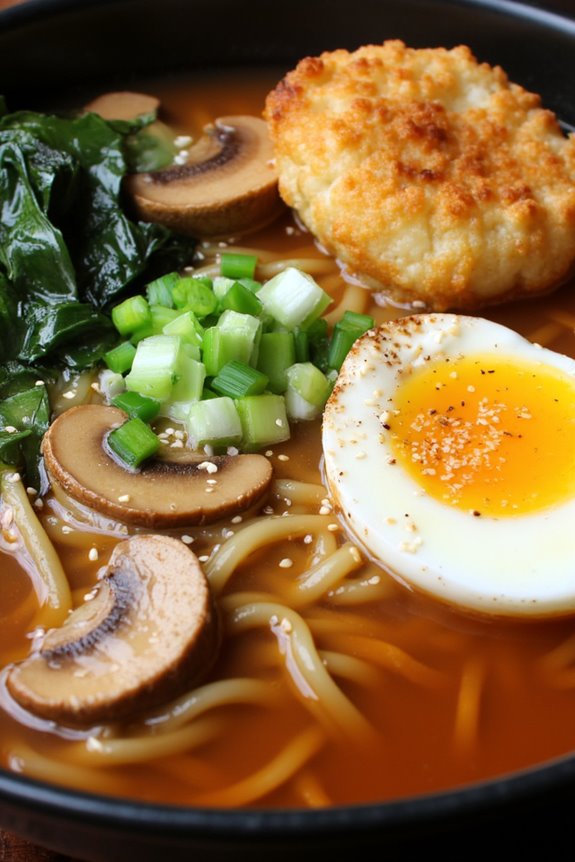
Udon is a beloved staple in Japanese cuisine, known for its thick, chewy noodles and rich, flavorful broth. This comforting dish is perfect for any occasion, offering warmth and sustenance, especially during colder months. The versatility of udon allows for various toppings, such as vegetables, meat, or tofu, which can be tailored to your preferences.
Whether you’re a seasoned cook or a beginner, this recipe will guide you through creating a delicious bowl of udon that captures the essence of Japanese home cooking.
In this recipe, we’ll focus on making a classic udon dish featuring a savory broth that’s both easy to prepare and deeply satisfying. The combination of umami-rich ingredients, such as soy sauce and dashi, delivers a depth of flavor that complements the noodles perfectly.
Serve it with your choice of toppings, such as green onions, tempura, or a soft-boiled egg, to elevate the experience. Let’s explore the ingredients and cooking process to create this delicious bowl of udon.
Ingredients (Serves 4-6)
- 400g udon noodles (fresh or frozen)
- 4 cups dashi stock (homemade or store-bought)
- 2 tablespoons soy sauce
- 1 tablespoon mirin
- 1 tablespoon sake (optional)
- 1 teaspoon sugar
- 2 green onions, chopped
- 1 cup shiitake mushrooms, sliced
- 1 cup bok choy or spinach
- 4 soft-boiled eggs (optional)
- Tempura flakes (optional, for garnish)
- Sesame seeds (for garnish)
Cooking Instructions
- Prepare the Dashi Stock: If using homemade dashi, prepare it by combining water, kombu (dried kelp), and bonito flakes in a pot. Bring to a simmer and strain the liquid to obtain a clear broth. If using store-bought dashi, simply heat it in a pot until warm.
- Cook the Udon Noodles: In a separate pot, bring water to a boil. Add the udon noodles and cook according to package instructions until they’re tender. Fresh udon usually takes about 3-4 minutes, while frozen may take a bit longer. Once cooked, drain the noodles and rinse them under cold water to stop the cooking process. Set aside.
- Make the Broth: In the pot with the dashi, add the soy sauce, mirin, sake (if using), and sugar. Stir well and allow the mixture to simmer for about 5 minutes. This will help the flavors meld together.
- Add the Vegetables: Add the sliced shiitake mushrooms and bok choy (or spinach) to the broth. Let them simmer for an additional 3-4 minutes until the vegetables are tender and cooked through.
- Combine Udon and Broth: Gently add the cooked udon noodles to the pot with the broth and vegetables. Stir to combine and heat for another 2-3 minutes, ensuring the noodles absorb the flavors of the broth.
- Serve and Garnish: Ladle the udon into bowls, making sure to include broth and vegetables in each serving. Top with chopped green onions, a soft-boiled egg (if desired), tempura flakes, and a sprinkle of sesame seeds for added texture and flavor.
Extra Tips
When cooking udon, make sure not to overcook the noodles, as they can become mushy. Rinsing them under cold water after boiling helps to achieve the perfect chewy texture.
Feel free to experiment with toppings based on what you have available; other great options include sliced radish, seaweed, or even leftover proteins.
Finally, adjust the seasoning of the broth to your taste, adding more soy sauce or mirin as preferred for a richer flavor. Enjoy your homemade udon!
Yakitori: Grilled Chicken Skewers
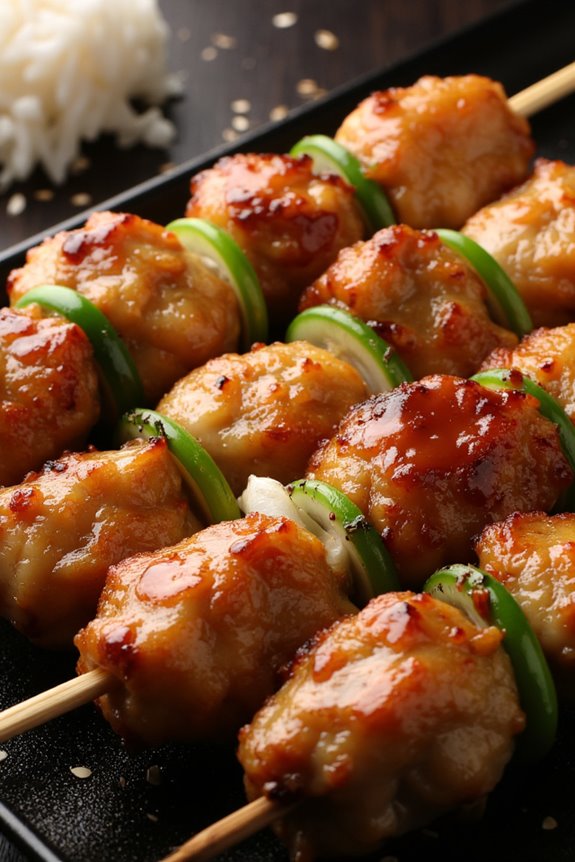
Yakitori, a beloved Japanese dish, consists of skewered and grilled chicken pieces that are often seasoned with a savory-sweet sauce known as tare. Originating from the streets of Japan, this dish brings together simple ingredients that transform into a delightful culinary experience.
Yakitori isn’t only a staple at izakayas (Japanese pubs) but also a popular choice for outdoor barbecues and family gatherings. The beauty of yakitori lies in its versatility; you can use various parts of the chicken, such as thighs, breasts, and even liver, to cater to different tastes.
Cooking yakitori is a straightforward process that can be easily replicated at home. The key to achieving the perfect skewers is to marinate the chicken and grill it to perfection, allowing the flavors to meld beautifully. Whether you enjoy it with rice, as part of a bento box, or on its own, yakitori is sure to impress your guests and satisfy your craving for comfort food.
Ingredients (Serves 4-6):
- 1.5 lbs chicken thighs, boneless and skinless
- 2 green onions, cut into 1-inch pieces
- 1/4 cup soy sauce
- 1/4 cup mirin (sweet rice wine)
- 2 tablespoons sake
- 2 tablespoons sugar
- 1 tablespoon sesame oil
- Salt and pepper to taste
- Skewers (bamboo or metal)
Cooking Instructions:
- Prepare the Chicken: Start by cutting the chicken thighs into bite-sized pieces, approximately 1-2 inches in size. This will guarantee even cooking and allow the chicken to absorb flavors from the marinade effectively.
- Make the Marinade: In a mixing bowl, combine the soy sauce, mirin, sake, sugar, and sesame oil. Whisk the ingredients together until the sugar is fully dissolved. This marinade won’t only season the chicken but also give it a beautiful glaze once grilled.
- Marinate the Chicken: Place the chicken pieces in a resealable plastic bag or a shallow dish, and pour the marinade over them. Seal the bag or cover the dish and refrigerate for at least 30 minutes to 2 hours. For the best flavor, consider marinating overnight.
- Prepare the Skewers: If you’re using bamboo skewers, soak them in water for at least 30 minutes before grilling to prevent burning. Once ready, alternate threading the marinated chicken and green onion pieces onto the skewers.
- Preheat the Grill: Preheat your grill or grill pan over medium-high heat. If using an outdoor grill, guarantee the grates are clean and lightly oiled to prevent sticking.
- Grill the Yakitori: Place the skewers on the grill and cook for about 4-5 minutes on each side, brushing with leftover marinade occasionally. This will enhance the flavor and create a sticky glaze. Cook until the chicken is thoroughly cooked and has a nice char.
- Serve: Once cooked, remove the skewers from the grill and let them rest for a minute. Serve the yakitori hot with a sprinkle of salt and pepper, and enjoy with steamed rice or as an appetizer.
Extra Tips:
For an authentic touch, consider adding different vegetables to the skewers, such as bell peppers, mushrooms, or cherry tomatoes.
You can also experiment with different marinades or dipping sauces to suit your palate. Remember to keep an eye on the skewers while they grill, as cooking times can vary based on the heat of your grill and the size of the chicken pieces.
Enjoy your homemade yakitori with friends and family for a taste of Japan right in your own kitchen!
Gyoza: Crispy Dumplings With a Twist
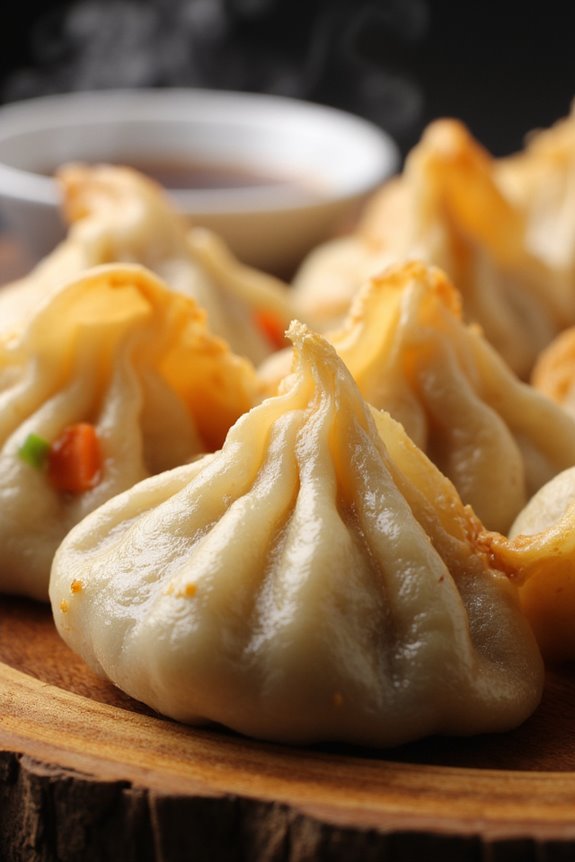
Gyoza, the beloved Japanese dumpling, are a delightful fusion of textures and flavors that can elevate any meal. Traditionally filled with ground meat and vegetables, these dumplings are pan-fried to achieve a crispy bottom while retaining a tender, juicy filling. This recipe takes a twist on the classic version by incorporating a hint of ginger and sesame oil, which adds a revitalizing zest and a nutty depth of flavor. Perfect for sharing or enjoying solo, these dumplings will warm your heart and satisfy your cravings for comfort food.
Making gyoza is a fantastic way to bring friends or family together in the kitchen. Not only do they provide a fun cooking experience, but they can also be customized with your favorite ingredients or dietary preferences. Serve the gyoza with a homemade dipping sauce for a complete meal that’s sure to impress. Get ready to roll, fold, and fry your way to delicious gyoza!
Ingredients (Serves 4-6 people)
- 1 package of gyoza wrappers (about 30-40 pieces)
- 1 pound ground pork (or chicken, beef, or tofu for vegetarian)
- 1 cup finely chopped cabbage
- 1/2 cup grated carrots
- 3 green onions, finely sliced
- 2 cloves garlic, minced
- 1 tablespoon ginger, grated
- 2 tablespoons soy sauce
- 1 tablespoon sesame oil
- 1 tablespoon cornstarch
- Salt and pepper to taste
- 3 tablespoons vegetable oil (for frying)
- Water (for steaming)
Cooking Instructions
- Prepare the Filling: In a large mixing bowl, combine the ground meat (or tofu), chopped cabbage, grated carrots, sliced green onions, minced garlic, and grated ginger. Add the soy sauce, sesame oil, cornstarch, and a pinch of salt and pepper. Mix well until all ingredients are evenly incorporated. This mixture should be moist but not overly wet, allowing for easy filling of the wrappers.
- Fill the Gyoza Wrappers: Take a gyoza wrapper and place about a tablespoon of the filling in the center. Be careful not to overfill, as this can lead to tearing. Wet the edges of the wrapper with a little water using your finger. Fold the wrapper in half to create a half-moon shape, then pinch the edges to seal. You can also create pleats along the edge for a decorative touch. Repeat this process until all wrappers are filled.
- Pan-Fry the Gyoza: Heat a large non-stick skillet over medium heat and add 1 tablespoon of vegetable oil. Once hot, arrange the gyoza in a single layer in the skillet, making sure they don’t touch each other. Fry for about 3-4 minutes, or until the bottoms are golden brown and crispy.
- Steam the Gyoza: After the bottoms are crispy, carefully add about 1/4 cup of water to the skillet and immediately cover with a lid. The water will steam the tops of the gyoza while the bottoms continue to fry. Allow them to steam for about 5-7 minutes, or until the water has evaporated.
- Serve: Once cooked, remove the lid and let the gyoza fry for an additional minute to ensure the bottoms are perfectly crispy. Transfer the gyoza to a serving platter and repeat the process with the remaining dumplings. Serve hot with your favorite dipping sauce, such as a mix of soy sauce, rice vinegar, and chili oil.
Extra Tips
When making gyoza, feel free to experiment with the filling ingredients. You can incorporate mushrooms, spinach, or even different spices to suit your taste.
If you want to make the process even easier, consider buying pre-prepared filling from a local Asian grocery store. Additionally, gyoza can be frozen before cooking; just arrange them in a single layer on a baking sheet and freeze until solid.
Once frozen, transfer them to a zip-top bag and store in the freezer for a quick meal option. Enjoy the delicious results of your labor, and don’t forget to share!
Miso Soup: A Soulful Japanese Classic

Miso soup is a staple in Japanese cuisine, beloved for its comforting and nourishing qualities. This simple yet flavorful broth combines miso paste, dashi (a Japanese stock), and a variety of ingredients such as tofu, seaweed, and green onions. Traditionally served as a side dish, miso soup can be enjoyed at any meal and is particularly popular during breakfast. Its umami-rich flavor and creamy texture make it a favorite among both locals and those discovering Japanese food for the first time.
Making miso soup at home is straightforward and allows for plenty of customization. You can experiment with different types of miso, such as white, red, or mixed, to achieve your desired taste. Additionally, feel free to add other ingredients like mushrooms, vegetables, or proteins to make the soup heartier. This recipe serves 4-6 people, making it perfect for sharing with family or friends on a cozy evening.
Ingredients for Miso Soup (Serves 4-6):
- 4 cups dashi (or water with dashi powder)
- 4 tablespoons miso paste (white or red)
- 1 cup soft or silken tofu, cubed
- 1 cup wakame seaweed, soaked and chopped
- 3 green onions, thinly sliced
- Optional: sliced mushrooms, spinach, or other vegetables
Cooking Instructions:
- Prepare the Dashi: In a medium pot, bring 4 cups of dashi to a gentle simmer over medium heat. If you’re using dashi powder, follow the package instructions to mix it with water. This stock will serve as the base for your soup, imparting a deep umami flavor.
- Dissolve the Miso: In a small bowl, take a ladleful of the hot dashi and add it to the miso paste. Whisk or stir until the miso is completely dissolved. This step helps prevent clumps of miso from forming in the soup. Once dissolved, return the mixture to the pot of dashi.
- Add Tofu and Seaweed: Gently add the cubed tofu and chopped wakame seaweed to the pot. Allow the soup to simmer for an additional 2-3 minutes, just enough to warm the tofu and rehydrate the seaweed. Be careful not to boil the soup vigorously, as this can break apart the tofu.
- Incorporate Green Onions: Stir in the sliced green onions and let the soup simmer for another minute. The green onions add freshness and a slight crunch, enhancing the overall flavor of the miso soup.
- Serve: Remove the pot from heat. Ladle the miso soup into bowls, and enjoy hot. You can garnish with extra green onions or a sprinkle of sesame seeds if desired.
Extra Tips:
When making miso soup, always remember to adjust the amount of miso paste according to your taste preference. White miso is milder and slightly sweeter, while red miso is more robust and salty. If you’re unsure, start with a smaller amount and taste as you go.
Additionally, feel free to experiment with various add-ins like seasonal vegetables or proteins to make the soup more filling. Finally, miso soup is best enjoyed fresh, but any leftovers can be stored in the refrigerator for a day or two—just be sure to reheat gently to preserve the flavors.
Chawanmushi: Silky Savory Egg Custard

Chawanmushi is a traditional Japanese dish that translates to “steamed in a tea cup.” This delightful savory egg custard is known for its silky texture and subtle umami flavors, making it a comforting addition to any meal. Often enjoyed as a side dish or appetizer, chawanmushi is versatile and can be customized with various ingredients, such as seafood, chicken, or vegetables. The gentle steaming process gives the custard its signature smoothness, creating a dish that’s both elegant and satisfying.
The beauty of chawanmushi lies in its simplicity, with just a few key ingredients coming together to create a harmonious flavor profile. The custard base is made with eggs and dashi, a Japanese soup stock that provides a rich and fragrant backdrop. It’s often garnished with ingredients like shiitake mushrooms, ginkgo nuts, and scallions, which not only enhance the taste but also add visual appeal. Perfect for a cozy dinner or a special occasion, chawanmushi is sure to impress your family and friends.
Ingredients (Serves 4-6):
- 4 large eggs
- 2 cups dashi stock (homemade or store-bought)
- 1 tablespoon soy sauce
- 1 tablespoon mirin (Japanese sweet rice wine)
- 1 teaspoon salt
- 1/4 cup cooked chicken, shredded (optional)
- 1/4 cup shiitake mushrooms, sliced (optional)
- 1/4 cup ginkgo nuts (optional)
- 1/4 cup scallions, finely chopped (for garnish)
- 4-6 cups or small bowls for steaming
Instructions:
- Prepare the Dashi Stock: If you’re making homemade dashi, simmer kombu (dried kelp) and bonito flakes in water for about 10-15 minutes. Strain the liquid to achieve a clear broth. If using store-bought dashi, heat it up slightly before use.
- Mix the Custard Base: In a large mixing bowl, combine the eggs, dashi stock, soy sauce, mirin, and salt. Whisk gently until everything is well mixed. Be careful not to create bubbles, as this can affect the texture of the custard.
- Strain the Mixture: To achieve a silky texture, strain the egg mixture through a fine-mesh sieve into another bowl or measuring cup. This step removes any lumps or bits of egg white that might disrupt the smooth consistency.
- Prepare the Steaming Cups: Lightly grease your chawanmushi cups or small bowls with a little oil. Place your chosen fillings (chicken, mushrooms, ginkgo nuts) at the bottom of each cup.
- Pour the Mixture: Carefully pour the strained egg mixture over the fillings in each cup, filling them about 3/4 full to allow for expansion during steaming.
- Set Up the Steamer: Fill a steamer pot or a large saucepan with water and bring it to a gentle simmer. Place the cups in the steamer basket or a heatproof dish. Cover with a lid to trap the steam.
- Steam the Custard: Steam the chawanmushi for about 15-20 minutes, or until the custard is just set and a toothpick inserted comes out clean. Adjust the steaming time based on the size of your cups.
- Serve: Once cooked, carefully remove the cups from the steamer. Garnish with chopped scallions and serve warm. Enjoy the delicate flavors of this traditional dish!
Extra Tips:
When making chawanmushi, the key to achieving a silky custard is to avoid whisking too vigorously, which can introduce air bubbles. Additionally, confirm that the steaming process is gentle; too much heat can cause the custard to curdle.
If you’re looking for a unique twist, experiment with different fillings such as shrimp, tofu, or seasonal vegetables. Finally, remember to serve the chawanmushi immediately for the best texture and flavor!
Nikujaga: Comforting Meat and Potato Stew

Nikujaga is a beloved Japanese comfort food that embodies warmth and simplicity. This hearty stew is a delightful combination of thinly sliced beef, potatoes, and onions, all simmered together in a sweet and savory sauce made from soy sauce, mirin, and sugar.
Traditionally served over rice, Nikujaga is a dish that evokes feelings of home and family, often prepared by mothers for their children. It’s perfect for a cozy dinner or a rainy day, making it a staple in many Japanese households.
Making Nikujaga isn’t only easy but also an enjoyable way to bring a taste of Japan to your dining table. The process involves slow cooking the ingredients to allow the flavors to meld beautifully, creating a dish that’s both comforting and satisfying.
With just a few simple ingredients, you can create a soul-warming meal that will leave everyone asking for seconds.
Ingredients (Serves 4-6)
- 300g thinly sliced beef (preferably sirloin or ribeye)
- 4 medium potatoes, peeled and cut into bite-sized pieces
- 1 large onion, thinly sliced
- 2 medium carrots, peeled and sliced
- 2 tablespoons vegetable oil
- 4 cups dashi broth (or water)
- 5 tablespoons soy sauce
- 3 tablespoons mirin
- 2 tablespoons sugar
- 1 green onion, chopped (for garnish)
Cooking Instructions
- Prepare the Ingredients: Begin by peeling and cutting the potatoes and carrots into bite-sized pieces. Thinly slice the onion and beef. Having all your ingredients prepped will make the cooking process smooth and efficient.
- Sauté the Beef: In a large pot or Dutch oven, heat the vegetable oil over medium heat. Add the sliced beef and cook until it’s browned on all sides. This step adds depth of flavor to the dish, enhancing the overall taste of the stew.
- Add the Onions and Carrots: Once the beef is browned, add the sliced onions and carrots to the pot. Sauté for about 3-4 minutes, until the onions become translucent. This will soften the vegetables and infuse their flavors into the beef.
- Incorporate the Potatoes: Add the chopped potatoes to the pot and stir everything together. After combining, pour in the dashi broth (or water) until the ingredients are just submerged. The potatoes will absorb the flavors as they cook.
- Season the Stew: Stir in the soy sauce, mirin, and sugar. Bring the mixture to a gentle boil, then reduce the heat to low. Cover the pot and let it simmer for about 20-30 minutes, or until the potatoes are tender. This slow cooking allows the ingredients to meld and creates a rich, comforting broth.
- Final Adjustments: Taste the stew for seasoning and adjust if necessary by adding more soy sauce or sugar according to your preference. If the liquid is too much, you can let it cook uncovered for a few more minutes to thicken.
- Serve: Once everything is cooked through and the flavors have developed, ladle the Nikujaga into bowls. Garnish with chopped green onions for a fresh finish. Serve hot over steamed rice for a complete meal.
Extra Tips
When cooking Nikujaga, the key is to use a good quality dashi broth for the best flavor. If you can’t find dashi, a light vegetable or chicken broth can work as a substitute, but it may alter the traditional taste slightly.
Additionally, feel free to adjust the sweetness or saltiness to your liking; some prefer it sweeter, while others enjoy a saltier profile. Finally, make sure to keep an eye on the cooking time, as overcooking can lead to mushy potatoes.
Enjoy this comforting dish with your loved ones!
Onigiri: Rice Balls With Heartfelt Fillings

Onigiri, also known as Japanese rice balls, are a quintessential comfort food that embodies the essence of Japanese home cooking. These delightful snacks aren’t only simple to make but also versatile, allowing for a variety of fillings that cater to different tastes.
Traditionally, onigiri is shaped into triangles or balls and wrapped in nori (seaweed), making them easy to eat on the go. Whether enjoyed as a quick lunch, a picnic treat, or a cozy snack at home, onigiri brings warmth and nostalgia to any table.
Making onigiri is an excellent way to connect with Japanese culinary traditions. The base ingredient is sushi rice, which is sticky and helps the rice balls hold their shape. The fillings can range from savory grilled salmon, pickled plum (umeboshi), or seasoned vegetables, making each bite a burst of flavor.
Once formed, the rice balls can be garnished with sesame seeds or furikake for added texture and taste. In this recipe, we’ll prepare onigiri filled with a tasty combination of seasoned tuna and mayonnaise, perfect for family gatherings or a cozy dinner.
Ingredients (Serves 4-6 people):
- 2 cups sushi rice
- 2 ½ cups water
- 1 can (5 oz) tuna, drained
- 2 tablespoons mayonnaise
- 1 tablespoon soy sauce
- 1 teaspoon sesame oil
- 1 teaspoon salt (for seasoning rice)
- 3 sheets nori (seaweed), cut into strips
- Optional: sesame seeds for garnish
- Optional: furikake seasoning for garnish
Cooking Instructions:
1. Rinse the Rice: Rinse 2 cups of sushi rice under cold water until the water runs clear. This step is vital to remove excess starch, which helps achieve the right sticky texture for onigiri. Drain the rice well after rinsing.
2. Cook the Rice: In a medium saucepan, combine the rinsed sushi rice and 2 ½ cups of water. Let it soak for 30 minutes to guarantee even cooking. After soaking, bring the mixture to a boil over high heat.
Once boiling, reduce the heat to low, cover the pot, and let it simmer for about 15 minutes. After 15 minutes, turn off the heat and let it sit, covered, for an additional 10 minutes. This resting period allows the rice to finish cooking and absorb any remaining moisture.
3. Prepare the Filling: While the rice is resting, prepare the tuna filling. In a small bowl, mix together the drained tuna, mayonnaise, soy sauce, and sesame oil. Adjust the seasoning to taste. Confirm the mixture is well combined and set aside.
4. Season the Rice: Once the rice has finished resting, transfer it to a large bowl and sprinkle with 1 teaspoon of salt. Gently fold the salt into the rice using a spatula or wooden spoon, being careful not to mash the grains. Allow the rice to cool slightly until it’s manageable to handle.
5. Shape the Onigiri: With wet hands (to prevent sticking), take a handful of seasoned rice and flatten it in your palm. Place a spoonful of the tuna filling in the center and mold the rice around it, shaping it into a triangle or ball. Verify the filling is completely enclosed.
Repeat this process until all the rice and filling are used.
6. Wrap and Garnish****: Once shaped, you can optionally sprinkle sesame seeds or furikake on the outside of the onigiri for added flavor and texture. Wrap each rice ball with a strip of nori for easy handling and added taste.
Extra Tips:
When making onigiri, it’s important to keep your hands damp to prevent the rice from sticking. You can also experiment with different fillings based on your preferences, from pickled vegetables to grilled meats.
For added visual appeal, consider using colorful ingredients or garnishes. If you’re making onigiri for a picnic, you can wrap them tightly in plastic wrap to keep their shape and freshness. Enjoy your onigiri warm or at room temperature, and savor the comforting flavors of this traditional Japanese dish!
Curry Rice: Japanese Style Comfort Food
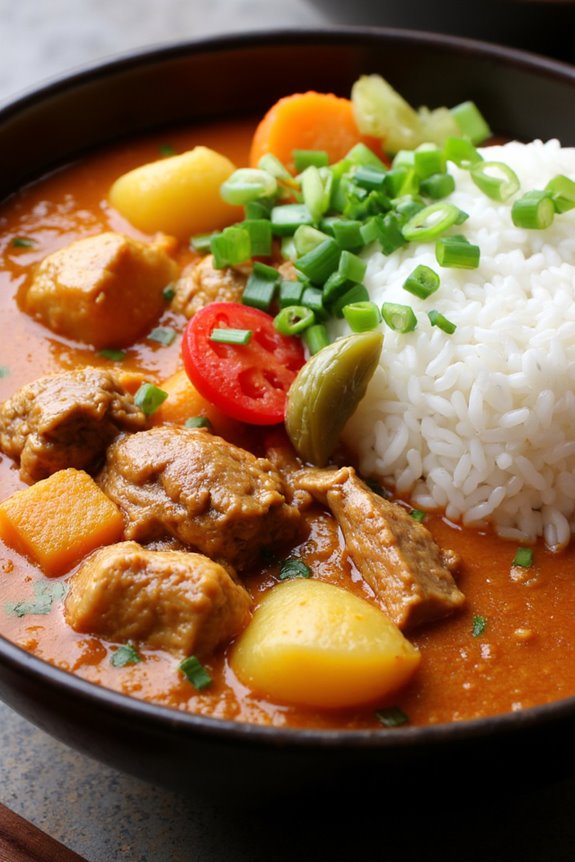
Curry Rice, or “kare raisu,” is a beloved dish in Japan, known for its rich, savory flavor and comforting qualities. This dish has its roots in Indian cuisine but has been adapted over the years to suit Japanese tastes, resulting in a milder, sweeter curry that pairs perfectly with fluffy rice.
It’s a staple in many Japanese households, often enjoyed on a cozy evening or as a quick and satisfying meal after a long day. The beauty of Japanese curry lies in its versatility; you can customize it with your choice of vegetables and protein. The curry sauce is thick and fragrant, made with a special blend of spices and curry roux.
When served with perfectly cooked rice, it becomes a complete meal that warms both the body and soul. Whether you’re a seasoned cook or a beginner, making Japanese Curry Rice is straightforward and rewarding.
Ingredients (Serves 4-6):
- 2 cups of Japanese short-grain rice
- 2 tablespoons vegetable oil
- 1 large onion, diced
- 2 medium carrots, sliced
- 2 medium potatoes, diced
- 1 pound (450g) chicken thighs or beef, cut into bite-sized pieces
- 4 cups water
- 1 box (about 100g) Japanese curry roux (mild, medium, or hot)
- 1 tablespoon soy sauce
- 1 teaspoon sugar (optional)
- Chopped green onions or pickles (for garnish)
Cooking Instructions:
1. Prepare the Rice: Rinse the Japanese short-grain rice under cold water until the water runs clear to remove excess starch. Drain well and add the rice to a rice cooker with 2 1/2 cups of water. Cook according to the rice cooker instructions.
If you don’t have a rice cooker, use a pot with a lid, bringing the rice and water to a boil, then reducing the heat to low and simmering for about 18-20 minutes until the water is absorbed. Let it sit covered for 10 minutes before fluffing with a fork.
2. Sauté the Vegetables: In a large pot, heat the vegetable oil over medium heat. Add the diced onion and sauté for about 5 minutes, or until the onion becomes translucent and fragrant. This step builds a flavorful base for the curry.
3. Add the Protein and Vegetables: Add the chicken (or beef) pieces to the pot and cook until they’re browned on all sides. Then, add the sliced carrots and diced potatoes, stirring well to combine all ingredients. Cook for another 5 minutes to allow the vegetables to soften slightly.
4. Simmer with Water: Pour in the 4 cups of water and bring the mixture to a boil. Once boiling, reduce the heat to low and cover the pot. Let it simmer for about 20 minutes or until the vegetables are tender and the meat is fully cooked.
5. Add the Curry Roux: Break the curry roux into smaller pieces and stir it into the pot. Allow it to dissolve completely, stirring occasionally until the sauce thickens. If you prefer a sweeter curry, add soy sauce and sugar at this stage. Cook for an additional 5 minutes.
6. Serve: Once the curry is thickened and well combined, serve it hot over the fluffy rice. Garnish with chopped green onions or pickles for an added burst of flavor.
Extra Tips:
For an added depth of flavor, consider adding garlic or ginger when sautéing the onions. You can also experiment with different proteins such as pork or tofu, and add other vegetables like mushrooms or bell peppers according to your preference.
Japanese curry is often even tastier the next day, so feel free to make a larger batch and enjoy the leftovers!
Daifuku: Sweet Rice Cakes for a Touch of Joy

Daifuku is a delightful Japanese confection that brings a sense of joy and comfort to those who indulge in it. These soft, chewy rice cakes are typically filled with sweetened red bean paste, but their versatility allows for a variety of fillings such as fruits, ice cream, or custard. The name “Daifuku” translates to “great fortune,” making them a popular treat for celebrations and special occasions.
Preparing Daifuku at home can be a fun and rewarding experience, allowing you to customize the flavors and fillings to suit your taste. The key to making perfect Daifuku lies in the texture of the mochi, which is made from glutinous rice flour (also known as mochiko). The process involves steaming the flour to create a stretchy, chewy dough that encases the sweet filling.
Though the preparation takes some time, the result is a batch of delicious, fresh Daifuku that can brighten up any gathering or serve as a delightful treat for yourself.
Ingredients (Serves 4-6):
- 1 cup glutinous rice flour (mochiko)
- 1/4 cup granulated sugar
- 3/4 cup water
- Cornstarch (for dusting)
- 1 cup sweet red bean paste (anko) or your preferred filling
- Optional: Fresh fruit (like strawberries or mango) for filling
Cooking Instructions:
- Prepare the filling: If you’re using sweet red bean paste, scoop it into small balls (about 1 tablespoon each) and place them on a plate. If using fresh fruit, make sure to slice it appropriately. Set the filling aside to chill in the refrigerator while you prepare the mochi.
- Mix the mochi dough: In a microwave-safe bowl, combine the glutinous rice flour and granulated sugar. Gradually add the water while stirring until the mixture is smooth and free of lumps.
- Cook the mochi: Cover the bowl with plastic wrap and microwave the mixture on high for about 1 minute. Remove it, stir well, and then cover it again. Microwave for an additional 1 minute, then stir again. Finally, heat for another 30 seconds. The mixture should become thick and slightly translucent.
- Cool the mochi: Allow the mochi dough to cool for a few minutes until it’s manageable but still warm. Dust a clean surface with cornstarch to prevent sticking.
- Shape the Daifuku: Divide the mochi into equal portions (about 10 pieces). Flatten each piece into a circle, approximately 3 inches in diameter. Place a ball of filling in the center, and carefully fold the edges over to encase the filling completely. Pinch to seal.
- Dust and serve: Roll the finished Daifuku in cornstarch to prevent sticking. Place them on a serving plate, and they’re ready to enjoy! You can store them in an airtight container for a couple of days.
Extra Tips:
When making Daifuku, it’s essential to work quickly with the mochi dough while it’s warm, as it becomes more challenging to shape once it cools down.
Using cornstarch is vital for preventing the dough from sticking to your hands and the work surface. Feel free to experiment with different fillings – try using flavored fillings like matcha or chocolate for a twist on the classic recipe.
Finally, Daifuku can be enjoyed fresh, but they also freeze well, making them perfect for preparing in advance!
