

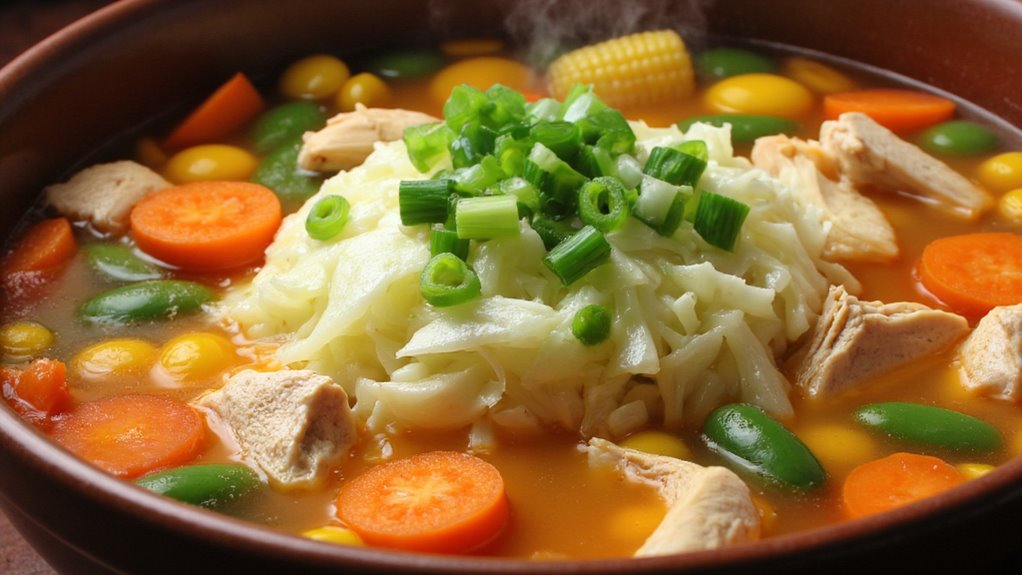
When the temperatures drop or I crave a comforting taste of home, Filipino soups are my go-to. Recipes like Sinigang Na Baboy and Tinola not only warm the body but also evoke cherished family memories. Each bowl is a delicious reminder of the rich flavors and traditions of Filipino cuisine. Wondering which recipes can bring that cozy warmth to your kitchen? Let’s explore some beloved favorites together.
Sinigang Na Baboy

Sinigang Na Baboy, or Pork Sinigang, is a beloved Filipino sour soup known for its rich flavor and comforting qualities. The dish typically features tender pork, vibrant vegetables, and a tangy broth that’s often made sour with tamarind or other local ingredients. This dish isn’t only a staple in Filipino households but also a favorite among those who appreciate hearty and flavorful soups.
Its unique combination of sourness and umami makes it a perfect dish for family gatherings or rainy days. The beauty of Sinigang lies in its versatility; while pork is commonly used, you can also experiment with beef, shrimp, or fish. The dish is often served with steamed rice, which complements the sour broth beautifully.
Each family may have their own version, adding various vegetables like radish, eggplant, and long green beans to enhance the flavor and nutrition. If you’re looking to warm your soul and fill your tummy, this classic Filipino dish is a must-try!
Ingredients (Serves 4-6):
- 1.5 lbs pork belly or pork ribs
- 8 cups water
- 1 medium onion, quartered
- 2 medium tomatoes, quartered
- 1 radish (daikon), sliced
- 1 cup long green beans (sitaw), cut into 2-inch pieces
- 1 medium eggplant, sliced
- 1-2 green chili peppers (siling pangsigang)
- 1 cup tamarind paste or 1-2 packs of sinigang mix
- 3 cups water spinach (kangkong) or other leafy greens
- Fish sauce (patis) to taste
- Salt and pepper to taste
Cooking Instructions:
- Prepare the Pork: In a large pot, combine the pork belly or ribs with 8 cups of water. Bring it to a boil over high heat, skimming off any scum that rises to the surface. This step helps guarantee a clear broth.
- Add Aromatics: Once the broth is boiling and the scum is removed, add the quartered onion and tomatoes. Lower the heat to medium and let it simmer for about 30 minutes to allow the flavors to meld and the pork to become tender.
- Incorporate Vegetables: After 30 minutes, add the sliced radish, long green beans, and eggplant to the pot. Continue to simmer for another 10-15 minutes until the vegetables are cooked but still crisp.
- Add the Sour Element: Stir in the tamarind paste or sinigang mix, adjusting the amount based on your desired level of sourness. If using fresh tamarind, you may need to dissolve it in water before adding. Let the soup simmer for another 5 minutes.
- Final Touches: Add the green chili peppers and the water spinach (or leafy greens) to the pot, cooking for an additional 2-3 minutes until the greens are wilted. Season with fish sauce, salt, and pepper to taste.
- Serve: Remove the pot from heat and serve hot, ideally with steamed rice on the side. Enjoy the comforting flavors of your homemade Sinigang Na Baboy!
Extra Tips:
For a more intense flavor, you can marinate the pork in fish sauce and pepper for about 30 minutes before cooking. Additionally, feel free to adjust the vegetables according to what’s in season or available, as this dish is quite forgiving and can be personalized to suit your taste.
If you prefer a spicier kick, add more chili peppers or even a dash of chili flakes towards the end of cooking. Enjoy your cooking experience and the delightful warmth of Sinigang Na Baboy!
Tinola
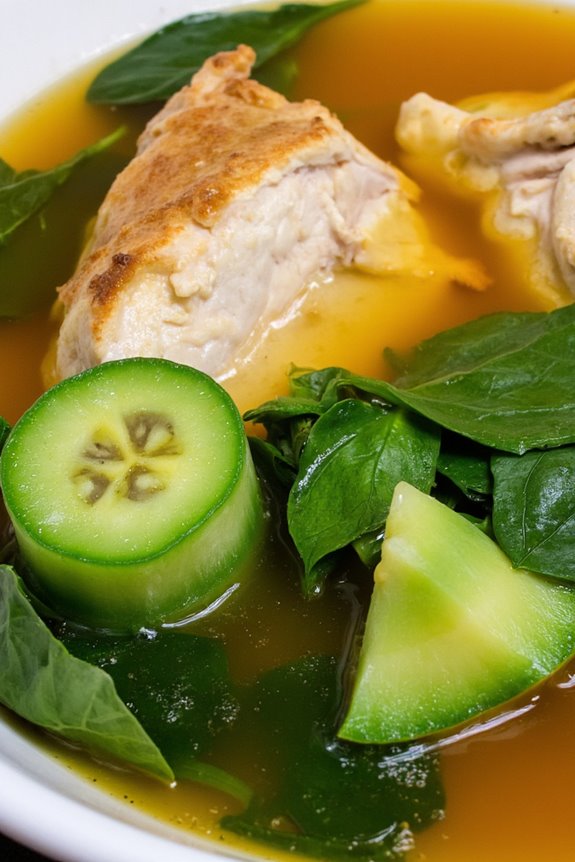
Tinola is a traditional Filipino soup characterized by its warm, comforting flavors and nutrient-rich ingredients. This dish is typically made with chicken, green papaya or chayote, and fresh leafy vegetables like malunggay (moringa leaves) or spinach. The broth is infused with ginger, garlic, and onions, creating a fragrant and savory base that’s both delicious and nourishing.
Tinola is often served during rainy days or when someone is feeling unwell, as it embodies the essence of home-cooked comfort food.
The preparation of Tinola is relatively straightforward, making it an accessible dish for both novice and experienced cooks. The key to a great Tinola lies in the quality of the ingredients and the balance of flavors. The combination of tender chicken, fresh vegetables, and aromatic spices creates a hearty soup that’s perfect for sharing with family and friends.
Whether served with rice or enjoyed on its own, Tinola is sure to warm your heart and satisfy your taste buds.
Ingredients (Serves 4-6)
- 1 kg chicken (cut into serving pieces)
- 1 medium onion (sliced)
- 4 cloves garlic (minced)
- 1 thumb-sized piece of ginger (sliced thinly)
- 2 tablespoons fish sauce
- 6 cups water
- 1 medium green papaya (peeled, seeded, and cut into wedges) or 2 chayote (cut into wedges)
- 1 cup malunggay (moringa leaves) or spinach
- Salt and pepper to taste
- 2 tablespoons cooking oil
Cooking Instructions
- Sauté Aromatics: In a large pot, heat the cooking oil over medium heat. Add the minced garlic and sliced onion, sautéing until the onion becomes translucent and the garlic is fragrant. This step helps to build a flavorful base for the soup.
- Brown the Chicken: Add the chicken pieces to the pot and cook until they’re slightly browned on all sides. This step enhances the flavor of the chicken and adds depth to the broth.
- Add Fish Sauce: Pour in the fish sauce and stir to coat the chicken evenly. Allow it to cook for an additional minute to let the flavors meld.
- Add Water and Simmer: Pour in the water and bring the mixture to a boil. Once boiling, reduce the heat to low and let it simmer for about 20-25 minutes. This simmering process allows the chicken to become tender and infuses the broth with rich flavors.
- Incorporate Vegetables: After simmering, add the green papaya or chayote to the pot. Continue to simmer for another 10-15 minutes, or until the vegetables are tender.
- Finish with Greens: Stir in the malunggay leaves or spinach and cook for an additional 2-3 minutes until wilted. This step adds freshness and nutritional value to the dish.
- Season and Serve: Season the soup with salt and pepper to taste. Serve hot, ideally with steamed rice on the side, for a complete meal.
Extra Tips
When preparing Tinola, feel free to experiment with the vegetables based on what’s in season or available in your area. Other vegetables like carrots or sweet potatoes can also be added for extra flavor and nutrition.
Additionally, to enhance the broth’s taste, let it simmer longer for a richer flavor, and always taste and adjust the seasoning before serving. Enjoy your Tinola hot, and don’t hesitate to make a larger batch, as it tastes even better the next day!
Lomi
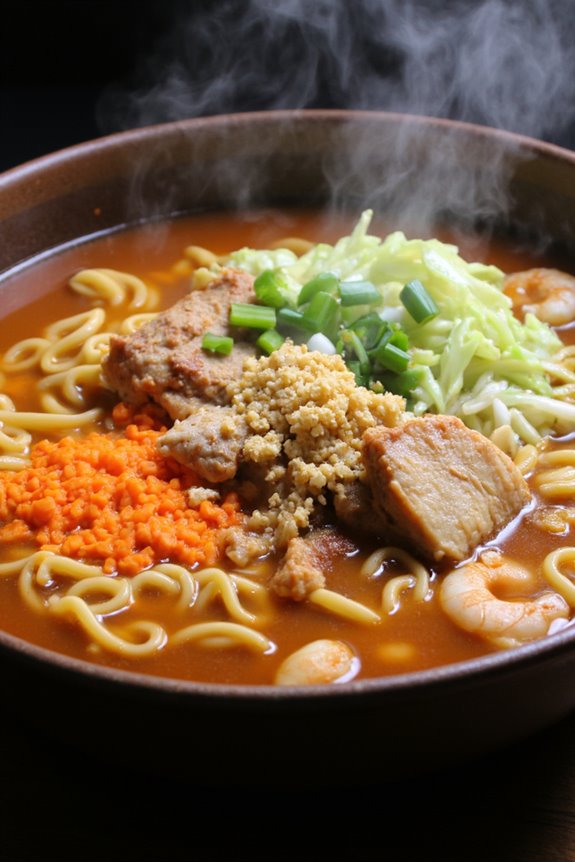
Lomi is a beloved Filipino noodle soup that hails from the province of Batangas. This dish is known for its thick, savory broth that’s rich and hearty, making it a comforting meal for families and friends. Traditionally, Lomi is made with egg noodles and a variety of meats, often including chicken, pork, and seafood, all simmered together to create a flavorful soup that warms the heart and soul.
The combination of ingredients and the unique texture of the egg noodles give Lomi its signature charm, making it a popular choice in Filipino households and restaurants alike. The beauty of Lomi lies in its versatility; you can customize the ingredients based on your preferences or what you have on hand.
Whether served during festive gatherings or enjoyed on a rainy day, Lomi is sure to satisfy your cravings. It’s typically garnished with green onions and sometimes served with a side of crispy fried garlic for added flavor. Get ready to savor this delicious Filipino dish, perfect for serving 4-6 people.
Ingredients:
- 500g egg noodles
- 200g chicken breast, diced
- 200g pork belly, diced
- 100g shrimp, peeled and deveined
- 1 cup carrots, julienned
- 1 cup cabbage, shredded
- 1 onion, chopped
- 4 cloves garlic, minced
- 4 cups chicken broth
- 2 tablespoons soy sauce
- 1 tablespoon oyster sauce
- 1 tablespoon cornstarch, dissolved in 1/4 cup water
- 2 tablespoons cooking oil
- Salt and pepper to taste
- Chopped green onions, for garnish
- Crispy fried garlic, for garnish (optional)
Cooking Instructions:
- Prepare the Ingredients: Begin by gathering all your ingredients. Dice the chicken breast and pork belly into small cubes, and peel and devein the shrimp. Chop the onion and mince the garlic. Julienne the carrots and shred the cabbage. This guarantees that you have everything ready for a smooth cooking process.
- Cook the Meats: In a large pot, heat the cooking oil over medium heat. Add the chopped onion and minced garlic, sautéing until fragrant and the onion becomes translucent. Then, add the diced chicken and pork belly to the pot, cooking until they’re browned and cooked through. This step adds depth of flavor to your broth.
- Add the Broth: Once the meats are cooked, pour in the chicken broth. Bring the mixture to a gentle boil. This will serve as the base for your Lomi, infusing all the flavors from the meats.
- Incorporate the Noodles: Add the egg noodles to the boiling broth and stir gently. Cook according to the package instructions, usually around 5-7 minutes, until the noodles are tender. Be careful not to overcook the noodles, as they’ll continue to soften in the hot broth.
- Add Vegetables and Seasonings: Once the noodles are cooked, add the julienned carrots, shredded cabbage, and shrimp to the pot. Stir in the soy sauce and oyster sauce, adjusting the seasoning with salt and pepper as needed. Allow the vegetables to cook for an additional 2-3 minutes until they’re slightly tender but still crisp.
- Thicken the Soup: To thicken the broth, stir in the cornstarch mixture and let it simmer for another minute until the soup reaches your desired consistency. This step gives Lomi its signature thick texture that makes it so comforting.
- Serve and Garnish: Once everything is well combined, remove the pot from heat. Ladle the Lomi into serving bowls and garnish with chopped green onions and crispy fried garlic if desired. Serve hot and enjoy!
Extra Tips:
When making Lomi, feel free to experiment with additional ingredients such as mushrooms or different protein sources like beef or fish, depending on your preference. For added flavor, consider using homemade chicken broth instead of store-bought.
Always taste and adjust the seasoning before serving, as this can elevate the dish considerably. Finally, serve it fresh, as Lomi is best enjoyed hot and may thicken if left to sit for too long. Enjoy your cooking adventure with this delightful Filipino soup!
Mami
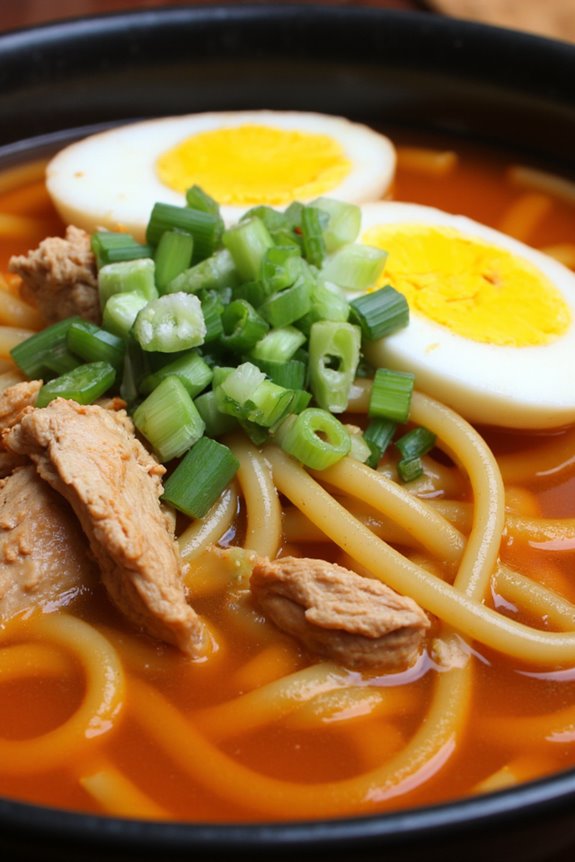
Mami is a beloved Filipino noodle soup that’s often enjoyed as a comfort food, especially during rainy days or as a hearty meal after a long day. Traditionally made with egg noodles, rich broth, and tender meat, this dish is a staple in many households across the Philippines. The warm, savory flavors of Mami, combined with the delightful chewiness of the noodles, create a satisfying bowl that warms the soul.
This dish can be made with various types of meat, such as chicken, beef, or pork, and is usually topped with green onions, hard-boiled eggs, and a dash of soy sauce or sauce to enhance its flavor. Mami isn’t just a meal but a cultural experience that brings families together. Whether you’re enjoying it at a local eatery or making it at home, Mami is sure to be a hit.
Ingredients (Serves 4-6):
- 500 grams of egg noodles
- 1 kg of chicken (cut into pieces)
- 8 cups of water
- 2 cups of chicken broth (optional)
- 1 onion (sliced)
- 4 cloves of garlic (minced)
- 1 tablespoon of ginger (sliced)
- 2 tablespoons of soy sauce
- 1 tablespoon of fish sauce
- 1 teaspoon of ground black pepper
- 2 tablespoons of cooking oil
- 2 green onions (chopped)
- 2 hard-boiled eggs (sliced)
- Salt to taste
- Optional: Calamansi or lemon for serving
Cooking Instructions:
- Prepare the Broth: In a large pot, heat the cooking oil over medium heat. Add the sliced onions, minced garlic, and ginger, sautéing until fragrant and the onions become translucent. This step builds the base flavor for your broth.
- Cook the Chicken: Add the chicken pieces to the pot and sauté for about 5 minutes, allowing them to brown slightly. This will help develop the flavors in the broth. After browning, pour in the water and chicken broth (if using). Bring it to a boil.
- Simmer the Broth: Once boiling, reduce the heat to low and let the soup simmer for about 30-40 minutes. This slow cooking will tenderize the chicken and allow the flavors to meld. Skim off any foam that rises to the surface for a clearer broth.
- Season the Broth: After simmering, add the soy sauce, fish sauce, and ground black pepper to the pot. Taste the broth and adjust the salt accordingly. Let it simmer for another 5 minutes to incorporate the seasonings.
- Cook the Noodles: In a separate pot, bring water to a boil and cook the egg noodles according to the package instructions until al dente. Drain the noodles and set aside.
- Assemble the Mami: To serve, place a portion of the cooked noodles in a bowl, ladle the hot chicken broth with pieces of chicken over the noodles. Top with sliced hard-boiled eggs and chopped green onions. You can serve it with calamansi or lemon on the side for added zest.
Extra Tips:
To elevate your Mami experience, consider adding toppings such as fried garlic, cooked vegetables, or chili flakes for an extra kick. You can also experiment with different proteins like beef or pork, which can be cooked in the same manner.
Make sure to adjust the seasoning to your taste, and don’t hesitate to make it your own by trying out various garnishes. Enjoy your homemade Mami with a side of crispy fried wontons or simply on its own!
Sopas
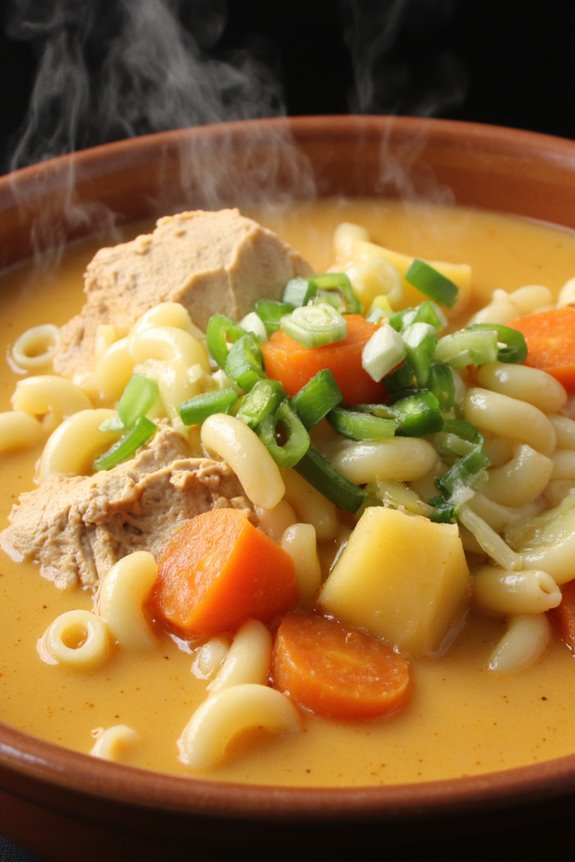
Sopas is a beloved Filipino comfort food that brings warmth and satisfaction to every meal. This creamy chicken macaroni soup combines tender chicken pieces, macaroni pasta, and an array of vegetables, all simmered in a rich broth and finished off with evaporated milk for a luscious finish.
Often served during colder months or on rainy days, Sopas is perfect for family gatherings or simply as a hearty snack.
This delightful soup isn’t only delicious but also versatile, allowing you to customize ingredients based on personal preferences. Some variations include adding hotdogs, chorizo, or even different vegetables to enhance its flavor and nutrition.
Regardless of how you make it, Sopas is sure to warm your heart and fill your stomach with its comforting goodness.
Ingredients (Serves 4-6)
- 1 cup elbow macaroni
- 2 tablespoons vegetable oil
- 1 medium onion, chopped
- 3 cloves garlic, minced
- 1 pound chicken breast, boneless and skinless, diced
- 4 cups chicken broth
- 1 medium carrot, diced
- 1 medium potato, diced
- 1 cup cabbage, chopped
- 1 cup evaporated milk
- Salt and pepper to taste
- Chopped green onions for garnish (optional)
Cooking Instructions
- Cook the Macaroni: In a pot of boiling salted water, cook the elbow macaroni according to the package instructions until al dente. Once cooked, drain and set aside.
- Sauté Aromatics: In a large pot, heat the vegetable oil over medium heat. Add the chopped onion and minced garlic, sautéing until the onion becomes translucent and fragrant, about 3-4 minutes.
- Cook the Chicken: Add the diced chicken breast to the pot, stirring to combine. Cook until the chicken is no longer pink, about 5-7 minutes.
- Add Broth and Vegetables: Pour in the chicken broth and bring the mixture to a boil. Once boiling, add the diced carrots and potatoes. Reduce the heat and let it simmer for about 10 minutes, or until the vegetables are tender.
- Combine with Macaroni and Cabbage: Stir in the cooked macaroni and chopped cabbage. Allow the mixture to simmer for an additional 5 minutes, ensuring the cabbage is wilted but still vibrant.
- Finish with Evaporated Milk: Pour in the evaporated milk and stir well. Season with salt and pepper to taste. Let the soup simmer for another 2-3 minutes, ensuring everything is heated through.
- Serve: Ladle the Sopas into bowls and garnish with chopped green onions if desired. Serve hot and enjoy!
Extra Tips
When making Sopas, feel free to experiment with the ingredients based on your family’s favorites. Adding a bay leaf during the simmering process can enhance the flavor even more.
If you’re looking for a richer soup, consider adding cheese for a creamy texture. Also, Sopas can be stored in the refrigerator for a couple of days, and the flavors tend to deepen as it sits, making it an excellent option for meal prep!
Arroz Caldo

Arroz Caldo is a traditional Filipino rice porridge that’s often enjoyed during cold weather or as a comforting dish when someone is feeling under the weather. This savory soup is infused with ginger, garlic, and other aromatic flavors, making it a deliciously nourishing meal. The name “Arroz Caldo” translates to “rice broth” in Spanish, reflecting the dish’s origins and its comforting qualities.
Typically made with chicken, this dish isn’t only hearty but also packed with nutrients, making it a favorite among families.
The beauty of Arroz Caldo lies in its simplicity and versatility. You can easily customize it by adding toppings such as hard-boiled eggs, green onions, and fried garlic, enhancing both its flavor and presentation. This dish is an excellent way to gather loved ones around the table and share a warm, hearty meal that satisfies both the body and soul.
Ingredients (Serves 4-6):
- 1 cup glutinous rice
- 1 tablespoon vegetable oil
- 1 medium onion, chopped
- 4 cloves garlic, minced
- 1 thumb-sized ginger, julienned
- 1-2 chicken thighs, bone-in and skin-on (or your preferred chicken cut)
- 6 cups chicken broth or water
- 2-3 tablespoons fish sauce
- Salt and pepper to taste
- 2 hard-boiled eggs, halved (for serving)
- Chopped green onions (for garnish)
- Fried garlic (for garnish)
- Lime or calamansi wedges (for serving)
Cooking Instructions:
- Prepare the Rice: Rinse the glutinous rice under cold water until the water runs clear. This removes excess starch and guarantees a smoother texture in your porridge. Drain and set aside.
- Sauté Aromatics: In a large pot, heat the vegetable oil over medium heat. Add the chopped onions and sauté until they become translucent, about 3-4 minutes. Then, add the minced garlic and ginger, cooking for an additional 2 minutes until fragrant.
- Brown the Chicken: Add the chicken thighs to the pot, skin-side down, and cook for approximately 5-7 minutes, or until the skin is golden brown. This step adds depth of flavor to your soup.
- Add Rice and Broth: Stir in the rinsed glutinous rice, making sure it combines well with the chicken and aromatics. Pour in the chicken broth (or water) and bring the mixture to a boil.
- Simmer the Soup: Once boiling, reduce the heat to low and cover the pot. Let it simmer for about 30-40 minutes, stirring occasionally to prevent the rice from sticking to the bottom. The rice should break down and thicken the broth.
- Season and Serve: After simmering, add fish sauce, salt, and pepper to taste. Adjust the seasoning according to your preference. Serve the Arroz Caldo hot, garnished with halved hard-boiled eggs, chopped green onions, and fried garlic. Offer lime or calamansi wedges on the side for a zesty kick.
Extra Tips:
When making Arroz Caldo, feel free to adjust the thickness of the porridge by adding more or less broth according to your preference.
If you prefer a creamier texture, let the rice cook a bit longer and stir more frequently. Additionally, consider adding toppings like shredded chicken or even a sprinkle of chili flakes for a bit of heat.
Enjoy this comforting dish with family and friends, and savor the warmth it brings!
Batchoy

Batchoy is a hearty and flavorful Filipino noodle soup that originates from the city of La Paz in Iloilo. It’s a comforting dish that combines a rich broth with tender meat, fresh noodles, and a variety of toppings. Traditionally, Batchoy includes pork, beef, or a combination of both, and is often garnished with green onions, fried garlic, and a raw egg to create a satisfying meal. This dish is perfect for family gatherings or chilly evenings, as it warms both the body and the soul.
The soup’s unique flavor profile comes from the combination of aromatic spices and seasonings, making it a deliciously savory experience. Whether enjoyed as a main course or a late-night snack, Batchoy is certain to be a hit among friends and family alike. With its nourishing ingredients and delightful taste, this Filipino classic holds a special place in many hearts.
Ingredients (serves 4-6):
- 500g pork belly, sliced
- 250g beef shank, sliced
- 1 liter chicken or beef broth
- 200g fresh egg noodles
- 1 onion, chopped
- 4 cloves garlic, minced
- 2 tablespoons soy sauce
- 1 tablespoon fish sauce
- 1 teaspoon ground black pepper
- 2 tablespoons cooking oil
- 2 green onions, chopped (for garnish)
- 1/2 cup chicharrón (crispy pork skin), crushed (for garnish)
- 2 raw eggs (optional)
- Salt to taste
Cooking Instructions:
- Prepare the Broth: In a large pot, heat the cooking oil over medium heat. Add the minced garlic and chopped onion, sautéing until they become translucent and fragrant. This step creates a flavorful base for your broth.
- Add the Meats: Once the onions and garlic are aromatic, add the sliced pork belly and beef shank to the pot. Cook for about 5-7 minutes, stirring occasionally, until the meat is lightly browned. Browning the meat enhances the overall flavor of the soup.
- Pour in the Broth: After the meat is browned, pour in the chicken or beef broth. Bring the mixture to a boil, then reduce the heat to a simmer. Allow it to simmer for about 30-40 minutes, or until the meat becomes tender. This slow cooking allows the flavors to meld together beautifully.
- Season the Soup: After the meat is tender, stir in the soy sauce, fish sauce, and ground black pepper. Taste the broth and add salt if needed. The seasoning enhances the richness of the soup, so adjust according to your preference.
- Cook the Noodles: In a separate pot, cook the fresh egg noodles according to package instructions. Drain and set aside. Cooking the noodles separately guarantees they maintain their texture and don’t become too soft in the soup.
- Assemble the Dish: To serve, place a portion of the cooked noodles in each bowl. Ladle the hot broth and meat over the noodles. Top with chopped green onions, crushed chicharrón, and a raw egg if desired. The heat from the soup will gently cook the egg, adding a creamy texture to the dish.
- Serve Hot: Enjoy your Batchoy hot, garnished with additional toppings as desired. This dish is best served immediately while the flavors are fresh and vibrant.
Extra Tips: When making Batchoy, feel free to customize the toppings according to your preferences. Some people enjoy adding chili flakes for a spicy kick, while others might prefer additional herbs for freshness. Always taste the broth before serving to ascertain the right balance of flavors, and don’t hesitate to adjust the seasoning. If you have leftovers, store the broth and noodles separately to maintain the noodles’ texture when reheating.
Tinola Ng Manok
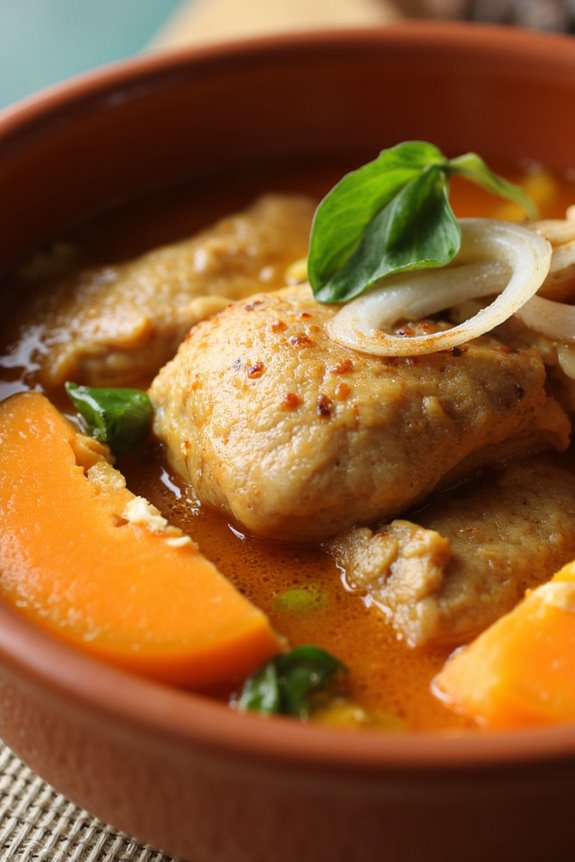
Tinola Ng Manok is a traditional Filipino chicken soup that’s known for its light, savory broth and healthy ingredients. This comforting dish is typically made with chicken, green papaya, and chili leaves, simmered to perfection in a ginger-infused broth.
Tinola is often enjoyed during family gatherings or rainy days, as it warms both the body and the soul. The combination of ginger and fresh vegetables makes it not only flavorful but also nutritious.
The beauty of Tinola lies in its simplicity and the ability to adapt it to your taste. While chicken is the star of the dish, you can also incorporate other proteins or vegetables to suit your preferences.
Whether served as a main course or a hearty appetizer, Tinola Ng Manok is sure to delight everyone at the table.
Ingredients (Serves 4-6):
- 1 kg chicken (cut into serving pieces)
- 1 medium green papaya (peeled, seeded, and cut into wedges)
- 1 bunch chili leaves (or spinach if unavailable)
- 1 medium onion (sliced)
- 5 cloves garlic (minced)
- 2 inches ginger (sliced into thin strips)
- 6 cups water
- 2 tablespoons fish sauce
- Salt and pepper to taste
- 2 tablespoons cooking oil
Cooking Instructions:
- Prepare the Ingredients: Gather all the ingredients together, making sure the chicken is cut into appropriate pieces, the papaya is peeled and cut into wedges, and the ginger is sliced. This step is essential for smooth cooking, guaranteeing that everything is ready when needed.
- Sauté Aromatics: In a large pot, heat the cooking oil over medium heat. Add the minced garlic, sliced onion, and ginger. Sauté them until the onions are translucent and the mixture is fragrant, about 2-3 minutes. This step builds the flavor base of your broth.
- Add the Chicken: Add the chicken pieces to the pot and stir well to coat them in the sautéed aromatics. Cook the chicken for about 5-7 minutes until it starts to brown slightly. This step helps to lock in the chicken’s juices and enhances the dish’s flavor.
- Pour in Water and Season: Once the chicken is browned, pour in the 6 cups of water and bring it to a boil. Add the fish sauce, salt, and pepper to taste. Let it simmer for about 20-25 minutes, or until the chicken is cooked through and tender. This simmering process allows the flavors to meld together beautifully.
- Add Papaya: After the chicken has cooked, add the green papaya wedges to the pot. Continue to simmer for another 10-15 minutes until the papaya is tender. This step guarantees that the papaya absorbs the flavors of the broth while remaining firm but soft.
- Incorporate Chili Leaves: Eventually, add the chili leaves to the pot and cook for an additional 2-3 minutes until the leaves are wilted. This adds a fresh, vibrant element to the dish.
- Taste and Adjust Seasoning: Before serving, taste the broth and adjust seasoning if necessary with more salt or pepper. This step guarantees that the flavors are balanced and to your liking.
- Serve Hot: Ladle the Tinola Ng Manok into bowls and serve hot, preferably with steamed rice on the side.
Extra Tips:
When making Tinola, feel free to customize the recipe by adding other vegetables like malunggay (moringa leaves) or even using different cuts of chicken for varied textures.
You can also adjust the level of spiciness by including more or fewer chili leaves. For a richer flavor, consider adding a splash of coconut milk towards the end of cooking.
Lastly, serving the soup with a squeeze of lime or calamansi can elevate the flavors and provide a delightful zing!
Bulalo
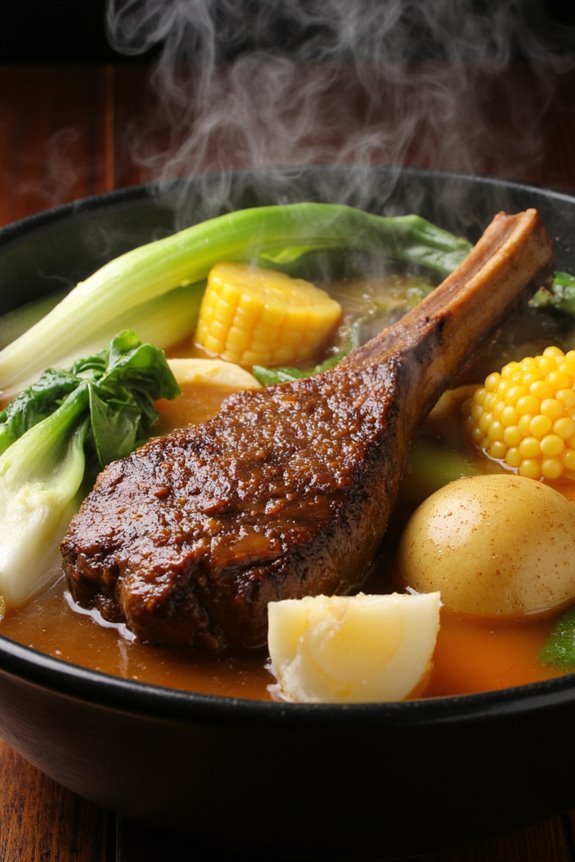
Bulalo is a beloved Filipino soup that showcases the rich flavors of beef and the freshness of vegetables, making it a comforting dish perfect for any occasion. Traditionally made with bone-in beef shank, Bulalo is simmered for several hours to extract the deep flavors from the marrow, resulting in a savory broth that warms the heart.
This dish is often enjoyed during family gatherings or rainy days, where the aroma fills the kitchen and brings everyone together around the table.
The simplicity of the ingredients is what makes Bulalo special. With just a few key components, you can create a hearty soup that highlights the natural flavors of the beef, complemented by the sweetness of corn and the vibrant colors of leafy greens.
As you savor each spoonful of this delightful soup, you’ll be transported to the streets of the Philippines, where vendors serve steaming bowls of Bulalo to hungry patrons.
Ingredients (Serves 4-6)
- 2 lbs beef shank with bone
- 10 cups water
- 1 medium onion, quartered
- 2-3 cloves garlic, crushed
- 1 tablespoon fish sauce (patis)
- 2 medium potatoes, peeled and cut into quarters
- 1 corn cob, cut into 2-3 pieces
- 2 cups napa cabbage or bok choy, cut into wedges
- Salt and pepper to taste
- Optional: green onions for garnish
Cooking Instructions
- Prepare the Beef: Start by rinsing the beef shank under cold water to remove any impurities. This step guarantees a cleaner broth. Place the beef in a large pot and cover it with 10 cups of water. Bring it to a boil over high heat.
- Skim the Scum: Once the water reaches a boil, you’ll notice some scum forming on the surface. Use a ladle or a spoon to skim off this scum. This is an important step as it helps clarify the broth, resulting in a clearer and more appetizing soup.
- Add Aromatics: After skimming, add the quartered onion and crushed garlic to the pot. Season with fish sauce and lower the heat to a simmer. Cover the pot and let it cook for about 2-3 hours or until the meat is tender. The longer you simmer, the richer the flavor will be.
- Incorporate Vegetables: Once the beef is tender, add the potatoes and corn to the pot. Let them cook for about 15-20 minutes until the potatoes are soft. This is when the soup starts to develop its comforting and hearty character.
- Final Touches: After the potatoes and corn are cooked, add the napa cabbage or bok choy. Let it cook for an additional 5 minutes until the greens are wilted but still vibrant. Taste the broth and adjust the seasoning with salt and pepper as needed.
- Serve: Ladle the Bulalo into bowls, making sure each serving has meat, vegetables, and broth. Garnish with chopped green onions if desired. Serve hot with steamed rice on the side for a complete meal.
Extra Tips
For a richer flavor, you can add a few pieces of beef bones or oxtail to the pot while simmering. This will enhance the depth of the broth.
Additionally, if you prefer a bit of spice, consider adding slices of chili peppers to the soup. Remember that Bulalo is best enjoyed fresh, but you can store any leftovers in the refrigerator for up to 3 days. Reheat gently before serving, and feel free to add more vegetables or broth if needed.
Sinigang Na Isda
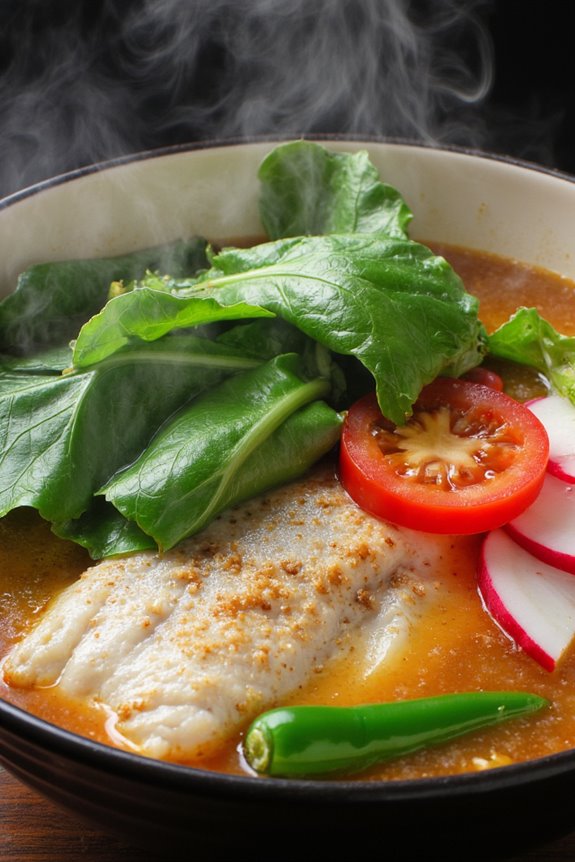
Sinigang Na Isda is a beloved Filipino sour soup that showcases the vibrant flavors of tamarind and fresh vegetables, complemented by the delicate taste of fish. This dish isn’t only comforting but also packed with nutrition, making it a staple in many Filipino households. The sourness of the broth is balanced by the natural sweetness of the vegetables, creating a harmonious blend that’s both invigorating and satisfying.
Traditionally, this dish is made with various types of fish such as bangus (milkfish) or tilapia, which absorb the tangy flavors beautifully.
Cooking Sinigang Na Isda is relatively straightforward, and it’s a fantastic way to introduce a taste of the Philippines into your kitchen. The key to a great sinigang lies in the quality of the ingredients, particularly the fish and the souring agent. While tamarind is the most common ingredient used for the broth, alternatives like calamansi or green mango can also be used for a unique twist.
Serve this dish hot with a side of steamed rice for a complete meal that will leave your taste buds dancing with joy.
Ingredients (serves 4-6)
- 1 kg (2.2 lbs) fish (bangus, tilapia, or any firm white fish)
- 1 medium onion, quartered
- 2 medium tomatoes, quartered
- 1 radish (labanos), sliced
- 1 cup water spinach (kangkong), washed
- 1-2 green chili peppers (siling pangsigang)
- 1-2 cups tamarind or 1 packet of sinigang mix
- 8 cups water
- Fish sauce (patis) to taste
- Salt and pepper to taste
Cooking Instructions
- Prepare the Ingredients: Start by cleaning the fish thoroughly under running water. If using whole fish, gut and scale it as necessary. Slice the radish and quarter the onion and tomatoes. This preparation will guarantee that all ingredients are ready for cooking.
- Boil the Broth: In a large pot, add 8 cups of water and bring it to a boil. Once boiling, add the quartered onion and tomatoes to the pot. Let them cook for about 5 minutes until they soften, releasing their flavors into the broth.
- Add the Tamarind: If using fresh tamarind, soak it in a cup of hot water to extract the juice, then strain it into the pot. If using a sinigang mix, just add it directly to the broth. Stir well to combine and let it simmer for another 5-10 minutes while confirming the sourness is to your liking.
- Introduce the Fish: Gently add the fish to the simmering broth. Be careful not to break the fish apart. Allow the fish to cook for about 8-10 minutes, or until it’s cooked through and flakes easily with a fork.
- Add Vegetables and Season: Once the fish is cooked, add the sliced radish and green chili peppers to the pot. Let it simmer for another 5 minutes. Finally, add the water spinach and cook for an additional 2-3 minutes. Season with fish sauce, salt, and pepper to taste.
- Serve Hot: Once everything is cooked, remove the pot from heat and let it sit for a minute. Serve the Sinigang Na Isda hot with steamed rice on the side, and enjoy the delightful flavors!
Extra Tips
When preparing Sinigang Na Isda, feel free to experiment with other vegetables like eggplant or string beans for added texture and flavor. Adjust the level of sourness according to your preference by adding more tamarind or sinigang mix.
Remember that the broth can be made ahead of time and simply reheated when ready to serve, allowing the flavors to meld beautifully. Enjoy your culinary adventure with this quintessential Filipino dish!
Pochero

Pochero is a traditional Filipino stew that embodies the warmth and comfort of home-cooked meals. This hearty dish typically features a mix of meats, vegetables, and a flavorful broth, making it a perfect centerpiece for family gatherings or special occasions. The recipe often includes ingredients like beef, pork, or chicken, complemented by a variety of vegetables such as potatoes, carrots, and cabbage, resulting in a delightful medley of textures and tastes.
Pochero isn’t only filling but also offers a rich taste that reflects the culinary heritage of the Philippines. The beauty of Pochero lies in its versatility, as different regions may have their own variations and preferred ingredients. The dish is usually served with a side of rice, allowing diners to savor the delicious broth and tender meat while soaking up the flavors.
Cooking Pochero may take some time, but the end result is well worth the effort, providing a nourishing meal that brings people together and warms the soul.
Ingredients (Serves 4-6)
- 1 pound beef shank or pork belly, cut into chunks
- 1 pound chicken thighs, skinless and boneless, cut into pieces
- 4 cups water
- 1 large onion, quartered
- 4 cloves garlic, minced
- 2 medium potatoes, peeled and diced
- 2 medium carrots, peeled and sliced
- 1/2 head cabbage, cut into quarters
- 1 banana (saba), peeled and sliced
- 1/2 cup tomato sauce
- 3 tablespoons fish sauce
- Salt and pepper to taste
- 2 tablespoons vegetable oil
- 1 bay leaf
Cooking Instructions
- Prepare the Ingredients: Start by cutting the beef, pork, and chicken into bite-sized pieces. Prepare the vegetables by peeling and chopping the potatoes, carrots, and cabbage, and slicing the banana. Having your ingredients ready will make the cooking process smoother.
- Sauté Aromatics: In a large pot, heat the vegetable oil over medium heat. Add the minced garlic and quartered onion, sautéing until the onion becomes translucent and fragrant. This step builds the foundation of flavor for your Pochero.
- Brown the Meats: Add the beef and pork to the pot, stirring frequently until the meats are browned on all sides. This caramelization adds depth to the stew’s flavor. Once browned, add the chicken pieces and cook for an additional 5 minutes.
- Add Liquids and Simmer: Pour in the water, followed by the fish sauce and tomato sauce. Stir well and add the bay leaf. Bring the mixture to a boil, then lower the heat to a simmer. Cover the pot and let it cook for about 30-40 minutes, or until the meats are tender.
- Incorporate Vegetables: Once the meats are tender, add the diced potatoes and sliced carrots to the pot. Continue to simmer for another 15 minutes until the vegetables are cooked through.
- Finish with Cabbage and Banana: Add the cabbage quarters and banana slices to the pot. Season with salt and pepper to taste. Cook for an additional 5-10 minutes, or until the cabbage is wilted and the bananas are tender.
- Serve: Once everything is cooked through and flavors have melded together, remove the bay leaf and serve the Pochero hot with steamed rice. Enjoy your hearty meal!
Extra Tips
When making Pochero, consider using a combination of meats for a richer flavor profile. You can also adjust the vegetables based on your preference or seasonal availability. For a spicier kick, add some chili peppers while simmering the stew.
Remember to taste and adjust the seasoning as necessary; a little extra fish sauce can enhance the umami flavor. Finally, allowing the Pochero to rest for a few minutes before serving can help the flavors develop even further. Enjoy this comforting dish with your loved ones!
Menudo

Menudo is a classic Filipino dish that embodies the rich flavors and heartwarming comfort of traditional Filipino cuisine. This savory stew is commonly made with a combination of pork, liver, and a medley of vegetables, all simmered in a delightful tomato-based sauce.
Often served during special occasions and family gatherings, menudo is a staple that brings everyone together at the dining table, making it an essential part of Filipino culinary culture.
The dish’s origins can be traced back to Spanish influence, as it shares similarities with the Spanish version of menudo, which features tripe. However, the Filipino version has evolved to include local ingredients that make it uniquely flavorful.
With its vibrant colors and hearty texture, menudo not only fills the stomach but also warms the heart, making it a beloved comfort food for many.
Ingredients (Serves 4-6)
- 1 lb pork belly, diced into cubes
- 1/2 lb pork liver, diced into cubes
- 1 cup potatoes, diced
- 1 cup carrots, diced
- 1 cup bell peppers, diced
- 1 medium onion, chopped
- 4 cloves garlic, minced
- 1 cup tomato sauce
- 2 cups water
- 2 tbsp soy sauce
- 1 tsp salt
- 1/2 tsp black pepper
- 1 bay leaf
- 2 tbsp cooking oil
- 1 cup green peas (optional)
Cooking Instructions
- Prepare the Ingredients: Begin by washing and cutting the pork belly and liver into uniform cubes. Dice the potatoes, carrots, and bell peppers into bite-sized pieces for even cooking. Chop the onion and mince the garlic, making sure everything is ready for the cooking process.
- Sauté the Aromatics: In a large pot, heat the cooking oil over medium heat. Add the chopped onion and minced garlic, sautéing until the onions become translucent and fragrant. This step builds the foundation of flavor for your menudo.
- Brown the Pork: Add the diced pork belly to the pot and cook until it’s browned on all sides. This will enhance the meat’s flavor and create a rich base for the stew. Stir occasionally to prevent sticking.
- Incorporate the Liver: Once the pork is browned, add the diced pork liver to the pot. Sauté for about 2-3 minutes until the liver is slightly cooked but not fully browned, as overcooking can make the liver tough.
- Add Vegetables and Seasonings: Stir in the diced potatoes, carrots, and bell peppers. Pour in the tomato sauce and water, then add the soy sauce, salt, black pepper, and bay leaf. Mix well to make sure all ingredients are combined.
- Simmer the Stew: Bring the mixture to a boil, then reduce the heat to low. Cover the pot and let it simmer for about 30-40 minutes, or until the pork is tender. Stir occasionally to prevent sticking and make sure even cooking.
- Finish with Green Peas: If you’re adding green peas, incorporate them into the stew during the final 5-10 minutes of cooking. This adds a pop of color and a sweet taste to the dish.
- Serve Hot: Once the pork is tender and the flavors have melded beautifully, remove the pot from heat. Serve the menudo hot over steamed rice, garnished with additional bell pepper strips if desired.
Extra Tips
When preparing menudo, consider marinating the pork with soy sauce and garlic for an hour prior to cooking to enhance its flavor.
Additionally, you can adjust the thickness of the sauce by adding more water or tomato sauce based on your preference. For a richer taste, some families add a splash of vinegar or a bit of sugar to balance the flavors.
Finally, feel free to experiment with other vegetables like raisins or chickpeas, as menudo is versatile and can be adapted to suit your taste.
Ginisang Mais

Ginisang Mais, or sautéed corn, is a comforting and delicious Filipino soup that showcases the natural sweetness of corn combined with savory ingredients. This delightful dish is often enjoyed as a light meal or an appetizer, making it an excellent choice for family gatherings or casual dinners.
The combination of corn, vegetables, and protein creates a hearty yet simple dish that’s both satisfying and nutritious. This recipe for Ginisang Mais is easy to follow and can be customized with different proteins such as shrimp, chicken, or even tofu for a vegetarian version.
Its creamy texture and rich flavors make it a favorite among many. With a few fresh ingredients and a little bit of time, you can bring the essence of Filipino cuisine into your home kitchen.
Ingredients (Serves 4-6):
- 2 cups fresh corn kernels (or 1 can of sweet corn, drained)
- 1 medium onion, chopped
- 2 cloves garlic, minced
- 1 medium tomato, diced
- 1 cup diced carrots
- 1 cup diced bell peppers (any color)
- 2 cups chicken or vegetable broth
- 1 cup coconut milk
- 1 tablespoon fish sauce (optional)
- 2 tablespoons cooking oil
- Salt and pepper, to taste
- Chopped green onions for garnish
Cooking Instructions:
- Sauté the Aromatics: In a large pot over medium heat, add the cooking oil. Once hot, add the chopped onions and minced garlic. Sauté for about 2-3 minutes until the onions become translucent and fragrant. This step helps to build a flavorful base for the soup.
- Add Tomatoes and Vegetables: Stir in the diced tomatoes and cook for another 2 minutes until the tomatoes soften. Next, add the diced carrots and bell peppers to the pot. Cook for an additional 5 minutes, stirring occasionally, until the vegetables start to soften.
- Incorporate the Corn: Once the vegetables are tender, add the corn kernels to the pot. If using canned corn, drain it before adding. Stir well to combine all the ingredients, allowing the sweetness of the corn to blend with the sautéed vegetables.
- Pour in the Broth: Carefully pour the chicken or vegetable broth into the pot. Bring the mixture to a gentle boil, then reduce the heat to a simmer. Allow it to cook for about 10 minutes, letting the flavors meld together.
- Stir in Coconut Milk: Once the soup has simmered, add the coconut milk to the pot. If you prefer a richer flavor, you can add fish sauce at this point. Stir well and let it simmer for another 5 minutes. This will give your Ginisang Mais a creamy texture and a subtle sweetness.
- Season and Serve: Taste the soup and season with salt and pepper according to your preference. Once everything is well-combined and heated through, remove the pot from the heat. Ladle the soup into bowls and garnish with chopped green onions for a fresh touch.
Extra Tips:
For a heartier version of Ginisang Mais, consider adding protein such as diced chicken breast or shrimp during the sautéing step.
If you want to enhance the flavor further, a dash of chili flakes can add a delightful hint of heat. Additionally, feel free to incorporate other vegetables like peas or green beans for added color and nutrition.
Leftovers can be stored in the fridge and reheated, making this dish a great option for meal prep. Enjoy your Ginisang Mais!
Sopa De Cucho
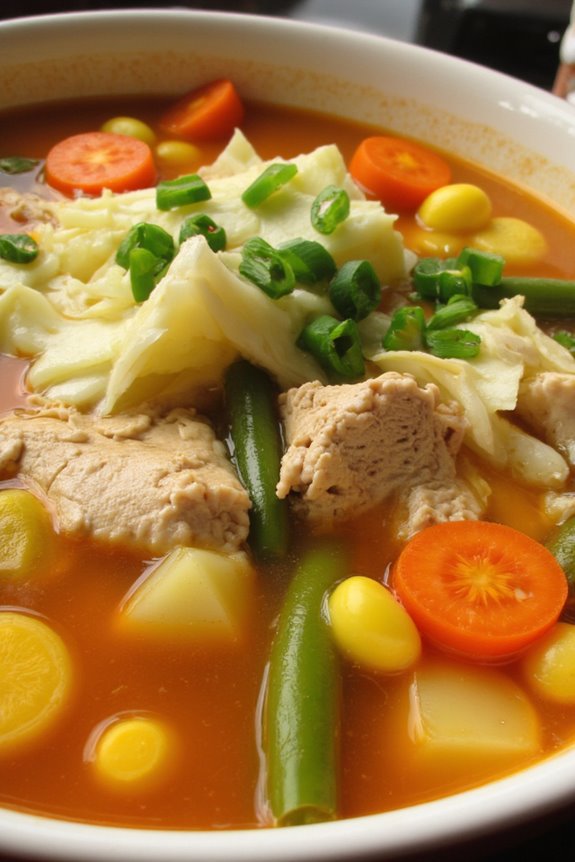
Sopa De Cucho is a traditional Filipino soup originating from the region of Pampanga, known for its rich and savory flavors. This comforting dish is primarily made with chicken and a unique blend of vegetables, offering a hearty meal that warms the soul.
Often enjoyed during gatherings or special occasions, Sopa De Cucho is a perfect representation of Filipino culinary traditions and is loved for its wholesome ingredients and delightful taste.
The soup is typically served hot, making it an excellent choice for cool weather or when you need a little pick-me-up. The combination of tender chicken, fresh vegetables, and aromatic herbs results in a dish that isn’t only filling but also nourishing.
Whether you’re a seasoned cook or a beginner, this Sopa De Cucho recipe will guide you through the process of creating a delicious meal that’s sure to please everyone at your table.
Ingredients (Serves 4-6)
- 1 whole chicken, cut into serving pieces
- 1 medium onion, chopped
- 4 cloves garlic, minced
- 1 tablespoon ginger, minced
- 3 cups water
- 2 medium potatoes, diced
- 1 cup carrots, sliced
- 1 cup green beans, cut into 2-inch pieces
- 1 cup cabbage, chopped
- 1 cup corn kernels (fresh or frozen)
- 2 tablespoons fish sauce (patis)
- 1 teaspoon ground black pepper
- 1 tablespoon cooking oil
- Salt to taste
- Chopped green onions for garnish
Cooking Instructions
- Prepare the Chicken: Start by cleaning the chicken pieces under cold running water. Pat them dry with paper towels. This step is essential as it helps eliminate any unwanted odors, guaranteeing that your soup tastes fresh.
- Sauté Aromatics: In a large pot, heat the cooking oil over medium heat. Add the chopped onions, minced garlic, and ginger. Sauté for about 3-4 minutes, or until the onions become translucent. This step builds the flavor base of your soup, making it aromatic and inviting.
- Brown the Chicken: Add the chicken pieces to the pot and cook for about 5-7 minutes until they’re lightly browned on all sides. Browning the chicken adds depth to the flavor of the soup, enhancing its overall taste.
- Add Water and Seasonings: Pour in the 3 cups of water, and then add the fish sauce and ground black pepper. Stir well to combine the ingredients. Bring the mixture to a gentle boil, then reduce the heat to a simmer. Allow it to cook for 20-25 minutes, or until the chicken is tender and fully cooked.
- Incorporate Vegetables: Once the chicken is cooked, add the diced potatoes, sliced carrots, and green beans to the pot. Let it simmer for another 10-15 minutes until the vegetables are tender. This step not only adds nutrition but also color and texture to your soup.
- Finish with Cabbage and Corn: Finally, add the chopped cabbage and corn kernels to the pot. Cook for an additional 5 minutes, allowing the cabbage to wilt and the corn to heat through. This guarantees that all the vegetables are cooked perfectly without losing their vibrant colors.
- Taste and Adjust: Before serving, taste the soup and adjust the seasoning with salt if necessary. This step is important as it guarantees that the flavors are balanced and to your liking.
- Serve: Ladle the Sopa De Cucho into bowls and garnish with chopped green onions. Serve hot, and enjoy the comforting flavors of this traditional Filipino dish.
Extra Tips
When making Sopa De Cucho, feel free to customize the vegetables according to your preference or what you have on hand.
You can also add a splash of lemon or calamansi juice before serving for a hint of acidity that brightens the flavors. For a richer broth, consider using homemade chicken stock instead of water.
Additionally, if you have leftovers, they can be stored in the refrigerator for a few days and will taste even better as the flavors meld together.
