

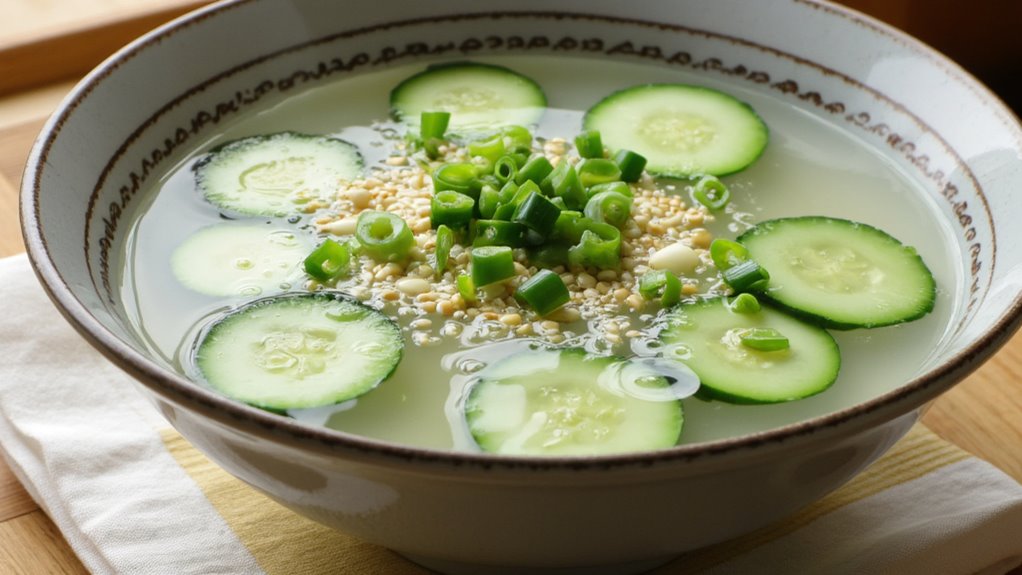
As the evening chill begins to settle, there’s nothing quite like the cozy comfort of a steaming bowl of Korean soup. Whether it’s the spicy kick of Kimchi Jjigae or the soothing warmth of Samgyetang, these soups are perfect for winding down after a long day. Each recipe offers a delicious blend of flavors that not only satisfy your taste buds but also bring a sense of nourishment and calm. Ready to explore some heartwarming Korean soups that are sure to become your go-to dinner favorites? Let’s dive into these delightful recipes and discover the magic of Korean cooking.
Kimchi Jjigae (Kimchi Stew)
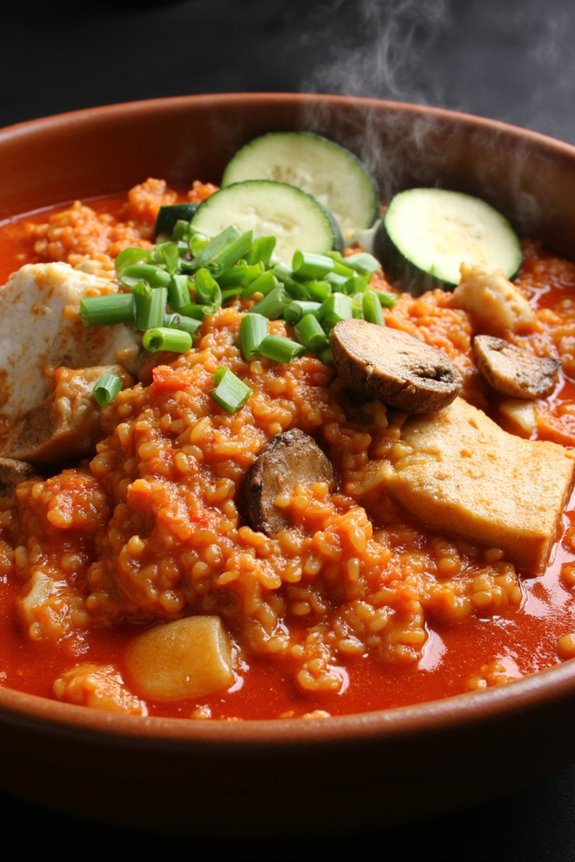
Kimchi Jjigae, or Kimchi Stew, is a beloved Korean comfort food that showcases the rich flavors of fermented kimchi combined with tender ingredients. This dish isn’t only hearty but also packed with umami, making it a perfect choice for a cozy meal.
Traditionally, Kimchi Jjigae is served with rice and a variety of side dishes, enhancing the dining experience with a burst of flavors and textures. Whether you’re a seasoned cook or trying your hand at Korean cuisine for the first time, this stew is a delightful way to explore the tastes of Korea.
To prepare Kimchi Jjigae, the star ingredient is, of course, kimchi. The stew can be customized with various proteins, such as pork or tofu, and vegetables, making it a versatile dish that can cater to different preferences and dietary needs.
The combination of savory, spicy, and tangy notes creates a well-balanced and satisfying meal that warms you from the inside out. Gather your ingredients and get ready to cook this delicious staple that’s sure to impress your family and friends.
Ingredients (Serves 4-6):
- 2 cups well-fermented kimchi
- 1 pound pork belly or tofu, cut into bite-sized pieces
- 1 medium onion, sliced
- 2 green onions, chopped
- 1 medium zucchini, sliced
- 1 cup mushrooms (shiitake or button), sliced
- 2 tablespoons gochugaru (Korean red pepper flakes)
- 1 tablespoon soy sauce
- 4 cups water or anchovy broth
- 1 tablespoon sesame oil
- Optional: 1 block of tofu, cubed
- Optional: 1 tablespoon minced garlic
Instructions:
- Prepare the Base: In a large pot, heat the sesame oil over medium heat. Once hot, add the sliced pork belly (or tofu) and sauté until browned on all sides. This step helps to release the flavors of the meat and creates a nice base for the stew.
- Add the Kimchi: Next, add the kimchi to the pot and sauté for an additional 5-7 minutes. This step allows the kimchi to caramelize slightly, enhancing its flavor and releasing its liquid, which will contribute to the broth.
- Incorporate Vegetables: Add the sliced onion, green onions, zucchini, and mushrooms to the pot. Stir everything together and cook for another 3-4 minutes until the vegetables start to soften.
- Add Seasoning and Broth: Sprinkle in the gochugaru and soy sauce, stirring well to combine. Then pour in the water or anchovy broth. Bring the mixture to a boil over high heat.
- Simmer the Stew: Once boiling, reduce the heat to low and let the stew simmer for 15-20 minutes. This allows all the flavors to meld together, and the ingredients to become tender. If using tofu, add it during the last 5 minutes of simmering to warm it through.
- Taste and Adjust: After simmering, taste the soup and adjust the seasoning if necessary. You can add more soy sauce or gochugaru based on your preference for saltiness and spiciness.
- Serve: Serve the Kimchi Jjigae hot, garnished with extra green onions if desired. Pair it with a bowl of steamed rice and your favorite Korean side dishes for an authentic experience.
Extra Tips:
When making Kimchi Jjigae, the age and quality of your kimchi greatly impact the flavor. Using well-fermented kimchi will yield a richer, more complex taste.
If you prefer a spicier stew, feel free to increase the amount of gochugaru, but be mindful of the heat level. Additionally, you can experiment with different proteins and vegetables to suit your taste; for a vegetarian option, simply omit the pork and use a variety of vegetables and tofu.
Enjoy your cooking adventure!
Sundubu Jjigae (Soft Tofu Stew)
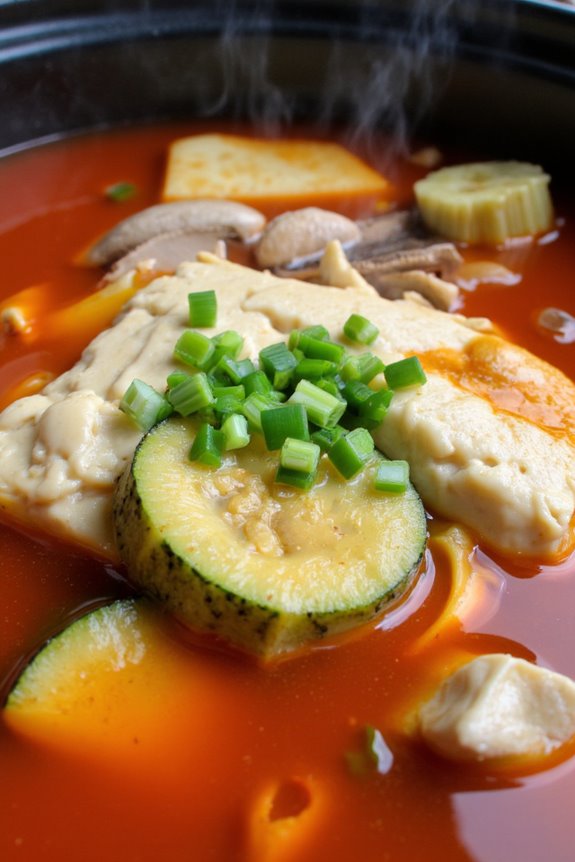
Sundubu Jjigae is a popular Korean dish that showcases the delicate flavors of soft tofu in a spicy stew. This comforting meal is often enjoyed on a chilly day, making it the perfect choice for warming up from the inside out. The dish isn’t only rich in flavor but also highly versatile, allowing you to customize the ingredients according to your preferences.
Traditionally, it’s served bubbling hot in a stone pot, which enhances the overall experience of enjoying this beloved Korean classic.
The beauty of Sundubu Jjigae lies in its simplicity and the balance of ingredients that come together to create a hearty and nutritious dish. The soft tofu is the star of the show, absorbing the flavorful broth, while the combination of vegetables and protein adds texture and depth to the stew.
Whether you’re a fan of seafood, meat, or prefer a vegetarian option, this recipe can easily accommodate different tastes, making it a delightful meal for everyone at the table.
Ingredients (Serves 4-6):
- 1 tablespoon vegetable oil
- 1 medium onion, diced
- 3 cloves garlic, minced
- 1 medium zucchini, sliced
- 1 cup mushrooms, sliced (shiitake or button mushrooms work well)
- 1-2 green chilies, sliced (adjust based on spice preference)
- 2 cups vegetable or chicken broth
- 2 tablespoons gochugaru (Korean red pepper flakes)
- 1 tablespoon soy sauce
- 1 tablespoon sesame oil
- 1 block (300g) soft tofu (sundubu), cut into cubes
- 1 cup cooked protein (tofu, shrimp, or beef)
- 2 green onions, chopped (for garnish)
- 1 egg (optional, for serving)
Cooking Instructions:
- Heat the Oil: In a large pot or stone pot, heat the vegetable oil over medium heat. Once hot, add the diced onion and sauté until translucent, about 3-4 minutes. This step helps to build the base flavor of your stew.
- Add Garlic and Vegetables: Stir in the minced garlic and sauté for another minute until fragrant. Then, add the sliced zucchini and mushrooms, cooking until they’re soft, approximately 5 minutes. This will enhance the texture and flavor of the vegetables in the stew.
- Incorporate Spices: Sprinkle in the gochugaru and stir well to coat the vegetables. Cook for an additional 1-2 minutes to release the flavors of the spices. Gochugaru adds the characteristic heat and color to the dish.
- Pour in the Broth: Add the vegetable or chicken broth, soy sauce, and sesame oil to the pot. Bring the mixture to a gentle boil, then reduce the heat and let it simmer for about 5 minutes. This allows the flavors to meld together.
- Add Tofu and Protein: Carefully add the soft tofu cubes and your choice of cooked protein to the pot. Gently stir to combine, being careful not to break the tofu too much. Simmer for another 5-7 minutes, allowing the tofu to absorb the broth.
- Garnish and Serve: Once the stew is heated through, taste and adjust seasoning if necessary. Ladle the Sundubu Jjigae into individual bowls, garnishing each with chopped green onions. If desired, crack an egg into the hot stew right before serving for extra richness.
Extra Tips:
For an authentic experience, serve Sundubu Jjigae with a side of steamed rice and banchan (Korean side dishes).
Additionally, feel free to experiment with different proteins and vegetables based on what you have on hand. Adjust the spice level by adding more or less gochugaru or using milder peppers if you prefer less heat.
Finally, if you enjoy a thicker stew, consider adding a teaspoon of cornstarch mixed with water to the broth just before adding the tofu. Enjoy your homemade Sundubu Jjigae!
Galbitang (Short Rib Soup)
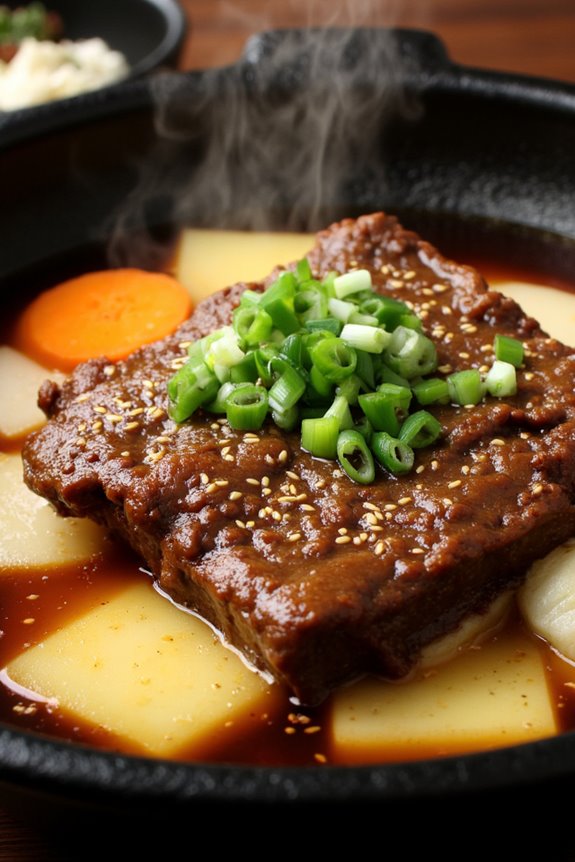
Galbitang, also known as Korean short rib soup, is a hearty and comforting dish that warms the soul. This traditional Korean soup features tender short ribs simmered for hours, resulting in a rich, savory broth that brings out the natural flavors of the meat and vegetables. Often enjoyed during special occasions or cold winter days, Galbitang isn’t only nutritious but also a dish that embodies the essence of Korean culinary tradition.
To prepare Galbitang, you’ll need to gather a selection of ingredients that complement the short ribs beautifully. The soup is typically flavored with garlic, onions, and a medley of vegetables, creating a balanced taste. The slow cooking process allows the flavors to meld together, resulting in a delightful dining experience that can be enjoyed with steamed rice and kimchi on the side.
Ingredients (Serves 4-6):
- 2 pounds of beef short ribs
- 12 cups of water
- 1 medium onion, halved
- 6 cloves of garlic, crushed
- 1 tablespoon of salt (adjust to taste)
- 1 teaspoon of black pepper
- 2 medium potatoes, peeled and cut into chunks
- 2 medium carrots, sliced
- 1 cup of radish (daikon), cut into chunks
- 4 green onions, chopped
- 1 tablespoon of sesame oil
- Optional: 1 tablespoon of soy sauce for added flavor
Cooking Instructions:
- Prepare the Short Ribs: Begin by soaking the short ribs in cold water for about 30 minutes. This helps to remove excess blood and impurities, ensuring a cleaner broth. After soaking, drain and rinse the ribs under cold water.
- Boil the Ribs: In a large pot, add the soaked short ribs and cover them with 12 cups of fresh water. Bring the water to a boil over medium-high heat. Once boiling, skim off any foam or impurities that rise to the surface to keep the broth clear.
- Add Aromatics: After skimming, add the halved onion, crushed garlic, salt, and black pepper to the pot. Reduce the heat to low and let the soup simmer for about 1.5 to 2 hours. This slow cooking process will tenderize the meat and infuse the broth with flavor.
- Incorporate Vegetables: Once the short ribs are tender, add the potatoes, carrots, and radish to the pot. Continue to simmer for another 30-40 minutes, or until the vegetables are cooked through and soft.
- Finish the Soup: Just before serving, stir in the chopped green onions and drizzle a tablespoon of sesame oil for a nutty aroma. Taste the soup and adjust seasoning with more salt or a splash of soy sauce, if desired.
- Serve and Enjoy: Ladle the Galbitang into bowls and serve hot, ideally with a side of steamed rice and kimchi for a complete meal.
Extra Tips:
When preparing Galbitang, allow the soup to cool completely before refrigerating any leftovers. This will help the flavors deepen overnight. The soup can be reheated gently on the stovetop.
For an even richer flavor, consider adding a piece of konbu (dried kelp) during the simmering process and removing it before serving. Additionally, if you like a bit of heat, feel free to add some sliced green chili peppers for a spicy kick.
Doenjang Jjigae (Soybean Paste Stew)
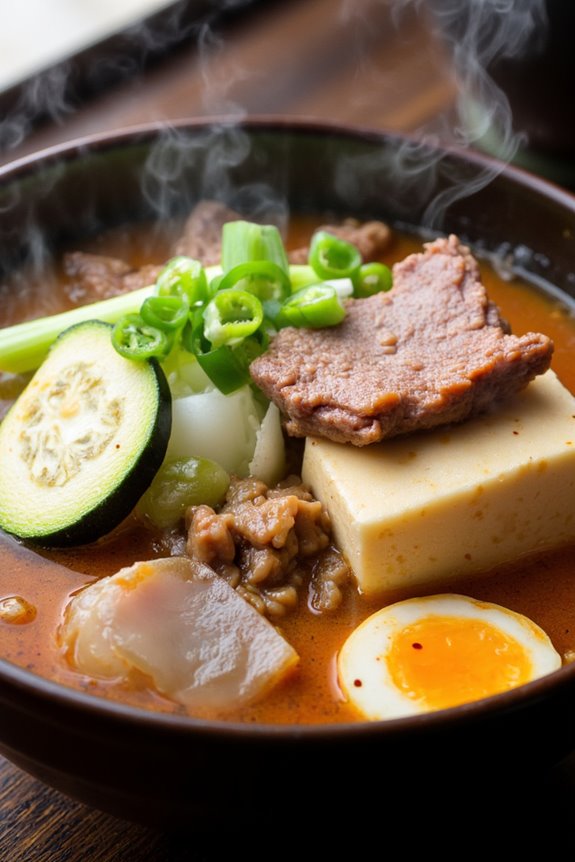
Doenjang Jjigae is a classic Korean stew that showcases the rich, savory flavors of fermented soybean paste. This hearty dish isn’t only comforting but also packed with nutrients, making it a beloved meal in many Korean households. Typically enjoyed with a bowl of steamed rice, Doenjang Jjigae is versatile enough to accommodate various seasonal vegetables and proteins, making it an easy dish to adjust according to your preferences or what you have on hand.
The key ingredient in Doenjang Jjigae is, of course, the doenjang (Korean soybean paste), which provides a deep umami flavor that distinguishes this stew from others. It’s traditionally made with a variety of vegetables, such as zucchini, radish, and green onions, and often includes tofu and sometimes meat or seafood for added richness. This recipe will guide you through making a satisfying pot of Doenjang Jjigae that serves 4 to 6 people.
Ingredients:
- 4 cups of water
- 3 tablespoons of doenjang (Korean soybean paste)
- 1 tablespoon of gochujang (optional, for spice)
- 1 medium zucchini, sliced
- 1 cup of Korean radish (mu), diced
- 1 medium onion, sliced
- 200g of firm tofu, cubed
- 2 green onions, chopped
- 1-2 small green chili peppers, sliced (optional)
- 1 teaspoon of minced garlic
- Salt and pepper to taste
- 150g of pork belly or beef (optional), sliced thinly
Cooking Instructions:
- Prepare the Broth: In a large pot, bring 4 cups of water to a boil. This will serve as the base for your stew.
- Mix in the Doenjang: Once the water is boiling, add 3 tablespoons of doenjang. Stir well to dissolve the paste into the water completely. If you like a bit of heat, you can also add 1 tablespoon of gochujang at this stage.
- Add Hard Vegetables: Next, add the diced Korean radish and sliced zucchini to the broth. These vegetables take longer to cook, so giving them a head start is essential. Let them simmer for about 10 minutes until they start to soften.
- Incorporate Other Ingredients: After the radish and zucchini have softened, add the sliced onion, minced garlic, and the optional sliced pork belly or beef. Allow everything to simmer together for another 5-7 minutes, ensuring the meat cooks through.
- Add Tofu and Season: Gently add the cubed tofu into the pot and simmer for an additional 5 minutes. Be careful not to break the tofu. Season the stew with salt and pepper to your taste.
- Finish with Green Onions: Just before serving, stir in the chopped green onions and the optional green chili peppers for an extra kick. Let the stew simmer for another minute.
- Serve: Remove the pot from the heat and serve the Doenjang Jjigae hot with steamed rice on the side. Enjoy your delicious Korean meal!
Extra Tips:
When making Doenjang Jjigae, feel free to customize the stew by adding seasonal vegetables or proteins of your choice. Mushrooms, spinach, or even seafood like clams or shrimp can add delightful flavors.
Additionally, the stew can be made vegetarian by omitting the meat and using vegetable stock instead of water. Always taste as you go, adjusting the seasoning and the amount of doenjang based on your preference for a more robust or milder flavor. Enjoy your cooking!
Miyeok Guk (Seaweed Soup)
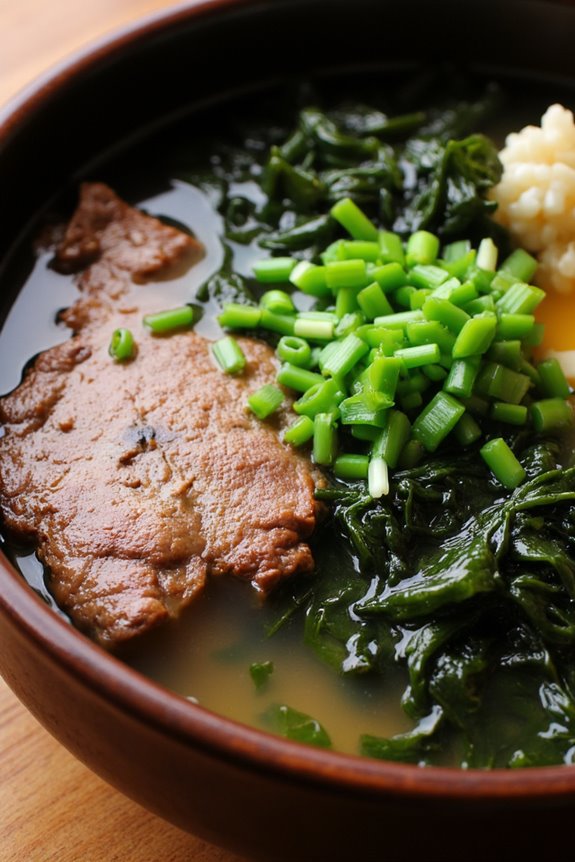
Miyeok Guk is a traditional Korean seaweed soup that’s often enjoyed during birthdays and postpartum recovery. This nourishing dish isn’t only delicious but also packed with nutrients, making it a popular choice for those looking to boost their health. The primary ingredient, miyeok (wakame seaweed), is known for its high mineral content, particularly iodine, which is essential for thyroid function.
The soup is typically flavored with beef or seafood, creating a rich and savory broth that complements the tender seaweed. Preparing Miyeok Guk is relatively simple and can be done in about 30 minutes, making it a great option for a quick yet nutritious meal. The soup can be enjoyed on its own or served with a side of rice and kimchi.
Whether you’re new to Korean cuisine or looking to recreate a beloved dish from your childhood, this recipe will guide you through the steps to make a flavorful Miyeok Guk that will warm your heart and nourish your body.
Ingredients (Serves 4-6):
- 1 cup dried miyeok (wakame seaweed)
- 8 cups water
- 200g beef brisket (or 200g shellfish for a seafood variation)
- 2 tablespoons sesame oil
- 4 tablespoons soy sauce
- 2 cloves garlic, minced
- 1 teaspoon salt (adjust to taste)
- Freshly ground black pepper (to taste)
- 1-2 green onions, chopped (for garnish)
Cooking Instructions:
- Prepare the Seaweed: Rinse the dried miyeok under cold water to remove any dirt or sand. Soak it in a large bowl of water for about 30 minutes until it expands and softens. Once softened, drain it and cut it into bite-sized pieces.
- Cook the Beef: In a large pot, add the beef brisket and 8 cups of water. Bring it to a boil over medium-high heat. Once boiling, reduce the heat to a simmer and let it cook for about 20 minutes until the meat is tender. Skim off any foam that forms on the surface for a clearer broth.
- Sauté the Ingredients: In a separate pan, heat the sesame oil over medium heat. Add the minced garlic and sauté until fragrant, about 30 seconds. Then, add the soaked miyeok and sauté for an additional 2-3 minutes, allowing the seaweed to absorb the flavors.
- Combine and Season: Add the sautéed miyeok to the pot with the beef and broth. Stir in the soy sauce, salt, and black pepper. Allow the soup to simmer for another 10 minutes so that the flavors meld together.
- Serve: Taste the soup and adjust the seasoning if necessary. Once done, ladle the Miyeok Guk into bowls and garnish with chopped green onions. Serve hot, preferably with a side of rice and kimchi.
Extra Tips:
When making Miyeok Guk, feel free to experiment with the protein used; you can substitute beef with seafood like clams or shrimp for a different flavor profile.
Additionally, the soup can be customized with other vegetables such as mushrooms or radish for added nutrition and taste. Always remember to adjust the salt and soy sauce to suit your palate, and enjoy the process of making this comforting and wholesome dish.
Samgyetang (Ginseng Chicken Soup)
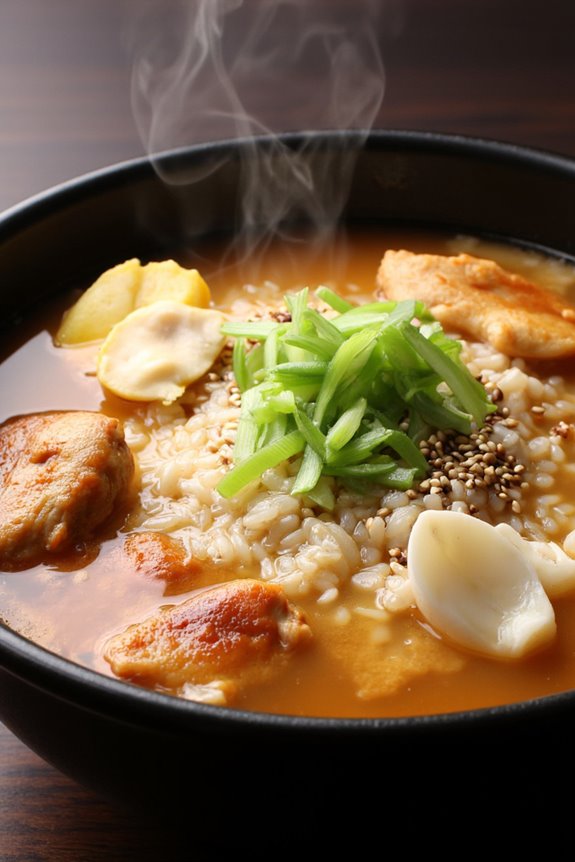
Samgyetang, or Ginseng Chicken Soup, is a beloved traditional Korean dish known for its comforting and nourishing qualities. This hearty soup features a whole young chicken stuffed with glutinous rice, ginseng, and various herbs, simmered to perfection in a clear broth.
It’s particularly popular during the hot summer months, as many believe it helps restore energy and liveliness. The dish isn’t only delicious but is also celebrated for its health benefits, making it a staple in Korean cuisine.
The preparation of Samgyetang is relatively straightforward, though it requires some patience as the chicken cooks slowly to achieve a tender texture and rich flavor. As the broth simmers, the ginseng imparts a unique earthy taste, while the rice absorbs the aromatic flavors.
This dish is often served with a sprinkle of sesame seeds and sliced green onions, adding a delightful finish to the warm soup. Enjoy it with a side of kimchi for a complete Korean meal.
Ingredients (Serves 4-6):
- 1 whole young chicken (about 2-3 lbs)
- 1 cup glutinous rice (also known as sweet rice)
- 4-6 pieces of ginseng (fresh or dried)
- 6 cups of water
- 4-5 cloves of garlic (peeled)
- 1 thumb-sized piece of ginger (sliced)
- 2-3 green onions (chopped, plus more for garnish)
- Salt (to taste)
- Black pepper (to taste)
- Sesame seeds (for garnish)
Cooking Instructions:
- Prepare the Chicken: Rinse the whole chicken under cold water, removing any remaining feathers or innards. Pat the chicken dry with paper towels. This helps to guarantee that the chicken cooks evenly and results in a flavorful broth.
- Soak the Rice: In a bowl, soak the glutinous rice in water for at least 1 hour, or overnight if possible. Soaking the rice will help it cook more evenly and achieve a fluffy texture once stuffed in the chicken and cooked.
- Stuff the Chicken: Drain the soaked rice and fill the cavity of the chicken with the rice, ginseng, garlic cloves, and slices of ginger. Make sure to pack it loosely, as the rice will expand during cooking. This step adds depth of flavor to the chicken and the broth.
- Add Water and Season: Place the stuffed chicken in a large pot and add 6 cups of water. Bring the water to a boil over high heat, then reduce to a gentle simmer. Season with salt and black pepper to taste. This will set the base flavor of the broth.
- Simmer the Soup: Cover the pot and let the chicken simmer for about 1.5 to 2 hours, or until the chicken is tender and the meat easily falls off the bone. Skim off any foam or impurities that rise to the surface for a clearer broth.
- Serve: Once the chicken is fully cooked, carefully remove it from the pot and let it rest for a few minutes. Chop the chicken into serving pieces, then return it to the pot. Adjust seasoning if necessary. Ladle the soup into bowls and garnish with chopped green onions and sesame seeds before serving.
Extra Tips:
For an even richer flavor, you can add additional herbs such as jujube (Korean dates) or chestnuts while simmering the chicken. These ingredients not only enhance the taste but also add nutritional benefits.
Additionally, if you prefer a thicker broth, you can remove the chicken once cooked, blend a small amount of the broth with the rice, and then stir it back into the pot. Serve Samgyetang hot, as it’s best enjoyed fresh.
Kalguksu (Noodle Soup)
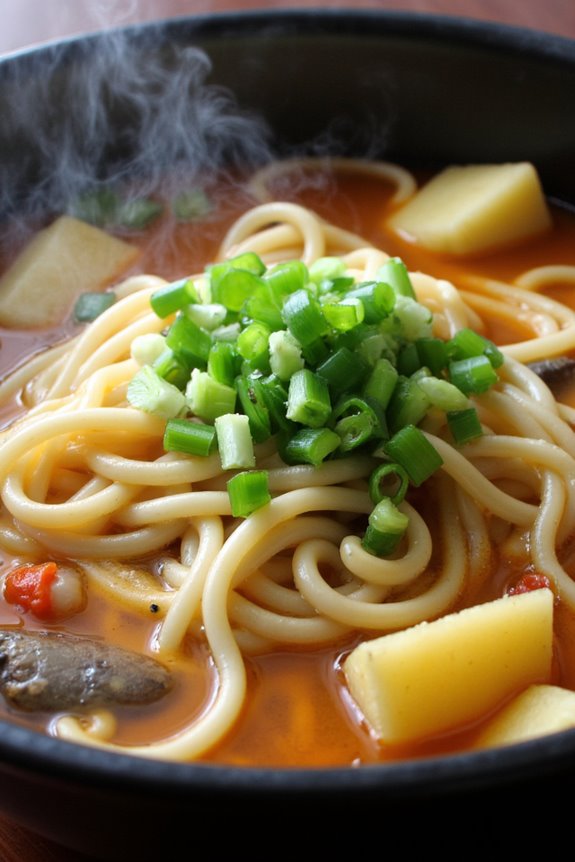
Kalguksu, a traditional Korean noodle soup, is a comforting dish that features handmade wheat flour noodles served in a rich and savory broth. The name “kalguksu” translates to “knife noodles,” which refers to the method of cutting the dough into strips. This dish is often enjoyed during the summer months, but its warm, hearty qualities make it a favorite throughout the year.
With its simple yet flavorful ingredients, kalguksu is a perfect way to warm up on a chilly day or to enjoy a nourishing meal with family and friends.
Cooking kalguksu at home allows you to experience the delightful textures and flavors that make this soup so special. The broth can be made with various ingredients, including anchovies, vegetables, and sometimes chicken or beef, providing a complex flavor profile that’s both invigorating and satisfying.
Once your broth is ready, adding the handmade noodles and vegetables creates a complete and wholesome dish that’s sure to please everyone at the table.
Ingredients (Serves 4-6)
- 2 cups all-purpose flour
- 1/2 cup water (adjust as needed)
- 1/2 teaspoon salt
- 8 cups water (for broth)
- 6-8 dried anchovies (or 1 small piece of dried kelp)
- 1 medium onion, quartered
- 2 garlic cloves, smashed
- 1 medium zucchini, sliced
- 1 medium potato, diced
- 2 green onions, chopped
- Soy sauce, to taste
- Salt and pepper, to taste
- Sesame oil, for drizzling (optional)
Cooking Instructions
- Make the Noodle Dough: In a large mixing bowl, combine the all-purpose flour and salt. Gradually add water while mixing until the dough begins to form. Knead the dough for about 10-15 minutes until it’s smooth and elastic. Wrap the dough in plastic wrap and let it rest for 30 minutes.
- Prepare the Broth: In a large pot, add 8 cups of water, dried anchovies (or kelp), quartered onion, and smashed garlic cloves. Bring to a boil over medium heat, then reduce the heat to low and let the broth simmer for about 20-30 minutes. Strain the broth and discard the solids, returning the clear broth to the pot.
- Add Vegetables: Once the broth is ready, add the sliced zucchini and diced potato to the pot. Allow them to cook in the broth for about 10-15 minutes, or until they’re tender.
- Roll and Cut the Noodles: While the vegetables are cooking, take the rested dough and roll it out on a floured surface to about 1/8 inch thick. Using a sharp knife, cut the dough into thin strips to create the noodles. Dust the cut noodles with a little flour to prevent them from sticking together.
- Cook the Noodles: Bring the broth back to a boil and add the freshly cut noodles. Cook for about 5-7 minutes, or until the noodles are tender. Stir occasionally to prevent sticking.
- Season the Soup: Once the noodles are cooked, season the soup with soy sauce, salt, and pepper to taste. You can also add a drizzle of sesame oil for added flavor.
- Serve: Ladle the kalguksu into bowls and garnish with chopped green onions. Serve hot and enjoy the delightful flavors of this comforting noodle soup.
Extra Tips
When making kalguksu, the quality of the broth is key to a delicious soup. If available, consider using homemade broth or adding a splash of chicken or beef stock for an even richer flavor.
The noodles can be made in advance and stored in the refrigerator for up to a day, making it easier to prepare this dish on busy weeknights. Finally, feel free to customize your soup with additional ingredients such as mushrooms or leafy greens for added nutrition and variety.
Jjampong (Spicy Seafood Noodle Soup)
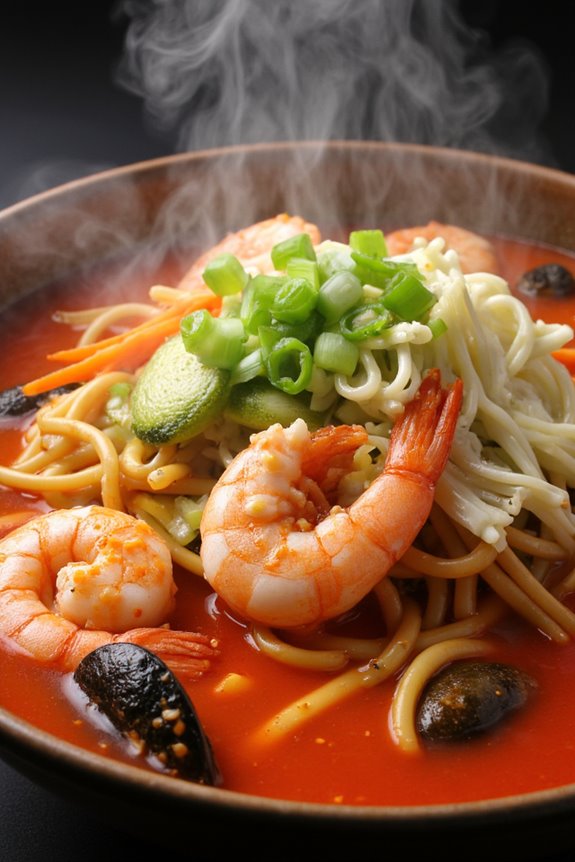
Jjampong is a beloved Korean dish known for its vibrant flavors and hearty ingredients. This spicy seafood noodle soup combines a variety of seafood with vegetables and chewy noodles, all simmered in a rich, spicy broth. Jjampong is perfect for warm-up meals on chilly days or for impressing guests with its colorful presentation and delicious taste.
With a mix of fresh ingredients and a delightful spice level, this soup is bound to become a favorite in your household. The beauty of Jjampong lies in its versatility; you can adjust the types of seafood and vegetables based on your preferences or what you have on hand. The soup is typically enjoyed with a side of kimchi, enhancing the meal with additional flavor and crunch.
As a comforting and nourishing option, Jjampong isn’t only a satisfying meal but also a wonderful way to experience the flavors of Korean cuisine.
Ingredients (Serves 4-6)
- 200g (7 oz) fresh squid, cleaned and sliced
- 200g (7 oz) shrimp, peeled and deveined
- 200g (7 oz) mussels, cleaned
- 150g (5 oz) pork belly, thinly sliced
- 1 medium onion, sliced
- 2 cloves garlic, minced
- 1 medium carrot, julienned
- 1 medium zucchini, julienned
- 100g (3.5 oz) napa cabbage, chopped
- 2-3 green onions, chopped
- 4 cups seafood stock or water
- 2 tablespoons gochugaru (Korean red pepper flakes)
- 1 tablespoon gochujang (Korean red pepper paste)
- 2 tablespoons soy sauce
- 2 tablespoons sesame oil
- 1 tablespoon vegetable oil
- 300g (10 oz) fresh wheat noodles (or ramen noodles)
- Salt and pepper to taste
Cooking Instructions
- Prepare the Seafood and Vegetables: Begin by cleaning and cutting your seafood into bite-sized pieces. Slice the pork belly thinly. Prepare the vegetables by slicing the onion, julienning the carrot and zucchini, and chopping the napa cabbage. This preparation will guarantee that everything cooks evenly and allows for a colorful presentation.
- Sauté the Pork Belly: In a large pot, heat the vegetable oil over medium heat. Add the sliced pork belly and sauté until it becomes crispy and golden brown. This step adds depth of flavor to the soup and creates a savory base.
- Add Aromatics: Once the pork belly is cooked, add the minced garlic and sliced onion to the pot. Sauté for about 2-3 minutes until the onions become translucent and fragrant. This will infuse the broth with additional flavors.
- Incorporate the Vegetables: Add the julienned carrot, zucchini, and chopped napa cabbage to the pot. Stir for about 3-4 minutes until the vegetables start to soften. This guarantees that the vegetables are tender but still retain some crunch.
- Create the Broth: Stir in the gochugaru, gochujang, and soy sauce, mixing well to coat the vegetables and pork. Then pour in the seafood stock or water, bringing the mixture to a boil. This process will create a rich and spicy broth.
- Add the Seafood: Once the broth is boiling, add the squid, shrimp, and mussels to the pot. Cook for about 5-7 minutes until the shrimp turns pink and the mussels open up. This step is critical to confirm that the seafood is cooked perfectly without becoming rubbery.
- Cook the Noodles: In a separate pot, cook the fresh wheat noodles according to package instructions. Once cooked, drain and rinse them under cold water to prevent sticking. This step is crucial for achieving the right texture in your jjampong.
- Combine and Serve: Divide the cooked noodles into bowls and ladle the hot seafood broth with vegetables over them. Garnish with chopped green onions for a fresh touch. Serve immediately, allowing everyone to enjoy the steaming bowl of deliciousness.
Extra Tips
When preparing Jjampong, feel free to customize the types of seafood based on your taste or availability. If you prefer a milder soup, you can reduce the amount of gochugaru and gochujang.
Additionally, adding a splash of rice wine or a dash of sesame seeds before serving can enhance the flavor even more. Be sure to serve your Jjampong hot, alongside some kimchi or pickled vegetables, for a complete Korean dining experience. Enjoy your cooking!
Tteokguk (Rice Cake Soup)
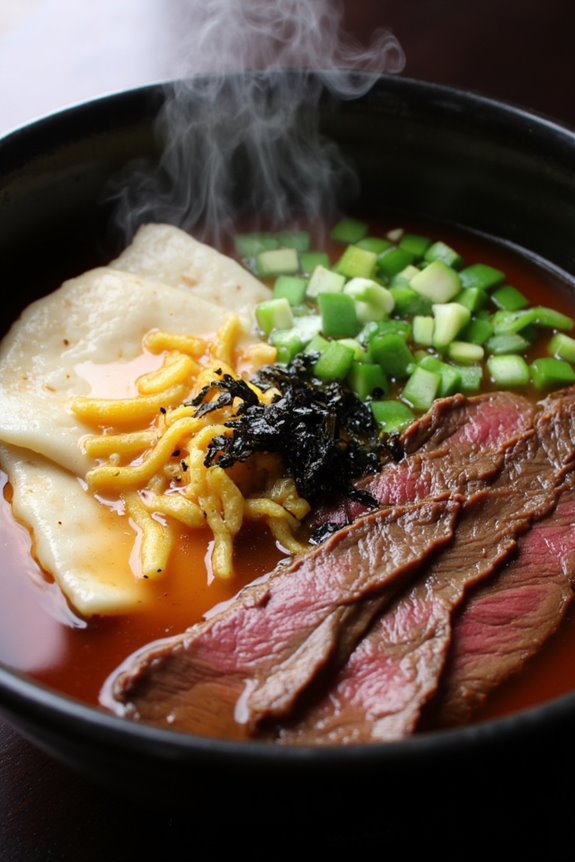
Tteokguk is a traditional Korean soup made with sliced rice cakes, known as “tteok,” which are typically enjoyed during the Lunar New Year celebrations. The dish symbolizes the gaining of a year in age and is often served with a rich, flavorful broth. This comforting soup isn’t only delicious but is also a significant part of Korean culture, representing new beginnings and good fortune for the year ahead.
The base of Tteokguk is usually made with beef or chicken broth, which provides a hearty flavor. The rice cakes are soft and chewy, providing a delightful texture that complements the broth. Tteokguk is often garnished with green onions, egg, and sometimes seaweed for added flavor and visual appeal. This recipe serves 4-6 people and is perfect for family gatherings or festive occasions.
Ingredients:
- 1 pound (450g) of beef brisket or beef shank
- 10 cups of water
- 1 teaspoon of salt
- 1 tablespoon of soy sauce
- 1 pound (450g) of Korean rice cakes (tteok), sliced thinly
- 4 green onions, chopped
- 2 eggs, beaten
- 1 tablespoon of sesame oil
- Salt and pepper to taste
- Optional: dried seaweed (gim) for garnish
Cooking Instructions:
- Prepare the Broth: In a large pot, place the beef brisket or shank and cover it with 10 cups of water. Bring the water to a boil, then reduce the heat to low and simmer for about 1.5 to 2 hours. This slow cooking will allow the beef to become tender and the flavors to develop in the broth.
- Season the Broth: After the beef is tender, remove it from the pot and set it aside to cool. Strain the broth through a fine mesh sieve into another pot to remove any impurities and solid particles. Add 1 teaspoon of salt and 1 tablespoon of soy sauce to the strained broth for seasoning.
- Slice the Beef: Once the beef is cool enough to handle, slice it thinly against the grain. This will guarantee the meat remains tender and easy to eat.
- Cook the Rice Cakes: In the same pot with the seasoned broth, add the sliced rice cakes. Bring the broth back to a gentle boil and cook the rice cakes for about 5-7 minutes, or until they’re soft and chewy. Stir occasionally to prevent them from sticking.
- Add the Beef and Green Onions: Once the rice cakes are cooked, add the sliced beef back into the pot along with the chopped green onions. Let it simmer for another 2-3 minutes to heat the beef through and combine the flavors.
- Prepare the Egg Garnish: In a separate pan, heat a small amount of oil over medium heat. Pour in the beaten eggs and cook until set, then remove from the pan and slice into thin strips for garnish.
- Serve the Soup: Drizzle 1 tablespoon of sesame oil into the soup for added flavor. Taste and adjust the seasoning with salt and pepper as needed. Ladle the Tteokguk into bowls and top with the egg strips and additional green onions. Optionally, sprinkle with dried seaweed.
Extra Tips: When making Tteokguk, it’s crucial to use fresh rice cakes for the best texture. If using frozen rice cakes, soak them in water for about 30 minutes before cooking to make sure they soften properly. You can also customize your Tteokguk by adding other ingredients like vegetables or dumplings, depending on your preference. Enjoy your Tteokguk with a side of kimchi for a complete Korean meal experience!
Budae Jjigae (Army Stew)
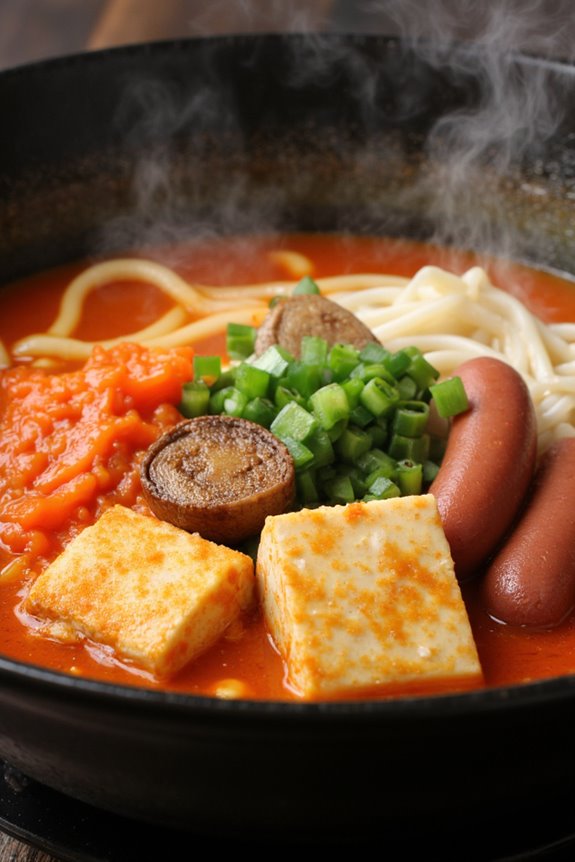
Budae Jjigae, or Army Stew, is a hearty and flavorful Korean dish that originated during the Korean War. It combines a variety of ingredients, including sausages, spam, tofu, and vegetables, all simmered together in a spicy broth. This dish isn’t only a delicious way to warm up on a chilly day, but it also makes for a fun communal meal, as it’s often cooked and served directly at the table, allowing everyone to enjoy the cooking process together.
The combination of ingredients symbolizes resourcefulness, as it was created from surplus goods and leftovers. The beauty of Budae Jjigae lies in its versatility; you can easily adjust the ingredients based on your preferences or what you have on hand. For those who love a spicy kick, the gochujang (Korean chili paste) adds depth and heat to the broth, while the addition of ramen noodles makes the stew a filling meal. Enjoy this dish with a side of steamed rice or some pickled vegetables for a complete Korean dining experience.
Ingredients (Serves 4-6):
- 200g (7 oz) Spam, sliced
- 200g (7 oz) hot dogs, sliced
- 200g (7 oz) firm tofu, cut into cubes
- 1 cup kimchi, chopped
- 1 onion, sliced
- 2 green onions, chopped
- 1 cup mushrooms (shiitake or enoki), sliced
- 2 cups water or broth (chicken or beef)
- 3 tablespoons gochujang (Korean chili paste)
- 2 tablespoons soy sauce
- 1 tablespoon sesame oil
- 1 tablespoon garlic, minced
- 1 package instant ramen noodles
- Optional toppings: sliced cheese, additional green onions for garnish
Cooking Instructions:
- Prepare the Base: In a large pot or a Korean stone pot (ttukbaegi), heat the sesame oil over medium heat. Add the sliced onion and sauté for about 3-4 minutes until translucent. This forms the aromatic base for your stew.
- Add the Kimchi: Stir in the chopped kimchi and minced garlic. Cook for another 3-5 minutes, allowing the kimchi to soften and release its flavors. The tanginess from the kimchi adds a wonderful depth to the broth.
- Combine Proteins and Broth: Add the sliced Spam, hot dogs, and tofu cubes to the pot. Then, pour in the water or broth. Bring the mixture to a gentle boil, which will help to infuse the flavors of the proteins into the broth.
- Incorporate Seasonings: Once boiling, stir in the gochujang and soy sauce. Taste the broth and adjust the seasoning as needed. Let it simmer for about 10 minutes, allowing the flavors to meld together.
- Add Vegetables and Noodles: After the broth has simmered, add the sliced mushrooms and instant ramen noodles. Cook for an additional 3-5 minutes until the noodles are tender. If using cheese, place it on top during the last minute of cooking to let it melt.
- Garnish and Serve: Once everything is cooked to your liking, sprinkle the chopped green onions over the top as a garnish. Serve the Budae Jjigae hot, directly from the pot, allowing everyone to scoop out their servings.
Extra Tips:
When making Budae Jjigae, feel free to customize the ingredients based on your taste or dietary restrictions. You can add vegetables such as zucchini, bell peppers, or even instant rice cakes for added texture.
For a richer flavor, consider using homemade broth instead of water, and adjust the level of spiciness by adding more or less gochujang. Finally, this dish is best enjoyed fresh, but any leftovers can be stored in the refrigerator and reheated for a quick meal the next day.
Juk (Rice Porridge)
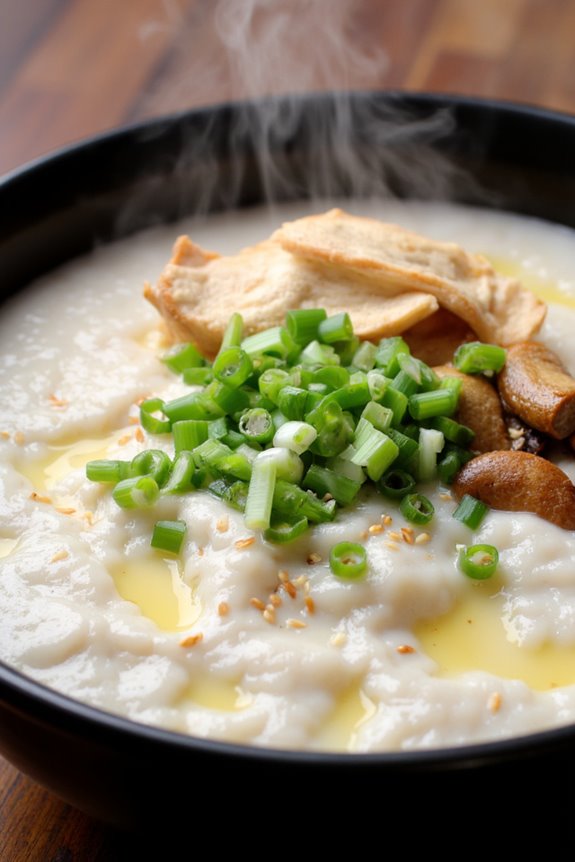
Juk, or Korean rice porridge, is a comforting dish that’s often enjoyed for breakfast or when someone is feeling under the weather. This simple yet nutritious meal is made by slow-cooking rice with a generous amount of water until it breaks down into a creamy consistency.
The beauty of juk lies in its versatility; it can be customized with various ingredients such as vegetables, meats, or seafood, to enhance its flavor and nutritional value.
Making juk is a straightforward process that requires minimal ingredients and time. It’s a perfect recipe for those who want a warm and soothing dish that’s easy on the stomach. Whether you’re recovering from an illness, seeking a light meal, or just craving something warm and filling, juk is the ideal choice. Let’s explore the recipe!
Ingredients (Serves 4-6)
- 1 cup short-grain rice
- 8 cups water or chicken broth
- 1 teaspoon salt (adjust to taste)
- 1 tablespoon sesame oil
- 1/2 cup of finely chopped green onions
- Optional: shredded chicken, mushrooms, or other vegetables
Cooking Instructions
- Rinse the Rice: Begin by rinsing the short-grain rice under cold running water. This step is essential as it removes excess starch and prevents the porridge from becoming too gummy. Rinse until the water runs clear, then drain the rice.
- Soak the Rice (Optional): For a creamier texture, soak the rinsed rice in water for about 30 minutes. This step is optional but can yield a smoother porridge.
- Cook the Rice: In a large pot, combine the soaked rice with 8 cups of water or chicken broth. If you’re using broth, it will add more flavor to the dish. Bring the mixture to a rolling boil over medium-high heat.
- Simmer the Porridge: Once boiling, reduce the heat to low and let the porridge simmer. Stir occasionally to prevent the rice from sticking to the bottom of the pot. Cook for about 30-40 minutes, or until the rice grains have broken down and the mixture reaches a thick, creamy consistency.
- Season the Juk: After the rice has cooked down, stir in the salt and sesame oil. These ingredients will enhance the flavor of the porridge. Taste and adjust seasoning as needed.
- Add Optional Ingredients: If you wish to add shredded chicken, sautéed mushrooms, or any other vegetables, now is the time to stir them in. Allow them to heat through for about 5-10 minutes.
- Serve: Ladle the juk into bowls and garnish with finely chopped green onions. Serve hot for the best experience.
Extra Tips
When making juk, feel free to experiment with different textures and flavors by adjusting the amount of water or broth. For a thicker porridge, reduce the liquid slightly, and for a thinner consistency, add more.
You can also customize the toppings based on your preference, adding nuts, seeds, or even a drizzle of soy sauce for an extra kick. Keep in mind that juk is best enjoyed fresh, but any leftovers can be stored in the refrigerator and reheated with a splash of water to regain its creamy texture.
Gamjatang (Pork Bone Soup)
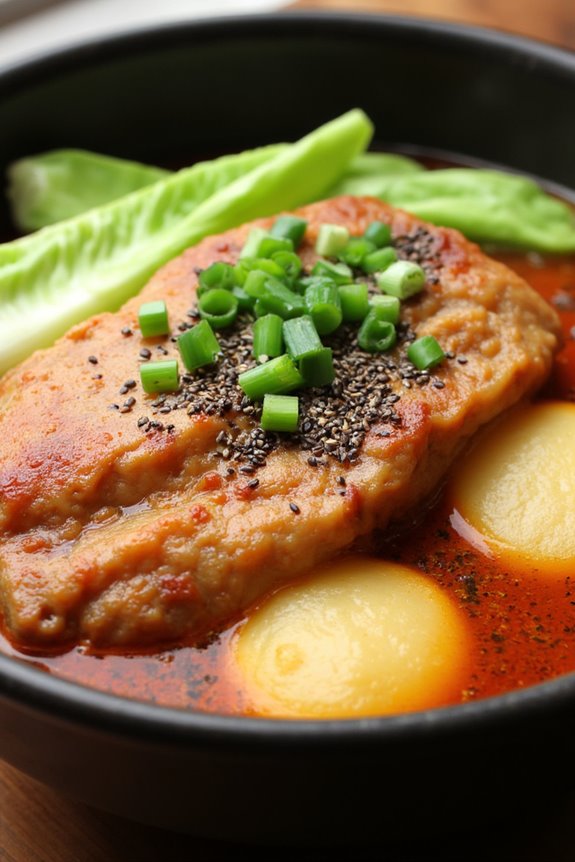
Gamjatang, a hearty Korean soup, is beloved for its rich flavors and comforting warmth. This dish primarily features pork neck bones, which are simmered to perfection, allowing the meat to become tender while infusing the broth with deep, savory notes.
The addition of potatoes, napa cabbage, and an array of spices creates a complex yet balanced flavor profile that’s both nourishing and satisfying. It’s a popular choice for family gatherings or chilly evenings, providing a wholesome meal that’s sure to please everyone at the table.
The vibrant and aromatic soup is further enhanced with ingredients like gochugaru (Korean red pepper flakes) and doenjang (fermented soybean paste), giving it a delightful kick and a depth of umami. Whether enjoyed on its own or paired with a bowl of rice, Gamjatang is a perfect representation of Korean comfort food.
Prepare to commence on a culinary journey that will transport your taste buds straight to Korea!
Ingredients (Serves 4-6)
- 2 lbs pork neck bones
- 2 medium potatoes, peeled and cut into chunks
- 1 medium onion, quartered
- 5 cups water
- 1 cup napa cabbage, cut into bite-sized pieces
- 4 green onions, chopped (keep some for garnish)
- 2 tablespoons gochugaru (Korean red pepper flakes)
- 2 tablespoons doenjang (fermented soybean paste)
- 1 tablespoon soy sauce
- 1 tablespoon garlic, minced
- 1 teaspoon sesame oil
- Salt and pepper to taste
- Optional: 1 tablespoon perilla seeds, crushed (for garnish)
Cooking Instructions
1. Prepare the Pork Bones: Start by rinsing the pork neck bones under cold water to remove any impurities. This step is essential for guaranteeing a clean and clear broth. Soak the bones in cold water for about 30 minutes, then drain and set aside.
2. Boil the Bones: In a large pot, combine the pork neck bones and 5 cups of water. Bring the mixture to a boil over high heat, skimming off any foam that rises to the surface. This helps in achieving a clearer broth.
Once boiling, reduce the heat to medium-low and allow the bones to simmer for about 30-40 minutes.
3. Add Vegetables: After simmering, add the quartered onion and continue to simmer for another 10 minutes. Following this, add the potato chunks and napa cabbage to the pot. These vegetables will add flavor and texture to the soup as they cook.
4. Season the Soup: Stir in the gochugaru, doenjang, soy sauce, minced garlic, and sesame oil. Mix well to guarantee the seasonings are evenly distributed throughout the soup.
Allow it to simmer for an additional 20-30 minutes, or until the potatoes are tender and the meat is falling off the bone.
5. Final Touches: Once the pork is tender, taste the soup and adjust the seasoning with salt and pepper as needed. Add the chopped green onions and stir them into the soup. Let it simmer for another 5 minutes.
6. Serve: Ladle the Gamjatang into bowls, ensuring each serving has a good amount of broth, pork, and vegetables. Garnish with additional chopped green onions and crushed perilla seeds if desired.
Extra Tips
When making Gamjatang, feel free to customize the ingredients based on your preferences. Some variations include adding mushrooms or other vegetables for extra flavor and nutrition.
Additionally, let the soup sit for a while before serving; this allows the flavors to meld beautifully. If you have leftovers, they typically taste even better the next day as the flavors continue to develop. Enjoy your homemade Gamjatang with a side of steamed rice for a complete meal!
Kkori Gomtang (Beef Bone Soup)
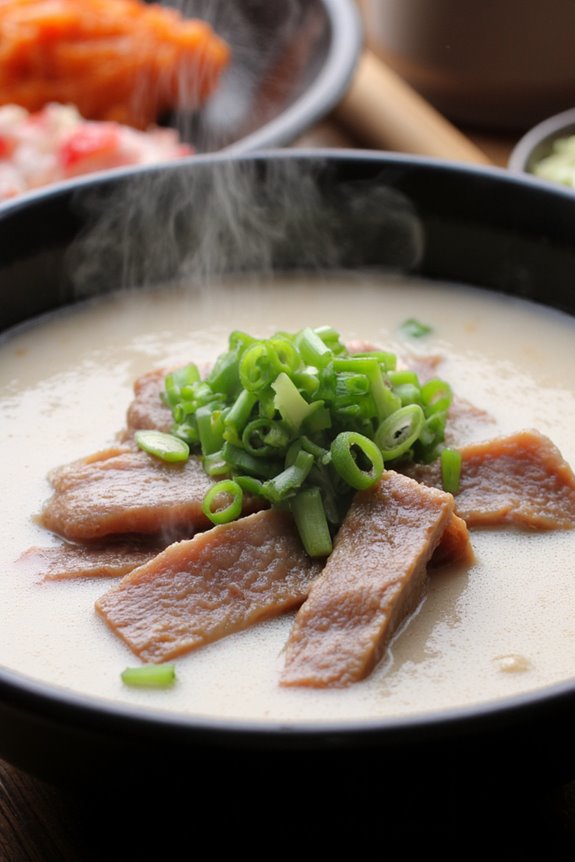
Kkori Gomtang, also known as Korean Beef Bone Soup, is a deeply nourishing and hearty dish that embodies the essence of Korean comfort food. Traditionally made with beef bones, this soup is simmered for hours to extract the rich flavors and nutrients, resulting in a milky white broth that’s both flavorful and satisfying.
Often enjoyed during the cold months or as a remedy for fatigue, Kkori Gomtang isn’t only delicious but also a wholesome way to warm your body and soul.
The beauty of Kkori Gomtang lies in its simplicity and the quality of its ingredients. The broth is typically seasoned lightly, allowing the natural flavors of the beef and bones to shine through. This dish is often served with a side of rice and various side dishes (banchan), making it a complete meal.
Whether you’re enjoying it with family or friends, this soup is sure to bring everyone together around the table.
Ingredients (Serves 4-6):
- 2-3 pounds beef bones (preferably a mix of marrow bones and knuckle bones)
- 1 pound beef brisket or shank, cut into large pieces
- 1 medium onion, halved
- 1 head of garlic, halved horizontally
- 2-3 green onions, cut into large pieces
- 1 tablespoon black peppercorns
- Salt, to taste
- Water (enough to cover the bones and meat, approximately 12-14 cups)
- Optional: Cooked rice and additional green onions for serving
Cooking Instructions:
1. Prepare the Bones: Start by rinsing the beef bones under cold water to remove any impurities. For a clearer broth, you can blanch the bones. To do this, place the bones in a large pot, cover with cold water, and bring to a boil.
Once boiling, let it cook for about 5 minutes, then drain and rinse the bones under cold water again. This will help eliminate any scum that may cloud your soup.
2. Simmer the Soup Base: In a large pot, add the cleaned bones, beef brisket, onion, garlic, green onions, and black peppercorns. Pour in enough water to cover the ingredients, about 12-14 cups.
Bring the pot to a boil over high heat, then reduce to low heat and let it simmer. Cover the pot and allow it to simmer for at least 5-6 hours. The longer you simmer, the richer the flavor will become.
3. Skim the Broth: During the simmering process, periodically check on the broth and skim off any foam or impurities that rise to the surface. This will help to keep your soup clear and flavorful.
4. Remove Ingredients: After simmering for the desired time, carefully remove the bones and brisket from the pot. Let the brisket rest for a few minutes before slicing it into bite-sized pieces.
Discard the onion and garlic, but you can keep the green onions for added flavor.
5. Strain the Broth: Strain the Broth through a fine mesh sieve to remove any remaining solids. You can return the strained broth to the pot and bring it back to a gentle simmer.
Season with salt to taste.
6. Serve: In a serving bowl, place a portion of the sliced brisket, ladle the hot broth over it, and garnish with additional chopped green onions if desired. Serve with cooked rice on the side.
Extra Tips:
For an even richer flavor, consider adding a few pieces of dried kelp (dashima) to the pot while simmering, then remove it before serving.
Additionally, Kkori Gomtang is often enjoyed with a sprinkle of freshly ground black pepper or a dash of sesame oil for added depth. Pairing it with kimchi or pickled vegetables can enhance the overall dining experience.
Nabemono (Korean Hot Pot)
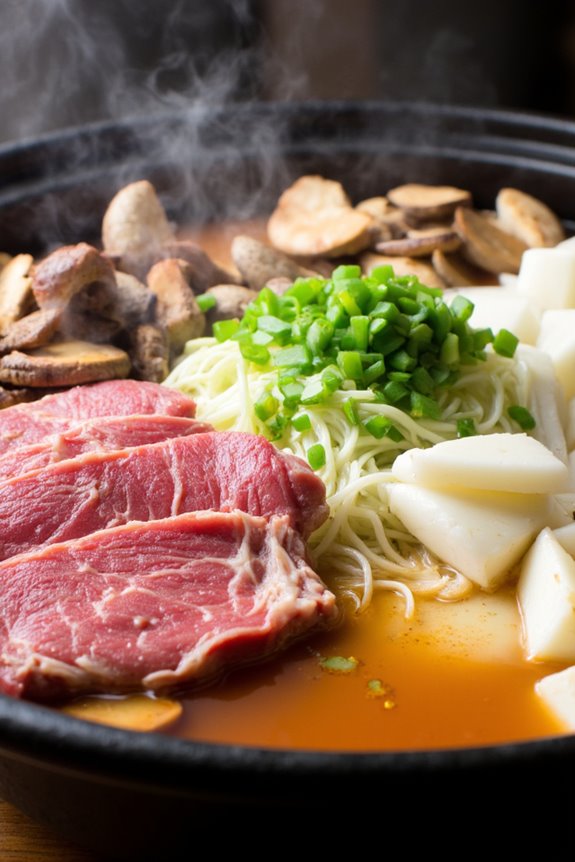
Nabemono is a delightful Korean hot pot that brings together a medley of fresh ingredients simmered in a savory broth. This communal dish is perfect for gatherings, where friends and family can gather around the table to enjoy the interactive experience of cooking their own food at the table.
With a rich flavor profile that combines umami, spice, and freshness, Nabemono isn’t only comforting but also incredibly satisfying. The beauty of Nabemono lies in its versatility; you can customize it with a variety of proteins and vegetables based on your preferences.
From tender slices of beef to an assortment of mushrooms and leafy greens, each bite is packed with flavor. The broth, often made with a base of anchovy or kelp stock, infuses every ingredient with a depth that’s sure to warm you from the inside out. Let’s explore how to create this scrumptious dish that serves 4-6 people.
Ingredients:
- 1 lb beef ribeye, thinly sliced
- 1 lb shiitake mushrooms, sliced
- 1 lb napa cabbage, chopped
- 1 cup enoki mushrooms, trimmed
- 1 cup tofu, cubed
- 1 cup daikon radish, sliced
- 2 green onions, chopped
- 4 cups anchovy or kelp broth
- 3 tablespoons soy sauce
- 2 tablespoons gochugaru (Korean red pepper flakes)
- 1 tablespoon sesame oil
- Salt and pepper to taste
- Cooked rice or noodles (for serving)
Cooking Instructions:
- Prepare the Broth: In a large pot, combine the anchovy or kelp broth, soy sauce, gochugaru, sesame oil, and a pinch of salt and pepper. Bring the mixture to a gentle boil over medium heat, allowing the flavors to meld together.
- Prep the Ingredients: While the broth is heating, prepare your ingredients. Slice the beef ribeye thinly, chop the napa cabbage, trim the enoki mushrooms, and cube the tofu. Arrange them on a large platter for easy access during cooking.
- Simmer the Broth: Once the broth reaches a boil, reduce the heat to low and let it simmer for about 10 minutes. This will allow the flavors to deepen. You can taste the broth and adjust the seasoning if necessary.
- Cook the Ingredients: Gather everyone around the pot. Start by adding the tougher vegetables like daikon radish and napa cabbage to the simmering broth first. Let them cook for about 3-5 minutes until they begin to soften.
- Add Proteins and Mushrooms: Next, add the sliced beef, shiitake mushrooms, and enoki mushrooms to the pot. Cook for an additional 3-4 minutes, or until the beef is cooked through. Finally, gently add the tofu cubes and let them warm through for about 2 minutes.
- Garnish and Serve: Sprinkle the chopped green onions over the top of the hot pot. Serve the Nabemono directly from the pot, alongside bowls of cooked rice or noodles. Encourage everyone to add their desired ingredients to their own bowls.
Extra Tips:
When preparing Nabemono, feel free to get creative with the ingredients you use. You can substitute or add different meats like chicken or pork, and include seasonal vegetables such as spinach or carrots.
Additionally, having a dipping sauce on the side, like a mixture of soy sauce, vinegar, and sesame seeds, can enhance the flavors of your hot pot. If you’re looking for a quicker option, using store-bought broth can save time while still delivering delicious results. Enjoy the experience of cooking and sharing this hearty meal with loved ones!
Oi Naengguk (Cold Cucumber Soup)
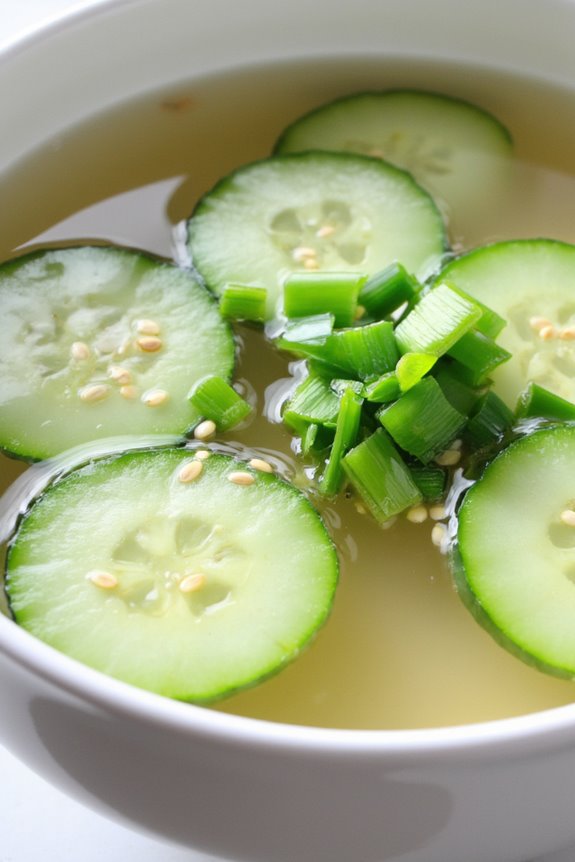
Oi Naengguk, a rejuvenating cold cucumber soup, is a staple in Korean cuisine especially during the hot summer months. This dish isn’t only light and hydrating but also packed with flavor. The crisp texture of cucumbers combined with a tangy broth makes it an ideal accompaniment to any meal or a delightful standalone dish.
It’s a fantastic way to showcase the freshness of the ingredients while keeping things simple and healthy. This soup is traditionally served chilled, making it a perfect dish to prepare ahead of time. The blend of cucumber, garlic, and vinegar creates a vibrant and appetizing flavor profile.
With its bright green color and cooling taste, Oi Naengguk is sure to impress your family and friends, making it a favorite at gatherings and dinner parties alike.
Ingredients (Serves 4-6)
- 4 medium-sized cucumbers
- 1 tablespoon salt
- 4 cups cold water
- 2 tablespoons rice vinegar
- 1 tablespoon sesame oil
- 1 teaspoon sugar
- 2 cloves garlic, minced
- 1 tablespoon chopped green onions
- 1 tablespoon sesame seeds (for garnish)
- Ice cubes (optional)
Cooking Instructions
- Prepare the Cucumbers: Wash the cucumbers thoroughly under running water. Cut off the ends and slice them in half lengthwise. Use a spoon to scoop out the seeds, then cut the cucumbers into thin half-moon slices. This will help release moisture and flavor into the soup.
- Salt the Cucumbers: Place the sliced cucumbers in a large bowl and sprinkle them with the tablespoon of salt. Toss the cucumbers gently to make sure they’re evenly coated with salt. Let them sit for about 10-15 minutes. This process helps draw out excess water and enhances the flavor of the cucumbers.
- Make the Broth: In another large bowl, combine the cold water, rice vinegar, sesame oil, sugar, and minced garlic. Stir well until the sugar is dissolved completely. This mixture will serve as the flavorful broth for the soup.
- Combine Ingredients: After the cucumbers have released some water, drain the excess liquid from the bowl. Add the salted cucumbers to the broth mixture. Stir gently to combine all the ingredients. Taste the broth and adjust seasoning if necessary by adding more vinegar or a pinch of salt.
- Chill the Soup: Cover the bowl with plastic wrap or a lid and place it in the refrigerator. Let the soup chill for at least 30 minutes to 1 hour. This allows the flavors to meld together and the soup to become invigoratingly cold.
- Serve: Once chilled, ladle the soup into individual bowls. Garnish with chopped green onions and a sprinkle of sesame seeds. If desired, add a few ice cubes to each bowl for extra chill.
Extra Tips
For an added flavor boost, consider adding a sprinkle of Korean chili flakes (gochugaru) for some heat, or use a dash of soy sauce for a deeper umami flavor.
You can also experiment with different types of cucumbers; Korean cucumbers are preferred for their crunchiness, but English or Persian cucumbers work well too. Remember to serve Oi Naengguk very cold for the best taste, and feel free to adjust the acidity level according to your preference by modifying the amount of vinegar used.
