

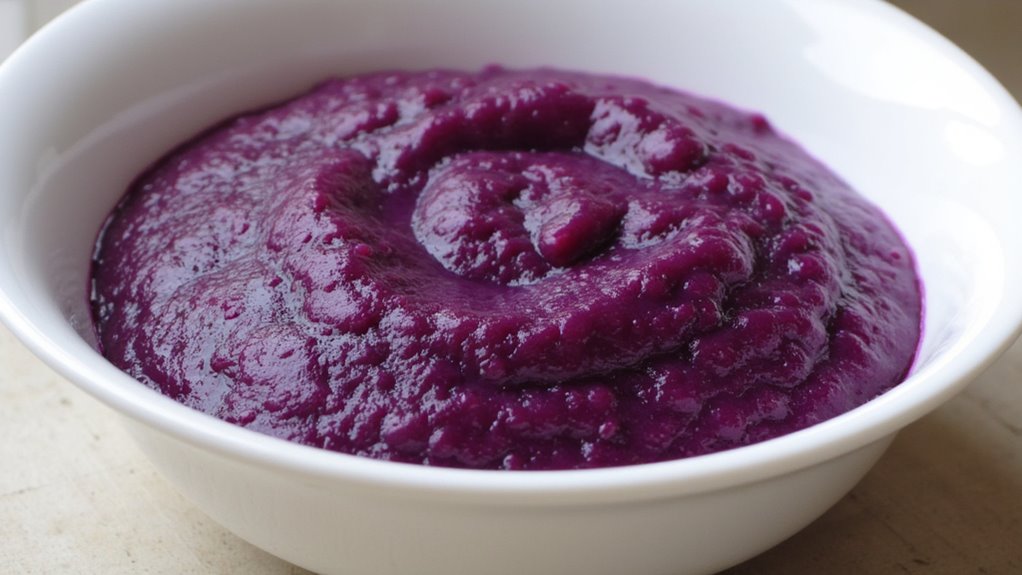
When I think of cozy meals, Filipino cuisine is always at the top of my list, especially when coconut milk is involved. The rich, creamy texture of dishes like Ginataang Bilo-Bilo and Kare-Kare brings warmth and comfort that’s hard to resist. Each recipe offers its own unique twist, making them perfect for gatherings or quiet nights in. These delightful dishes promise to satisfy your cravings and elevate your dining experience. Let’s explore them together and enjoy the flavors they bring to the table.
Ginataang Bilo-Bilo (Coconut Milk With Sticky Rice Balls)
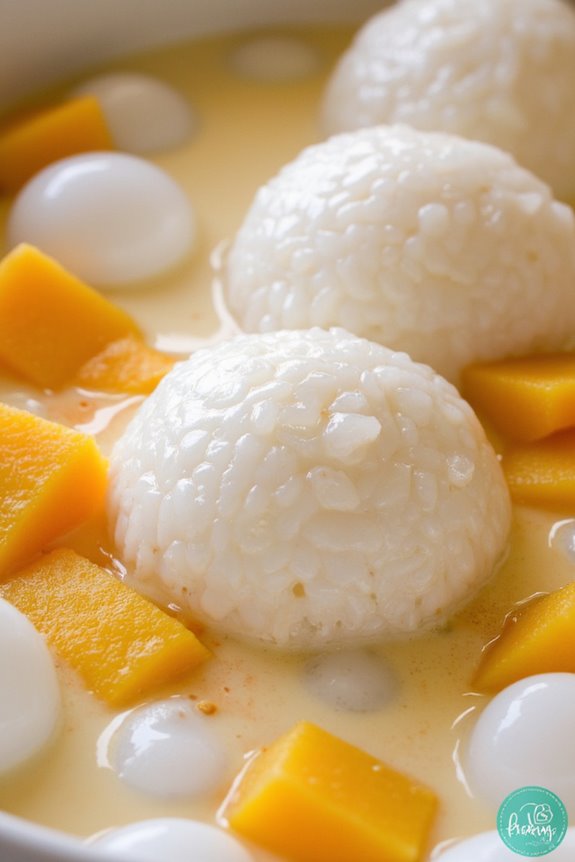
Ginataang Bilo-Bilo is a comforting Filipino dessert that brings together the rich flavors of coconut milk, sweet fruits, and chewy rice balls. This delightful dish is often served during special occasions, family gatherings, or simply as a treat to enjoy at home.
The sticky rice balls, known as “bilo-bilo,” are made from glutinous rice flour, and they offer a delightful chewiness that pairs perfectly with the creamy coconut milk. The addition of sweet potatoes and tapioca pearls adds texture and sweetness, making it a beloved dessert among Filipinos.
To make Ginataang Bilo-Bilo, you’ll need to gather a few essential ingredients and follow a simple cooking process. This dish isn’t only delicious but also visually appealing, with its vibrant colors and textures. Whether you’re a seasoned cook or a beginner, this recipe will guide you through creating this delightful treat that everyone will enjoy.
Ingredients (Serves 4-6 people):
- 1 cup glutinous rice flour
- 1 cup water (for the rice balls)
- 1 cup coconut milk
- 1 cup water (for the sauce)
- ½ cup tapioca pearls
- 1 medium sweet potato, diced
- ½ cup ripe jackfruit, sliced (optional)
- 1 cup sugar (adjust to taste)
- ½ teaspoon salt
- 1 teaspoon vanilla extract (optional)
- 2-3 pandan leaves (optional for flavor)
Cooking Instructions:
1. Prepare the Tapioca Pearls: Start by boiling water in a pot. Once the water is boiling, add the tapioca pearls and cook them according to the package instructions until they become transparent. This usually takes about 15-20 minutes.
Once cooked, drain and rinse them under cold water to stop the cooking process, then set aside.
2. Make the Sticky Rice Balls: In a mixing bowl, combine the glutinous rice flour and 1 cup of water to form a dough. Knead until smooth. Pinch off small pieces of the dough and roll them into small balls, about the size of a marble. Set these aside on a plate.
3. Cook the Sweet Potatoes: In a large pot, add 1 cup of water and the diced sweet potatoes. Bring to a boil and cook until the sweet potatoes are tender, which usually takes about 10 minutes.
4. Prepare the Coconut Milk Sauce: Once the sweet potatoes are cooked, add the coconut milk, sugar, salt, and pandan leaves (if using) to the pot. Stir well to combine and bring the mixture to a gentle simmer.
5. Add the Rice Balls and Tapioca Pearls: Carefully add the sticky rice balls and cooked tapioca pearls into the coconut milk sauce. Cook for an additional 10-15 minutes, stirring occasionally until the rice balls float to the top and the sauce thickens slightly.
If using, add the sliced jackfruit during the final few minutes of cooking.
6. Adjust Flavor: Taste the mixture and adjust the sweetness by adding more sugar if desired. If you prefer a more aromatic flavor, you can add a teaspoon of vanilla extract at this stage.
7. Serve and Enjoy: Once everything is well combined and cooked, remove from heat. Serve the Ginataang Bilo-Bilo warm or at room temperature in bowls, ensuring each serving gets a good mix of the rice balls, sweet potatoes, and other ingredients.
Extra Tips:
When making Ginataang Bilo-Bilo, feel free to customize the ingredients based on your preferences. You can add other fruits like bananas or taro, or even vary the sweetness according to your taste.
Make sure to keep an eye on the cooking time of the coconut milk to prevent it from curdling; a gentle simmer is ideal. Finally, this dish can be stored in the refrigerator for a few days and reheated on the stove, just add a splash of water or coconut milk to loosen it up.
Enjoy this delightful Filipino dessert with family and friends!
Laing (Taro Leaves in Coconut Milk)
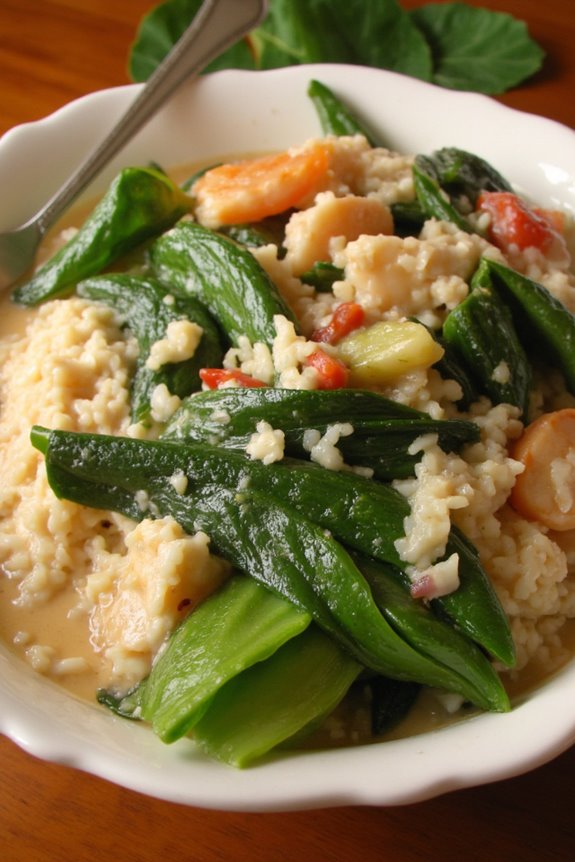
Laing is a beloved Filipino dish originating from the Bicol region, known for its rich flavors and creamy texture. This dish features dried taro leaves cooked in coconut milk, often enhanced with chili and various seasonings, making it a comforting and satisfying meal.
Laing isn’t only delicious but also showcases how coconut milk is a staple ingredient in Filipino cuisine, adding depth and creaminess to dishes. It’s typically served with rice and can be enjoyed as a main course or as a side dish.
The preparation of laing may take some time, especially when rehydrating the dried taro leaves, but the resulting dish is well worth the effort. The combination of coconut milk, spices, and the unique flavor of taro creates a delightful experience that will tantalize your taste buds.
Whether you’re familiar with Filipino cuisine or trying it for the first time, laing is sure to impress with its vibrant flavors and satisfying texture.
Ingredients (Serves 4-6):
- 200g dried taro leaves
- 2 cups coconut milk
- 1 cup water
- 1 medium onion, chopped
- 4 cloves garlic, minced
- 1-2 Thai chili peppers, chopped (adjust to taste)
- 2 tablespoons shrimp paste (bagoong)
- 1 teaspoon ground black pepper
- 2 tablespoons vegetable oil
- Salt to taste
Cooking Instructions:
- Prepare the Taro Leaves: Begin by rinsing the dried taro leaves under running water to remove any dirt or impurities. Soak them in warm water for about 30 minutes to rehydrate. After soaking, drain and set aside.
- Sauté Aromatics: In a large pot or deep skillet, heat the vegetable oil over medium heat. Add the chopped onion and sauté until translucent, about 3-4 minutes. Then, add the minced garlic and chopped chili peppers. Continue to sauté for another 1-2 minutes until fragrant.
- Add Shrimp Paste: Stir in the shrimp paste and cook for about 2 minutes, allowing the flavors to meld together. The shrimp paste adds a savory umami flavor to the dish that’s essential for authentic laing.
- Incorporate Coconut Milk and Water: Pour in the coconut milk and water, stirring to combine. Bring the mixture to a gentle simmer.
- Cook the Taro Leaves: Add the rehydrated taro leaves to the pot. Gently stir to guarantee the leaves are submerged in the coconut milk. Add ground black pepper and salt to taste. Allow the mixture to simmer uncovered for about 20-30 minutes, stirring occasionally, until the taro leaves are tender and the sauce has thickened.
- Final Adjustments: Taste the dish and adjust the seasoning if necessary. If you prefer a spicier version, you can add more chili peppers at this stage.
- Serve: Once cooked, remove the pot from heat. Serve the laing hot with steamed rice for a complete meal.
Extra Tips:
When cooking laing, it’s important to use dried taro leaves specifically meant for cooking, as fresh taro leaves can contain harmful compounds if not prepared properly.
If you can’t find dried taro leaves, you can substitute them with fresh ones, but make sure to cook them thoroughly to eliminate any potential toxins. Additionally, feel free to customize the spice level by adjusting the number of chili peppers to suit your taste.
Laing can also be made ahead of time and reheated, as the flavors tend to deepen and improve overnight. Enjoy your culinary adventure with this delightful Filipino dish!
Ginataang Manok (Chicken in Coconut Milk)
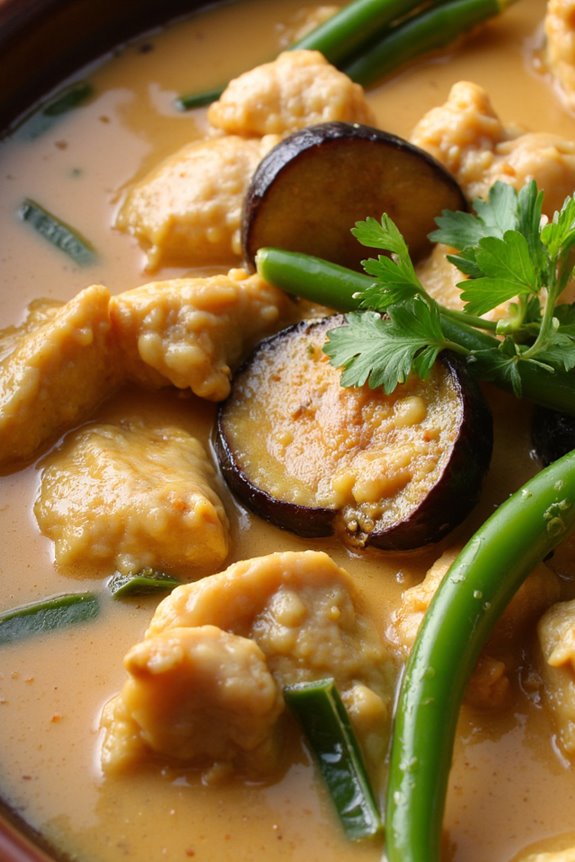
Ginataang Manok, or Chicken in Coconut Milk, is a beloved Filipino dish that showcases the rich and creamy flavor of coconut milk combined with tender chicken and an array of aromatic spices. This dish isn’t only comforting but also brings a taste of home to many Filipinos, making it a staple in family gatherings and celebrations.
The combination of coconut milk, ginger, and vegetables creates a harmonious blend that’s both savory and slightly sweet, resulting in a delicious meal that pairs perfectly with steamed rice.
Cooking Ginataang Manok is a straightforward process that allows the natural flavors of the ingredients to shine through. The chicken is simmered to perfection in creamy coconut milk, allowing it to absorb the flavors of garlic, onions, and spices. The addition of vegetables like eggplant and green beans enhances the dish, making it nutritious and satisfying.
Whether you’re cooking for a special occasion or just a cozy weeknight dinner, this dish is sure to impress.
Ingredients (Serves 4-6)
- 2 lbs chicken, cut into pieces
- 1 can (13.5 oz) coconut milk
- 2 cups water
- 1 medium onion, chopped
- 4 cloves garlic, minced
- 1 thumb-sized piece of ginger, sliced
- 2 tablespoons fish sauce
- 1-2 green chili peppers (optional)
- 1 medium eggplant, sliced
- 1 cup green beans, trimmed
- Salt and pepper to taste
- 2 tablespoons cooking oil
- Fresh cilantro or green onions for garnish (optional)
Cooking Instructions
- Prepare the Ingredients: Start by cutting the chicken into pieces if not already done. Chop the onion, mince the garlic, and slice the ginger. Slice the eggplant and trim the green beans. Set all the ingredients aside for an organized cooking process.
- Sauté Aromatics: In a large pot or deep skillet, heat the cooking oil over medium heat. Add the chopped onion and sauté until it becomes translucent, about 3-4 minutes. Then, add the minced garlic and sliced ginger, cooking for an additional 1-2 minutes until fragrant. This step builds the flavor base for the dish.
- Brown the Chicken: Add the chicken pieces to the pot, stirring to coat them with the sautéed aromatics. Cook the chicken for about 5-7 minutes, allowing it to brown slightly on all sides. This enhances the overall flavor of the dish.
- Add Liquid Ingredients: Pour in the coconut milk and water, stirring to combine. Add the fish sauce and green chili peppers if using. Bring the mixture to a gentle boil, then reduce the heat to low. Allow it to simmer for about 25-30 minutes, or until the chicken is cooked through and tender.
- Incorporate Vegetables: Once the chicken is tender, add the sliced eggplant and green beans to the pot. Continue to simmer for an additional 10-12 minutes, or until the vegetables are cooked but still crisp. Adjust the seasoning with salt and pepper to taste.
- Serve: Remove the pot from heat. Transfer the Ginataang Manok to a serving dish and garnish with fresh cilantro or green onions if desired. Serve hot with steamed rice for a complete meal.
Extra Tips
When cooking Ginataang Manok, it’s essential to use fresh coconut milk for the best flavor, but canned coconut milk works well too. You can also customize the dish by adding your favorite vegetables or adjusting the level of spiciness according to your taste.
Allowing the dish to simmer longer can deepen the flavors, but be careful not to overcook the vegetables. Enjoy this dish as a comforting meal that brings a taste of the Philippines to your table!
Sinigang Na Baboy Sa Gata (Pork Sinigang With Coconut Milk)
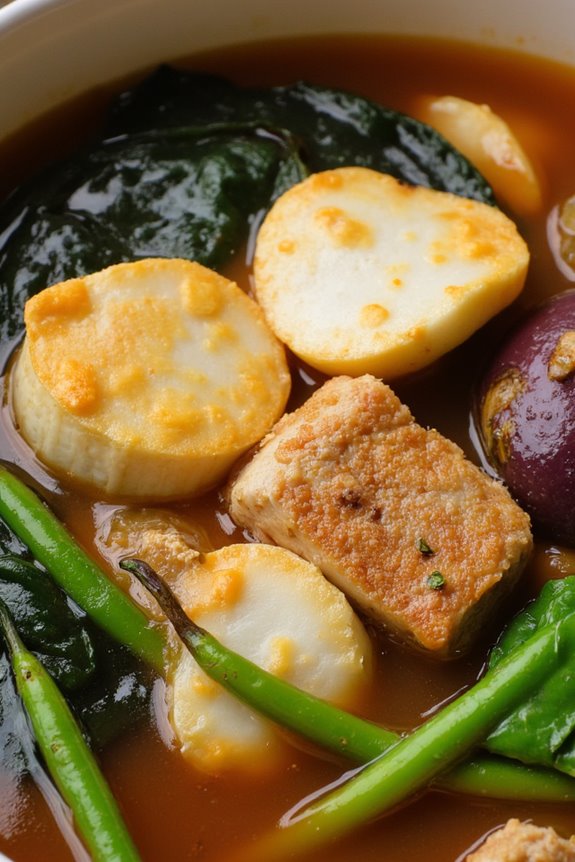
Sinigang Na Baboy Sa Gata is a delightful twist on the traditional Filipino sour soup known for its savory and tangy flavors. This version incorporates creamy coconut milk, adding richness and a unique texture to the dish. With tender pork, fresh vegetables, and the unmistakable tanginess of tamarind, this comforting meal is perfect for gatherings or family dinners, satisfying both the palate and the heart.
The combination of the bold flavors from the tamarind and the smoothness of the coconut milk creates a harmonious balance that elevates the classic sinigang. This dish isn’t only a feast for the taste buds but also a wonderful representation of Filipino culinary traditions. Serve it with steamed rice for a complete meal that will surely impress your family and friends.
Ingredients (Serves 4-6):
- 1 lb pork belly or pork shoulder, cut into chunks
- 1 cup coconut milk
- 6 cups water
- 1 medium onion, quartered
- 2 medium tomatoes, quartered
- 2-3 pieces green chili peppers (siling pangsigang)
- 1 cup radish (labanos), sliced
- 1 cup eggplant, sliced
- 1 cup long green beans (sitaw), cut into 2-inch lengths
- 1 cup water spinach (kangkong)
- 1/2 cup tamarind paste or 1 cup fresh tamarind (if available)
- Salt and pepper to taste
Cooking Instructions:
- Prepare the Pork: In a large pot, add the pork chunks and pour in the water. Bring to a boil over medium-high heat, skimming off any scum that rises to the surface. This helps guarantee a clear broth. Once boiling, reduce to a simmer.
- Add Aromatics: Add the quartered onions and tomatoes to the pot. Let them simmer with the pork for about 10-15 minutes. This allows the flavors of the onions and tomatoes to infuse into the broth.
- Incorporate Tamarind: If using fresh tamarind, soak it in warm water to soften, then mash it and strain to extract the juice. If using tamarind paste, simply add it to the pot. Stir well to combine and let it simmer for another 10 minutes. This step is vital for achieving the signature sour flavor of sinigang.
- Add Vegetables: Next, add the radish, eggplant, and long green beans to the pot. Cook for about 5-7 minutes until the vegetables are tender but still vibrant. It’s important not to overcook them to maintain their texture.
- Finish with Coconut Milk: Pour in the coconut milk and add the green chili peppers. Allow the soup to simmer for an additional 5 minutes, which will meld the flavors together and create a creamy consistency.
- Incorporate Water Spinach: Finally, stir in the water spinach and cook for another 1-2 minutes until just wilted. Season with salt and pepper to taste. Turn off the heat and let the dish rest for a moment before serving.
Extra Tips:
For a more intense flavor, you can marinate the pork with a bit of salt, pepper, and a splash of vinegar for about 30 minutes before cooking.
Additionally, feel free to adjust the level of tamarind according to your taste preference; some may prefer a more pronounced sourness, while others may like it milder.
If you want to enhance the coconut flavor further, you can add a bit of grated coconut or a splash of fish sauce for added depth. Enjoy your Sinigang Na Baboy Sa Gata with plenty of steamed rice!
Kare-Kare (Peanut Stew With Coconut Milk)
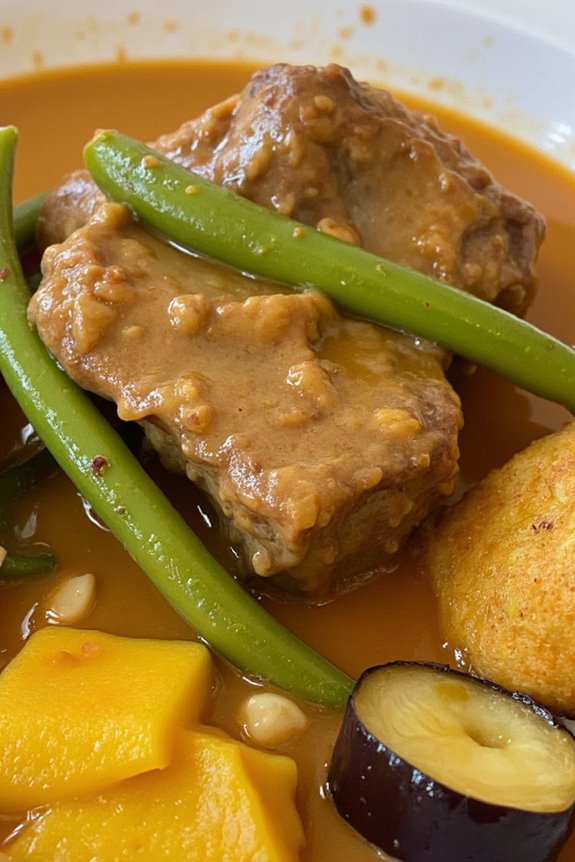
Kare-Kare is a beloved Filipino dish known for its rich and savory flavor, combining the creaminess of coconut milk with the nuttiness of ground peanuts. This hearty stew often features oxtail, tripe, or a mix of meats, alongside an array of vegetables, making it a complete meal perfect for family gatherings or special occasions.
Traditionally served with a side of bagoong (fermented shrimp paste), Kare-Kare offers a delightful balance of flavors that tantalizes the taste buds.
Cooking Kare-Kare can be a labor of love, but the end result is well worth the effort. The dish isn’t only a satisfying comfort food, but it also showcases the versatility of coconut milk in Filipino cuisine.
With its distinct flavor profile, this peanut stew is sure to impress your family and friends, bringing a taste of the Philippines right to your dining table.
Ingredients (serving size: 4-6 people):
- 2 lbs oxtail (or a mix of oxtail and tripe)
- 1/2 cup ground peanuts
- 1 can (13.5 oz) coconut milk
- 1/4 cup peanut butter
- 1 large onion, chopped
- 4 cloves garlic, minced
- 2 cups water
- 1 eggplant, sliced
- 1 bunch of banana heart (puso ng saging), cut into strips (optional)
- 1 cup sitaw (string beans), cut into 2-inch lengths
- 1/2 cup bagoong (fermented shrimp paste) for serving
- 2 tablespoons vegetable oil
- Salt and pepper to taste
Cooking Instructions:
1. Prepare the Meat: In a large pot, add the oxtail (and tripe, if using) and cover with water. Bring to a boil and simmer for about 1.5 to 2 hours, or until the meat is tender. Skim off any impurities that rise to the surface.
Once cooked, remove the meat and set aside, reserving the broth for later use.
2. Sauté Aromatics: In a separate large pot, heat the vegetable oil over medium heat. Add the chopped onions and minced garlic, sautéing until the onions are translucent and fragrant, about 3-4 minutes.
3. Combine Ingredients: Add the reserved broth to the pot with the sautéed onions and garlic. Stir in the ground peanuts and peanut butter, mixing well to combine. Bring the mixture to a gentle simmer.
4. Add Coconut Milk: Pour in the coconut milk and stir until fully incorporated. Allow the mixture to simmer for about 10 minutes, letting the flavors meld together.
5. Incorporate Vegetables: Add the cooked oxtail (and tripe) back to the pot along with the sliced eggplant, banana heart, and sitaw. Simmer for an additional 10-15 minutes until the vegetables are tender, and the stew has thickened. Season with salt and pepper to taste.
6. Serve: Once everything is cooked through, remove from heat. Ladle the Kare-Kare into bowls and serve hot with a side of bagoong for an authentic experience.
Extra Tips: When preparing Kare-Kare, feel free to customize the vegetables according to your preference; you can add or substitute with bok choy, cabbage, or even mushrooms.
For a richer flavor, consider using a combination of ground peanuts and crushed peanuts for added texture. If you’re short on time, you can use a pressure cooker to tenderize the meat faster.
Ginataang Langka (Jackfruit in Coconut Milk)
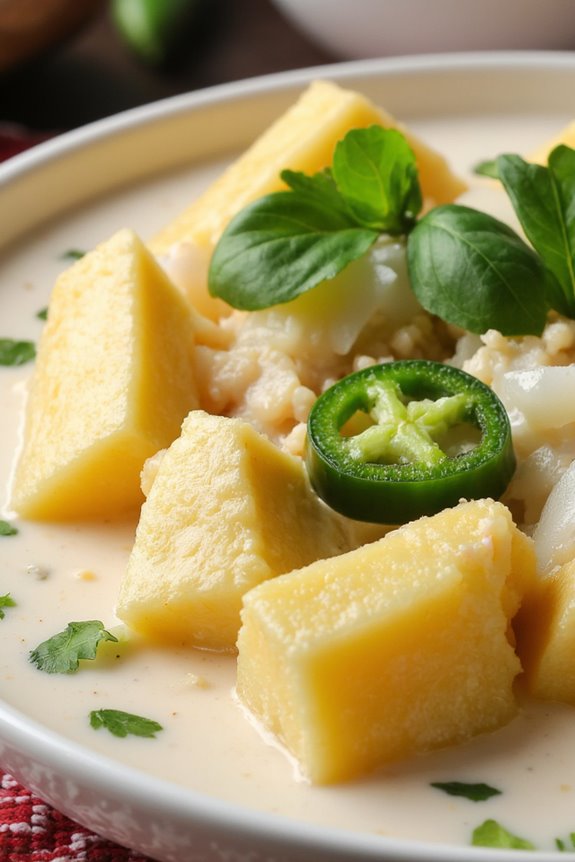
Ginataang Langka is a beloved Filipino dish that showcases the rich and creamy texture of coconut milk combined with the tender, sweet taste of jackfruit. This dish isn’t only a delicious treat but also a comforting staple in many Filipino households. The combination of flavors and textures makes it a perfect side dish or light meal, especially when served with steamed rice. With its vibrant color and delightful aroma, Ginataang Langka is sure to please both family and friends.
To create this dish, you’ll need young green jackfruit, which is often available in cans or fresh at Asian markets. The jackfruit is combined with coconut milk, spices, and sometimes shrimp or meat for added depth of flavor. However, this recipe will focus on a vegetarian version, making it suitable for those who prefer plant-based options. The simplicity of the ingredients allows the natural sweetness of the jackfruit to shine through, making it a delightful addition to any meal.
Ingredients (Serves 4-6):
- 2 cups young green jackfruit (fresh or canned)
- 2 cups coconut milk
- 1 medium onion, finely chopped
- 4 cloves garlic, minced
- 1 thumb-sized piece of ginger, sliced
- 1-2 green chili peppers, sliced (adjust to taste)
- 2 tablespoons fish sauce (or soy sauce for a vegetarian option)
- 1 tablespoon cooking oil
- Salt and pepper to taste
- Fresh cilantro or basil leaves for garnish (optional)
Cooking Instructions:
- Prepare the Jackfruit: If using fresh young jackfruit, peel and chop it into smaller pieces. If using canned jackfruit, drain and rinse it well. Set it aside while you prepare the other ingredients.
- Sauté Aromatics: In a large pot, heat the cooking oil over medium heat. Add the chopped onions and sauté until they become translucent. Then, add the minced garlic and sliced ginger, cooking for an additional 1-2 minutes until fragrant.
- Add the Jackfruit: Incorporate the prepared jackfruit into the pot, stirring well to combine with the sautéed aromatics. Allow it to cook for about 3-5 minutes, stirring occasionally.
- Pour in Coconut Milk: Slowly add the coconut milk to the pot, stirring to mix everything together. Bring the mixture to a gentle boil, then reduce the heat to low, allowing it to simmer.
- Season the Dish: Add the fish sauce (or soy sauce if making it vegetarian), sliced green chili peppers, salt, and pepper to taste. Allow the mixture to simmer for about 15-20 minutes, or until the jackfruit is tender and the flavors meld together.
- Final Adjustments: Taste the dish and adjust the seasoning if necessary. If you prefer a thicker coconut milk consistency, let it simmer a little longer.
- Serve: Once the jackfruit is tender and the dish is well-seasoned, remove it from heat. Serve warm over steamed rice and garnish with fresh cilantro or basil leaves if desired.
Extra Tips:
When cooking Ginataang Langka, selecting the right jackfruit is key to achieving the best flavor and texture. If using canned jackfruit, opt for those labeled as “young” or “green” to guarantee you’re getting the right type for this dish.
Additionally, feel free to experiment by adding other vegetables like spinach or eggplant for more variety. The sweetness of the coconut milk pairs beautifully with the jackfruit, so adjusting the seasonings to your personal taste is encouraged. Enjoy your cooking adventure!
Bicol Express (Spicy Pork in Coconut Milk)
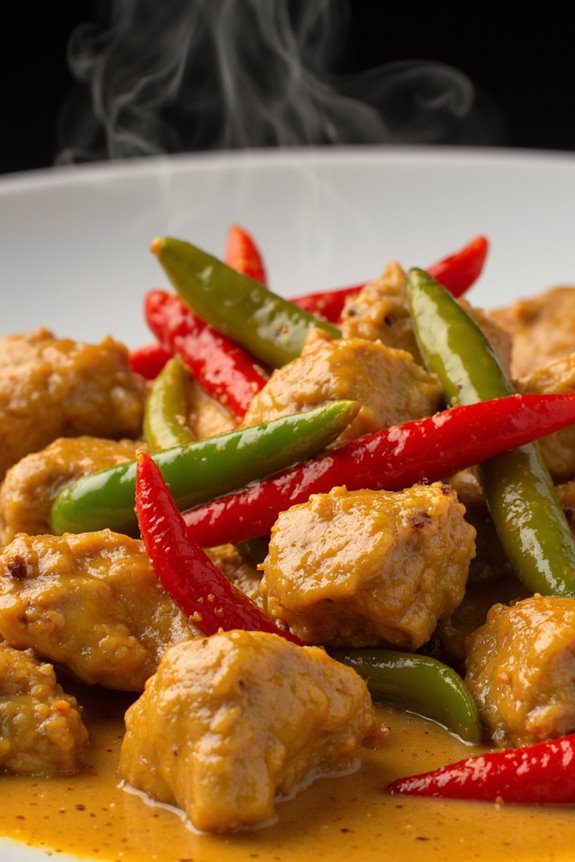
Bicol Express is a beloved Filipino dish originating from the Bicol region, known for its unique combination of flavors that blend spicy, savory, and creamy elements. The dish features tender pork cooked in rich coconut milk, infused with the heat of chili peppers, and often enhanced with shrimp paste.
It’s a hearty meal that reflects the culinary tradition of using coconut milk as a base for many dishes, showcasing the tropical bounty of the Philippines.
This spicy pork dish is perfect for gatherings or family dinners, as it serves 4-6 people and pairs wonderfully with steamed rice. The creamy coconut milk balances the spiciness of the chili, making Bicol Express a satisfying and flavorful experience.
Whether you’re a fan of spicy food or looking to try something new, this dish will surely become a favorite in your kitchen.
Ingredients:
- 1 ½ pounds pork belly, cut into bite-sized pieces
- 2 cups coconut milk
- 1 cup water
- 2 tablespoons shrimp paste (bagoong)
- 4-6 pieces long green chili peppers (siling haba)
- 1 medium onion, chopped
- 4 cloves garlic, minced
- 1 thumb-sized ginger, sliced
- 2 tablespoons vegetable oil
- Salt and pepper to taste
Cooking Instructions:
- Prepare the Ingredients: Start by gathering all your ingredients and cutting the pork belly into bite-sized pieces. Chop the onion, mince the garlic, and slice the ginger. This preparation will make the cooking process smoother and quicker.
- Sauté Aromatics: In a large skillet or pot, heat the vegetable oil over medium heat. Add the chopped onion and sauté until it becomes translucent, about 3-4 minutes. Then add the minced garlic and sliced ginger, stirring for another 1-2 minutes until fragrant. This step builds a flavorful base for your dish.
- Brown the Pork: Increase the heat to medium-high and add the pork belly pieces to the pot. Cook until the pork is browned on all sides, approximately 5-7 minutes. Browning the meat adds depth of flavor to the dish.
- Incorporate Coconut Milk and Water: Once the pork is browned, pour in the coconut milk and water. Stir well to combine all the ingredients. Bring the mixture to a gentle boil, then reduce the heat to low and let it simmer for 20-25 minutes. This allows the pork to become tender and soak in the flavors of the coconut milk.
- Add Shrimp Paste and Chili Peppers: After simmering, add the shrimp paste and the long green chili peppers to the pot. Stir to incorporate these ingredients, then continue to simmer for an additional 10-15 minutes. The shrimp paste enhances the umami flavor and the chili peppers add the signature spice to the dish.
- Season and Serve: Taste the Bicol Express and season with salt and pepper as needed. Once the pork is tender and the sauce has thickened to your liking, remove the pot from heat. Serve hot over steamed rice for a delicious meal.
Extra Tips: When cooking Bicol Express, you can adjust the level of spiciness by adding more or fewer chili peppers based on your preference. If you want a creamier texture, you can add more coconut milk during cooking.
Additionally, using fresh ingredients will greatly enhance the flavor, and feel free to substitute pork with other meats like chicken or beef for a different twist. Enjoy your cooking experience!
Ginataang Sago at Langka (Sago and Jackfruit in Coconut Milk)
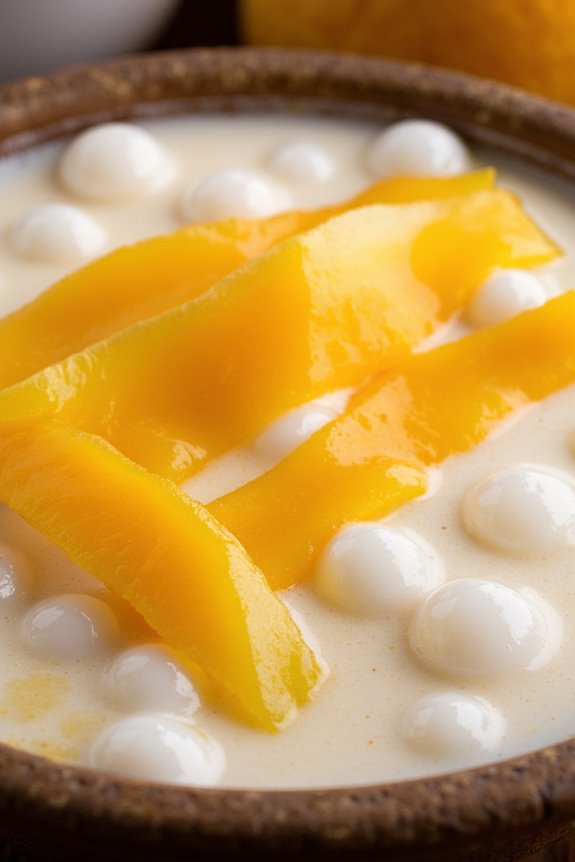
Ginataang Sago at Langka is a beloved Filipino dessert that showcases the delightful combination of sago pearls, ripe jackfruit, and rich coconut milk. This dish isn’t only a treat for the taste buds but also a visual feast, with its vibrant colors and creamy texture. The sago pearls add a chewy element, while the sweet jackfruit complements the creamy coconut milk, creating a harmonious blend of flavors that’s sure to satisfy any sweet tooth.
Traditionally served warm or at room temperature, Ginataang Sago at Langka is perfect for festive occasions or as a comforting snack at home. This dessert is easy to prepare and requires simple ingredients, making it accessible for both novice and seasoned cooks. The following recipe serves 4-6 people, ensuring there’s enough for everyone to enjoy this delightful Filipino treat.
Ingredients:
- 1 cup sago pearls
- 2 cups water
- 1 ½ cups ripe jackfruit, sliced into thin strips
- 2 cups coconut milk
- ½ cup sugar (adjust to taste)
- ½ teaspoon salt
- 1 teaspoon vanilla extract (optional)
Cooking Instructions:
- Prepare the Sago Pearls: Begin by rinsing the sago pearls under cold water to remove any excess starch. Then, bring 2 cups of water to a boil in a medium pot. Once boiling, add the rinsed sago pearls and cook for about 10-15 minutes, stirring occasionally until they become translucent and chewy. Once cooked, drain the sago and set aside.
- Cook the Coconut Milk: In a separate pot, pour in 2 cups of coconut milk and bring it to a gentle simmer over medium heat. Stir the coconut milk occasionally to prevent it from scorching at the bottom of the pot.
- Add the Sweetness: Once the coconut milk starts to simmer, add in the sugar and salt. Stir well until the sugar is completely dissolved. You can also add the vanilla extract at this stage if you want to enhance the flavor.
- Incorporate the Jackfruit: Next, gently fold in the sliced jackfruit into the simmering coconut milk. Allow it to cook for about 5 minutes, letting the jackfruit soften and infuse its sweetness into the coconut milk.
- Mix in the Sago Pearls: Ultimately, add the cooked sago pearls to the pot and stir gently to combine. Let everything simmer together for an additional 2-3 minutes to allow the flavors to meld, and make sure the sago is heated through.
- Serve: Once everything is well combined and heated, remove the pot from the heat. You can serve Ginataang Sago at Langka warm or at room temperature. Ladle it into bowls, and enjoy!
Extra Tips:
When preparing Ginataang Sago at Langka, it’s essential to keep an eye on the sago pearls as they cook, as overcooking can lead to them becoming too mushy.
Additionally, feel free to adjust the sweetness by adding more or less sugar according to your taste. If you want to make the dish richer, you can use a combination of coconut cream and coconut milk.
Finally, consider garnishing with a sprinkle of toasted coconut flakes for added texture and flavor!
Coconut Milk Pudding (Kakang Gata)
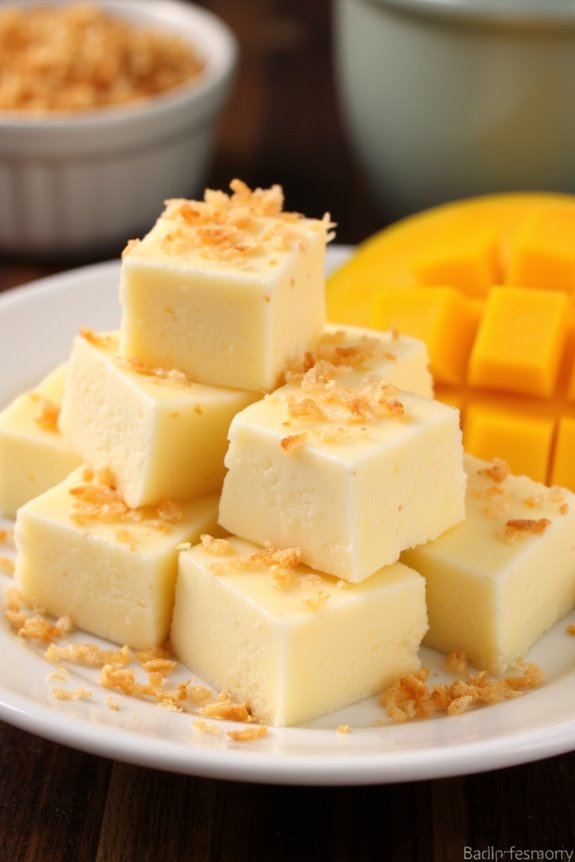
Coconut Milk Pudding, or Kakang Gata, is a beloved Filipino dessert that showcases the rich and creamy texture of coconut milk. This delightful treat isn’t only easy to prepare but also offers a unique blend of flavors that’s both comforting and satisfying.
The pudding is typically enjoyed chilled and can be served on its own or accompanied by a variety of toppings, such as fresh fruits or a sprinkle of toasted coconut.
The star ingredient of this dish is the coconut milk, which gives the pudding its rich flavor and velvety consistency. Kakang Gata is often made during special occasions and family gatherings, making it a popular choice for celebrations.
With its simple ingredients and straightforward preparation, this dessert is perfect for anyone looking to experience the deliciousness of Filipino cuisine.
Ingredients (Serves 4-6):
- 2 cups coconut milk
- 1 cup rice flour
- 1/2 cup sugar
- 1/4 teaspoon salt
- 1/2 teaspoon vanilla extract
- 1/2 cup water
- Optional toppings: toasted coconut, fresh mango slices, or a drizzle of sweetened condensed milk
Cooking Instructions:
- Prepare the Mixture: In a mixing bowl, combine the rice flour, sugar, and salt. Stir until evenly mixed. Gradually add the coconut milk while whisking continuously to prevent lumps from forming. Make certain the mixture is smooth and homogenous.
- Add Water and Flavor: Pour in the half cup of water and add the vanilla extract. Mix everything together until well combined. The consistency should be thick but pourable, similar to pancake batter.
- Cook the Pudding: Transfer the mixture to a non-stick saucepan over low to medium heat. Continuously stir the mixture with a spatula for about 10-15 minutes, or until it thickens and begins to pull away from the sides of the pan. Be careful not to let it scorch at the bottom.
- Set the Pudding: Once thickened, pour the pudding mixture into a greased mold or dish. Smooth the top with a spatula. Allow it to cool at room temperature for about 30 minutes, then refrigerate for at least 2 hours or until fully set.
- Serve: Once the pudding has chilled and set, cut it into squares or rectangles. Serve it on a plate with your choice of toppings, such as toasted coconut, fresh mango slices, or a drizzle of sweetened condensed milk.
Extra Tips:
When making Kakang Gata, make sure that you use high-quality coconut milk for the best flavor.
If you prefer a sweeter pudding, feel free to adjust the sugar to your liking. Additionally, letting the pudding chill overnight can enhance the flavors and improve the texture.
For a more festive touch, consider adding a layer of colorful fruits on top before serving. Enjoy your delightful Coconut Milk Pudding!
Halayang Ube (Purple Yam Jam With Coconut Milk)
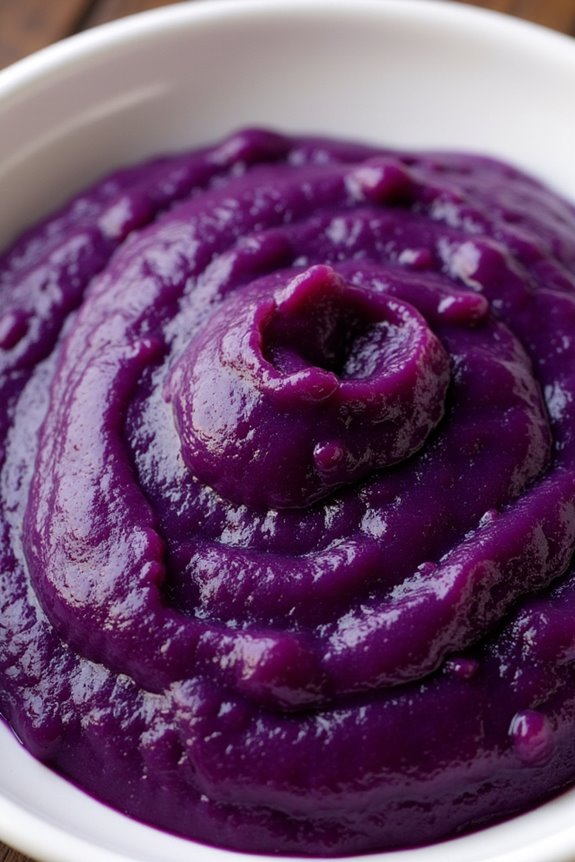
Halayang Ube is a delightful Filipino dessert that celebrates the unique flavor and vibrant color of purple yam, or ube. This sweet jam is made rich and creamy with the addition of coconut milk, making it a beloved treat for many. Traditionally served during special occasions, it can be enjoyed on its own, spread on bread, or used as a topping for various desserts, such as cakes and ice cream. The beautiful purple hue of the jam not only makes it visually appealing but also adds a hint of nostalgia for those familiar with Filipino cuisine.
Making Halayang Ube is relatively simple but requires some attention to detail for the best results. The recipe involves cooking the ube until tender, mashing it, and then mixing it with coconut milk, sugar, and a pinch of salt. The mixture is then cooked down until it thickens to a jam-like consistency. This dessert isn’t only a treat for the taste buds but also a feast for the eyes, making it a must-try for anyone looking to explore Filipino culinary delights.
Ingredients (serves 4-6):
- 2 cups purple yam (ube), peeled and cubed
- 1 cup coconut milk
- 1 cup condensed milk
- 1/2 cup sugar (adjust to taste)
- 1/4 teaspoon salt
- 1 teaspoon vanilla extract (optional)
- 2 tablespoons butter or margarine
Cooking Instructions:
- Prepare the Purple Yam: Start by peeling and cutting the purple yam into small cubes. This will help it cook faster and guarantee a smooth texture when mashed. Place the cubes in a pot and cover them with water. Bring to a boil and simmer until the yam is tender, about 30-40 minutes. You can check for doneness by piercing a cube with a fork; it should easily break apart.
- Mash the Cooked Yam: Once the purple yam is cooked, drain the water and allow the yam to cool slightly. Using a potato masher or fork, mash the yam until it reaches a smooth consistency. You can also use a food processor for an even finer texture. Set the mashed yam aside.
- Combine Ingredients: In a large saucepan over medium heat, combine the mashed purple yam, coconut milk, condensed milk, sugar, salt, and butter. Stir the mixture until well incorporated. The combination of these ingredients will create a creamy and flavorful base for your jam.
- Cook the Mixture: Continue to cook the mixture over medium heat, stirring frequently to prevent sticking. As the mixture heats up, it will start to thicken. This process will take about 15-20 minutes. Keep stirring until it reaches a jam-like consistency and holds its shape when spooned onto a plate.
- Cool and Store: Once the Halayang Ube has thickened to your desired consistency, remove it from the heat. If you wish, add vanilla extract for extra flavor at this stage. Transfer the jam into a container and let it cool at room temperature. Once cooled, you can refrigerate it for later use or serve it immediately.
Extra Tips:
When cooking Halayang Ube, it’s crucial to monitor the heat and stir the mixture regularly to avoid burning. If you prefer a sweeter jam, feel free to adjust the sugar according to your taste.
Additionally, using fresh ube will yield the best flavor, but if it’s unavailable, you can use frozen ube as a substitute. Just make certain to thaw and drain any excess moisture before mashing.
Finally, Halayang Ube can be stored in an airtight container in the refrigerator for up to a week, making it a great make-ahead dessert!
