

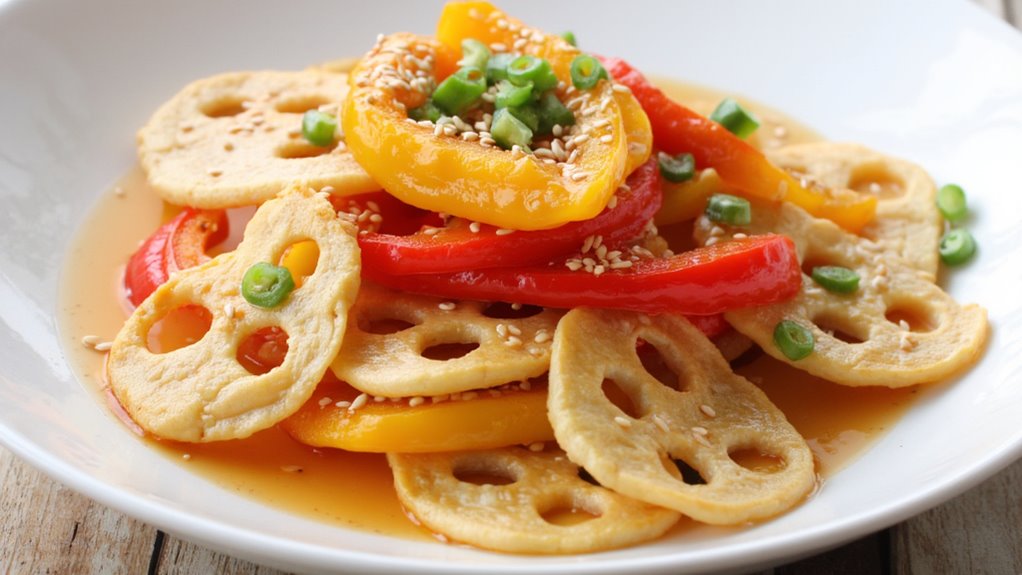
Exploring the world of vegetarian Chinese cuisine is like opening a treasure chest full of vibrant colors and flavors. Each dish, from stir-fried rainbow vegetables to hearty Mapo tofu, showcases the natural beauty of fresh produce. These meals are not only visually stunning but also packed with nutrition. If you’re eager to bring these delightful dishes to your table, let’s explore some tempting options together. Get ready for a burst of color and taste that will brighten up any meal.
Stir-Fried Rainbow Vegetables With Garlic Sauce
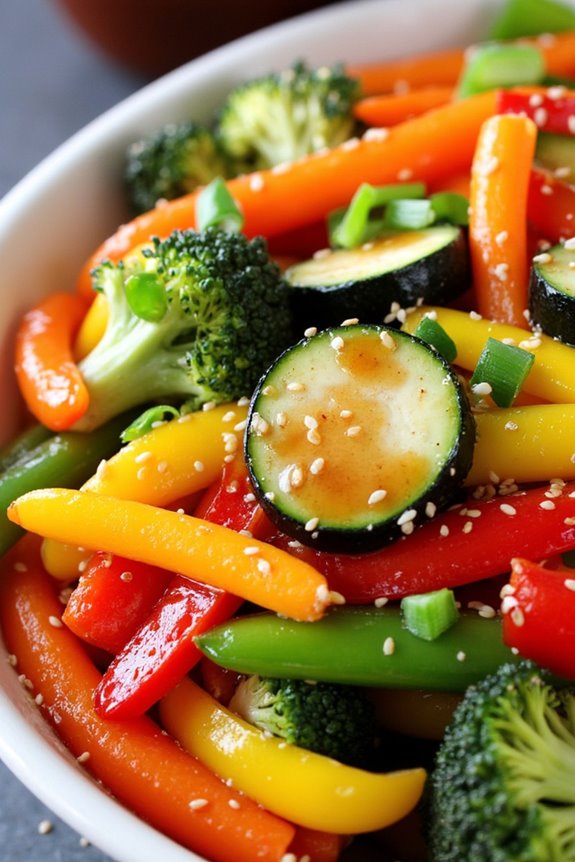
Stir-Fried Rainbow Vegetables with Garlic Sauce is a vibrant and healthful dish that brings together a colorful array of fresh vegetables tossed in a flavorful garlic sauce. This dish not only looks appealing but also packs a punch of flavor with its combination of crisp textures and savory notes. Perfect for a weeknight dinner or as a side dish for any meal, it’s sure to please both vegetarians and non-vegetarians alike.
The beauty of this recipe lies in its versatility. You can use whatever seasonal vegetables you have on hand, making it easy to customize based on your preferences. The garlic sauce is simple yet delicious, enhancing the natural flavors of the vegetables while adding a delightful aromatic essence. Whether served over rice or enjoyed on its own, this dish is bound to become a staple in your vegetarian cooking repertoire.
Ingredients (Serves 4-6)
- 2 cups broccoli florets
- 1 cup bell peppers (red, yellow, and green), sliced
- 1 cup snap peas
- 1 cup carrots, julienned
- 1 cup zucchini, sliced
- 4 cloves garlic, minced
- 3 tablespoons soy sauce
- 2 tablespoons vegetable oil
- 1 tablespoon sesame oil
- 1 teaspoon cornstarch
- 2 tablespoons water
- Salt and pepper to taste
- Sesame seeds for garnish (optional)
- Chopped green onions for garnish (optional)
Cooking Instructions
- Prepare the Vegetables: Begin by washing and chopping all the vegetables. Make sure to cut them into uniform sizes for even cooking. This will guarantee a consistent texture and better presentation in your stir-fry.
- Make the Garlic Sauce: In a small bowl, mix together the soy sauce, vegetable oil, sesame oil, cornstarch, and water. Whisk the ingredients until the cornstarch is fully dissolved. This sauce will thicken slightly during cooking, creating a delicious coating for the vegetables.
- Heat the Wok or Pan: Place a large wok or a deep frying pan over medium-high heat. Allow it to heat up for about 2 minutes. A hot cooking surface is essential for achieving that signature stir-fry flavor.
- Stir-Fry the Garlic: Add the minced garlic to the hot pan and sauté for about 30 seconds until fragrant. Be careful not to burn the garlic, as it can turn bitter if overcooked.
- Add the Vegetables: Begin adding the prepared vegetables to the pan, starting with the broccoli and carrots as they take longer to cook. Stir-fry for about 3-4 minutes, continuously tossing the vegetables to ensure they cook evenly.
- Incorporate Remaining Vegetables: After the initial 4 minutes, add the bell peppers, snap peas, and zucchini to the pan. Continue to stir-fry for an additional 3-4 minutes until all the vegetables are tender yet still crisp.
- Pour in the Garlic Sauce: Once the vegetables are cooked to your liking, pour the prepared garlic sauce over them. Stir well to coat all the vegetables evenly and cook for another 1-2 minutes until the sauce thickens slightly.
- Season and Serve: Taste the stir-fry and add salt and pepper as needed. Remove it from the heat, transfer to a serving dish, and garnish with sesame seeds and chopped green onions if desired. Serve hot with steamed rice or noodles.
Extra Tips
When preparing Stir-Fried Rainbow Vegetables with Garlic Sauce, feel free to experiment with different vegetables based on what you have in your fridge or what’s in season.
Vegetables like bok choy, asparagus, or mushrooms can also be great additions. For a bit of heat, consider adding sliced chili peppers or a dash of chili sauce to the garlic sauce.
Finally, make sure to work quickly while stir-frying to retain the vibrant colors and crispness of the vegetables!
Vegetarian Mapo Tofu
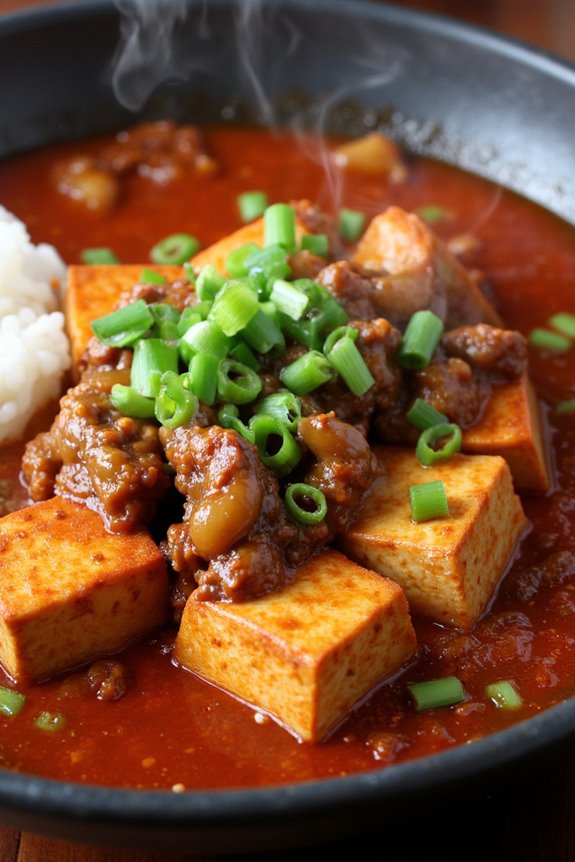
Vegetarian Mapo Tofu is a delightful take on the classic Sichuan dish that’s both flavorful and satisfying. This vegetarian version substitutes the traditional minced pork with hearty mushrooms, making it a perfect dish for those who enjoy a plant-based diet while still craving the bold, spicy flavors of authentic Chinese cuisine.
The combination of soft tofu, aromatic spices, and savory sauces creates a dish that’s rich in taste and texture, making it a star on any dinner table.
The beauty of Vegetarian Mapo Tofu lies in its simplicity and quick preparation time. It can be made in under 30 minutes, making it an ideal meal for busy weeknights or when you want to impress guests without spending hours in the kitchen.
Serve this dish over steamed rice or with noodles, and you have a complete meal that isn’t only delicious but also packed with nutrients.
Ingredients (Serves 4-6)
- 14 ounces firm tofu
- 1 cup shiitake mushrooms, finely chopped
- 2 tablespoons vegetable oil
- 1 tablespoon minced garlic
- 1 tablespoon minced ginger
- 2-3 tablespoons doubanjiang (spicy fermented bean paste)
- 1 tablespoon soy sauce
- 1 tablespoon rice wine (optional)
- 1 teaspoon sugar
- 1 cup vegetable broth
- 1 tablespoon cornstarch mixed with 2 tablespoons water
- 2 green onions, chopped (for garnish)
- 1 teaspoon Sichuan peppercorns (optional, for heat)
- Cooked rice or noodles (for serving)
Cooking Instructions
1. Prepare the Tofu: Begin by draining the firm tofu and pressing it gently between paper towels to remove excess moisture. Cut the tofu into 1-inch cubes and set aside. This step confirms the tofu absorbs more flavor during cooking.
2. Sauté Aromatics and Mushrooms: In a large skillet or wok, heat the vegetable oil over medium heat. Add the minced garlic and ginger, stirring for about 30 seconds until fragrant.
Then, add the finely chopped shiitake mushrooms and cook for 4-5 minutes, allowing them to soften and release their moisture.
3. Add the Spicy Bean Paste: Stir in the doubanjiang (spicy fermented bean paste) and cook for another minute, allowing the flavors to meld. This ingredient provides the signature heat and umami flavor of Mapo Tofu.
4. Incorporate Sauces and Broth: Add the soy sauce, rice wine (if using), and sugar to the skillet, stirring to combine. Pour in the vegetable broth and bring the mixture to a simmer.
This step helps to create a rich sauce that will coat the tofu.
5. Add Tofu and Thicken: Gently add the cubed tofu to the skillet, being careful not to break it apart. Let it simmer for about 5 minutes, allowing the tofu to absorb the flavors.
Then, stir in the cornstarch mixture to thicken the sauce, cooking for an additional 2 minutes until it reaches your desired consistency.
6. Final Touches: If using, sprinkle in the Sichuan peppercorns for an added kick. Remove the skillet from heat, and garnish with chopped green onions.
7. Serve: Dish out the Vegetarian Mapo Tofu over cooked rice or noodles, and enjoy while hot.
Extra Tips
For an even richer flavor, consider marinating the tofu in soy sauce for 15-20 minutes before cooking. This will enhance its taste and help it better soak up the sauce during cooking.
Additionally, feel free to adjust the level of spiciness according to your preference by modifying the amount of doubanjiang and Sichuan peppercorns used. Enjoy your cooking!
Chinese Vegetable Dumplings
Vegetarian Chinese Recipes
Chinese Vegetable Dumplings
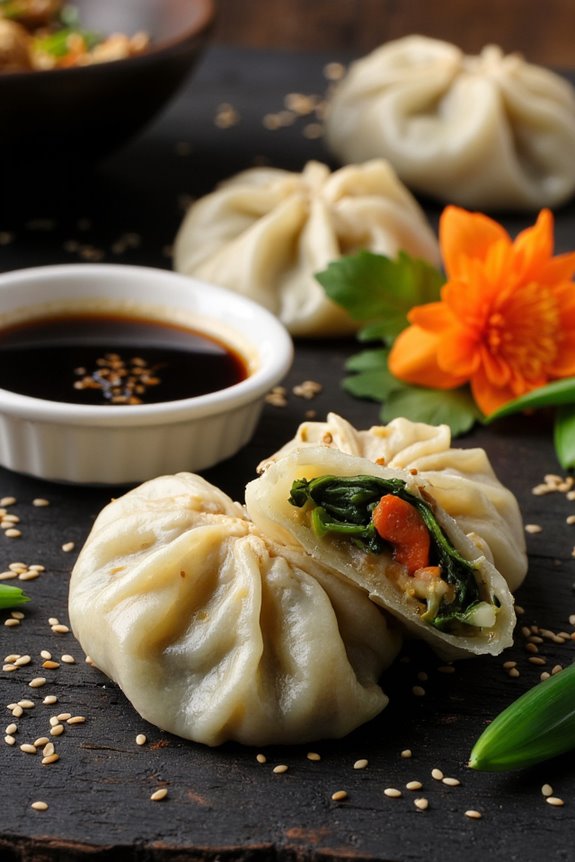
Chinese Vegetable Dumplings are a delightful and healthy option for those looking to enjoy the vibrant flavors of Chinese cuisine while adhering to a vegetarian diet. These dumplings aren’t only packed with fresh vegetables but also offer a satisfying texture and taste that can please anyone at the dinner table.
The dough is made from simple ingredients, and the filling can be customized according to your preferences. This dish can be served steamed, boiled, or pan-fried, making it versatile for any occasion.
Making Chinese Vegetable Dumplings can be a fun cooking project, especially when shared with family or friends. It’s a perfect dish for gatherings or meal prep, as they can be made in batches and frozen for later use.
Whether you’re dipping them in soy sauce or a spicy chili oil, these dumplings are sure to become a favorite in your home. Follow this recipe to create a batch of delectable dumplings that serve 4-6 people.
Ingredients
- 2 cups all-purpose flour
- 1/2 cup water
- 1 cup finely chopped cabbage
- 1 cup finely chopped mushrooms
- 1 cup shredded carrots
- 1 cup chopped spinach
- 2 green onions, finely chopped
- 2 cloves garlic, minced
- 1 tablespoon soy sauce
- 1 teaspoon sesame oil
- Salt and pepper to taste
Cooking Instructions
- Make the Dumpling Dough: In a large mixing bowl, combine the all-purpose flour with water. Stir until the dough begins to come together. Knead the dough on a floured surface for about 5-7 minutes until it becomes smooth and elastic. Cover the dough with a damp cloth and let it rest for at least 30 minutes.
- Prepare the Vegetable Filling: In a separate bowl, mix together the chopped cabbage, mushrooms, carrots, spinach, green onions, and minced garlic. Add the soy sauce, sesame oil, salt, and pepper to the mixture, and stir well to combine all ingredients evenly. Let the filling sit for a few minutes to allow the flavors to meld.
- Roll Out the Dough: After the dough has rested, divide it into small pieces (about the size of a golf ball). Roll each piece out on a floured surface into a thin circle, about 3 inches in diameter. Make sure the edges are thinner than the center to guarantee even cooking.
- Fill the Dumplings: Place about a tablespoon of the vegetable filling in the center of each dough circle. Fold the dough over to create a half-moon shape and pinch the edges tightly to seal. You can also pleat the edges for a decorative touch.
- Cook the Dumplings: You can choose to steam, boil, or pan-fry the dumplings. To steam, place them in a steamer basket lined with parchment paper and steam for about 10-12 minutes. To boil, gently drop them into boiling water and cook for about 5-6 minutes until they float. For pan-frying, heat some oil in a pan, add the dumplings, and cook until the bottoms are golden brown, then add a splash of water, cover, and steam for 5-7 minutes.
- Serve and Enjoy: Once cooked, remove the dumplings from the heat and serve them hot with soy sauce or your favorite dipping sauce. Enjoy these delicious morsels fresh and warm for the best experience.
Extra Tips
For the best texture, make sure not to overfill the dumplings, as this can cause them to burst while cooking. You can also experiment with different vegetables or add tofu for extra protein.
If you plan to freeze the dumplings, arrange them in a single layer on a baking sheet until frozen solid before transferring them to a freezer bag. This prevents them from sticking together, allowing you to cook them directly from frozen whenever you’re ready to enjoy them!
Sweet and Sour Tofu Stir-Fry
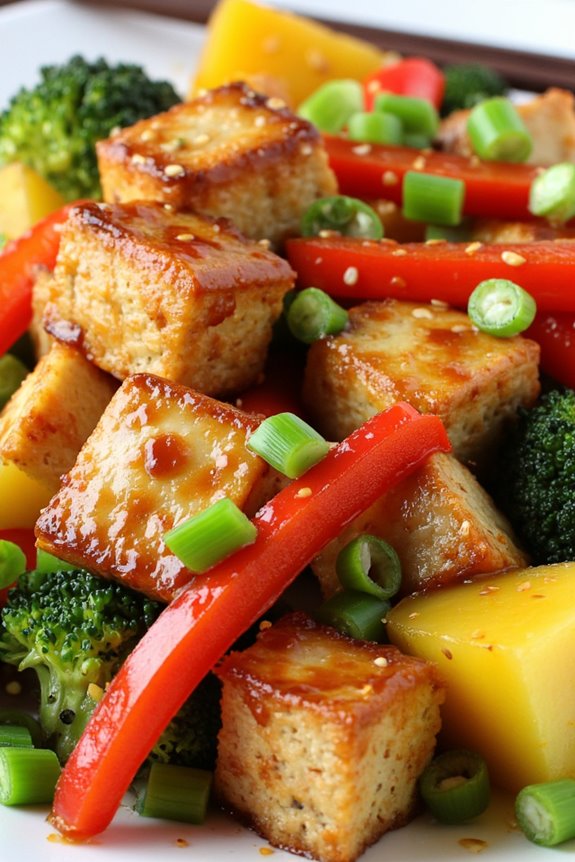
Sweet and Sour Tofu Stir-Fry is a delightful vegetarian dish that captures the essence of traditional Chinese flavors while offering a healthy alternative to meat-based options. This vibrant stir-fry features crispy tofu, colorful vegetables, and a tangy sauce that balances sweetness with a hint of acidity. Perfect for a quick weeknight meal or served at gatherings, this dish is bound to impress both vegetarians and non-vegetarians alike.
The key to achieving the perfect Sweet and Sour Tofu Stir-Fry lies in the preparation of the tofu and the sauce. Firm tofu is pressed to remove excess moisture, allowing it to absorb the flavors of the sauce while achieving a crispy exterior when sautéed. Paired with an array of fresh vegetables, including bell peppers, broccoli, and pineapple, this stir-fry not only provides a burst of flavor but also offers a colorful presentation that’s visually appealing.
Ingredients (Serves 4-6):
- 14 oz (400g) firm tofu, drained and pressed
- 2 tablespoons cornstarch
- 2 tablespoons vegetable oil
- 1 red bell pepper, sliced
- 1 yellow bell pepper, sliced
- 1 cup broccoli florets
- 1 cup pineapple chunks (fresh or canned)
- 2 cloves garlic, minced
- 1 tablespoon fresh ginger, minced
- 3 green onions, chopped
- 1/4 cup soy sauce
- 1/4 cup rice vinegar
- 1/4 cup brown sugar
- 1 tablespoon ketchup
- 1 tablespoon sesame oil
- Salt and pepper to taste
- Cooked rice or noodles, for serving
Cooking Instructions:
- Prepare the Tofu: After pressing the tofu to remove excess moisture, cut it into bite-sized cubes. This allows for maximum flavor absorption and guarantees that the tofu crisps up nicely when cooked.
- Coat the Tofu: In a mixing bowl, gently toss the tofu cubes with cornstarch until evenly coated. This step is crucial for creating a crispy texture on the outside while keeping the inside tender.
- Heat the Oil: In a large skillet or wok, heat the vegetable oil over medium-high heat. Once the oil is shimmering, carefully add the tofu cubes in a single layer, making sure not to overcrowd the pan. Cook for about 5-7 minutes, turning occasionally, until all sides are golden brown and crispy.
- Add the Vegetables: Once the tofu is cooked, remove it from the skillet and set it aside. In the same skillet, add the sliced bell peppers, broccoli florets, and garlic. Stir-fry the vegetables for about 3-4 minutes until they’re tender but still crisp.
- Make the Sauce: In a small bowl, combine the soy sauce, rice vinegar, brown sugar, ketchup, and sesame oil. Whisk together until the sugar is dissolved. This sweet and sour sauce will be the flavor base for the dish.
- Combine Everything: Return the crispy tofu to the skillet with the vegetables. Pour the sauce over the tofu and vegetables, adding the minced ginger and chopped green onions. Stir well to make sure everything is evenly coated in the sauce. Cook for an additional 2-3 minutes, allowing the sauce to thicken slightly.
- Serve: Taste and adjust seasoning with salt and pepper as needed. Serve the Sweet and Sour Tofu Stir-Fry hot over cooked rice or noodles, garnishing with additional green onions if desired.
Extra Tips:
When making Sweet and Sour Tofu Stir-Fry, feel free to customize the vegetables based on what you have on hand or your personal preferences. Other great additions include snap peas, carrots, or mushrooms.
Additionally, if you prefer a spicier kick, consider adding a dash of chili paste or crushed red pepper flakes to the sauce. For a more decadent version, you can drizzle a bit of hoisin sauce over the top just before serving for added depth of flavor. Enjoy your cooking!
Szechuan Spicy Noodles With Mixed Vegetables
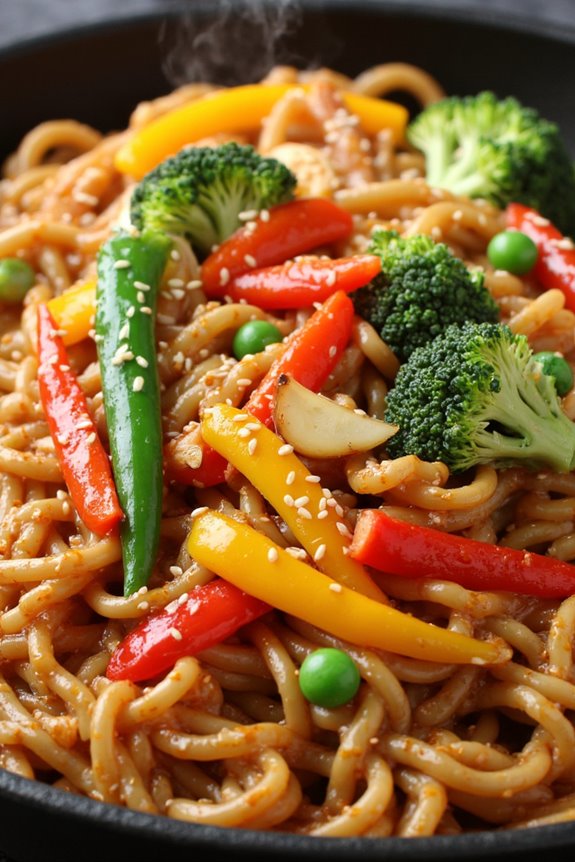
Szechuan Spicy Noodles With Mixed Vegetables is a delightful vegetarian dish that brings the bold flavors of Szechuan cuisine to your dinner table. This recipe features chewy noodles tossed with a medley of colorful vegetables, all coated in a spicy and aromatic sauce. The combination of heat from Szechuan peppercorns and the freshness of vegetables makes this dish a satisfying and nutritious option for both vegetarians and spice lovers alike.
This dish is incredibly versatile, allowing you to customize the vegetables based on what you have available or your personal preferences. Whether served as a main course or a side dish, Szechuan Spicy Noodles With Mixed Vegetables is sure to impress and leave everyone craving more. Prepare to plunge into a burst of flavors that will transport your taste buds straight to the heart of Sichuan province!
Ingredients (Serves 4-6):
- 8 oz of Szechuan noodles or any preferred noodles
- 1 cup of bell peppers (red, yellow, and green), sliced
- 1 cup of carrots, julienned
- 1 cup of broccoli florets
- 1 cup of snap peas
- 4 green onions, chopped
- 3 cloves of garlic, minced
- 1-inch piece of ginger, minced
- 3 tablespoons of soy sauce
- 2 tablespoons of chili paste (adjust to taste)
- 1 tablespoon of rice vinegar
- 1 tablespoon of sesame oil
- 1 teaspoon of sugar
- 1 teaspoon of Szechuan peppercorns (optional)
- Salt and pepper to taste
- Sesame seeds for garnish (optional)
Cooking Instructions:
- Prepare the Noodles: Begin by cooking the Szechuan noodles according to package instructions. Once cooked, drain and rinse them under cold water to stop the cooking process and prevent them from becoming mushy. Set aside.
- Sauté the Aromatics: In a large skillet or wok, heat 2 tablespoons of sesame oil over medium heat. Add the minced garlic and ginger. Sauté for about 1-2 minutes until they become fragrant, stirring constantly to avoid burning.
- Add the Vegetables: Toss in the sliced bell peppers, julienned carrots, broccoli florets, and snap peas. Stir-fry the vegetables for about 4-5 minutes until they’re tender but still crisp. Make sure to keep the heat high to maintain the vibrant colors of the vegetables.
- Mix the Sauce: In a small bowl, combine the soy sauce, chili paste, rice vinegar, sugar, and Szechuan peppercorns (if using). Stir well to mix everything together.
- Combine Noodles and Sauce: Add the cooked noodles to the skillet with the sautéed vegetables. Pour the sauce over the noodles and toss everything together until well combined. Make sure the noodles are evenly coated with the sauce and heated through, about 2-3 minutes.
- Season and Serve: Taste the noodles and adjust the seasoning with salt and pepper as needed. Once everything is well-mixed, remove from heat. Garnish with chopped green onions and sesame seeds, if desired, before serving.
Extra Tips:
For an even spicier kick, consider adding some chopped fresh chili peppers to the dish while sautéing the vegetables. You can also switch up the vegetables based on seasonal availability or personal preferences; mushrooms, baby corn, and zucchini work great in this recipe.
If you prefer a gluten-free option, substitute regular soy sauce with tamari or coconut aminos. Enjoy your homemade Szechuan Spicy Noodles With Mixed Vegetables as a hearty meal or a side at your next gathering!
Buddha’s Delight (Luohan Zhai)
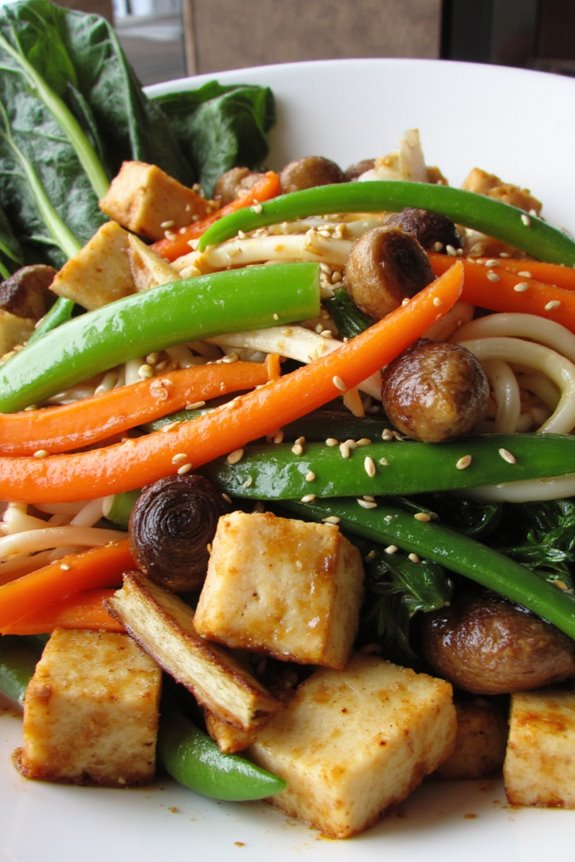
Buddha’s Delight, known as Luohan Zhai in Mandarin, is a traditional vegetarian dish often enjoyed during Chinese New Year and other festive occasions. This dish is a medley of various vegetables, mushrooms, and tofu, offering a delightful combination of flavors and textures. The dish isn’t only nutritious but also symbolizes the abundance of blessings and good fortune, making it a popular choice for those looking to indulge in healthy eating while honoring cultural traditions.
The preparation of Buddha’s Delight can be both simple and rewarding, allowing you to showcase fresh ingredients and vibrant colors. With a variety of vegetables, this dish is versatile and can be adapted to include seasonal produce. Typically, it’s served with a side of rice or noodles, making it a complete meal that’s satisfying and wholesome.
Ingredients (serving size: 4-6 people)
- 1 cup of dried shiitake mushrooms, soaked and sliced
- 1 cup of fresh bok choy, chopped
- 1 cup of carrots, julienned
- 1 cup of snow peas, trimmed
- 1 cup of bean sprouts
- 1 cup of firm tofu, cubed
- 1/2 cup of bamboo shoots, sliced
- 2 cloves of garlic, minced
- 1 tablespoon of ginger, minced
- 2 tablespoons of soy sauce
- 1 tablespoon of oyster sauce (vegetarian)
- 2 tablespoons of sesame oil
- 1 tablespoon of cornstarch mixed with 2 tablespoons of water (for thickening)
- Salt and pepper to taste
- Sesame seeds for garnish (optional)
Cooking Instructions
- Prepare the Ingredients: Begin by soaking the dried shiitake mushrooms in warm water for about 30 minutes or until they’re rehydrated and soft. Once soaked, slice the mushrooms and set them aside. Chop the bok choy, julienne the carrots, and trim the snow peas. Drain and cube the firm tofu, and set aside all the prepared vegetables.
- Sauté Aromatics: In a large wok or frying pan, heat 2 tablespoons of sesame oil over medium heat. Add the minced garlic and ginger to the oil and sauté for about 30 seconds until fragrant. Be careful not to burn them, as this can impart a bitter taste to the dish.
- Cook the Tofu: Gently add the cubed tofu to the pan and stir-fry for about 5 minutes, allowing the tofu to brown slightly on all sides. This step adds texture and flavor to the tofu. Once browned, remove the tofu from the pan and set it aside on a plate.
- Stir-Fry the Vegetables: In the same pan, add the carrots, snow peas, and bok choy. Stir-fry the vegetables for about 3-4 minutes until they’re vibrant and tender-crisp. If you like them softer, you can cook them for an additional minute.
- Combine Ingredients: Return the sautéed tofu to the pan along with the soaked shiitake mushrooms and bamboo shoots. Add the bean sprouts next. Pour in the soy sauce and vegetarian oyster sauce, stirring everything together to guarantee that the vegetables and tofu are well-coated in the sauces.
- Thicken the Sauce: To give the dish a nice gloss and thickness, add the cornstarch-water mixture to the pan. Stir continuously for about 1-2 minutes until the sauce thickens slightly. Adjust the seasoning with salt and pepper according to your taste preference.
- Serve and Garnish: Once everything is well combined and heated through, remove the pan from heat. Serve the Buddha’s Delight hot, garnished with sesame seeds if desired. It pairs wonderfully with steamed rice or noodles.
Extra Tips
For a more personalized touch, feel free to customize your Buddha’s Delight with seasonal vegetables or ingredients you have on hand. You can also add a splash of vegetarian oyster sauce or hoisin sauce to enhance the flavor further.
If you prefer a spicier version, consider adding some sliced chili or a dash of chili oil. Additionally, making this dish ahead of time can enhance the flavors, as they’ll meld together beautifully when reheated. Enjoy your cooking experience!
Vegetable Chow Mein
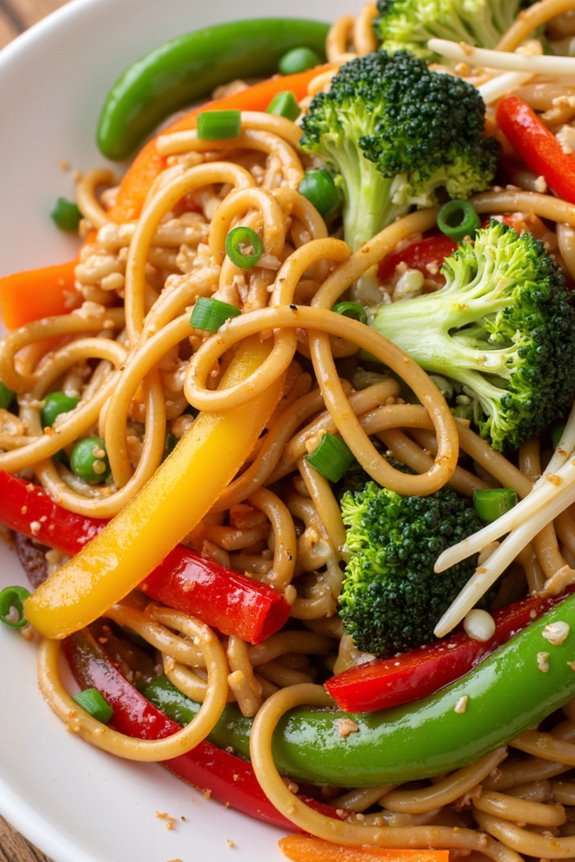
Vegetable Chow Mein is a delightful and colorful dish that showcases the vibrant flavors of various vegetables tossed with soft and crispy noodles. Originating from Chinese cuisine, this dish is a favorite among vegetarians and those looking to enjoy a lighter meal that’s still satisfying and full of flavor.
The combination of fresh vegetables, soy sauce, and the perfect texture of chow mein noodles creates a dish that isn’t only appetizing but also a great way to incorporate more vegetables into your diet.
This recipe for Vegetable Chow Mein serves 4-6 people and can be easily customized with your choice of vegetables or additional protein sources such as tofu. The key to a great chow mein is the quick cooking method that allows the vegetables to stay crisp and vibrant while the noodles absorb the savory flavors of the sauce.
With a few simple ingredients and steps, you can create a noodle dish that’s sure to impress family and friends.
Ingredients
- 8 oz chow mein noodles
- 2 tablespoons vegetable oil
- 1 cup bell peppers (sliced)
- 1 cup broccoli florets
- 1 cup carrots (julienned)
- 1 cup snap peas
- 1 cup bean sprouts
- 3 cloves garlic (minced)
- 2 tablespoons soy sauce
- 1 tablespoon oyster sauce (optional for flavor)
- 1 teaspoon sesame oil
- Salt and pepper to taste
- Chopped green onions (for garnish)
Cooking Instructions
1. Cook the Noodles: Begin by boiling a large pot of water. Once the water is boiling, add the chow mein noodles and cook according to the package instructions, usually around 3-5 minutes.
Once cooked, drain the noodles and rinse them under cold water to stop the cooking process. This helps prevent them from becoming mushy and sticking together.
2. Prepare the Vegetables: While the noodles are cooking, wash and prepare all the vegetables. Slice the bell peppers, julienne the carrots, and cut the broccoli into small florets.
This will help that all vegetables cook evenly and quickly.
3. Stir-Fry the Vegetables: In a large wok or frying pan, heat the vegetable oil over medium-high heat. Once hot, add the minced garlic and stir-fry for about 30 seconds until fragrant.
Then, add the sliced bell peppers, broccoli florets, carrots, and snap peas. Stir-fry these vegetables for about 5-7 minutes until they’re tender-crisp.
4. Combine Noodles and Sauce: Add the cooked chow mein noodles to the stir-fried vegetables. Pour in the soy sauce, oyster sauce (if using), and sesame oil.
Toss everything together gently to combine and make certain the noodles are coated in the sauce. Cook for an additional 2-3 minutes, stirring frequently to avoid sticking.
5. Finish and Serve: Once everything is heated through and well combined, taste and adjust seasoning with salt and pepper as desired.
Remove from heat and transfer to a serving platter. Garnish with chopped green onions before serving.
Extra Tips
For an even more flavorful Vegetable Chow Mein, consider marinating the vegetables in a mixture of soy sauce and sesame oil for 15-30 minutes before cooking.
Additionally, you can add protein options like tofu or tempeh for a heartier meal. If you prefer a bit of spice, a dash of chili sauce or crushed red pepper can enhance the dish.
Always remember to keep the cooking process quick to maintain the vibrant colors and crisp textures of the vegetables. Enjoy your homemade Vegetable Chow Mein!
Scallion Pancakes With Dipping Sauce
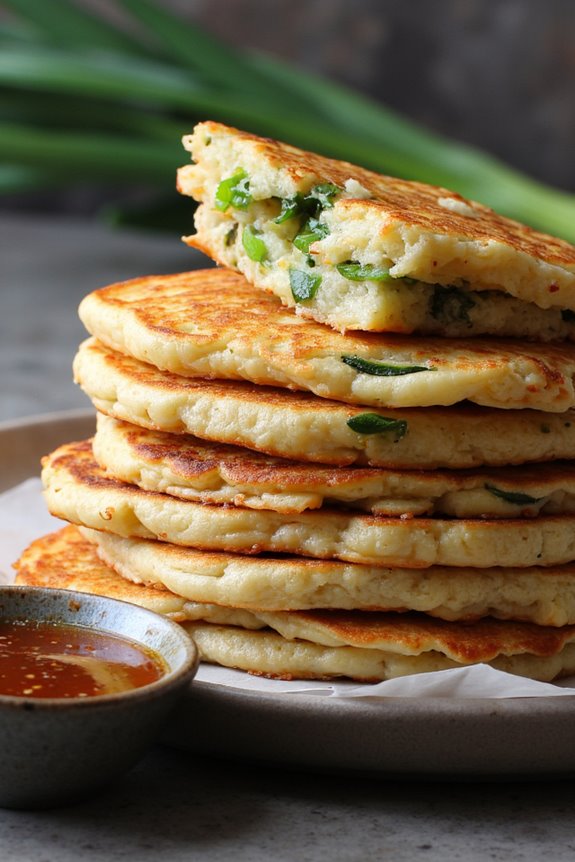
Scallion pancakes, known as “Cong You Bing” in Mandarin, are a beloved street food in China, renowned for their flaky layers and savory flavor. These crispy, golden-brown pancakes are made with simple ingredients and are ideal for any occasion, whether as a snack, appetizer, or a side dish to accompany your favorite main course.
The rich aroma of scallions combined with the crunch of the pancake creates a delightful texture that’s bound to please your palate.
Preparing scallion pancakes is a straightforward process that involves mixing flour and water to create a pliable dough, rolling it out, and layering it with fresh scallions. They’re then pan-fried to perfection, resulting in a crispy exterior with a soft, chewy interior.
To elevate this dish, a flavorful dipping sauce made from soy sauce, vinegar, and a hint of sesame oil complements the pancakes beautifully, adding another layer of taste that enhances the overall experience.
Ingredients (Serves 4-6 people)
- 2 cups all-purpose flour
- 3/4 cup boiling water
- 1/2 teaspoon salt
- 1/4 cup vegetable oil (for frying)
- 1 cup scallions, finely chopped
- Dipping Sauce:
- 1/4 cup soy sauce
- 2 tablespoons rice vinegar
- 1 teaspoon sesame oil
- 1 teaspoon sugar
- 1 clove garlic, minced (optional)
- 1 teaspoon chili oil (optional)
Cooking Instructions
1. Prepare the Dough: In a large mixing bowl, combine the all-purpose flour and salt. Gradually pour in the boiling water, stirring with a fork or chopsticks until the mixture begins to form a shaggy dough.
Allow it to cool slightly, then knead the dough on a lightly floured surface for about 5-7 minutes until it becomes smooth and elastic. Cover the dough with a damp cloth and let it rest for 30 minutes.
2. Roll Out the Dough: After the resting period, divide the dough into four equal portions. Take one portion and roll it out into a thin rectangle on a floured surface, about 1/8 inch thick.
Repeat with the remaining portions.
3. Add Scallions: Brush a thin layer of vegetable oil over the surface of the rolled-out dough. Evenly sprinkle a portion of the chopped scallions over the dough, pressing them gently into the surface.
4. Form the Pancake: Starting from one end, roll the dough tightly into a log. Then, coil the log into a spiral shape, tucking the end underneath.
Flatten the spiral gently with your palm, and then roll it out again to about 1/4 inch thick. Repeat this process with the remaining dough portions.
5. Fry the Pancakes: Heat a non-stick skillet or frying pan over medium heat and add a couple of tablespoons of vegetable oil. When the oil is hot, carefully place one pancake in the skillet.
Fry for about 2-3 minutes on each side or until golden brown and crispy. Remove from the skillet and drain on paper towels. Repeat with the remaining pancakes.
6. Make the Dipping Sauce: In a small bowl, combine the soy sauce, rice vinegar, sesame oil, sugar, and minced garlic (if using). Stir well until the sugar is dissolved.
Add chili oil for extra heat if desired.
7. Serve: Cut the scallion pancakes into wedges and Serve them warm with the dipping sauce on the side.
Extra Tips
For extra flakiness, consider folding the pancake dough multiple times before rolling it out, creating more layers.
Additionally, confirm that your oil is hot enough before frying the pancakes to achieve that perfect golden-brown color. You can also experiment with additional fillings, such as grated carrots or sesame seeds, for added flavor and texture.
Enjoy your homemade scallion pancakes fresh for the best experience!
Hot and Sour Soup
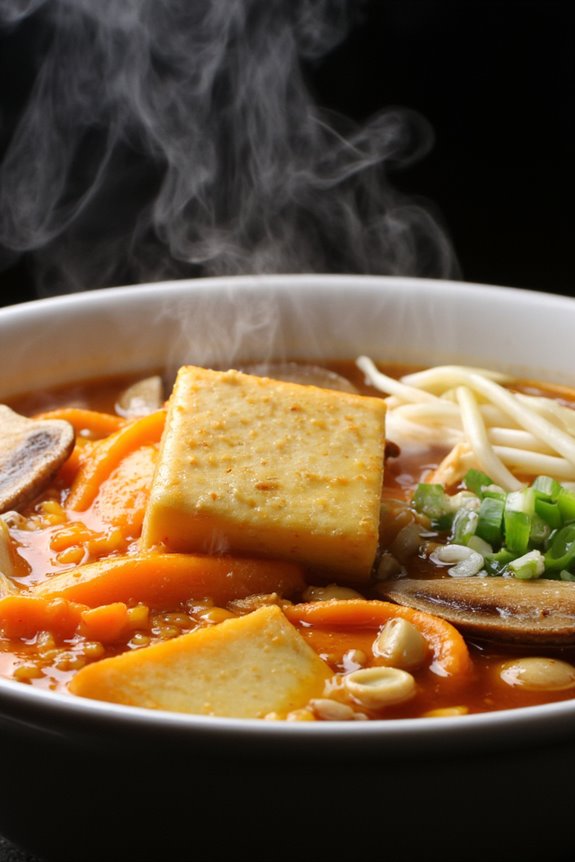
Hot and Sour Soup is a classic dish in Chinese cuisine that strikes a perfect balance between spiciness and tanginess. This vibrant soup isn’t only packed with flavor but also offers a delightful combination of textures, featuring silky tofu, crunchy vegetables, and fragrant mushrooms.
Traditionally, it’s made with meat, but this vegetarian version utilizes a rich vegetable broth and an array of fresh ingredients to create a deeply satisfying dish that everyone can enjoy.
This comforting soup is ideal for a cozy family dinner or as a standout appetizer for a larger gathering. The beautiful interplay of flavors from the vinegar, soy sauce, and white pepper creates a truly unforgettable experience.
Whether you’re a seasoned chef or a novice in the kitchen, this recipe is straightforward and guarantees delicious results that will impress your guests.
Ingredients (Serves 4-6)
- 6 cups vegetable broth
- 1 cup firm tofu, diced
- 1 cup mushrooms, sliced (shiitake or button)
- 1 cup bamboo shoots, sliced
- 1 cup carrots, julienned
- 1 cup bean sprouts
- 1/4 cup green onions, chopped
- 1/4 cup soy sauce
- 1/4 cup rice vinegar
- 1 tablespoon cornstarch
- 1 tablespoon white pepper (adjust to taste)
- 1 tablespoon sesame oil
- 1 teaspoon sugar
- 2 cloves garlic, minced
- 1 inch ginger, minced
- 1 tablespoon chili paste (optional, for extra heat)
- Salt to taste
Cooking Instructions
- Prepare the Broth: In a large pot, bring the vegetable broth to a gentle boil over medium heat. This will serve as the base for your soup, so make sure it’s flavorful and well-seasoned.
- Add Aromatics: Once the broth is boiling, add the minced garlic and ginger. These ingredients will infuse the soup with fragrance and depth of flavor. Allow them to simmer for about 2 minutes.
- Incorporate Vegetables and Tofu: Add the sliced mushrooms, bamboo shoots, julienned carrots, and diced tofu to the pot. Stir gently to combine all the ingredients, and let them cook for about 5-7 minutes, or until the vegetables are tender but still vibrant.
- Season the Soup: Stir in the soy sauce, rice vinegar, sesame oil, and sugar. The soy sauce adds umami, while the rice vinegar brings the necessary tang. Adjust the seasonings to your preference, especially the white pepper for heat.
- Thicken the Soup: In a small bowl, mix the cornstarch with a couple of tablespoons of water to create a slurry. Gradually add this mixture to the soup while stirring constantly. This will help thicken the soup slightly, making it heartier. Allow it to simmer for another 2-3 minutes until the soup reaches your desired consistency.
- Finish with Bean Sprouts and Green Onions: Just before serving, add the bean sprouts and chopped green onions to the pot. These ingredients add a nice crunch and freshness to the soup. Allow the soup to cook for an additional minute before removing it from the heat.
- Serve: Ladle the hot and sour soup into bowls and garnish with additional green onions or a drizzle of sesame oil if desired. Serve immediately and enjoy!
Extra Tips
For a more intense flavor, allow the soup to simmer for a longer period before adding the thickeners. You can also customize the recipe by adding other vegetables, such as bell peppers or snow peas, to enhance the dish further.
If you prefer a spicier soup, increase the amount of chili paste or add some sliced fresh chili peppers. Remember to taste as you go, adjusting the ingredients to suit your palate!
Eggplant in Garlic Sauce
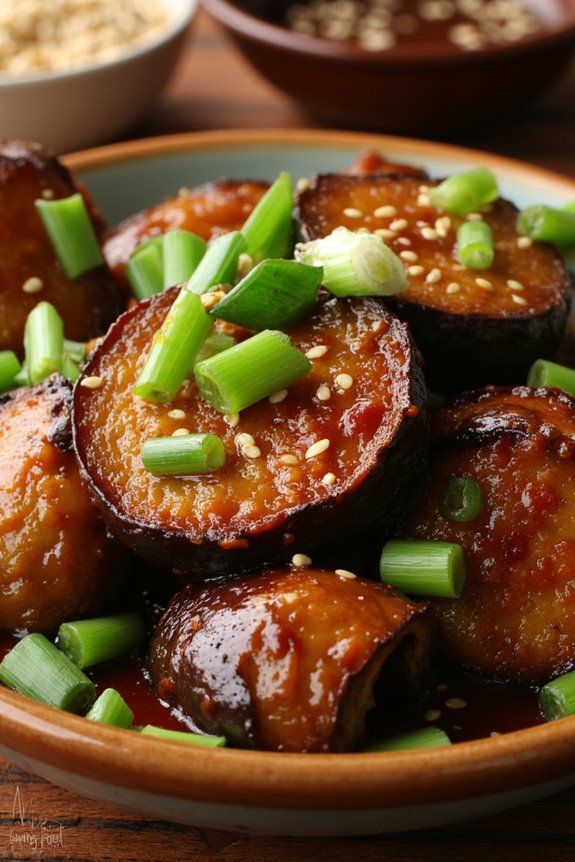
Eggplant in Garlic Sauce is a delightful vegetarian dish that captures the essence of Chinese cuisine with its rich flavors and vibrant textures. This dish features tender eggplant, known for its ability to absorb flavors, cooked in a savory garlic sauce that balances sweetness, saltiness, and a hint of spiciness. Not only is it a perfect accompaniment to steamed rice, but it also stands out as a main dish in its own right. This recipe is suitable for 4-6 servings, making it an ideal choice for family dinners or gatherings with friends.
The key to a successful Eggplant in Garlic Sauce lies in the preparation of the eggplant and the garlic sauce itself. The eggplant should be cooked until silky and soft, while the garlic sauce should be aromatic and flavorful. With simple ingredients and straightforward cooking techniques, this dish is accessible to cooks of all skill levels. Gather your ingredients, and let’s create a delicious vegetarian masterpiece that’s bound to impress!
Ingredients:
- 2 medium eggplants, cut into bite-sized pieces
- 4 tablespoons vegetable oil
- 6 cloves garlic, minced
- 1 tablespoon ginger, minced
- 1/4 cup soy sauce
- 2 tablespoons rice vinegar
- 2 tablespoons sugar
- 1 tablespoon chili paste (adjust to taste)
- 1/4 cup water
- 2 green onions, chopped (for garnish)
- Sesame seeds (optional, for garnish)
Cooking Instructions:
- Prepare the Eggplant: Begin by washing and cutting the eggplants into bite-sized pieces. Sprinkle them with a little salt and let them sit for about 20 minutes. This process helps draw out excess moisture and bitterness from the eggplant, resulting in a more flavorful dish.
- Rinse and Drain: After 20 minutes, rinse the eggplant pieces under cold water to remove the salt and any bitterness. Drain them well and pat them dry with a clean kitchen towel. This step is essential as it prevents the eggplant from becoming too soggy during cooking.
- Heat the Oil: In a large skillet or wok, heat the vegetable oil over medium-high heat. Allow the oil to get hot but not smoking. This will guarantee that the eggplant cooks properly and gets a nice sear.
- Cook the Eggplant: Add the drained eggplant pieces to the hot oil and stir-fry for about 5-7 minutes, or until they’re golden brown and tender. Stir frequently to confirm even cooking and prevent sticking.
- Add Garlic and Ginger: Once the eggplant is cooked, add the minced garlic and ginger to the skillet. Stir-fry for an additional 1-2 minutes until the garlic becomes fragrant but be careful not to let it burn.
- Make the Sauce: In a bowl, whisk together the soy sauce, rice vinegar, sugar, chili paste, and water. Pour this mixture over the eggplant in the skillet, stirring to coat the eggplant evenly. Allow the sauce to simmer for about 2-3 minutes, letting the flavors meld together.
- Thicken the Sauce: If you prefer a thicker sauce, you can let it cook a bit longer or add a cornstarch slurry (1 tablespoon cornstarch mixed with 2 tablespoons water) to achieve the desired consistency.
- Serve and Garnish: Once the sauce has thickened to your liking, remove the skillet from heat. Transfer the Eggplant in Garlic Sauce to a serving dish and garnish with chopped green onions and sesame seeds, if desired.
Extra Tips:
For an enhanced flavor profile, consider adding other vegetables such as bell peppers or snow peas to the dish. You can also adjust the level of spiciness by modifying the amount of chili paste used.
If you want a more complex flavor, try incorporating a splash of hoisin sauce or oyster sauce (vegetarian version) into the garlic sauce. Remember that the quality of your ingredients, especially the soy sauce, can greatly impact the final taste, so choose good-quality options for the best results!
Chinese Broccoli With Oyster Sauce
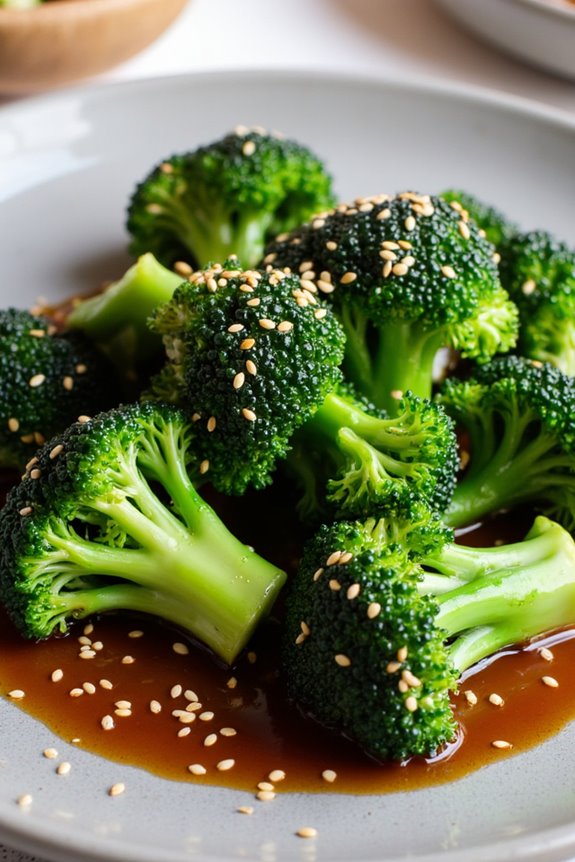
Chinese Broccoli, also known as Gai Lan, is a beloved vegetable in Chinese cuisine, celebrated for its vibrant green color and slightly bitter flavor. This dish is typically enhanced with oyster sauce, providing a savory depth that beautifully complements the natural taste of the broccoli.
It’s a simple yet flavorful addition to any meal, making it a popular choice for both everyday dinners and special occasions.
Preparing Chinese Broccoli with Oyster Sauce isn’t only quick but also healthy. This dish is packed with nutrients, offering a delicious way to incorporate greens into your diet. The bright, crisp textures of the broccoli combined with the rich, umami flavor of the oyster sauce make it a delightful side dish that pairs well with rice or noodles.
Whether you’re a seasoned chef or a novice in the kitchen, this recipe will guide you to create a perfect plate of Chinese Broccoli With Oyster Sauce.
Ingredients (Serves 4-6):
- 1 pound Chinese broccoli (Gai Lan)
- 2 tablespoons vegetable oil
- 3 cloves garlic, minced
- 2 tablespoons oyster sauce
- 1 tablespoon soy sauce
- 1 teaspoon sugar
- 2 tablespoons water
- Sesame seeds (optional, for garnish)
Cooking Instructions:
1. Prepare the Chinese Broccoli: Rinse the Chinese broccoli under cold water to remove any dirt or impurities. Trim the ends of the stems and cut the broccoli into 2-3 inch pieces, keeping the florets and stems separate as they’ll cook at different rates.
2. Blanch the Broccoli: Bring a large pot of water to a boil. Once boiling, add the Chinese broccoli stems first and blanch for about 2 minutes. Then add the florets and continue to blanch for an additional 1-2 minutes until they’re bright green and tender-crisp.
Drain and immediately transfer the broccoli to a bowl of ice water to stop the cooking process.
3. Heat the Oil and Sauté Garlic****: In a large skillet or wok, heat the vegetable oil over medium heat. Add the minced garlic and sauté for about 30 seconds until fragrant, being careful not to let it burn.
4. Add the Sauces: Stir in the oyster sauce, soy sauce, sugar, and water to the skillet. Mix well and let the sauce simmer for about 1 minute to combine the flavors.
5. Combine Broccoli and Sauce: Drain the Chinese broccoli from the ice water and add it to the skillet. Gently toss the broccoli in the sauce for 2-3 minutes until it’s well coated and heated through.
6. Serve: Once the broccoli is heated thoroughly, transfer it to a serving dish. If desired, sprinkle with sesame seeds for garnish before serving.
Extra Tips:
When cooking Chinese Broccoli With Oyster Sauce, remember that the blanching step is essential as it preserves the vibrant color and crunchiness of the vegetable.
You can adjust the amount of oyster sauce and soy sauce based on your taste preference. For a vegetarian alternative, consider using mushroom oyster sauce.
This dish is best enjoyed fresh, but leftovers can be reheated gently in a pan to avoid overcooking the broccoli. Enjoy your flavorful and nutritious dish!
Vegetarian Fried Rice
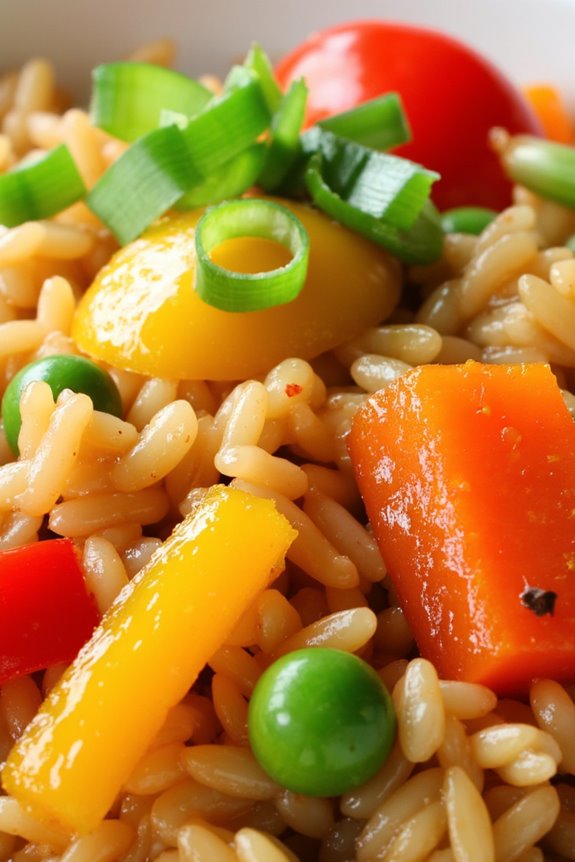
Vegetarian Fried Rice is a delightful and colorful dish that brings together a medley of vegetables and fragrant rice, perfect for a quick meal or as a side dish to complement your favorite Chinese cuisine.
This versatile recipe allows for creativity, as you can incorporate any vegetables you have on hand or add your favorite plant-based protein to make it heartier. The key to a great fried rice is using day-old rice, which gives the dish a wonderful texture and prevents it from becoming mushy during cooking.
This dish isn’t only easy to prepare but also a great way to use up leftover rice and vegetables, making it both economical and delicious. The combination of soy sauce, garlic, and sesame oil adds depth of flavor, while the vibrant vegetables add color and nutrition.
Whether you’re a long-time vegetarian or just looking to incorporate more plant-based meals into your diet, Vegetarian Fried Rice is sure to satisfy your taste buds.
Ingredients (serving size: 4-6 people)
- 4 cups cooked and cooled jasmine rice (preferably day-old)
- 1 cup diced carrots
- 1 cup frozen peas
- 1 cup diced bell pepper (any color)
- 1 cup chopped green onions
- 3 cloves garlic, minced
- 2 tablespoons soy sauce
- 1 tablespoon sesame oil
- 2 tablespoons vegetable oil
- Salt and pepper to taste
Cooking Instructions
- Prepare the Ingredients: Gather all your ingredients and make certain that your rice is pre-cooked and cooled. This step is vital as it helps prevent the rice from clumping together during frying.
- Heat the Oil: In a large skillet or wok, heat the vegetable oil over medium-high heat. This creates a hot cooking surface that helps achieve that desirable fried texture.
- Sauté Vegetables: Add the diced carrots and bell peppers to the skillet. Stir-fry for about 3-4 minutes until they soften slightly. This step will start to release the flavors of the vegetables and create a colorful base for your fried rice.
- Add Garlic and Peas: Stir in the minced garlic and frozen peas. Continue to sauté for another 1-2 minutes until the garlic is fragrant. Be careful not to burn the garlic, as it can turn bitter.
- Incorporate the Rice: Add the cooled rice to the skillet, breaking up any clumps with a spatula. Stir well to combine the rice with the vegetables, making sure of even distribution. This step is essential for warming the rice through and mixing the flavors.
- Season the Rice: Pour the soy sauce and sesame oil over the rice mixture. Stir thoroughly to guarantee that all the rice is evenly coated. Taste and adjust seasoning with salt and pepper as needed.
- Finish with Green Onions: Finally, add the chopped green onions and stir for another minute to combine. This adds a fresh, zesty flavor to the dish right before serving.
- Serve: Once everything is well mixed and heated through, remove from heat and serve hot. Enjoy your Vegetarian Fried Rice as a standalone dish or as a side to your favorite meal.
Extra Tips
For an extra flavor boost, consider adding a tablespoon of oyster sauce or hoisin sauce for a deeper umami taste.
You can also experiment with different vegetables such as broccoli, zucchini, or mushrooms based on your preference. If you want to include a protein, consider adding scrambled tofu or edamame for added nutrition.
Always remember to use day-old rice for the best texture, and feel free to get creative with your seasonings to make this dish uniquely yours!
Lotus Root and Bell Pepper Stir-Fry
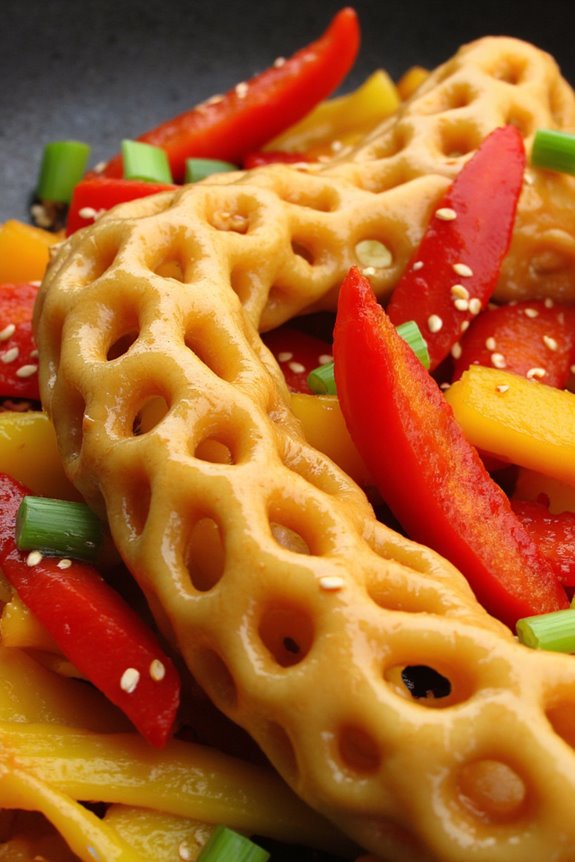
Lotus Root and Bell Pepper Stir-Fry is a vibrant and nutritious dish that showcases the wonderful textures and flavors of fresh vegetables. This recipe highlights the unique crunch of lotus root, which isn’t only visually stunning with its intricate holes but also adds a delightful crispness when cooked.
Paired with colorful bell peppers, this stir-fry is both eye-catching and full of health benefits, making it a perfect addition to any vegetarian meal. This dish is incredibly versatile and can be served on its own or as a side accompanying rice or noodles.
The light seasoning allows the natural flavors of the vegetables to shine through while the quick cooking method guarantees that they retain their bright colors and nutrients. Whether you’re an experienced cook or a beginner, this Lotus Root and Bell Pepper Stir-Fry is an easy yet impressive dish to prepare for family and friends.
Ingredients (Serves 4-6):
- 1 medium lotus root, peeled and thinly sliced
- 2 bell peppers (red and yellow), thinly sliced
- 1 tablespoon vegetable oil
- 2 cloves garlic, minced
- 1 teaspoon fresh ginger, minced
- 2 tablespoons soy sauce
- 1 tablespoon rice vinegar
- 1 tablespoon sesame oil
- Salt and pepper to taste
- Sesame seeds for garnish (optional)
- Chopped green onions for garnish (optional)
Cooking Instructions:
- Prepare the Lotus Root: Start by peeling the lotus root using a vegetable peeler. Once peeled, slice it into thin rounds (about 1/4 inch thick). Rinse the slices under cold water to remove any excess starch and prevent browning. Set aside.
- Cook the Lotus Root: In a large skillet or wok, heat the vegetable oil over medium-high heat. Once the oil is hot, add the lotus root slices and stir-fry for about 5 minutes until they start to become tender but still maintain a slight crunch. Stir frequently to guarantee even cooking.
- Add Aromatics: Next, add the minced garlic and ginger to the skillet. Stir everything together for about 30 seconds until the garlic and ginger become fragrant. This step adds depth of flavor to the dish.
- Incorporate Bell Peppers: Add the sliced bell peppers to the skillet. Stir-fry the mixture for an additional 3-4 minutes, allowing the bell peppers to soften slightly while still retaining their vibrant colors and crunch.
- Season the Stir-Fry: Pour in the soy sauce, rice vinegar, and sesame oil. Toss the vegetables to coat them evenly with the sauce. Season with salt and pepper to taste. Allow everything to cook together for another 2-3 minutes, ensuring the flavors meld nicely.
- Garnish and Serve: Once the vegetables are cooked to your desired tenderness, remove the skillet from heat. Transfer the stir-fry to a serving dish and garnish with sesame seeds and chopped green onions if desired. Serve hot alongside rice or noodles.
Extra Tips:
When preparing Lotus Root and Bell Pepper Stir-Fry, you can customize the dish by adding other vegetables such as broccoli, snow peas, or carrots for additional color and nutrition.
Be sure to keep the cooking time short to preserve the crunch of the vegetables. For an extra kick, consider adding a dash of chili sauce or red pepper flakes. Remember that the key to a great stir-fry is to have all your ingredients prepped and ready to go before you start cooking, as the process moves quickly!
