

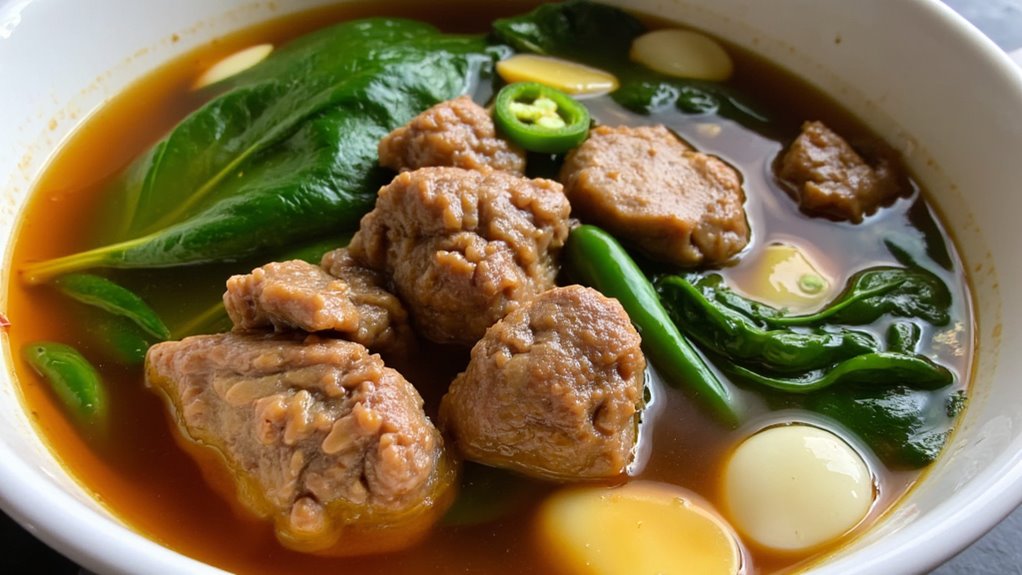
When I think about Filipino cuisine, I’m instantly reminded of the comforting embrace of beef dishes that are steeped in tradition and flavor. From the rich Kare-Kare to the tangy Beef Sinigang, each recipe is an invitation to savor cherished moments. These hearty meals are about more than nourishment—they’re about connection and celebration. Let’s explore these beloved recipes that will surely elevate your next gathering.
Kare-Kare
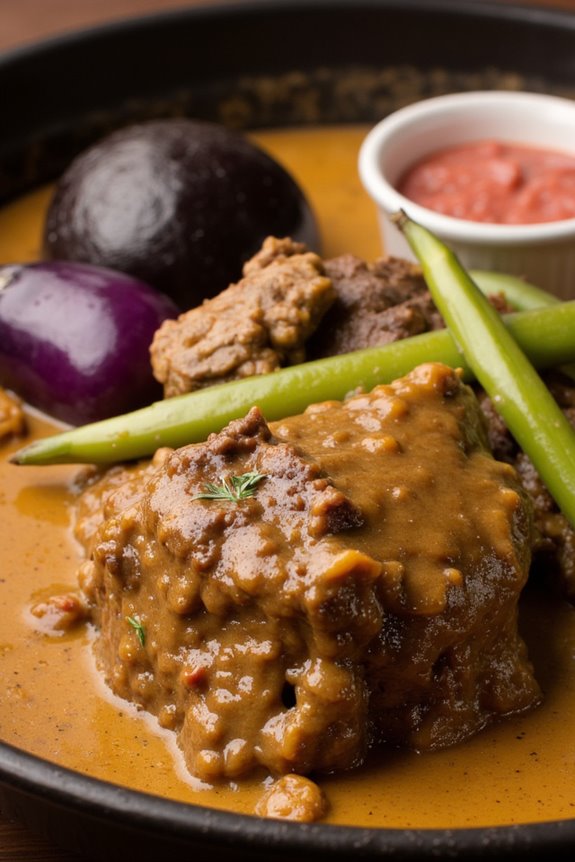
Kare-Kare is a beloved Filipino dish known for its rich and creamy peanut sauce, often accompanied by tender beef, vegetables, and a side of shrimp paste. This hearty stew is a staple in many Filipino households, especially during celebrations and family gatherings. The unique combination of flavors and textures makes Kare-Kare a standout dish that’s both comforting and satisfying.
Traditionally, Kare-Kare is made using oxtail, but you can also use beef shank or brisket for a similar result. The dish is typically served with a side of bagoong (fermented shrimp paste) to enhance the flavors. Preparing Kare-Kare does take some time, but the end result is a deliciously complex stew that will impress your family and friends.
Ingredients (Serves 4-6):
- 2 lbs beef oxtail (or beef shank)
- 1/2 cup peanut butter
- 1/4 cup ground peanuts (optional)
- 1 large onion (sliced)
- 4 cloves garlic (minced)
- 1/4 cup fish sauce
- 6 cups water
- 2 cups eggplant (sliced)
- 1 cup banana heart (sliced)
- 2 cups string beans (cut into 2-inch lengths)
- 1/2 cup rice flour (dissolved in water for thickening)
- Salt and pepper to taste
- 1/4 cup bagoong (fermented shrimp paste) for serving
Cooking Instructions:
- Prepare the Beef: In a large pot, combine the oxtail and water. Bring it to a boil over medium-high heat. Once boiling, skim off any scum that rises to the surface to guarantee a clear broth. Reduce the heat to low and let it simmer for about 2-3 hours or until the meat is tender. This step is vital as it forms the base flavor of your Kare-Kare.
- Sauté Aromatics: In a separate pan, heat a bit of oil over medium heat. Add the sliced onions and minced garlic. Sauté until the onions are translucent and the garlic is fragrant. This will add a depth of flavor to your sauce.
- Add Peanut Butter: Once the onions and garlic are ready, add the peanut butter and ground peanuts (if using) to the pan. Stir well to combine and cook for about 2-3 minutes, allowing the peanut butter to slightly caramelize and enhance its flavor.
- Combine Ingredients: Once the beef is tender, remove it from the pot and set it aside. Strain the broth to remove any impurities, and then return the clear broth to the pot. Add the sautéed peanut mixture and the fish sauce to the broth, stirring to combine.
- Thicken the Sauce: Gradually add the dissolved rice flour to the pot while stirring to thicken the sauce. Let it simmer for about 5-10 minutes, stirring occasionally until the sauce has a nice creamy consistency.
- Add Vegetables: Add the eggplant, banana heart, and string beans to the pot. Allow them to cook in the sauce for about 5-7 minutes or until they’re tender. During this time, return the cooked beef to the pot and stir everything gently to mix.
- Season and Serve: Taste the Kare-Kare and adjust the seasoning with salt and pepper as needed. Serve hot with a side of bagoong for an added umami kick.
Extra Tips:
When making Kare-Kare, it’s important to let the flavors meld together, so allowing the stew to simmer gently is key. Additionally, if you prefer a thicker sauce, you can add more dissolved rice flour or let it simmer longer to reduce.
For a twist, feel free to add other vegetables like bok choy or radish. Finally, don’t shy away from the bagoong; its salty flavor complements the richness of the dish beautifully!
Beef Salpicao
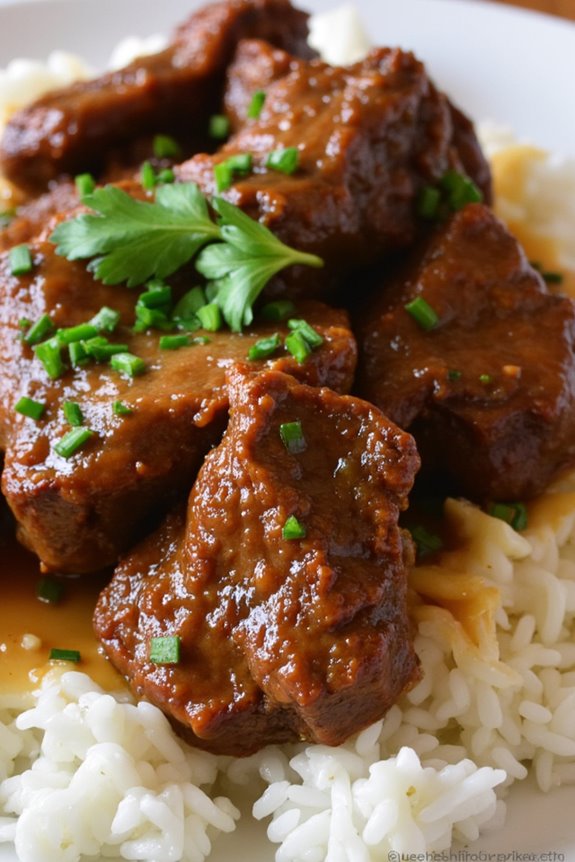
Beef Salpicao is a popular Filipino dish that showcases tender beef marinated in a rich blend of garlic and soy sauce, then quickly sautéed to perfection. This dish is known for its savory flavors and is often enjoyed with steamed rice, making it a delightful meal for family gatherings or special occasions.
The origins of Salpicao can be traced back to the Spanish influence on Filipino cuisine, which is evident in the use of high-quality beef and aromatic ingredients.
To achieve the best results, it’s crucial to select the right cut of beef, such as sirloin or tenderloin, which will yield a tender and juicy texture. The key to the dish lies in the marinade, where the beef absorbs the flavors of garlic, soy sauce, and Worcestershire sauce, creating a deliciously savory profile.
Cooking the beef quickly over high heat guarantees that it remains tender and flavorful, resulting in a dish that’s sure to impress.
Ingredients (Serves 4-6):
- 1.5 lbs beef sirloin or tenderloin, cut into bite-sized pieces
- 1/4 cup soy sauce
- 1/4 cup Worcestershire sauce
- 1/4 cup olive oil
- 6 cloves garlic, minced
- 1/2 teaspoon black pepper
- 1/4 teaspoon salt (adjust to taste)
- 2 tablespoons butter
- 1/4 cup chopped parsley (for garnish)
- Cooked white rice (for serving)
Cooking Instructions:
- Marinate the Beef: In a bowl, combine the soy sauce, Worcestershire sauce, minced garlic, black pepper, and salt. Add the beef pieces and marinate for at least 30 minutes to 1 hour in the refrigerator. This step allows the beef to absorb the flavors and become tender.
- Prepare the Pan: Heat the olive oil in a large skillet or frying pan over medium-high heat. The oil should be hot enough to sear the beef but not smoking.
- Sear the Beef: Remove the beef from the marinade, letting excess liquid drip off. Carefully add the beef to the hot skillet in a single layer, making sure not to overcrowd the pan. Sear the beef for about 2-3 minutes on each side until browned and cooked to your desired doneness. Remove the beef from the pan and set aside.
- Make the Sauce: In the same skillet, add the butter and allow it to melt. Scrape any browned bits from the bottom of the pan to incorporate the flavors. Pour in the remaining marinade and cook for about 2-3 minutes, allowing it to thicken slightly.
- Combine Beef and Sauce: Return the seared beef to the skillet and toss it in the sauce until well-coated. Cook for an additional minute to heat through.
- Garnish and Serve: Remove the skillet from heat and garnish the Beef Salpicao with chopped parsley. Serve hot over a bed of steamed white rice.
Extra Tips: For added flavor, consider using garlic-infused oil or adding a splash of lemon juice for a hint of acidity. If you prefer a bit of heat, feel free to include some chili flakes or fresh chili peppers in the marinade.
Beef Caldereta
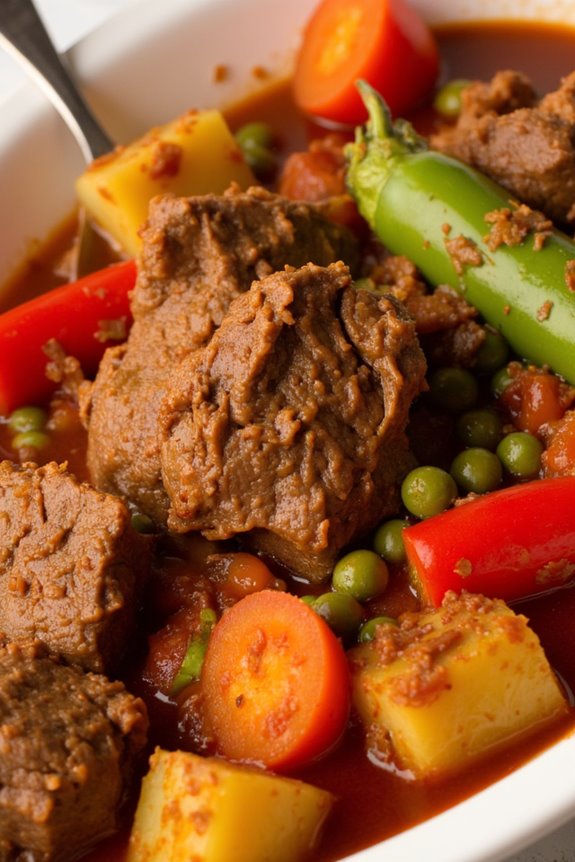
Beef Caldereta is a classic Filipino dish that showcases the rich flavors of beef slow-cooked in a savory tomato-based sauce. Traditionally served during special occasions and family gatherings, this hearty stew is loved for its tender meat and a medley of vegetables.
The dish is often enriched with liver spread, which adds a unique depth of flavor, and is typically accompanied by steamed rice, making it a complete meal that warms both the heart and the stomach.
This recipe is designed for 4-6 people and emphasizes the balance of flavors that make Beef Caldereta a beloved favorite. With ingredients that are readily available and a cooking process that allows the flavors to meld beautifully, this dish is perfect for both novice cooks and seasoned chefs looking to add a Filipino classic to their repertoire.
Let’s explore the ingredients and cooking instructions to create this delightful dish.
Ingredients
- 2 lbs beef chuck, cut into 1-inch cubes
- 2 tablespoons vegetable oil
- 1 large onion, chopped
- 4 cloves garlic, minced
- 2 large tomatoes, chopped
- 2 cups beef broth
- 1 cup tomato sauce
- 1/2 cup liver spread
- 2 medium potatoes, peeled and cut into cubes
- 1 cup carrots, sliced
- 1 bell pepper, sliced
- 1 cup green peas
- 2 bay leaves
- 1 teaspoon salt
- 1/2 teaspoon black pepper
- 1 tablespoon soy sauce
- 1 tablespoon vinegar
- 1/2 teaspoon sugar (optional)
Cooking Instructions
1. Sear the Beef: In a large pot or Dutch oven, heat the vegetable oil over medium-high heat. Add the beef cubes and sear them until browned on all sides. This step locks in the juices and flavors of the meat.
Once browned, remove the beef from the pot and set aside.
2. Sauté Aromatics: In the same pot, reduce the heat to medium and add the chopped onions and minced garlic. Sauté until the onions become translucent and fragrant, about 3-5 minutes.
This will create a flavorful base for the dish.
3. Add Tomatoes: Stir in the chopped tomatoes and cook until they soften and break down, approximately 5 minutes.
This will enhance the richness of the sauce.
4. Combine Ingredients: Return the browned beef to the pot. Pour in the beef broth and tomato sauce, then add the liver spread, bay leaves, salt, black pepper, soy sauce, and vinegar.
Stir to combine all the ingredients well.
5. Simmer the Beef: Bring the mixture to a gentle boil, then reduce the heat to low. Cover the pot and let it simmer for about 1.5 to 2 hours, or until the beef is tender.
Stir occasionally and add water if the mixture becomes too thick.
6. Add Vegetables: Once the beef is tender, add the potatoes, carrots, bell pepper, and green peas to the pot.
Stir to incorporate the vegetables into the sauce. Cover and cook for an additional 15-20 minutes, or until the vegetables are tender.
7. Taste and Adjust: After the vegetables are cooked, taste the dish and adjust seasoning if necessary.
If desired, add a little sugar to balance the acidity of the tomatoes.
8. Serve: Remove the bay leaves before serving. Ladle the Beef Caldereta into bowls and serve hot with steamed rice.
Enjoy the comforting flavors of this Filipino classic!
Extra Tips
When making Beef Caldereta, consider marinating the beef in soy sauce and vinegar for a few hours or overnight for added flavor.
This can help tenderize the meat and deepen the overall taste of the dish. Additionally, feel free to customize the vegetables based on your preference or what you have available.
Adding olives or even a splash of chili can give the dish an exciting twist. Always verify to keep the heat low while simmering to prevent the sauce from thickening too quickly and maintain the tenderness of the beef.
Beef Mechado
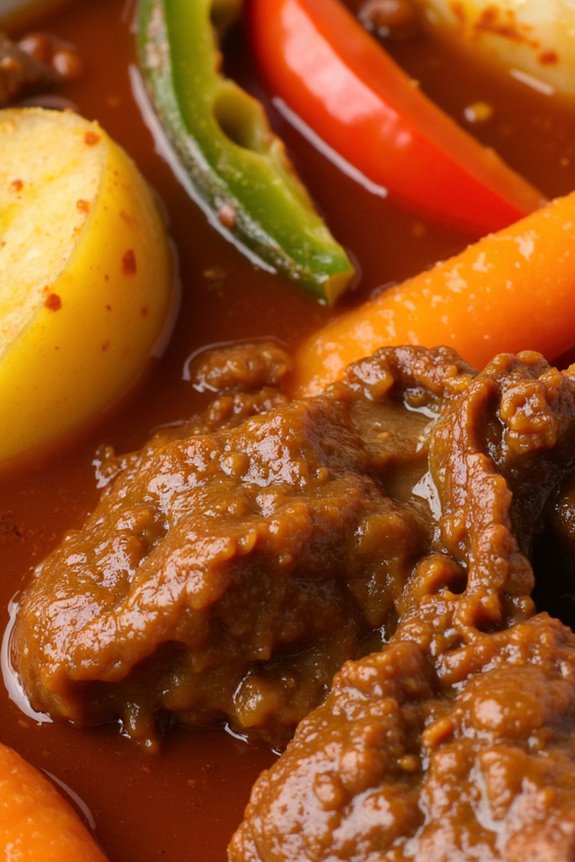
Beef Mechado is a classic Filipino dish that features tender beef braised in a rich tomato sauce, often enhanced with the subtle flavors of soy sauce, vinegar, and spices. This dish is typically known for its melt-in-your-mouth texture and savory taste, making it a favorite for family gatherings and festive occasions.
The name “Mechado” is derived from the Spanish word “mecha,” which refers to the strips of fat that are sometimes inserted into the meat to keep it moist during cooking. The dish is often served with steamed rice, making it a satisfying meal that balances the flavors of the sauce with the neutral taste of the rice.
This hearty stew isn’t only delicious but also relatively easy to prepare. With a combination of beef, vegetables, and a flavorful sauce, Beef Mechado is sure to please a crowd. Whether you’re cooking for a special occasion or just want to enjoy a comforting meal at home, this dish will bring the taste of Filipino cuisine right to your table.
Follow the recipe below to create a hearty Beef Mechado that serves 4-6 people.
Ingredients:
- 2 lbs beef chuck or brisket, cut into 1.5-inch cubes
- 2 tablespoons cooking oil
- 1 large onion, chopped
- 4 cloves garlic, minced
- 2 medium-sized tomatoes, chopped
- 2 medium-sized potatoes, peeled and cut into wedges
- 1 carrot, peeled and sliced
- 1 bell pepper, sliced
- 1 cup beef broth or water
- 1 cup tomato sauce
- 3 tablespoons soy sauce
- 2 tablespoons vinegar
- 1 teaspoon sugar
- 1 bay leaf
- Salt and pepper, to taste
Cooking Instructions:
- Prepare the Beef: Start by seasoning the beef chunks with salt and pepper. This will enhance the flavor of the meat during the cooking process. Allow it to sit for about 15 minutes to absorb the seasoning.
- Sear the Beef: In a large pot or Dutch oven, heat the cooking oil over medium-high heat. Once the oil is hot, add the seasoned beef in batches, searing each piece until browned on all sides. This step locks in the juices and adds depth of flavor. Remove the seared beef and set aside.
- Sauté Aromatics: In the same pot, add the chopped onion and minced garlic. Sauté until the onion becomes translucent and fragrant. This will form the flavor base of your sauce.
- Add Tomatoes: Stir in the chopped tomatoes and cook until they soften and release their juices. This will create a flavorful mixture that complements the beef.
- Combine Ingredients: Return the seared beef to the pot. Add the tomato sauce, soy sauce, vinegar, and beef broth (or water). Stir well to combine all ingredients, ensuring the beef is well coated with the sauce.
- Add Vegetables: Incorporate the potatoes, carrots, and bell pepper into the pot. Add the bay leaf and sugar. These vegetables will add sweetness and texture to the dish.
- Simmer: Bring the mixture to a boil, then reduce the heat to low. Cover the pot and let it simmer for about 1.5 to 2 hours, or until the beef is tender. Stir occasionally and check the liquid level, adding more broth or water if necessary.
- Final Seasoning: Once the beef is tender, taste the sauce and adjust the seasoning with additional salt and pepper if needed. Remove the bay leaf before serving.
- Serve: Ladle the Beef Mechado into bowls and serve hot with steamed rice. Enjoy the rich flavors of this traditional Filipino dish!
Extra Tips:
To enhance the flavor of your Beef Mechado, consider marinating the beef in soy sauce, vinegar, and spices for a few hours or overnight before cooking. This allows the beef to absorb more flavors and results in an even richer dish.
Additionally, feel free to customize the vegetables according to your preference, such as adding peas or even green beans for extra color and nutrition. Don’t forget to adjust the thickness of the sauce to your liking; if you prefer a thicker sauce, let it simmer uncovered for a little longer. Enjoy your cooking!
Beef Nilaga
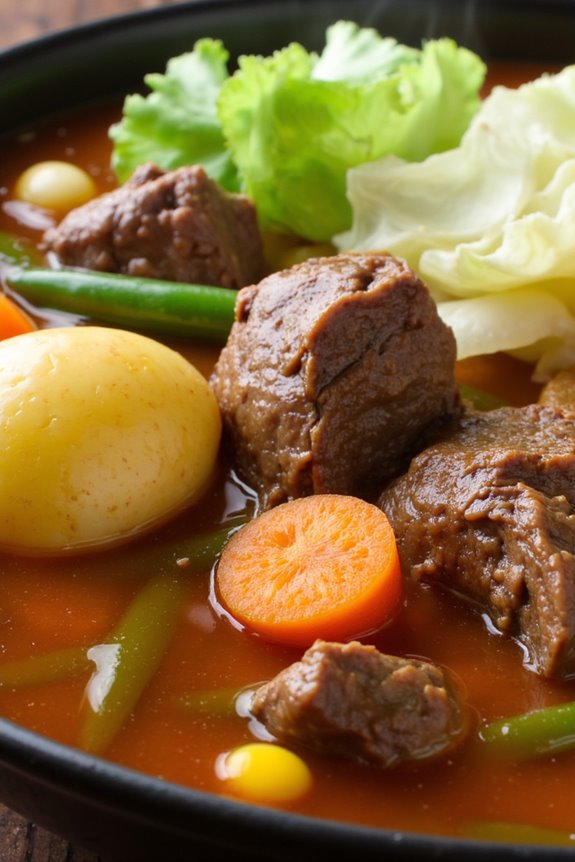
Beef Nilaga is a traditional Filipino soup that showcases the simplicity and depth of flavor that comes from boiling beef with various vegetables. The word “nilaga” translates to “boiled,” which perfectly describes the gentle cooking method used in this dish. This comforting and hearty meal is often enjoyed during family gatherings or cold rainy days, as the warm broth and tender meat provide nourishment and comfort.
The beauty of Beef Nilaga lies in its versatility; you can use different cuts of beef and a variety of vegetables according to your preference or what you have on hand. This recipe isn’t only easy to prepare, but it also allows the natural flavors of the ingredients to shine through. The slow simmering of the beef releases a rich flavor into the broth, while the vegetables add color, texture, and additional nutrients.
Traditionally, Beef Nilaga is served with a side of steamed rice and a dipping sauce made from fish sauce and calamansi or lime, enhancing the overall dining experience.
Ingredients (Serves 4-6)
- 1.5 lbs beef shank or brisket, cut into chunks
- 10 cups water
- 1 medium onion, quartered
- 2-3 whole peppercorns
- 1 medium potato, peeled and quartered
- 1 medium carrot, peeled and cut into chunks
- 1 cup green beans, trimmed
- 1 cup corn (fresh or frozen)
- 2 cups cabbage, cut into wedges
- Salt to taste
- Fish sauce (patis) for serving (optional)
- Calamansi or lime for serving (optional)
Cooking Instructions
- Prepare the Beef: In a large pot, combine the beef chunks and water. Bring to a boil over medium-high heat. Skim off any foam or impurities that float to the surface. This step guarantees a clear broth.
- Add Aromatics: Once the water is boiling, add the quartered onion and whole peppercorns to the pot. Reduce the heat to low, cover, and let it simmer for about 1.5 to 2 hours until the beef is tender. The long, slow cooking process allows the flavors to meld and the meat to become fork-tender.
- Add Vegetables: After the beef is tender, add the potato and carrot into the pot. Simmer for an additional 10-15 minutes until the potatoes and carrots are cooked through.
- Incorporate Remaining Vegetables: Next, add the green beans and corn, and let the mixture cook for another 5-7 minutes. Finally, add the cabbage and cook for an additional 5 minutes, or until the cabbage is just tender.
- Season the Broth: Taste the broth and add salt according to your preference. If desired, serve with fish sauce on the side for dipping, and offer calamansi or lime for a zesty squeeze over the soup.
Extra Tips
When making Beef Nilaga, feel free to experiment with different vegetables such as turnips, bok choy, or even sweet potatoes for a unique twist. You can also use a pressure cooker to reduce the cooking time considerably while still achieving tender meat.
Remember that the longer the beef simmers, the richer the broth will become, so if you have the time, let it cook a bit longer. Enjoy your Beef Nilaga with a side of rice and some dipping sauces to elevate the flavors even more.
Bistek Tagalog
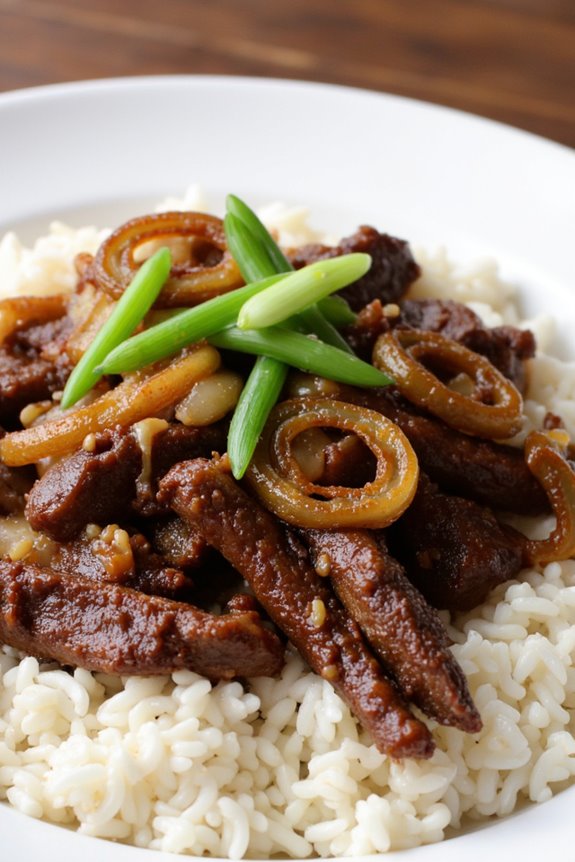
Bistek Tagalog, also known as Filipino Beef Steak, is a beloved dish that showcases the rich flavors of marinated beef, typically cooked with onions and a tangy soy sauce base. This classic Filipino recipe is a staple in many households and is often served with steamed rice, making it a satisfying meal that brings comfort and nostalgia to the table.
The combination of tender beef, savory sauce, and sweet onions creates a delightful balance that appeals to many palates. The key to a successful Bistek Tagalog lies in the marination of the beef. A good marinate not only infuses the meat with flavor but also helps to tenderize it, resulting in juicy, flavorful bites.
Whether you’re preparing this dish for a family gathering or a simple weeknight dinner, Bistek Tagalog is sure to impress and satisfy your taste buds. Here’s how to whip up this delightful dish for 4-6 people.
Ingredients
- 1 ½ lbs beef sirloin, thinly sliced
- ½ cup soy sauce
- ¼ cup calamansi juice (or lemon juice)
- ½ teaspoon ground black pepper
- 2 tablespoons cooking oil
- 2 large onions, thinly sliced into rings
- 3 cloves garlic, minced
- 1 cup water
- Salt to taste
- Optional: green onions for garnish
Cooking Instructions
- Marinate the Beef: In a bowl, combine the soy sauce, calamansi juice, and ground black pepper. Add the thinly sliced beef sirloin to the marinade and mix well to guarantee all pieces are coated. Cover the bowl with plastic wrap and let it marinate in the refrigerator for at least 30 minutes to 1 hour. This step is essential for infusing flavor and tenderizing the beef.
- Sauté the Onions: Heat the cooking oil in a large skillet or frying pan over medium heat. Add the sliced onions and sauté them until they become translucent and slightly caramelized, about 3-5 minutes. Remove the sautéed onions from the pan and set them aside for later. This will add sweetness and depth to the dish.
- Cook the Beef: In the same skillet, add the minced garlic and sauté for about 30 seconds or until fragrant. Then, add the marinated beef (reserve the marinade for later) to the skillet. Cook the beef for about 3-5 minutes, stirring frequently until it starts to brown. Make sure not to overcrowd the pan to guarantee even cooking.
- Add the Marinade and Water: Once the beef is browned, pour in the reserved marinade and add 1 cup of water. Stir well to combine all the flavors. Bring the mixture to a gentle boil, then reduce the heat to low and let it simmer for about 10-15 minutes, or until the beef is tender and the sauce has slightly thickened.
- Combine with Onions: After simmering, return the sautéed onions to the skillet and mix them into the beef. Allow everything to cook together for another 2-3 minutes. Taste the sauce and adjust the seasoning with salt if needed.
- Serve: Once everything is well combined and heated through, transfer the Bistek Tagalog to a serving platter. Garnish with green onions if desired and serve it hot with steamed rice.
Extra Tips
To enhance the flavor of your Bistek Tagalog, consider adding a few slices of bell pepper or mushrooms to the sautéed onions for added texture and taste.
For those who enjoy a bit of spice, adding some sliced chili peppers can elevate the dish even further. Remember to adjust the marination time based on the cut of beef you’re using; thinner cuts may require less time, while tougher cuts may benefit from longer marination. Enjoy your cooking!
Beef Sinigang
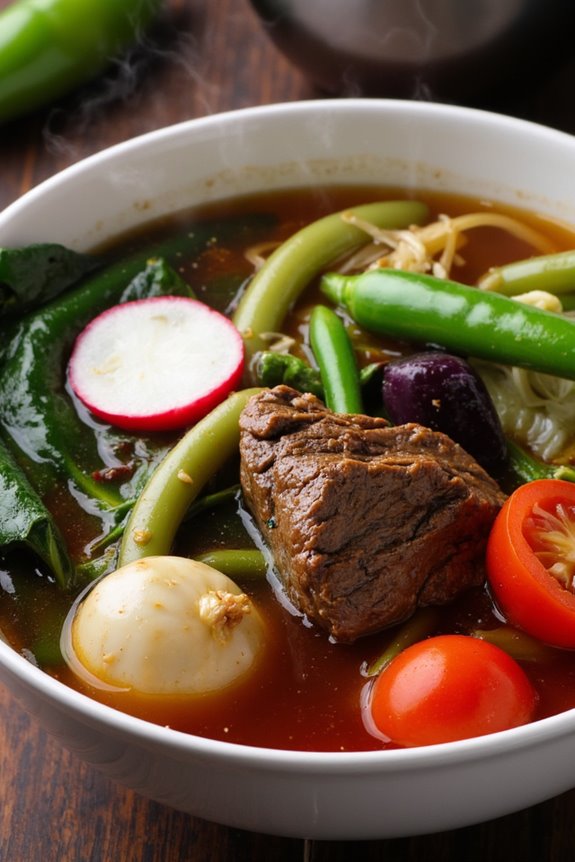
Beef Sinigang is a beloved Filipino sour soup that combines tender beef with an array of fresh vegetables, all simmered in a flavorful broth. The sourness typically comes from tamarind, but variations may include other souring agents like green mango or calamansi, giving each rendition its unique twist.
This dish isn’t only comforting but also a delightful representation of the Filipino palate, balancing sour, savory, and umami flavors in one pot. This dish is often served alongside steamed rice, making it a wholesome meal perfect for family gatherings or a cozy dinner.
The rich broth and tender meat are a hit among both adults and children, and it’s a fantastic way to incorporate vegetables into your meal. Whether you’re familiar with Filipino cuisine or trying it for the first time, Beef Sinigang is sure to warm your heart and satisfy your taste buds.
Ingredients (Serves 4-6)
- 2 lbs beef (short ribs or shank)
- 8 cups water
- 1 medium onion (quartered)
- 2 medium tomatoes (quartered)
- 1 radish (sliced)
- 1 cup string beans (cut into 2-inch lengths)
- 1 cup eggplant (sliced)
- 2-3 green chili peppers (sliced)
- 1 cup water spinach (kangkong) or other leafy greens
- 1 cup tamarind paste or 1-2 cups fresh tamarind (if available)
- 2 tablespoons fish sauce
- Salt and pepper to taste
Cooking Instructions
- Prepare the Beef: Start by rinsing the beef under cold water to remove any impurities. Cut the beef into pieces if using larger cuts. This helps guarantee that the meat cooks evenly and absorbs the flavors of the broth.
- Boil the Beef: In a large pot, combine the beef and water. Bring it to a boil over high heat. Once boiling, reduce the heat to low and skim off any foam or impurities that rise to the surface. This helps to create a clearer and more flavorful broth.
- Add Aromatics: Once the impurities have been removed, add the quartered onion and tomatoes to the pot. These ingredients will infuse the broth with flavor as they soften. Let the mixture simmer for about 1-1.5 hours, or until the beef is tender.
- Incorporate the Vegetables: After the beef is tender, add the radish and string beans to the pot. Allow them to cook for about 5 minutes before adding the eggplant and green chili peppers. This staggered addition of vegetables ensures that each one is cooked perfectly without becoming mushy.
- Add the Sourness: Stir in the tamarind paste or fresh tamarind. If using fresh tamarind, you may need to mash it with a fork in a small bowl, then strain it to extract the juice before adding it to the soup. This is where the signature sour flavor of Sinigang comes from, so adjust the amount based on your preference for sourness.
- Season the Soup: Add the fish sauce for depth of flavor and season with salt and pepper to taste. Let the soup simmer for another 5-10 minutes, allowing the flavors to meld together.
- Finish with Greens: Just before serving, stir in the water spinach or other leafy greens. These should be added last as they wilt quickly. Allow them to cook for about 2-3 minutes until they’re tender but still vibrant.
- Serve: Once everything is cooked to perfection, ladle the Beef Sinigang into bowls and serve hot with steamed rice on the side.
Extra Tips
When making Beef Sinigang, feel free to customize the vegetables based on what you have on hand or your personal preferences. Other great additions can include bok choy, zucchini, or even potatoes.
If you prefer a spicier kick, you can add more green chili peppers. Additionally, for a more intense sour flavor, adjust the amount of tamarind to your liking, and always taste the broth before serving to confirm it meets your palate. Enjoy your Sinigang with a side of rice to soak up the delicious broth!
Beef Tapa
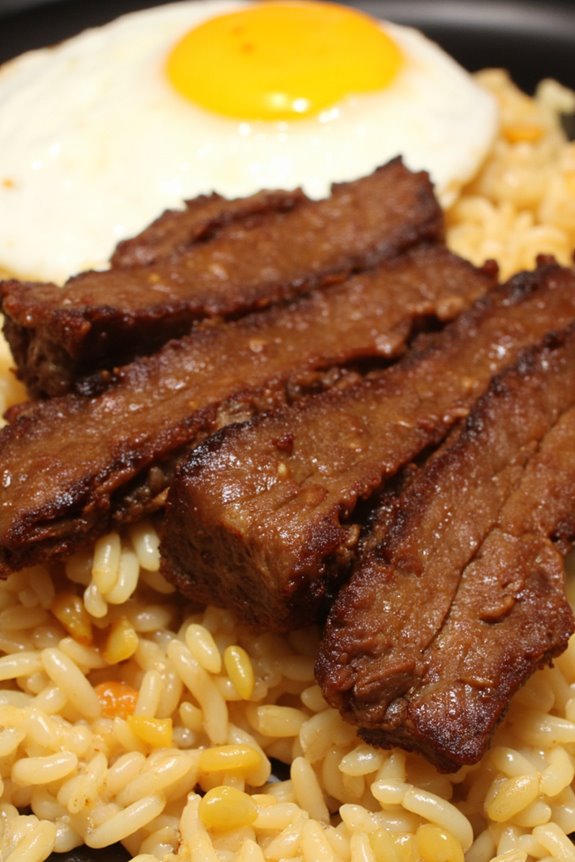
Beef Tapa is a beloved Filipino dish known for its tender, marinated beef that’s both savory and slightly sweet. Traditionally enjoyed as a breakfast item, it’s often served with garlic fried rice and a side of fried eggs, making it a hearty start to the day. This dish showcases the rich flavors of Filipino cuisine, with the marinade typically consisting of soy sauce, vinegar, and spices that enhance the natural taste of the beef.
Preparing Beef Tapa can be a simple yet rewarding experience. The key to a great Tapa is the marinating process, which allows the beef to absorb all the delicious flavors. While it requires a bit of time for marination, the cooking itself is quick and straightforward, resulting in a flavorful dish that can be enjoyed by the whole family.
Ingredients (serving size: 4-6 people):
- 1 ½ lbs beef sirloin or flank steak, thinly sliced
- ½ cup soy sauce
- ¼ cup vinegar
- 2 tablespoons brown sugar
- 1 teaspoon garlic powder
- 1 teaspoon ground black pepper
- 1 teaspoon salt
- 3 cloves garlic, minced
- 2 tablespoons vegetable oil (for frying)
Cooking Instructions:
- Prepare the Marinade: In a mixing bowl, combine the soy sauce, vinegar, brown sugar, garlic powder, ground black pepper, salt, and minced garlic. Stir well until the sugar dissolves and all ingredients are evenly mixed.
- Marinate the Beef: Add the thinly sliced beef to the marinade, making sure each piece is well-coated. Cover the bowl with plastic wrap and refrigerate for at least 2 hours, or preferably overnight. This helps the flavors penetrate the meat and tenderizes it.
- Heat the Oil: In a large skillet or frying pan, heat the vegetable oil over medium heat. Make sure the oil is hot enough to fry the beef without making it soggy.
- Cook the Beef: Remove the beef from the marinade, allowing any excess marinade to drip off. Fry the beef in batches to avoid overcrowding the pan. Cook each batch for about 3-5 minutes, or until the meat is browned and cooked through.
- Serve: Once cooked, transfer the Beef Tapa to a serving plate. It pairs wonderfully with garlic fried rice and a sunny-side-up egg for a complete meal.
Extra Tips: For a more flavorful Beef Tapa, consider adding a splash of calamansi juice or lime juice to the marinade for a zesty twist. If you prefer a sweeter version, increase the amount of brown sugar. Always verify that the beef is sliced thinly against the grain for tenderness. If you’re short on time, marinating for just an hour can still yield tasty results, but longer marination is recommended for peak flavor.
Beef Papaitan
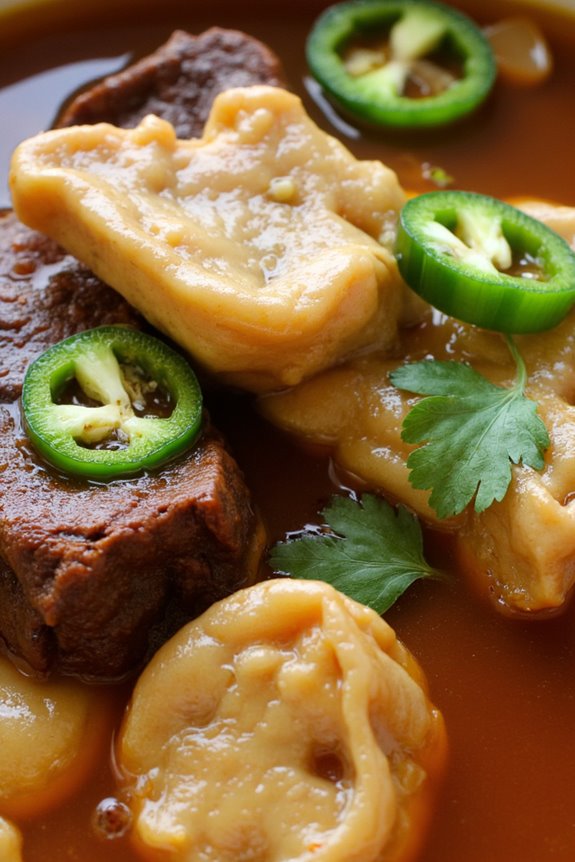
Beef Papaitan is a traditional Filipino dish that showcases the robust flavors of beef, often enhanced by the unique bitter taste of bile. This stew is a favorite among many, particularly in the northern regions of the Philippines. The dish is typically made with various cuts of beef, including tripe and shank, simmered with a blend of spices and herbs that create a hearty and flavorful broth. The addition of bile gives Beef Papaitan its signature taste, making it a must-try for adventurous eaters and lovers of authentic Filipino cuisine.
Cooking Beef Papaitan can be a rewarding experience, as it allows you to explore the rich culinary traditions of the Philippines. This dish not only warms the body but also provides a taste of home for many Filipinos, evoking memories of family gatherings and festive celebrations. With a bit of patience and the right ingredients, you can create this comforting meal that will surely impress your family and friends.
Ingredients (Serves 4-6):
- 2 lbs beef tripe, cleaned and cut into pieces
- 1 lb beef shank, cut into chunks
- 1 onion, chopped
- 1 tablespoon ginger, minced
- 4 cloves garlic, minced
- 6 cups water
- 2-3 tablespoons bile (optional, to taste)
- 2 tablespoons fish sauce
- 1 tablespoon soy sauce
- 1 teaspoon ground black pepper
- 2-3 green chili peppers, sliced
- Salt, to taste
- 2 tablespoons cooking oil
- Fresh cilantro or green onions for garnish
Cooking Instructions:
- Prepare the Beef: Start by thoroughly cleaning the beef tripe under cold running water. This step is essential to remove any impurities and odors. Once cleaned, cut the tripe into bite-sized pieces. Similarly, cut the beef shank into chunks.
- Sauté Aromatics: In a large pot, heat the cooking oil over medium heat. Add the chopped onion, minced ginger, and minced garlic. Sauté until the onions are translucent and fragrant, which should take about 3-5 minutes.
- Brown the Beef: Add the beef shank to the pot and cook until browned on all sides. This should take around 5-7 minutes. Browning the meat adds depth of flavor to the dish.
- Simmer the Broth: Pour in the water and bring it to a gentle boil. Once boiling, reduce the heat to low and let it simmer for about 1.5 to 2 hours, or until the beef shank is tender. Skim off any foam that rises to the surface to keep the broth clear.
- Add the Tripe: Once the beef shank is tender, add the cleaned tripe pieces to the pot. Continue to simmer for another 30-45 minutes until the tripe is tender as well.
- Season the Soup: Stir in the fish sauce, soy sauce, ground black pepper, and salt to taste. If using, add the bile gradually, starting with 2 tablespoons, and adjust according to your preference for bitterness.
- Finish with Chili: Add the sliced green chili peppers to the pot and let them cook for an additional 5 minutes. This will infuse the dish with a mild heat and enhance the overall flavor.
- Garnish and Serve: Once everything is cooked through, remove the pot from heat. Serve the Beef Papaitan hot, garnished with fresh cilantro or sliced green onions, and enjoy it with steamed rice.
Extra Tips:
When preparing Beef Papaitan, it’s important to adjust the bitterness of the soup according to your taste preference. If you’re unsure about using bile, start with a smaller amount and gradually add more until the desired flavor is achieved.
Additionally, you can enhance the dish by adding other ingredients like beef liver or heart for a more complex flavor profile. Always taste as you go to guarantee a well-balanced dish, and don’t hesitate to serve it with a side of rice to soak up all that delicious broth!
Adobo Beef
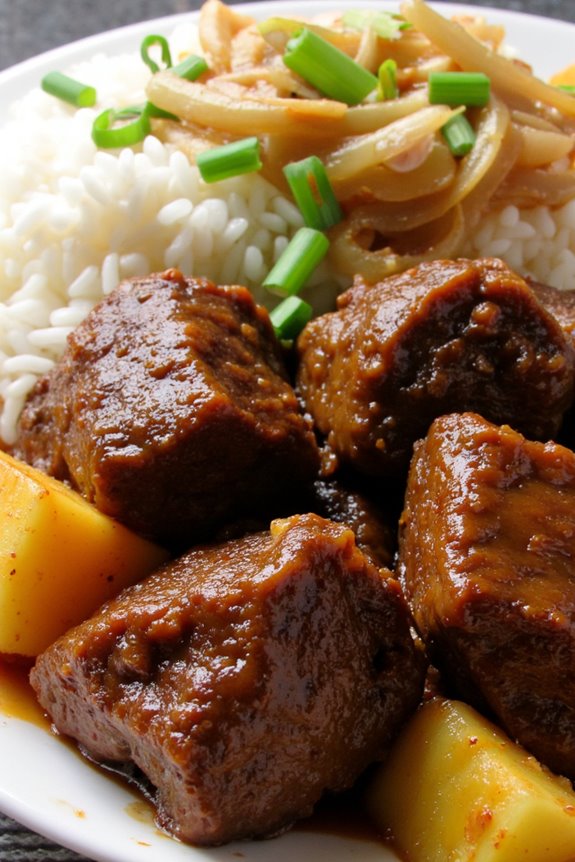
Adobo Beef is a classic Filipino dish renowned for its rich flavors and tender meat, making it a family favorite across the archipelago. The dish is characterized by a unique blend of soy sauce, vinegar, garlic, bay leaves, and peppercorns, which come together to create a savory and slightly tangy sauce that perfectly complements the beef.
Traditionally, this dish is slow-cooked, allowing the flavors to meld beautifully and the meat to become incredibly tender. Making Adobo Beef isn’t just about following a recipe; it’s a culinary experience that connects you to Filipino culture and tradition.
This dish is often served with steamed rice, making it a complete and satisfying meal. Whether you’re preparing it for a family gathering or a casual dinner, Adobo Beef is sure to impress with its deep flavors and aromatic appeal.
Ingredients (serves 4-6 people):
- 2 pounds beef chuck, cut into 1.5-inch cubes
- 1/2 cup soy sauce
- 1/2 cup white vinegar
- 1/2 cup water
- 1 head garlic, minced
- 2-3 bay leaves
- 1 teaspoon black peppercorns
- 2 tablespoons vegetable oil
- 1 onion, sliced
- 2-3 medium potatoes, peeled and cubed (optional)
- Salt to taste
- Green onions, chopped for garnish (optional)
Cooking Instructions:
- Marinate the Beef: In a large bowl, combine the beef cubes, soy sauce, vinegar, minced garlic, bay leaves, and black peppercorns. Mix well and let it marinate for at least 30 minutes, or ideally overnight in the refrigerator. This step allows the beef to absorb the flavors of the marinade.
- Sear the Beef: Heat the vegetable oil in a large pot or Dutch oven over medium-high heat. Remove the beef from the marinade (reserve the marinade) and sear the beef cubes until browned on all sides, about 5-7 minutes. Searing the beef enhances its flavor and adds a nice caramelization.
- Sauté the Onions: Add the sliced onions to the pot and sauté until they’re soft and translucent, about 2-3 minutes. This adds a depth of flavor to the dish.
- Combine and Simmer: Pour the reserved marinade and water into the pot with the beef and onions. Stir well to combine. Bring the mixture to a boil, then reduce the heat to low, cover, and let it simmer for about 1.5 to 2 hours. Stir occasionally to prevent sticking. This slow cooking process makes the beef tender and allows the flavors to develop.
- Add Potatoes (Optional): If using, add the cubed potatoes about 30 minutes before the cooking time is up. This allows the potatoes to cook through and absorb some of the flavorful sauce.
- Season and Serve: Once the beef is tender and the sauce has thickened slightly, taste and adjust the seasoning with salt if necessary. Serve hot, garnished with chopped green onions, over steamed rice.
Extra Tips:
For an authentic taste, use a combination of soy sauce and cane vinegar, which is a staple in Filipino cooking. You can also customize the dish by adding vegetables like carrots or bell peppers for added nutrition.
Always remember that Adobo is often better the next day, as the flavors continue to meld, so consider making it ahead of time for a more robust taste.
Beef Kansi
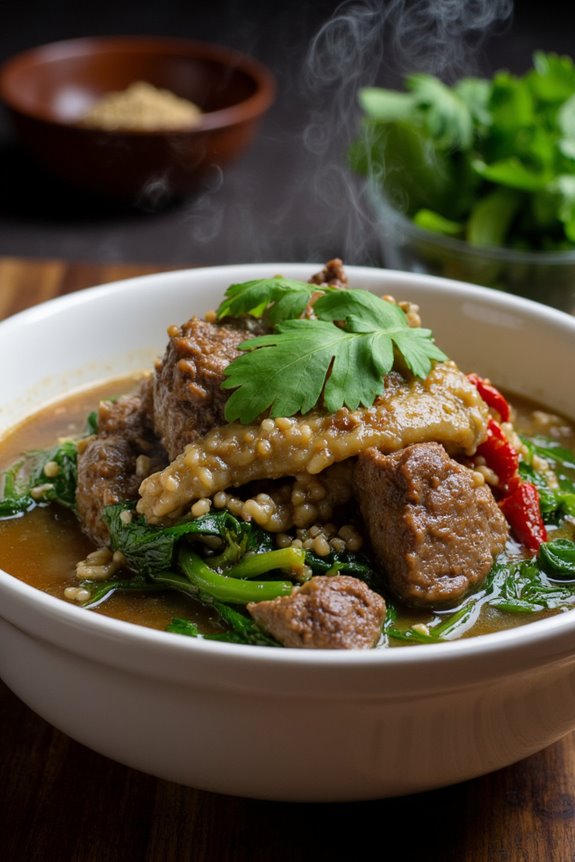
Beef Kansi is a traditional dish from the Visayas region of the Philippines, specifically from the city of Bacolod. It’s often referred to as the “sour beef soup” due to the distinct flavor imparted by the addition of tamarind or the local sour fruit called batuan.
This hearty dish is perfect for family gatherings or special occasions, as it combines tender beef with a rich and flavorful broth that’s both comforting and delicious. The balance of sourness and savoriness in the soup makes it a unique favorite among Filipino cuisine lovers.
Cooking Beef Kansi isn’t only about preparing a meal but also about embracing a cultural heritage filled with flavors and traditions. The process may take a bit of time, but the result is a deeply satisfying dish that warms the heart and soul.
Serve it hot with steamed rice, and you’ll have a complete meal that showcases the best of Filipino culinary artistry.
Ingredients (Serves 4-6):
- 2 lbs beef shank or beef short ribs
- 8 cups water
- 1 medium onion, quartered
- 4 cloves garlic, crushed
- 1 thumb-sized ginger, sliced
- 2-3 pieces batuan (or 1/2 cup tamarind paste)
- 2-3 pieces green chili peppers
- 2 tablespoons fish sauce
- 1 teaspoon salt (adjust to taste)
- 1 teaspoon black pepper
- 1-2 stalks of lemongrass (optional)
- 1 bunch of water spinach (kangkong) for garnish
- Fresh cilantro for garnish (optional)
Cooking Instructions:
- Prepare the Beef: Start by cutting the beef into large chunks if not already done. This will help the meat cook evenly and become tender more quickly. Rinse the beef under cold water and set it aside.
- Sauté Aromatics: In a large pot, heat a tablespoon of oil over medium heat. Add the quartered onions, crushed garlic, and sliced ginger. Sauté until the onions become translucent and aromatic, which helps to build the flavor base for the soup.
- Add the Beef: Once the aromatics are ready, add the beef chunks to the pot. Sear the meat for about 5 minutes until browned on all sides. This step not only enhances the flavor but also locks in the juices of the beef.
- Simmer the Broth: Pour in the 8 cups of water, making sure to scrape any browned bits off the bottom of the pot. Bring the mixture to a boil, then reduce the heat to low. Cover the pot and let it simmer for about 1.5 to 2 hours, or until the beef is fork-tender.
- Add Sour Ingredients: While the beef is simmering, prepare the batuan or tamarind. If using batuan, mash the fruit with a little water and strain to extract the juice. After the beef is tender, add the souring agent along with the fish sauce, salt, and pepper. Taste and adjust the seasoning as necessary.
- Finish with Vegetables: Add the green chili peppers and lemongrass to the pot for added aroma. Let it simmer for another 10-15 minutes. If you’re using water spinach (kangkong), add it in the last few minutes of cooking to keep it fresh and vibrant.
- Serve: Once done, ladle the Beef Kansi into bowls, making sure to include the tender beef and broth. Garnish with fresh cilantro if desired and serve hot with steamed rice.
Extra Tips:
When preparing Beef Kansi, the choice of beef cut is essential; shank or short ribs yield the best flavor and tenderness.
If you can’t find batuan, tamarind paste works just as well, but adjust the amount based on your preferred sourness. For an extra aromatic touch, consider adding a bit of lemongrass or even a dash of chili oil as a finishing touch.
Finally, the longer you let the dish simmer, the more intense the flavors will become, so it’s worth the wait! Enjoy your culinary journey through the tastes of the Philippines!
