


When I think of Filipino cuisine, adobo always comes to mind. This dish captures the heart of our culinary tradition with its rich flavors and endless variations. Whether it’s the classic Chicken Adobo or a sweet twist with Pineapple, there’s something for everyone. Each recipe reflects personal stories and family traditions. Let’s explore these iconic versions that make adobo a true favorite in many Filipino households.
Classic Chicken Adobo

Classic Chicken Adobo is one of the most beloved and iconic dishes in Filipino cuisine. This savory and slightly tangy dish is made with chicken marinated in vinegar, soy sauce, garlic, and spices, then simmered until tender and flavorful. The beauty of adobo lies in its simplicity and the capacity to adapt it to personal taste, making it a staple in many Filipino households.
It’s often served with steamed rice, allowing the delicious sauce to soak into the grains, creating a comforting and satisfying meal.
The origins of adobo can be traced back to the Spanish colonial period, but it has evolved into a uniquely Filipino dish that reflects the country’s rich culinary heritage. The combination of vinegar and soy sauce not only enhances the flavor but also acts as a natural preservative.
This dish can be made in various ways, with different proteins such as pork, beef, or even vegetables, but the classic chicken version remains a favorite for its tender meat and aromatic sauce.
Ingredients (Serves 4-6):
- 2 lbs chicken (preferably bone-in, skin-on pieces)
- 1 cup soy sauce
- 1 cup white vinegar
- 1 head garlic, minced
- 2 bay leaves
- 1 teaspoon black peppercorns
- 1 medium onion, sliced
- 2 tablespoons vegetable oil
- 1 cup water
- Salt and pepper to taste
- Optional: chopped green onions or hard-boiled eggs for garnish
Cooking Instructions:
- Marinate the Chicken: In a large bowl, combine the chicken, soy sauce, minced garlic, bay leaves, and black peppercorns. Mix well to ascertain the chicken is evenly coated. Cover and refrigerate for at least 30 minutes, or ideally, overnight to allow the flavors to meld.
- Sauté the Onions: In a large pot or deep skillet, heat the vegetable oil over medium heat. Add the sliced onions and sauté until they’re translucent and fragrant. This step adds depth to the dish and enhances the overall flavor.
- Brown the Chicken: Remove the chicken from the marinade (reserve the marinade for later) and add it to the pot. Cook the chicken pieces until they’re browned on all sides, about 5-7 minutes. This step not only adds color but also locks in moisture.
- Add the Marinade and Water: Once the chicken is browned, pour in the reserved marinade and add the cup of water. Stir to combine. This mixture will form the sauce for the adobo, and the water helps to tenderize the chicken as it simmers.
- Simmer the Adobo: Bring the mixture to a boil, then reduce the heat to low. Cover the pot and let it simmer for about 30-40 minutes, or until the chicken is tender and cooked through. Stir occasionally to prevent sticking and to ascertain even cooking.
- Adjust Seasoning: Once the chicken is tender, taste the sauce and adjust the seasoning with salt and pepper as needed. If you prefer a thicker sauce, you can uncover the pot and let it simmer for a few more minutes to reduce.
- Serve: Remove from heat and let the adobo sit for a few minutes before serving. Serve hot over steamed rice, garnished with chopped green onions or hard-boiled eggs if desired.
Extra Tips: When making Classic Chicken Adobo, feel free to customize the recipe according to your taste preferences. Some people like to add potatoes or hard-boiled eggs for extra heartiness, while others may prefer a sweeter version by adding a bit of sugar or coconut milk.
Pork Adobo With Pineapple

Pork Adobo With Pineapple is a delightful twist on the classic Filipino dish, combining the savory and slightly tangy flavors of traditional adobo with the sweetness of pineapple. This dish is a perfect representation of the Filipino culinary style, where diverse flavors come together to create something truly special.
The tender pork melts in your mouth, while the pineapple adds a juicy sweetness that balances the overall taste, making it a favorite among families and friends.
Cooking Pork Adobo With Pineapple isn’t only delicious but also straightforward. The marinating step enhances the flavors, allowing the pork to absorb the tangy and sweet notes from the soy sauce, vinegar, and pineapple juice.
Whether served over steamed rice or alongside fresh vegetables, this dish is sure to please your palate and leave your guests wanting more.
Ingredients (Serves 4-6):
- 2 lbs pork belly or shoulder, cut into bite-sized pieces
- 1 cup soy sauce
- 1 cup vinegar (preferably cane or white)
- 1 cup pineapple chunks (fresh or canned)
- 1/2 cup pineapple juice
- 1 medium onion, sliced
- 4-5 cloves garlic, minced
- 2-3 bay leaves
- 1 tablespoon black peppercorns
- 2 tablespoons cooking oil
- Salt to taste
- 1 tablespoon sugar (optional, to balance acidity)
Cooking Instructions:
- Marinate the Pork: In a large bowl, combine the pork pieces, soy sauce, vinegar, minced garlic, and bay leaves. Mix well to guarantee the pork is fully coated. Cover the bowl and let it marinate in the refrigerator for at least 30 minutes, or ideally for a few hours or overnight. This step infuses the pork with flavor and helps tenderize the meat.
- Sear the Pork: Heat the cooking oil in a large pot or Dutch oven over medium-high heat. Remove the pork from the marinade (keeping the marinade for later use) and add the pork pieces to the pot. Sear the pork until it’s browned on all sides, about 5-7 minutes. This step adds depth of flavor to the dish.
- Sauté Onions: Once the pork is browned, add the sliced onions to the pot and sauté them until they become translucent, about 3-4 minutes. The onions will add sweetness and depth to the adobo.
- Add Marinade and Pineapple: Pour in the reserved marinade along with the pineapple chunks and pineapple juice. Stir to combine all ingredients. Bring the mixture to a gentle boil to confirm everything is well mixed and heated.
- Simmer: Reduce the heat to low, cover the pot, and let it simmer for about 45 minutes to 1 hour. Stir occasionally to prevent sticking. This step allows the flavors to meld together and the pork to become tender.
- Adjust Seasoning: After simmering, taste the sauce and adjust the seasoning as needed, adding salt or sugar to balance the flavors. If you prefer a thicker sauce, you can uncover the pot and let it simmer for an additional 10-15 minutes.
- Serve: Once the pork is tender and the sauce has thickened to your liking, remove from heat. Serve the Pork Adobo With Pineapple hot over steamed rice, garnished with fresh herbs if desired.
Extra Tips:
For an extra layer of flavor, consider adding a splash of coconut milk towards the end of cooking for a creamier sauce.
You can also experiment with different types of meat, such as chicken or beef, or even a combination of meats for a varied taste. If you prefer a spicier version, add some sliced chili peppers during the simmering stage.
Finally, allowing the dish to sit for a few hours or overnight before serving can enhance the flavors even more, making it a great make-ahead option for gatherings.
Adobo Sa Gata (Adobo in Coconut Milk)

Adobo sa Gata, also known as Adobo in Coconut Milk, is a delectable twist on the traditional Filipino adobo. This dish beautifully marries the savory flavors of adobo with the rich creaminess of coconut milk, creating a comforting and flavorful meal. The addition of coconut milk not only enhances the dish’s taste but also provides a luscious texture that pairs wonderfully with steamed rice, making it a favorite among many Filipino households.
To create Adobo sa Gata, you’ll typically find chicken or pork as the main protein, marinated and simmered in a mix of vinegar, soy sauce, garlic, and spices, before being enriched with coconut milk. The result is a fragrant, tender dish that showcases the best of Filipino cuisine, perfect for gatherings or family dinners. Here’s how you can prepare this delightful dish for 4-6 people.
Ingredients:
- 2 lbs chicken (cut into serving pieces)
- 1 cup coconut milk
- 1/2 cup soy sauce
- 1/2 cup vinegar (preferably cane vinegar or white vinegar)
- 1 medium onion (sliced)
- 4-5 cloves garlic (minced)
- 2-3 bay leaves
- 1 teaspoon black peppercorns
- 2 tablespoons cooking oil
- Salt to taste
- 1-2 green chili peppers (optional, for heat)
- 1 tablespoon sugar (optional, to balance flavors)
Cooking Instructions:
- Marinate the Chicken: In a bowl, combine the chicken, soy sauce, vinegar, minced garlic, and sliced onions. Make sure the chicken pieces are well coated in the marinade. Cover and let it sit for at least 30 minutes to 1 hour, or preferably overnight in the refrigerator for deeper flavor.
- Sauté the Aromatics: Heat the cooking oil in a large pot or skillet over medium heat. Once hot, add the sliced onions and sauté until they become translucent. This step builds a flavorful base for the adobo.
- Brown the Chicken: Add the marinated chicken (reserve the marinade) to the pot. Cook until the chicken pieces are browned on all sides, which will add depth to the dish. This should take about 5-7 minutes.
- Add the Marinade and Simmer: Pour in the reserved marinade along with the bay leaves and black peppercorns. Bring the mixture to a boil, then reduce the heat to low and cover the pot. Let it simmer for about 20-25 minutes, allowing the flavors to meld and the chicken to become tender.
- Incorporate Coconut Milk: After the chicken is tender, add the coconut milk to the pot. Stir gently to combine, and let it simmer uncovered for another 10-15 minutes. This step thickens the sauce and allows the chicken to absorb the creamy flavor of the coconut milk.
- Adjust Seasoning and Serve: Taste the sauce and adjust with salt and sugar if needed. If you prefer a little heat, add the green chili peppers at this stage. Once everything is well combined and heated through, remove from heat. Serve the adobo sa gata hot over steamed rice.
Extra Tips: When preparing Adobo sa Gata, feel free to experiment with additional ingredients like vegetables or other proteins such as pork or beef. For an extra layer of flavor, you can also add a squeeze of lime or lemon juice before serving.
Remember that the longer you let the dish sit, the better the flavors will develop, making it a great option for meal prep or leftovers. Enjoy your culinary adventure with this creamy and savory Filipino classic!
Adobong Baka (Beef Adobo)

Adobong Baka, or Beef Adobo, is a beloved Filipino dish known for its rich, savory flavor profile that has been perfected over generations. This dish is a perfect representation of the Filipino culinary tradition, which emphasizes marination, slow cooking, and the use of pantry staples like soy sauce, vinegar, and garlic. The combination of these ingredients creates a mouthwatering sauce that beautifully coats tender chunks of beef, making it a favorite among families and friends.
Cooking Adobong Baka isn’t only a delightful experience but also a celebration of the Filipino spirit. The dish is often served with steamed rice, allowing you to savor every drop of the delicious sauce. Whether it’s a family gathering or a casual dinner, this dish brings people together, evoking warmth and nostalgia. Let’s explore the recipe so you can create your own version of this classic dish.
Ingredients (Serves 4-6)
- 2 lbs beef chuck, cut into 2-inch cubes
- 1 cup soy sauce
- 1 cup vinegar (preferably cane or white vinegar)
- 1 head garlic, minced
- 1 onion, sliced
- 2 bay leaves
- 1 teaspoon black peppercorns
- 2 tablespoons vegetable oil
- 1 cup water
- 1 tablespoon sugar (optional)
- Salt to taste
- Chopped green onions or parsley for garnish (optional)
Cooking Instructions
- Marinate the Beef: In a bowl, combine the beef chunks, soy sauce, minced garlic, and black peppercorns. Mix well and let it marinate for at least 30 minutes or up to overnight in the refrigerator. This step enhances the flavor of the meat and infuses it with the savory notes of soy sauce and garlic.
- Sear the Beef: Heat the vegetable oil in a large pot or Dutch oven over medium-high heat. Remove the beef from the marinade (reserve the marinade) and sear the beef pieces until browned on all sides. This step adds depth of flavor through caramelization and creates a nice crust on the beef.
- Sauté Aromatics: Once the beef is browned, add the sliced onion to the pot and sauté until translucent. This will add sweetness to the dish and build the base of the sauce.
- Add Marinade and Vinegar: Pour in the reserved marinade and vinegar. Let it simmer without stirring for about 2-3 minutes to allow the vinegar to cook off slightly and meld with the beef flavors.
- Add Water and Seasonings: Pour in the water and add the bay leaves and sugar (if using). Stir to combine, and bring the mixture to a boil. Once boiling, reduce the heat to low, cover the pot, and let it simmer for about 1.5 to 2 hours or until the beef is tender. Stir occasionally and check the liquid level, adding more water if necessary.
- Adjust Seasoning: Once the beef is tender, taste the sauce and season with salt as needed. If you prefer a slightly sweeter balance, you can add more sugar at this point.
- Serve: Remove the pot from heat, and discard the bay leaves. Serve the Adobong Baka hot over steamed rice, garnished with chopped green onions or parsley if desired.
Extra Tips
When making Adobong Baka, using tougher cuts of beef like chuck will yield the best results as they become tender with slow cooking. You can also personalize the dish by adding vegetables such as potatoes or carrots for extra texture and flavor.
Additionally, some people prefer their adobo with a bit of a kick, so feel free to add chili peppers to the mix for a spicy version. Finally, making this dish a day in advance enhances its flavor, as the ingredients have time to meld together. Enjoy your homemade Filipino feast!
Adobo Flakes

Adobo Flakes is a delicious Filipino dish that takes the classic adobo to a new level by transforming the tender, marinated meat into crispy, flavorful flakes. Traditionally made from chicken or pork, this dish captures the essence of adobo, which is known for its savory, tangy, and slightly sweet flavors, while adding a delightful crispy texture that makes it irresistible.
Perfect for serving over rice, or as a filling for tacos or sandwiches, Adobo Flakes is a versatile dish that can be enjoyed in various ways.
To make Adobo Flakes, you’ll first need to marinate your choice of meat in a mixture of soy sauce, vinegar, garlic, and spices, allowing it to absorb all those wonderful flavors. After cooking the meat until tender, the next step involves shredding it into flakes and frying it until crispy. The result is a dish that not only looks appealing but also packs a punch of flavor, making it a favorite among family and friends.
Ingredients (Serves 4-6)
- 1 kg chicken thighs or pork belly, bone-in and skin-on
- 1 cup soy sauce
- 1 cup white vinegar
- 1 head garlic, minced
- 2-3 bay leaves
- 1 teaspoon black peppercorns
- 1 tablespoon vegetable oil
- 1 medium onion, sliced
- Salt and pepper to taste
Cooking Instructions
- Marinate the Meat: In a large bowl, combine the soy sauce, vinegar, minced garlic, bay leaves, and black peppercorns. Add the chicken or pork and guarantee it’s well-coated. Cover and marinate for at least 1 hour, or preferably overnight in the refrigerator for maximum flavor absorption.
- Cook the Meat: In a large pot or Dutch oven, add the marinated meat along with the marinade. Bring to a boil over medium heat, then reduce the heat to low and cover. Simmer for about 30-40 minutes, or until the meat is tender. If using chicken, ensure it’s cooked through; if using pork, it should be soft enough to shred.
- Shred the Meat: Once the meat is tender, remove it from the pot and allow it to cool slightly. Discard the bay leaves and peppercorns. Shred the meat using two forks or your hands, creating flakes. Set aside.
- Fry the Flakes: In a large skillet, heat the vegetable oil over medium-high heat. Add the sliced onions and sauté until they become translucent. Then, add the shredded meat to the skillet and spread it out evenly. Fry for about 5-10 minutes, stirring occasionally, until the meat is crispy and golden brown.
- Season and Serve: Taste the Adobo Flakes and adjust the seasoning with salt and pepper as needed. Once done, transfer the crispy flakes to a serving plate and enjoy with steamed rice or as a filling in your favorite dish.
Extra Tips
For an extra depth of flavor, consider adding some of the original marinade to the skillet while frying the flakes, but be cautious not to add too much liquid as it may prevent them from getting crispy.
Additionally, feel free to experiment with other spices or even add some chili flakes for a spicy kick. Leftover Adobo Flakes can be stored in an airtight container in the refrigerator and reheated in a pan to regain their crispiness. Enjoy your delicious creation!
Vegetarian Adobo With Tofu

Vegetarian Adobo With Tofu is a delightful twist on the traditional Filipino dish, offering a rich and savory flavor profile without using meat. The combination of tofu and classic adobo ingredients, such as soy sauce, vinegar, garlic, and bay leaves, creates a satisfying meal that’s both hearty and packed with umami. This dish caters to vegetarians and vegans alike, making it an excellent option for anyone looking to enjoy authentic Filipino cuisine while adhering to plant-based diets.
Tofu serves as the main protein in this dish, absorbing the bold flavors of the marinade and creating a wonderfully textured meal. With a few simple steps, you can create a delicious Vegetarian Adobo that will impress your family and friends. Serve it with steamed rice and a side of vegetables for a complete meal that embodies the spirit of Filipino cooking.
Ingredients (Serves 4-6):
- 1 block (14 oz) firm tofu, pressed and cubed
- 1/4 cup soy sauce
- 1/4 cup white vinegar
- 1/2 cup water
- 1 tablespoon vegetable oil
- 1 medium onion, sliced
- 4 cloves garlic, minced
- 3-4 bay leaves
- 1 teaspoon black peppercorns
- 2 tablespoons brown sugar
- 1/2 teaspoon salt (adjust to taste)
- 1-2 green chilies (optional, for heat)
- Chopped green onions (for garnish)
Cooking Instructions:
- Prepare the Tofu: Begin by pressing the tofu to remove excess moisture. Wrap the block of tofu in a clean kitchen towel or paper towels and place a heavy object on top for about 15-20 minutes. Once pressed, cut the tofu into 1-inch cubes.
- Marinate the Tofu: In a bowl, combine the soy sauce, vinegar, water, and black peppercorns. Add the tofu cubes and gently stir to coat them in the marinade. Let the tofu marinate for at least 30 minutes, allowing it to soak up the flavors.
- Sauté the Aromatics: In a large skillet or wok, heat the vegetable oil over medium heat. Add the sliced onion and sauté for about 3-4 minutes, or until they become translucent. Next, add the minced garlic and cook for an additional minute, stirring frequently to avoid burning.
- Cook the Tofu: Remove the marinated tofu from the bowl, reserving the marinade for later. Add the tofu cubes to the skillet and cook for about 5-7 minutes, turning occasionally until they’re golden brown on all sides.
- Combine and Simmer: Pour the reserved marinade into the skillet and add the bay leaves, brown sugar, and salt. If using, add the green chilies for a bit of heat. Stir everything together, then reduce the heat to low and cover the skillet. Allow the adobo to simmer for 15-20 minutes, stirring occasionally, until the sauce thickens and the flavors meld.
- Serve: Once done, remove the bay leaves from the skillet and transfer the Vegetarian Adobo With Tofu to a serving dish. Garnish with chopped green onions before serving.
Extra Tips:
For added depth of flavor, consider using mushroom soy sauce or adding a splash of coconut milk to your adobo.
Adjust the vinegar and soy sauce according to your taste preference; some might prefer a tangier dish while others may want it on the sweeter side.
Additionally, for a more robust texture, you can also add vegetables like bell peppers or carrots during the sautéing step. Enjoy your meal with fluffy steamed rice to soak up the delicious sauce!
Adobo With Hard-Boiled Eggs

Adobo is a beloved Filipino dish known for its rich and savory flavors, typically made with meat simmered in a marinade of soy sauce, vinegar, garlic, and spices. This version, Adobo with Hard-Boiled Eggs, introduces a delightful twist by incorporating eggs, which not only adds protein but also enhances the dish’s heartiness. The creamy texture of the eggs beautifully complements the robust sauce, making this dish a satisfying meal for any occasion.
Cooking Adobo with Hard-Boiled Eggs is a simple yet rewarding process that allows the flavors to meld together beautifully. It’s perfect for a family dinner, and the addition of hard-boiled eggs makes it a complete dish on its own. Serve it with steamed rice to soak up the delicious sauce, and you’ll have a meal that everyone will love.
Ingredients (serving size: 4-6 people):
- 2 lbs chicken (cut into serving pieces)
- 4 hard-boiled eggs (peeled)
- 1 cup soy sauce
- 1 cup vinegar
- 1/2 cup water
- 1 head garlic (minced)
- 1 medium onion (sliced)
- 2-3 bay leaves
- 1 tsp black peppercorns
- 2-3 tablespoons cooking oil
- Salt and pepper to taste
- Chopped green onions (for garnish, optional)
Cooking Instructions:
- Marinate the Chicken: In a large bowl, combine the chicken pieces with soy sauce, minced garlic, and black peppercorns. Mix well, cover, and let it marinate in the refrigerator for at least 30 minutes to 1 hour. This step is vital as it allows the chicken to absorb the flavors.
- Sauté the Onions: Heat the cooking oil in a large pot over medium heat. Add the sliced onions and sauté until they become translucent, which should take about 3-5 minutes. This will add sweetness and depth to the dish.
- Brown the Chicken: Remove the chicken from the marinade (reserve the marinade) and add it to the pot. Sear the chicken on all sides until it turns golden brown, approximately 5-7 minutes. This browning step enhances the flavor of the chicken.
- Add the Marinade and Vinegar: Pour in the reserved marinade along with the vinegar. Don’t stir immediately; let it boil for about 2-3 minutes to cook off the raw vinegar taste. This will guarantee a well-balanced flavor in the final dish.
- Simmer the Adobo: Add water and bay leaves to the pot. Stir everything together, bring it to a boil, then reduce the heat to low. Cover and let it simmer for about 30-40 minutes or until the chicken is tender and the sauce thickens. Check occasionally and stir to prevent sticking.
- Add Hard-Boiled Eggs: Gently add the peeled hard-boiled eggs into the pot during the last 10 minutes of cooking. This allows the eggs to absorb some of the adobo sauce flavors without breaking apart.
- Season and Serve: Taste the sauce and adjust seasoning with salt and pepper if needed. Once done, remove from heat, and serve hot, garnished with chopped green onions if desired.
Extra Tips: When making Adobo with Hard-Boiled Eggs, you can customize the recipe by adding vegetables like potatoes or carrots for extra nutrition. Additionally, allow the adobo to cool and refrigerate it overnight; the flavors will deepen and improve over time, making it even more delicious when reheated. Enjoy your meal with plenty of steamed rice to soak up the flavorful sauce!
Adobo With Potatoes

Adobo with Potatoes is a delightful twist on the classic Filipino dish. This variation incorporates tender potatoes that absorb the flavors of the savory adobo sauce, making it an even more satisfying meal. The rich combination of soy sauce, vinegar, garlic, and spices melds perfectly with the juicy meat and hearty potatoes, resulting in a dish that’s both comforting and delicious.
This recipe is easy to follow and is perfect for family dinners or gatherings, and it pairs wonderfully with steamed rice.
Cooking adobo can be a straightforward process, but the key to a great adobo is in the marination and simmering time. Allowing the meat to marinate helps infuse the flavors deeply, while the slow cooking guarantees that everything becomes tender and full of flavor. This recipe serves 4-6 people, making it an ideal choice for sharing with loved ones.
Ingredients:
- 2 lbs chicken (cut into serving pieces) or pork (cut into chunks)
- 3 medium potatoes (peeled and quartered)
- 1 cup soy sauce
- 1 cup vinegar (preferably cane vinegar)
- 1 head garlic (minced)
- 1 medium onion (sliced)
- 2-3 bay leaves
- 1 teaspoon black peppercorns
- 2 tablespoons cooking oil
- 1 cup water
- Salt and pepper to taste
- Green onions for garnish (optional)
Cooking Instructions:
- Marinate the Meat: In a large bowl, combine the chicken or pork pieces with soy sauce, minced garlic, and black peppercorns. Mix well and let it marinate for at least 30 minutes, or preferably overnight in the refrigerator for deeper flavor.
- Sauté the Onions: In a large pot or Dutch oven, heat cooking oil over medium heat. Add the sliced onions and sauté until they become translucent, about 3-5 minutes. This step enhances the flavor base of your adobo.
- Brown the Meat: Add the marinated meat (reserve the marinade for later) to the pot. Sear the meat until it’s browned on all sides, which should take about 5-7 minutes. Browning adds depth to the flavor.
- Add the Potatoes: Once the meat is browned, add the quartered potatoes to the pot. Stir gently to combine them with the meat and onions.
- Add the Marinade and Vinegar: Pour in the reserved marinade and vinegar. Don’t stir immediately; allow it to boil for about 2-3 minutes to cook off the vinegar flavor.
- Simmer the Adobo: After boiling, add the water and bay leaves. Stir the mixture, then reduce the heat to low and cover the pot. Let it simmer for about 30-40 minutes, or until the meat is tender and the potatoes are cooked through. Stir occasionally to guarantee even cooking.
- Season to Taste: After simmering, taste the sauce and add salt and pepper as needed. If you prefer a thicker sauce, you can remove the lid and let it simmer uncovered for an additional 10 minutes.
- Serve: Once everything is cooked and seasoned to your liking, remove from heat. Serve hot over steamed rice, garnished with chopped green onions if desired.
Extra Tips: To enhance the flavor of your adobo with potatoes, consider adding a bit of coconut milk for creaminess or a touch of sugar to balance the acidity if desired.
Also, feel free to experiment with other spices like chili flakes for a little heat or adding vegetables such as carrots or bell peppers for added nutrition and color. Remember, adobo is one of those dishes that tastes even better the next day, so making a larger batch is always a good idea!
Adobo Sa Miso

Adobo sa Miso is a delightful twist on the traditional Filipino adobo, infusing the rich and savory flavors of miso paste into the dish. This version brings a unique umami taste that enhances the tender meat, making it a perfect centerpiece for any meal.
With its deep flavors and aromatic spices, Adobo sa Miso is sure to impress your family and friends, providing a comforting and satisfying experience that highlights the best of Filipino cuisine.
The combination of soy sauce, vinegar, garlic, and miso creates a luscious sauce that perfectly coats the meat, resulting in a dish that’s both rich and hearty. This recipe is perfect for serving 4-6 people, making it a great choice for gatherings or family dinners. Prepare to begin a flavorful journey with this classic Filipino dish reimagined with a delicious twist.
Ingredients:
- 2 lbs chicken thighs (or pork, cut into bite-sized pieces)
- 1/4 cup soy sauce
- 1/4 cup white vinegar
- 1/4 cup miso paste (preferably white or yellow)
- 1 medium onion, sliced
- 6 cloves garlic, minced
- 1 bay leaf
- 1 cup water
- 1 tablespoon vegetable oil
- 1 teaspoon black peppercorns
- Salt to taste
- Chopped green onions (for garnish)
Cooking Instructions:
- Marinate the Meat: In a large bowl, combine the chicken (or pork), soy sauce, and vinegar. Add the minced garlic and sliced onion. Mix well and let the meat marinate for at least 30 minutes, or up to 2 hours for a richer flavor. This step allows the meat to absorb the savory notes from the marinade.
- Sauté the Aromatics: In a large pot or Dutch oven, heat the vegetable oil over medium heat. Once hot, add the sliced onions and sauté until they become translucent. This step enhances the flavor base of the dish.
- Brown the Meat: Add the marinated meat (along with the marinade) to the pot. Cook until the meat is browned on all sides, about 5-7 minutes. Browning the meat will add depth to the overall flavor of the adobo.
- Add Miso and Liquid: Stir in the miso paste, guaranteeing it blends well with the meat and aromatic mixture. Add the bay leaf, black peppercorns, and water. Stir everything together and bring the mixture to a gentle boil.
- Simmer: Reduce the heat to low, cover the pot, and let it simmer for about 30-40 minutes, or until the meat is tender. Stir occasionally to prevent sticking and to guarantee even cooking.
- Taste and Adjust: After simmering, taste the sauce and adjust the seasoning with salt if needed. If the sauce is too thick, you can add a little more water to reach your desired consistency.
- Serve: Once cooked, remove the pot from heat. Serve the Adobo sa Miso hot, garnished with chopped green onions. It pairs wonderfully with steamed rice.
Extra Tips: For an extra layer of flavor, consider adding vegetables such as potatoes or hard-boiled eggs during the simmering process. These additions can soak up the delicious sauce and create a more filling dish.
Additionally, if you prefer a spicier kick, feel free to add sliced chili peppers to the pot while simmering. Remember, the key to a great Adobo sa Miso is allowing the flavors to meld together, so the longer you let it simmer, the better the taste!
Spicy Adobo
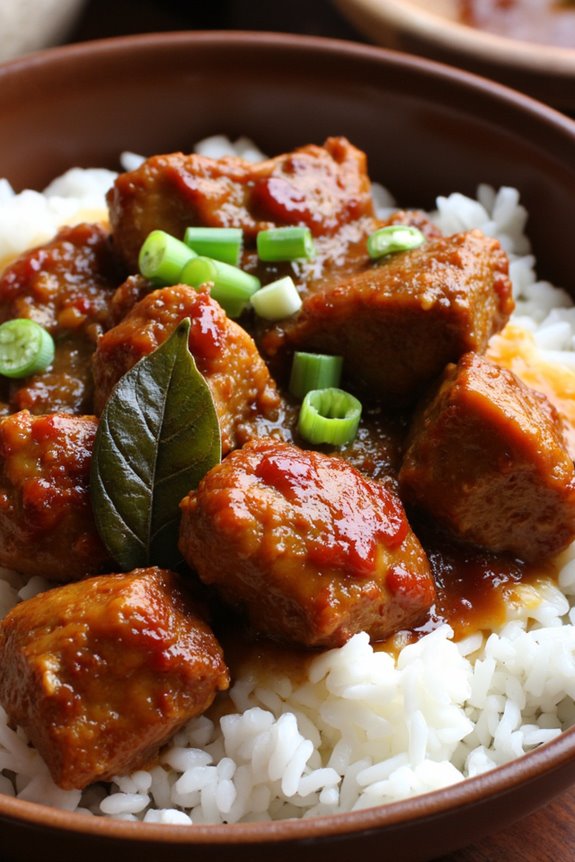
Spicy Adobo is a fiery twist on the classic Filipino dish that has gained immense popularity not only in the Philippines but around the world. This version utilizes a blend of traditional ingredients, such as soy sauce, vinegar, and garlic, while incorporating chili peppers to give it an extra kick. The balance of savory and spicy flavors makes it a favorite among those who crave a bit of heat in their meals.
When cooked slowly, the meat becomes tender and absorbs the rich flavors of the marinade, creating a deliciously complex profile that’s sure to impress. Preparing Spicy Adobo is relatively simple, making it an excellent choice for both novice cooks and seasoned chefs alike. The key to achieving the perfect dish lies in marinating the meat long enough for the spices and flavors to meld together.
Serve it hot with steamed rice, and you have a comforting meal that’s perfect for any occasion. Get ready to enjoy a bowl of Spicy Adobo that won’t only tantalize your taste buds but also warm your soul.
Ingredients (Serves 4-6):
- 2 lbs chicken thighs or pork belly, cut into chunks
- 1 cup soy sauce
- 1 cup white vinegar
- 1 head garlic, minced
- 3-4 Thai bird’s eye chili peppers, chopped (adjust to taste)
- 2 bay leaves
- 1 teaspoon black peppercorns
- 2 tablespoons brown sugar
- 2 tablespoons vegetable oil
- 1 cup water
- Salt, to taste
- Chopped green onions, for garnish (optional)
Cooking Instructions:
- Marinate the Meat: In a large bowl, combine the chicken or pork with soy sauce, vinegar, minced garlic, chopped chili peppers, bay leaves, black peppercorns, and brown sugar. Mix well and cover the bowl. Allow it to marinate in the refrigerator for at least 1 hour, or ideally overnight. This step is vital as it helps the meat absorb all the flavors.
- Sear the Meat: In a large pot or skillet, heat the vegetable oil over medium-high heat. Remove the meat from the marinade (reserve the marinade) and sear it in the hot oil until browned on all sides. This should take about 5-7 minutes. Searing adds depth of flavor to the dish.
- Add Marinade and Water: Once the meat is browned, pour the reserved marinade and 1 cup of water into the pot. Stir to combine, scraping any browned bits from the bottom of the pot. Bring the mixture to a boil.
- Simmer the Adobo: Reduce the heat to low, cover the pot, and let it simmer for about 30-45 minutes. Stir occasionally and check if the meat is tender. If needed, add a little more water to prevent it from drying out.
- Adjust Seasoning: After the meat is tender, taste the sauce and adjust seasoning with salt or additional sugar if desired. If you prefer a thicker sauce, you can remove the lid and let it simmer for an additional 10-15 minutes to reduce.
- Serve: Once the sauce has reached your desired consistency, remove the pot from heat. Serve the Spicy Adobo hot over steamed rice and garnish with chopped green onions if desired.
Extra Tips:
For an even spicier version of Spicy Adobo, consider adding more chili peppers or even incorporating a splash of chili oil into the marinade. If you like a bit of sweetness to balance the heat, feel free to increase the brown sugar in the recipe.
Additionally, using a combination of chicken and pork can add variety and richness to the dish. Enjoy your cooking and the delightful flavors of this beloved Filipino classic!
Adobo With Chayote

Adobo is one of the most beloved dishes in Filipino cuisine, known for its savory and tangy flavor profile. This particular variation, Adobo with Chayote, brings a delightful twist to the classic recipe by incorporating the mild, crisp texture of chayote. Not only does this addition enhance the nutritional value of the dish, but it also provides a revitalizing contrast to the bold flavors of the adobo sauce, making it a perfect option for family meals or gatherings.
Cooking Adobo with Chayote isn’t only easy but also allows for flexibility regarding ingredients. While traditional adobo is often prepared with pork or chicken, you can substitute or add proteins based on your preference. The marinating process infuses the meat with a deep flavor, while the chayote absorbs the rich sauce, providing a satisfying bite. This dish is best served with steamed rice, making it a hearty and complete meal.
Ingredients (Serves 4-6)
- 1 lb chicken (cut into pieces) or pork (cut into cubes)
- 2 medium chayote (peeled, pitted, and cut into wedges)
- 1/2 cup soy sauce
- 1/2 cup vinegar (preferably cane vinegar)
- 1/2 cup water
- 1 medium onion (sliced thinly)
- 4 cloves garlic (minced)
- 2-3 bay leaves
- 1 tsp black peppercorns
- 2 tablespoons cooking oil
- Salt and pepper to taste
- 1-2 green chili peppers (optional, for heat)
Cooking Instructions
- Marinate the Meat: In a large bowl, combine the chicken or pork pieces with soy sauce, vinegar, minced garlic, bay leaves, and black peppercorns. Mix well and let it marinate for at least 30 minutes, or longer if possible. This step is essential as it allows the meat to absorb the flavors, resulting in a richer taste.
- Sauté Onions: In a large pot or deep skillet, heat the cooking oil over medium heat. Add the sliced onions and sauté until they become translucent. This adds a sweet and aromatic base to the dish.
- Brown the Meat: Remove the meat from the marinade (reserve the marinade for later) and add it to the pot with the sautéed onions. Brown the meat on all sides for about 5-7 minutes. This step helps to seal in the juices and adds a nice caramelized flavor.
- Add Marinade and Simmer: Pour in the reserved marinade along with the water. Stir to combine, then bring the mixture to a boil. Once boiling, reduce the heat to low, cover the pot, and let it simmer for about 20-30 minutes, or until the meat is tender.
- Add Chayote: After the meat is tender, add the chayote wedges to the pot. Stir well and continue to simmer for an additional 10-15 minutes, or until the chayote is tender yet still crisp. If you’re using green chili peppers for extra heat, add them during this step.
- Adjust Seasoning: Taste the sauce and adjust the seasoning with salt and pepper as needed. If you prefer a stronger flavor, you can let it simmer uncovered for a few more minutes to reduce the sauce slightly.
- Serve: Once everything is cooked to your liking, remove the pot from heat. Serve the Adobo with Chayote hot over steamed rice, allowing the sauce to soak into the rice for a delicious meal.
Extra Tips
When cooking Adobo with Chayote, feel free to experiment with different proteins like beef or even tofu for a vegetarian option. You can also adjust the vinegar and soy sauce ratio to suit your taste preference. If you want a slightly thicker sauce, simmer uncovered towards the end of cooking.
Finally, consider letting the adobo sit for a few hours or even overnight in the refrigerator; the flavors will deepen and improve, making it taste even better the next day!
Adobo Rice

Adobo Rice is a delicious and flavorful dish that combines the rich, savory notes of traditional Filipino adobo with the comforting texture of rice. This dish is perfect for those who love the iconic flavors of adobo but want to enjoy it in a new and exciting way.
With tender grains of rice absorbing the tangy and umami notes from the adobo sauce, Adobo Rice can serve as a delightful side dish or an enticing main course. This recipe isn’t only easy to prepare but also allows you to utilize leftover adobo if you have any.
Whether you’re cooking from scratch or repurposing some adobo, this dish is sure to become a family favorite. It’s comforting, satisfying, and bursting with the classic Filipino flavors that everyone loves.
Ingredients (Serves 4-6 people):
- 2 cups jasmine or long-grain rice
- 4 cups chicken or vegetable broth
- 2 tablespoons cooking oil
- 1 onion, finely chopped
- 4 cloves garlic, minced
- 1 cup cooked adobo (chicken, pork, or tofu)
- 2 tablespoons soy sauce
- 1 tablespoon vinegar (white or cane)
- 1 bay leaf
- Salt and pepper to taste
- Chopped green onions or cilantro for garnish (optional)
Cooking Instructions:
1. Rinse the Rice: Begin by rinsing the jasmine or long-grain rice under cold water until the water runs clear. This step removes excess starch, ensuring that the rice cooks up fluffy rather than sticky. Drain the rice and set it aside.
2. Sauté Onions and Garlic: In a large pot or a deep saucepan, heat the cooking oil over medium heat. Once the oil is hot, add the chopped onions and sauté them until they become translucent, about 3-4 minutes.
Then, add the minced garlic and sauté for an additional 1-2 minutes until fragrant, being careful not to let the garlic burn.
3. Add Cooked Adobo: Stir in the cooked adobo, allowing it to heat through and release its flavors into the pot. If using leftover adobo, make sure to include the sauce as it enhances the dish’s taste. Cook for about 3-4 minutes, mixing well with the onions and garlic.
4. Combine Rice and Broth: Next, add the rinsed rice to the pot, stirring everything together. Pour in the chicken or vegetable broth, followed by the soy sauce, vinegar, and bay leaf.
Stir gently to combine all the ingredients, ensuring the rice is fully submerged in the liquid.
5. Cook the Rice: Bring the mixture to a boil over medium-high heat. Once boiling, reduce the heat to low, cover the pot with a lid, and let it simmer gently for about 18-20 minutes, or until the rice has absorbed all the liquid and is tender.
Avoid lifting the lid during this time to maintain steam.
6. Fluff and Garnish: After 20 minutes, turn off the heat and let the rice sit covered for another 5 minutes. Then, remove the lid and fluff the rice with a fork.
Season with salt and pepper to taste. If desired, garnish with chopped green onions or cilantro before serving.
Extra Tips:
For an added depth of flavor, consider toasting the rice for a few minutes in the pot before adding the broth. This simple technique enhances the nuttiness of the rice.
Additionally, feel free to customize the recipe by incorporating vegetables like peas or carrots for added texture and nutrition. If you prefer a spicier kick, you can also add sliced chili peppers during the sautéing step.
Enjoy your Adobo Rice as a main dish or alongside grilled meats for a complete meal!
