

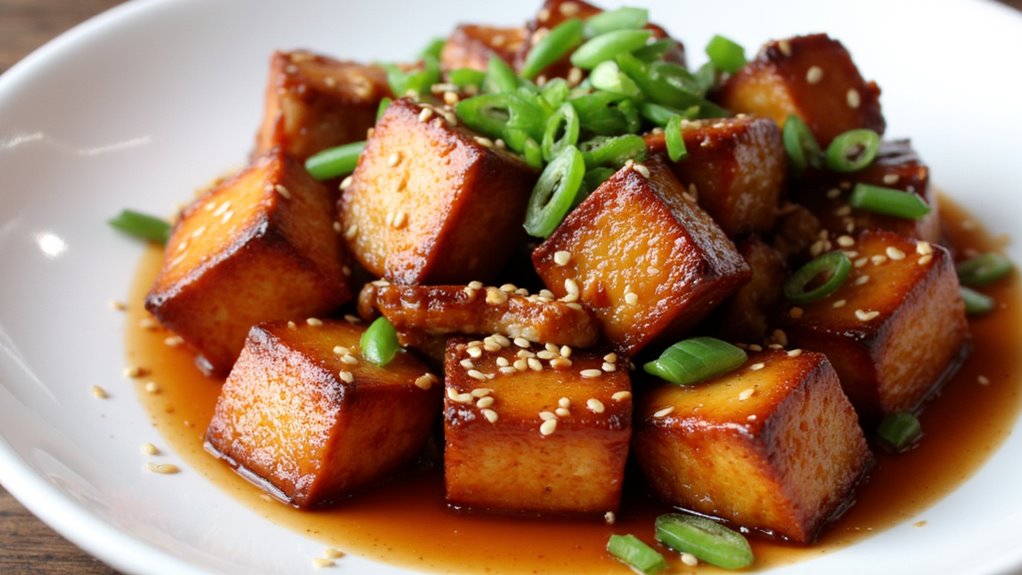
I’ve always loved the vibrant flavors and textures of Chinese cuisine. Discovering vegan recipes that bring balance to plant-based meals has been a delightful journey. From Kung Pao Tofu to Szechuan Noodles, each dish shows just how creative and satisfying vegan cooking can be. If you’re curious about crafting these delicious meals with health in mind, let’s explore these 14 inspiring recipes together.
Kung Pao Tofu
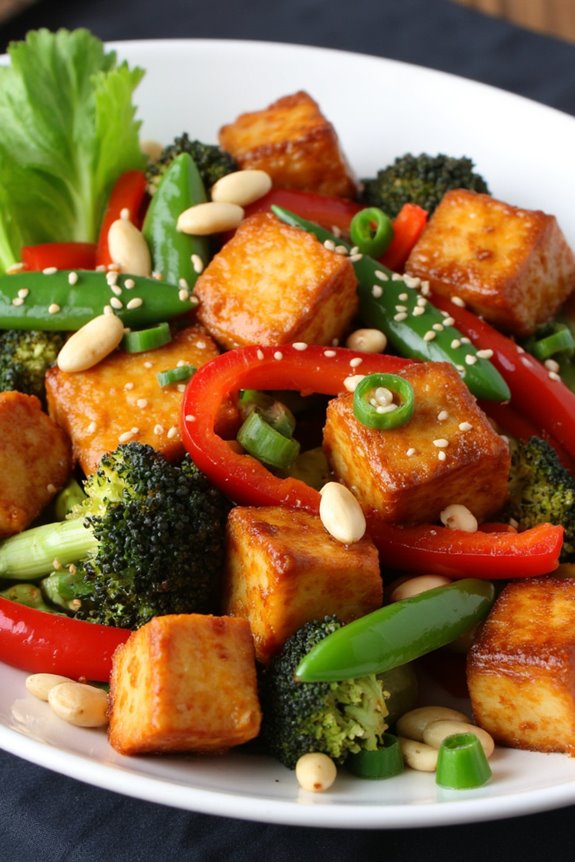
Kung Pao Tofu is a delicious vegan twist on the traditional Kung Pao Chicken, a famous Chinese dish known for its bold flavors and satisfying crunch. This recipe features crispy tofu, vibrant vegetables, and the signature spicy, tangy sauce that will make your taste buds dance. Perfect for a weeknight dinner or to impress your guests, this dish isn’t only easy to prepare but also packed with protein and nutrients.
The combination of marinated tofu, roasted peanuts, and a medley of colorful vegetables creates a satisfying meal that’s both hearty and healthy. If you’re looking for a dish that’s bound to be a hit at your dinner table, Kung Pao Tofu is the way to go. Serve it over steamed rice or noodles for a complete, comforting meal that everyone will love.
Ingredients (Serves 4-6):
- 1 block (14 oz) firm tofu, pressed and cubed
- 3 tablespoons soy sauce
- 2 tablespoons rice vinegar
- 1 tablespoon hoisin sauce
- 1 tablespoon sesame oil
- 2 tablespoons cornstarch
- 1 tablespoon vegetable oil
- 1 bell pepper (red or green), diced
- 1 cup broccoli florets
- 1 cup snap peas or snow peas
- 4 green onions, chopped
- 2 cloves garlic, minced
- 1 tablespoon fresh ginger, grated
- 1-2 teaspoons red pepper flakes (adjust to taste)
- 1/2 cup roasted peanuts
- Sesame seeds for garnish (optional)
Cooking Instructions:
- Prepare the Tofu: Start by pressing the tofu to remove excess moisture. Wrap the block of tofu in a clean kitchen towel and place a heavy object on top for about 15-20 minutes. Once pressed, cut the tofu into bite-sized cubes.
- Marinate the Tofu: In a bowl, combine 2 tablespoons of soy sauce, rice vinegar, hoisin sauce, and sesame oil. Add the cubed tofu and gently toss to coat. Let it marinate for at least 20 minutes, allowing the flavors to penetrate the tofu.
- Coat the Tofu: After marinating, sprinkle the cornstarch over the tofu cubes. Toss gently to guarantee each piece is evenly coated. This will give the tofu a crispy texture when cooked.
- Cook the Tofu: Heat vegetable oil in a large skillet or wok over medium-high heat. Once hot, add the tofu cubes in a single layer, ensuring they’re not overcrowded. Cook for about 4-5 minutes on each side until golden and crispy. Remove the tofu from the pan and set aside.
- Stir-fry the Vegetables: In the same skillet, add a little more oil if necessary. Add the diced bell pepper, broccoli florets, and snap peas. Stir-fry for about 3-4 minutes until the vegetables are tender-crisp.
- Add Aromatics: Add the minced garlic, grated ginger, and red pepper flakes to the skillet. Stir-fry for an additional 1-2 minutes until fragrant.
- Combine Everything: Return the crispy tofu to the skillet with the vegetables. Pour in the remaining tablespoon of soy sauce and stir to combine everything well. Cook for another 2-3 minutes to heat through.
- Finish the Dish: Add the roasted peanuts and chopped green onions, mixing well. Cook for an additional minute to warm the peanuts.
- Serve: Transfer the Kung Pao Tofu to a serving platter, garnish with sesame seeds if desired, and serve hot over steamed rice or noodles.
Extra Tips:
To enhance the flavor of your Kung Pao Tofu, consider adding a splash of chili oil for extra heat or a sprinkle of sesame oil just before serving for added depth. You can also customize the dish with your favorite vegetables, such as carrots or zucchini.
Preparing the tofu ahead of time and marinating it longer can also intensify the flavor, making for an even more delightful meal. Enjoy your culinary adventure!
Vegan Mapo Tofu
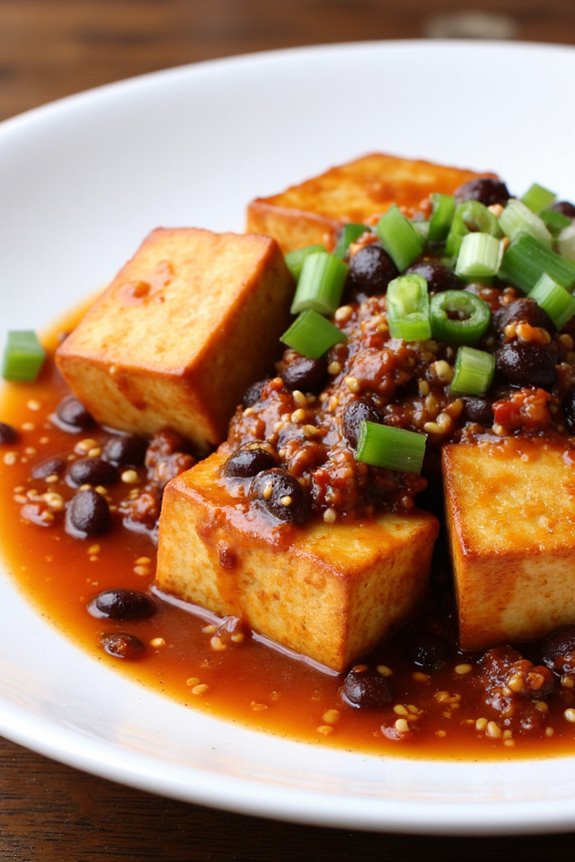
Vegan Mapo Tofu is a plant-based twist on a classic Chinese dish that traditionally features minced meat and spicy bean sauce. This vegan version swaps out the meat for soft tofu, making it not only delicious but also suitable for those following a vegan or vegetarian diet. The rich, spicy sauce infused with garlic, ginger, and fermented black beans complements the creamy texture of the tofu, creating a dish that’s both satisfying and flavorful.
Whether you’re a long-time fan of Mapo Tofu or trying it for the first time, this vegan adaptation is sure to impress. It captures the essence of Sichuan cuisine with its bold flavors and fragrant spices. Serve it over steamed rice or alongside stir-fried vegetables for a complete meal that everyone will enjoy.
Ingredients (serves 4-6):
- 1 block (14 oz) firm tofu
- 2 tablespoons vegetable oil
- 4 cloves garlic, minced
- 1 tablespoon ginger, minced
- 1/2 cup minced onion
- 2 tablespoons fermented black beans, rinsed and mashed
- 1 tablespoon doubanjiang (Sichuan chili bean paste)
- 1 tablespoon soy sauce
- 1 tablespoon rice vinegar
- 1 teaspoon sesame oil
- 1 cup vegetable broth
- 1 tablespoon cornstarch mixed with 2 tablespoons water
- 1 green onion, chopped (for garnish)
- Cooked rice (for serving)
Cooking Instructions:
- Prepare the Tofu: Start by draining the firm tofu and pressing it gently to remove excess moisture. Cut the tofu into bite-sized cubes and set aside. This helps the tofu absorb more flavor during cooking.
- Heat the Oil: In a large non-stick skillet or wok, heat the vegetable oil over medium-high heat. Once the oil is hot, it’s time to sauté your aromatics.
- Sauté Aromatics: Add the minced garlic, ginger, and onion to the skillet. Stir-fry for about 2-3 minutes until fragrant and the onion is translucent. This step builds the flavor base for your sauce.
- Add Fermented Black Beans and Spices: Stir in the mashed fermented black beans and doubanjiang (chili bean paste). Cook for another 1-2 minutes, allowing the spices to release their flavors and infuse the oil.
- Combine Sauce Ingredients: Pour in the soy sauce, rice vinegar, and sesame oil, followed by the vegetable broth. Stir well to combine all the ingredients, creating a rich sauce.
- Add Tofu: Gently add the tofu cubes to the skillet, being careful not to break them apart. Stir gently to coat the tofu with the sauce. Let it simmer for about 5 minutes, allowing the tofu to soak in the flavors.
- Thicken the Sauce: Stir in the cornstarch mixed with water, and continue to simmer for another 2-3 minutes until the sauce thickens to your desired consistency. This will give the dish a nice glossy finish.
- Serve the Dish: Once ready, remove from heat and garnish with chopped green onions. Serve the Vegan Mapo Tofu hot over a bed of cooked rice. Enjoy your delicious meal!
Extra Tips:
For an extra layer of flavor, consider adding some chopped bell peppers or mushrooms to the sautéed aromatics.
If you like it spicier, feel free to add a pinch of ground Sichuan peppercorn for that signature numbing heat.
Adjust the consistency of the sauce to your preference by varying the amount of vegetable broth and cornstarch mixture used. Enjoy your cooking experience and don’t hesitate to experiment with the ingredients!
Sweet and Sour Cauliflower
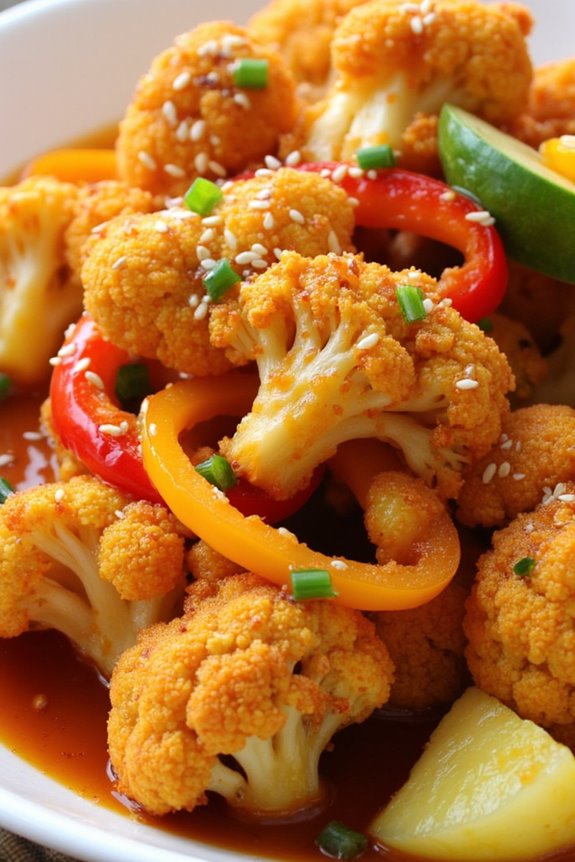
Sweet and Sour Cauliflower is a delightful twist on a classic dish, perfect for those who crave the tangy and vibrant flavors associated with traditional Chinese cuisine. This vegan version uses cauliflower as the star ingredient, which isn’t only a great source of nutrients but also absorbs the sweet and sour sauce beautifully.
The dish is easy to prepare, making it a fantastic option for a weeknight dinner or a gathering with friends and family. The combination of crispy cauliflower and a luscious sauce makes this dish a crowd-pleaser, regardless of dietary preferences. It’s a great way to introduce more vegetables into your meals without sacrificing flavor.
Serve it over a bed of fluffy rice or alongside steamed vegetables for a complete meal that everyone will enjoy.
Ingredients (Serves 4-6):
- 1 large head of cauliflower, cut into bite-sized florets
- 1 cup all-purpose flour
- 1 cup cornstarch
- 1 teaspoon garlic powder
- 1 teaspoon onion powder
- 1 teaspoon salt
- 1 cup water
- Vegetable oil (for frying)
- 1 cup bell peppers (red, yellow, or green), chopped
- 1 cup pineapple chunks (fresh or canned)
- 1/2 cup sugar
- 1/2 cup rice vinegar
- 1/4 cup soy sauce (or tamari for gluten-free)
- 1 tablespoon ketchup
- 1 teaspoon sesame oil
- 1 tablespoon cornstarch mixed with 2 tablespoons water (for thickening)
- Sesame seeds (for garnish)
- Green onions, chopped (for garnish)
Cooking Instructions:
- Prepare the Cauliflower: Begin by washing and cutting the cauliflower into bite-sized florets. Make sure they’re even in size for uniform cooking. Pat them dry with a paper towel to remove excess moisture, which helps them crisp up better when fried.
- Make the Batter: In a mixing bowl, combine the all-purpose flour, cornstarch, garlic powder, onion powder, and salt. Gradually add the water while whisking until a smooth batter forms. The batter should be thick enough to coat the cauliflower florets without dripping off.
- Fry the Cauliflower: In a deep skillet or pot, heat vegetable oil over medium-high heat. Once the oil is hot, dip each cauliflower floret into the batter, allowing excess batter to drip off, and carefully place them in the hot oil. Fry in batches until golden brown and crispy, about 4-5 minutes per batch. Use a slotted spoon to transfer them to a paper towel-lined plate to drain excess oil.
- Prepare the Sweet and Sour Sauce: In a saucepan, combine the sugar, rice vinegar, soy sauce, ketchup, and sesame oil. Bring to a simmer over medium heat, stirring occasionally until the sugar dissolves.
- Thicken the Sauce: Once the mixture is simmering, add the cornstarch slurry (the mixture of cornstarch and water) to the saucepan. Stir continuously until the sauce thickens, about 1-2 minutes. Remove from heat.
- Combine Ingredients: In a large mixing bowl, toss the fried cauliflower, chopped bell peppers, and pineapple chunks with the sweet and sour sauce until everything is well coated.
- Serve: Transfer the sweet and sour cauliflower to a serving dish. Garnish with sesame seeds and chopped green onions for a fresh touch. Serve hot over rice or with your favorite side dishes.
Extra Tips: When frying the cauliflower, verify that the oil is at the right temperature; if it’s not hot enough, the batter will absorb too much oil and become soggy. You can test the oil by dropping a small amount of batter into it; if it sizzles and rises to the surface, the oil is ready.
Additionally, feel free to customize the vegetables in this recipe; adding snap peas, carrots, or broccoli can enhance the dish’s flavor and nutritional value.
Szechuan Noodles With Vegetables
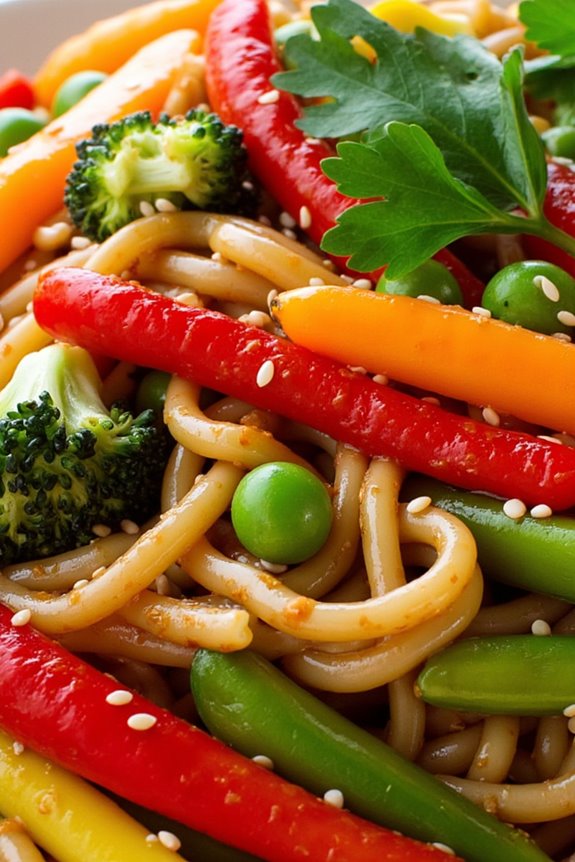
Szechuan Noodles with Vegetables is a vibrant and spicy dish that offers a delightful combination of flavors and textures. This recipe is inspired by the bold and aromatic cuisine of Szechuan province in China, known for its liberal use of spices, particularly the iconic Szechuan peppercorns. This vegan dish is perfect for those looking for a hearty meal that’s both satisfying and packed with vegetables, making it a great option for any occasion.
The beauty of Szechuan Noodles lies in its versatility. You can easily customize it by adding your favorite vegetables or adjusting the spice level to suit your taste. The noodles are coated in a rich and flavorful sauce made from soy sauce, chili paste, and sesame oil, complemented by a medley of colorful vegetables. This dish not only tantalizes your taste buds but also provides a nutritious meal that’s sure to impress family and friends.
Ingredients (Serves 4-6)
- 12 oz Szechuan noodles (or any thin noodles)
- 2 tablespoons vegetable oil
- 1 cup bell peppers, sliced (red, green, and yellow)
- 1 cup broccoli florets
- 1 cup snap peas
- 1 medium carrot, julienned
- 4 green onions, chopped
- 3 cloves garlic, minced
- 1 tablespoon fresh ginger, minced
- 3 tablespoons soy sauce
- 1 tablespoon Szechuan chili paste (adjust to taste)
- 1 tablespoon sesame oil
- 1 tablespoon rice vinegar
- 1 teaspoon sugar
- Salt and pepper to taste
- Sesame seeds for garnish (optional)
- Fresh cilantro for garnish (optional)
Cooking Instructions
- Cook the Noodles: Start by boiling a large pot of water. Add the Szechuan noodles and cook according to the package instructions until al dente. Once cooked, drain the noodles and rinse them under cold water to stop the cooking process. Set aside.
- Prepare the Sauce: In a small bowl, combine soy sauce, Szechuan chili paste, sesame oil, rice vinegar, and sugar. Mix well until the sugar dissolves completely. This sauce will be the flavor base for your noodles.
- Sauté the Vegetables: In a large skillet or wok, heat vegetable oil over medium-high heat. Once hot, add minced garlic and ginger, sautéing for about 30 seconds until fragrant. Then, add the sliced bell peppers, broccoli florets, snap peas, and julienned carrots. Stir-fry the vegetables for about 5-7 minutes until they’re tender but still crisp.
- Combine Noodles and Sauce: Add the cooked noodles to the skillet with the sautéed vegetables. Pour the prepared sauce over the noodles and toss everything together gently to guarantee the noodles and vegetables are well coated. Cook for an additional 2-3 minutes to heat through.
- Season and Serve: Taste the noodles and adjust the seasoning with salt and pepper if necessary. Once everything is heated through, remove from heat. Garnish with chopped green onions, sesame seeds, and fresh cilantro if desired. Serve hot and enjoy your delicious Szechuan Noodles with Vegetables!
Extra Tips
When preparing Szechuan Noodles with Vegetables, feel free to experiment with different vegetables based on what you have on hand or your personal preferences.
For added protein, consider including tofu or tempeh, which can be sautéed alongside the vegetables. Additionally, to enhance the flavor even more, you can let the sauce marinate with the vegetables for a few minutes before adding the noodles.
Adjust the spice level by varying the amount of Szechuan chili paste, guaranteeing the dish suits your taste perfectly. Enjoy your cooking adventure!
Vegetable Fried Rice
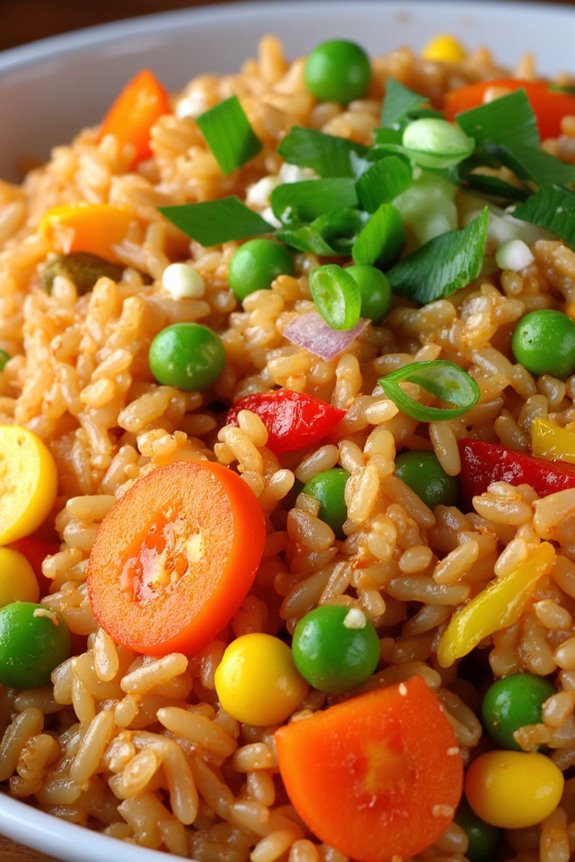
Vegetable Fried Rice is a beloved dish that embodies the essence of Chinese cuisine while being completely plant-based. This vibrant and colorful dish isn’t only easy to prepare but also incredibly versatile, allowing you to incorporate a variety of vegetables you have on hand. It’s a fantastic way to use up leftover rice and packed with nutrients, making it a healthy meal option for both vegans and non-vegans alike.
The key to perfect Vegetable Fried Rice lies in the technique. Start with cold, day-old rice, as it prevents the grains from sticking together and guarantees a delightful texture. The combination of fresh vegetables and aromatic seasonings creates a savory dish that can be enjoyed on its own or as a side. This recipe serves 4-6 people, making it ideal for family dinners or meal prep for the week ahead.
Ingredients
- 4 cups cooked and cooled jasmine rice (preferably day-old)
- 1 cup mixed vegetables (carrots, peas, corn, bell peppers, chopped)
- 1 medium onion, diced
- 3 cloves garlic, minced
- 2 tablespoons soy sauce (or tamari for gluten-free)
- 1 tablespoon sesame oil
- 1 tablespoon vegetable oil
- 1 teaspoon ginger, grated
- 3 green onions, chopped (for garnish)
- Salt and pepper to taste
Cooking Instructions
- Prepare the Ingredients: Gather all your vegetables and chop them into small, uniform pieces. Having everything prepped and ready to go will make cooking quicker and easier. If you’re using leftover rice, confirm it’s broken up and not clumped together.
- Heat the Oil: In a large skillet or wok, heat the vegetable oil over medium-high heat. Allow the oil to get hot before adding the ingredients; this helps in creating a nice stir-fry effect.
- Sauté the Aromatics: Add the diced onion and minced garlic to the hot oil. Sauté for about 2-3 minutes until the onion becomes translucent and the garlic is fragrant. Be careful not to burn the garlic, as it can turn bitter.
- Add the Vegetables: Toss in your mixed vegetables and grated ginger. Stir-fry for another 3-4 minutes until the vegetables are tender but still crisp. This step guarantees you get a good mix of flavors and textures in your fried rice.
- Incorporate the Rice: Add the cooked rice to the skillet, breaking up any clumps as you mix. Stir everything together, confirming the rice is well-coated with the oil and vegetables.
- Season the Dish: Pour in the soy sauce and sesame oil, stirring to distribute evenly. Taste and adjust seasoning with salt and pepper as needed. The soy sauce should add enough saltiness, so be cautious not to over-salt.
- Final Touches: Cook for an additional 2-3 minutes, allowing the flavors to meld together and the rice to heat through. If desired, you can add a splash of water to help steam the rice if it’s not heating up well.
- Serve and Garnish: Once everything is thoroughly mixed and heated, remove from heat. Transfer the Vegetable Fried Rice to a serving dish and garnish with chopped green onions.
Extra Tips
When preparing Vegetable Fried Rice, feel free to customize the recipe based on your preferences or what you have available. You can add tofu or tempeh for extra protein, or toss in some chopped nuts for added crunch.
For a bit of heat, consider adding chili sauce or crushed red pepper flakes. Always remember that using cold, day-old rice is key to achieving that perfect fried rice texture, so plan ahead! Enjoy your delicious and nutritious Vegetable Fried Rice!
Vegan Dumplings
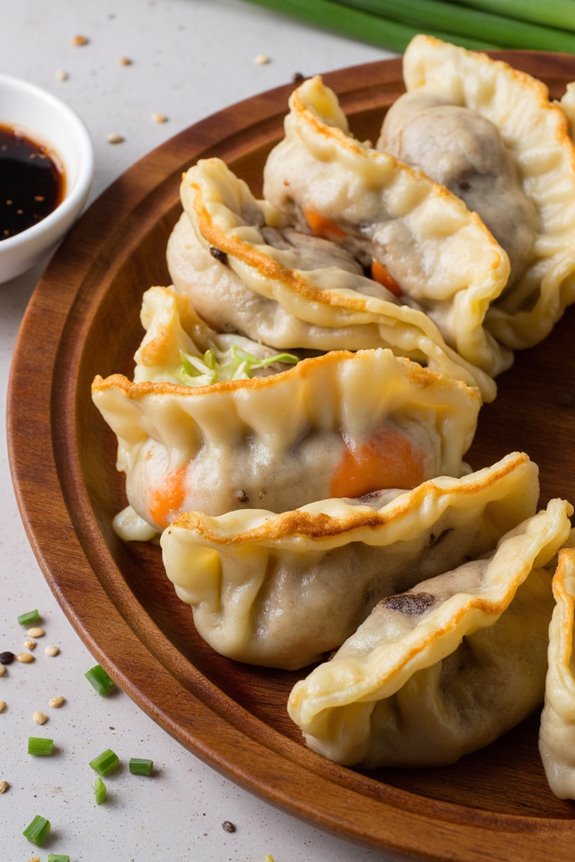
Vegan dumplings are a delightful and versatile dish that showcases the rich flavors of Chinese cuisine while being completely plant-based. These dumplings can be filled with an array of fresh vegetables, mushrooms, and herbs, offering a satisfying bite that’s both nutritious and delicious. They can be steamed, boiled, or pan-fried, making them a versatile option for any occasion—whether you’re preparing a family meal or hosting a gathering with friends.
This recipe will guide you through creating your own vegan dumplings from scratch. The tender dough is filled with a savory mix of ingredients, allowing you to customize the filling to suit your tastes. Serve them with a simple dipping sauce, and you’ll have a dish that’s certain to impress even the most discerning palates. This recipe yields about 4-6 servings, perfect for sharing or for meal prepping!
Ingredients:
- 2 cups all-purpose flour
- ½ cup hot water
- 1 cup finely chopped cabbage
- 1 cup finely chopped mushrooms (shiitake or button)
- ½ cup grated carrots
- ½ cup chopped green onions
- 2 cloves garlic, minced
- 1 tablespoon ginger, minced
- 2 tablespoons soy sauce
- 1 tablespoon sesame oil
- Salt and pepper to taste
- Extra flour for dusting
Cooking Instructions:
- Make the Dumpling Dough: In a mixing bowl, combine the all-purpose flour and hot water. Stir until a rough dough forms. Once it’s cool enough to handle, knead the dough on a floured surface for about 5-7 minutes until smooth. Cover with a damp cloth and let it rest for at least 30 minutes.
- Prepare the Filling: In a large skillet over medium heat, add a splash of oil. Sauté the garlic and ginger for about 30 seconds until fragrant. Add the chopped cabbage, mushrooms, and carrots, cooking for about 5-7 minutes until softened. Stir in the green onions, soy sauce, sesame oil, salt, and pepper. Cook for an additional 2 minutes, then remove from heat and let the mixture cool.
- Roll Out the Dough: After the dough has rested, divide it into smaller pieces (about 10-12 pieces). Roll each piece into a ball, then flatten it into a circle about 3 inches in diameter on a floured surface. Dust with extra flour to prevent sticking.
- Fill the Dumplings: Place about a tablespoon of the cooled vegetable filling in the center of each dough circle. Moisten the edges with water, then fold the dough over the filling to create a half-moon shape. Press the edges together firmly to seal, making sure there are no air pockets. You can pleat the edges for a decorative touch if desired.
- Cook the Dumplings: You can choose to steam, boil, or pan-fry the dumplings. For steaming, place them in a steamer basket lined with parchment paper and steam for about 10-12 minutes. For boiling, drop them into a pot of boiling water and cook for 5-6 minutes. For pan-frying, heat a tablespoon of oil in a skillet, add the dumplings gently, and fry until golden on the bottom. Then add a splash of water, cover, and steam for 5-7 minutes.
- Serve: Once cooked, serve the dumplings hot with your choice of dipping sauce, such as soy sauce mixed with a little rice vinegar or chili oil.
Extra Tips: When making vegan dumplings, feel free to experiment with different fillings based on your preferences. You can add tofu, seitan, or even other vegetables like spinach or bell peppers.
Additionally, if you’re short on time, you can use store-bought dumpling wrappers instead of making the dough from scratch. Always verify the filling is well-seasoned to enhance the flavor, and don’t skip the resting time for the dough, as it helps to achieve a tender bite. Enjoy your cooking adventure!
Spicy Garlic Eggplant
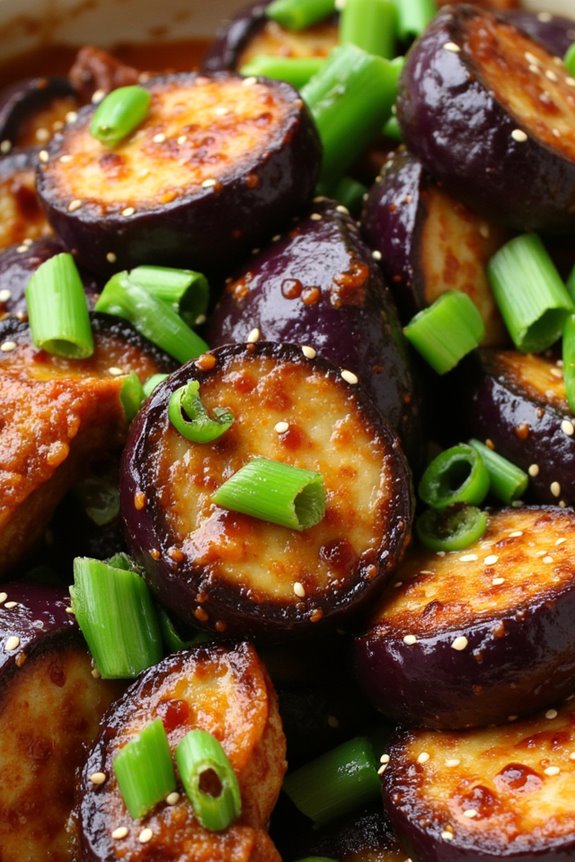
Spicy Garlic Eggplant is a classic dish in Chinese cuisine, celebrated for its bold flavors and satisfying texture. This vegan version highlights the natural sweetness of eggplant, melded with a spicy garlic sauce that elevates the dish to new heights. Perfect as a side or main dish, it’s a fantastic option for those looking to enjoy a flavorful meal without any animal products. The combination of soy sauce, chili paste, and fresh garlic creates a harmonious balance that will leave your taste buds dancing.
This dish isn’t only rich in flavor but also packed with nutrients. Eggplants are low in calories yet high in fiber, making them a great addition to any meal. When cooked properly, they become tender and absorb the flavors of the surrounding ingredients beautifully. Whether you’re serving it alongside rice or noodles, Spicy Garlic Eggplant is sure to be a hit at your dinner table.
Ingredients (Serves 4-6)
- 2 large eggplants, cut into bite-sized pieces
- 3 tablespoons vegetable oil
- 6 cloves garlic, minced
- 1 tablespoon ginger, minced
- 2 tablespoons soy sauce
- 1 tablespoon chili paste (adjust to taste)
- 1 tablespoon rice vinegar
- 1 tablespoon sugar
- 1 teaspoon sesame oil
- 2 green onions, chopped
- Sesame seeds for garnish (optional)
Cooking Instructions
- Prepare the Eggplant: Start by washing the eggplants and cutting them into bite-sized pieces. If you prefer a less bitter taste, you can sprinkle them with salt and let them sit for about 30 minutes. This will draw out excess moisture. Rinse and pat dry before cooking.
- Heat the Oil: In a large skillet or wok, heat the vegetable oil over medium-high heat. Confirm the oil is hot before adding the eggplant to help achieve a crispy texture.
- Cook the Eggplant: Once the oil is hot, add the eggplant pieces in a single layer. Cook for about 5-7 minutes, turning occasionally, until they’re golden brown and tender. You may need to do this in batches depending on the size of your skillet.
- Sauté Garlic and Ginger: Lower the heat to medium and add the minced garlic and ginger to the skillet. Sauté for about 1-2 minutes until fragrant, being careful not to burn them.
- Add the Sauce: In a small bowl, whisk together the soy sauce, chili paste, rice vinegar, and sugar. Pour this mixture over the eggplant and stir well to coat all the pieces evenly. Cook for another 3-4 minutes, allowing the sauce to thicken slightly.
- Finish with Sesame Oil and Green Onions: Drizzle the sesame oil over the dish and toss in the chopped green onions. Cook for an additional minute to warm through.
- Serve: Transfer the Spicy Garlic Eggplant to a serving dish and garnish with sesame seeds if desired. Serve hot with steamed rice or noodles.
Extra Tips
When preparing Spicy Garlic Eggplant, it’s important to choose the right eggplants; look for ones that are firm and glossy with a vibrant color. If you prefer a milder sauce, you can reduce the amount of chili paste or use a milder variety.
Additionally, feel free to add other vegetables like bell peppers or broccoli to the dish for added texture and nutrition. Enjoy experimenting with this versatile recipe, and don’t hesitate to adjust the flavors to suit your palate!
Buddha’s Delight
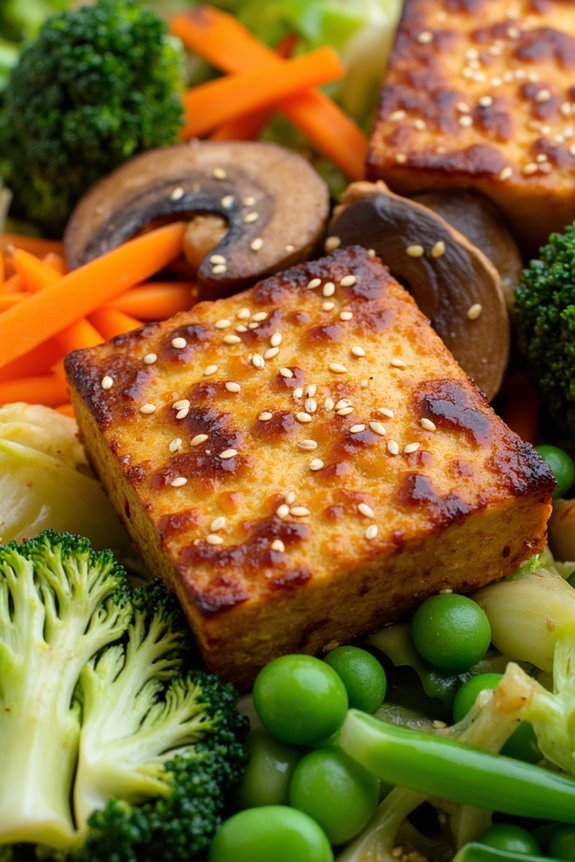
Buddha’s Delight, also known as Luohan Zhai, is a traditional Chinese vegetarian dish that showcases a harmonious blend of vibrant vegetables and tofu, often enjoyed during the Lunar New Year and other festive occasions. This delightful stir-fry isn’t only visually appealing but also packed with nutrients, making it a wholesome choice for vegans and vegetarians alike.
The combination of flavors and textures—from crisp vegetables to chewy mushrooms and tender tofu—creates a dish that’s both satisfying and fulfilling. The beauty of Buddha’s Delight lies in its versatility, as it can be customized to include various vegetables depending on the season or personal preference.
This recipe will guide you through preparing a classic version of Buddha’s Delight that serves 4 to 6 people. Gather your ingredients and get ready to experience a taste of this beloved Chinese dish that’s sure to please everyone at the table.
Ingredients
- 1 cup shiitake mushrooms, sliced
- 1 cup bok choy, chopped
- 1 cup snow peas, trimmed
- 1 cup carrots, julienned
- 1 cup broccoli florets
- 1 cup firm tofu, cubed
- 1 tablespoon fresh ginger, minced
- 3 cloves garlic, minced
- 3 tablespoons soy sauce
- 2 tablespoons vegetable oil
- 1 tablespoon sesame oil
- 1 tablespoon cornstarch (optional, for thickening)
- 1/4 cup vegetable broth or water
- Salt and pepper to taste
- Sesame seeds for garnish (optional)
Cooking Instructions
- Prepare the Tofu: Start by pressing the tofu to remove excess moisture. Wrap the tofu block in a clean kitchen towel and place a heavy object on top for about 15-20 minutes. Once pressed, cut the tofu into bite-sized cubes. This helps the tofu absorb more flavor during cooking.
- Stir-Fry the Tofu: Heat 1 tablespoon of vegetable oil in a large skillet or wok over medium-high heat. Add the cubed tofu and stir-fry until golden brown on all sides, about 5-7 minutes. Remove the tofu from the pan and set it aside. This step enhances the texture of the tofu, giving it a nice crispy exterior.
- Sauté Aromatics: In the same pan, add the remaining tablespoon of vegetable oil. Once hot, add minced ginger and garlic, sautéing for about 30 seconds until fragrant. This step builds the foundational flavors of the dish and adds depth.
- Add Vegetables: Next, add the carrots, broccoli, and snow peas to the pan. Stir-fry for about 3-4 minutes until the vegetables begin to soften but still retain their crunch. Then, add the bok choy and shiitake mushrooms, cooking for an additional 2-3 minutes. This guarantees that all the vegetables are cooked evenly and remain vibrant.
- Combine Ingredients: Return the cooked tofu to the pan with the vegetables. In a small bowl, mix the soy sauce, vegetable broth, and cornstarch (if using) to create a sauce. Pour the sauce over the tofu and vegetables, stirring well to combine. Cook for another 2-3 minutes or until everything is heated through and the sauce has thickened slightly. This step allows the flavors to meld together beautifully.
- Finishing Touches: Drizzle the sesame oil over the stir-fry, and season with salt and pepper to taste. Toss everything gently to guarantee an even coating of the sauce. Finally, remove the pan from heat and garnish with sesame seeds if desired.
Extra Tips
When preparing Buddha’s Delight, feel free to experiment with different vegetables based on what you have available or what’s in season. Other great additions include bell peppers, baby corn, and bean sprouts.
For added protein, you can also include edamame or chickpeas. If you prefer a spicier kick, consider adding some red pepper flakes or a splash of chili oil. This dish is best served hot over steamed rice or noodles for a complete meal. Enjoy your culinary adventure in making this vibrant and nutritious dish!
Vegan Hot and Sour Soup
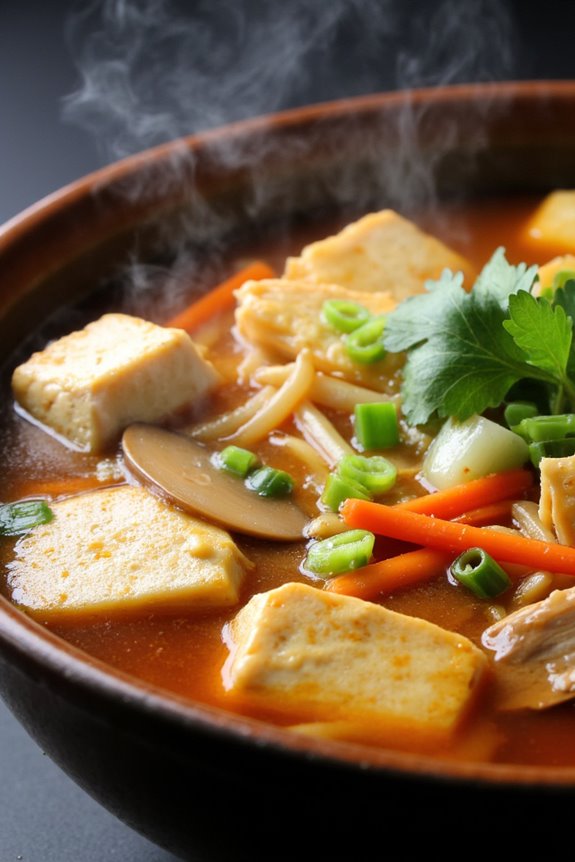
Vegan Hot and Sour Soup is a delightful and warming dish that brings together the perfect harmony of spicy, tangy, and savory flavors. This beloved Chinese soup is traditionally made with meat, but this vegan version substitutes with rich vegetables and mushrooms, creating a hearty dish that’s both satisfying and healthy.
The combination of ingredients, including tofu and bamboo shoots, provides a wonderful texture, while a blend of spices delivers an invigorating heat and sourness that tantalizes the taste buds. This soup isn’t only easy to prepare but also highly customizable based on your preferences.
Whether you prefer a little more heat or an extra tang, you can adjust the seasonings to suit your palate. It’s an excellent choice for a cozy dinner or as a starter for a larger meal. Let’s plunge into making this delicious Vegan Hot and Sour Soup that serves 4-6 people!
Ingredients:
- 8 cups vegetable broth
- 1 cup firm tofu, diced
- 1 cup shiitake mushrooms, sliced
- 1 cup bamboo shoots, drained and sliced
- 1 cup wood ear mushrooms, rehydrated and chopped
- 1 cup carrots, julienned
- 1 cup green onions, chopped
- 2 cloves garlic, minced
- 1 tablespoon fresh ginger, grated
- 3 tablespoons soy sauce
- 2 tablespoons rice vinegar
- 1-2 tablespoons chili paste (to taste)
- 1 tablespoon cornstarch mixed with 2 tablespoons water (slurry)
- 1 teaspoon sesame oil
- Salt and pepper to taste
- Fresh cilantro for garnish (optional)
Cooking Instructions:
1. Prepare the Vegetables: Begin by washing and slicing your vegetables. Julienne the carrots, chop the green onions, and slice the shiitake and wood ear mushrooms. Make sure to drain and slice the bamboo shoots if they’re canned.
This preparation will guarantee that you can easily add them to the soup as you cook.
2. Sauté Aromatics: In a large pot, heat a tablespoon of sesame oil over medium heat. Add the minced garlic and grated ginger to the pot. Sauté for about 1 minute until fragrant, being careful not to burn the garlic.
This step builds a flavorful base for your soup.
3. Add Broth and Vegetables: Pour in the vegetable broth and bring it to a boil. Once boiling, add the sliced shiitake mushrooms, bamboo shoots, wood ear mushrooms, and julienned carrots.
Let it cook for about 5-7 minutes, allowing the vegetables to soften while infusing the broth with their flavors.
4. Incorporate Tofu and Seasonings: Gently add the diced tofu to the pot along with the soy sauce, rice vinegar, and chili paste. Stir well to combine all the ingredients.
This is where the hot and sour flavors begin to develop, so taste and adjust the seasoning if necessary.
5. Thicken the Soup: As the soup simmers, mix the cornstarch with water to make a slurry. Gradually stir the slurry into the soup to thicken it slightly.
Allow the soup to simmer for another 2-3 minutes, making sure it reaches your desired thickness.
6. Final Adjustments: Taste the soup one last time, adjusting the salt and pepper as needed. If you prefer a spicier kick, feel free to add more chili paste at this stage.
Once satisfied, remove the pot from heat.
7. Serve and Garnish: Ladle the hot soup into bowls and garnish with chopped green onions and fresh cilantro if desired. Serve immediately and enjoy the vibrant flavors of this vegan delight!
Extra Tips:
When making Vegan Hot and Sour Soup, consider adding additional vegetables like bell peppers or spinach for extra flavor and nutrition.
For an even more authentic taste, try using fresh ingredients like chili peppers instead of chili paste, or opt for a splash of lime juice to enhance the sour element.
The beauty of this recipe lies in its versatility, so feel free to experiment with different vegetables or spice levels to create your perfect bowl of soup!
Mongolian Tofu
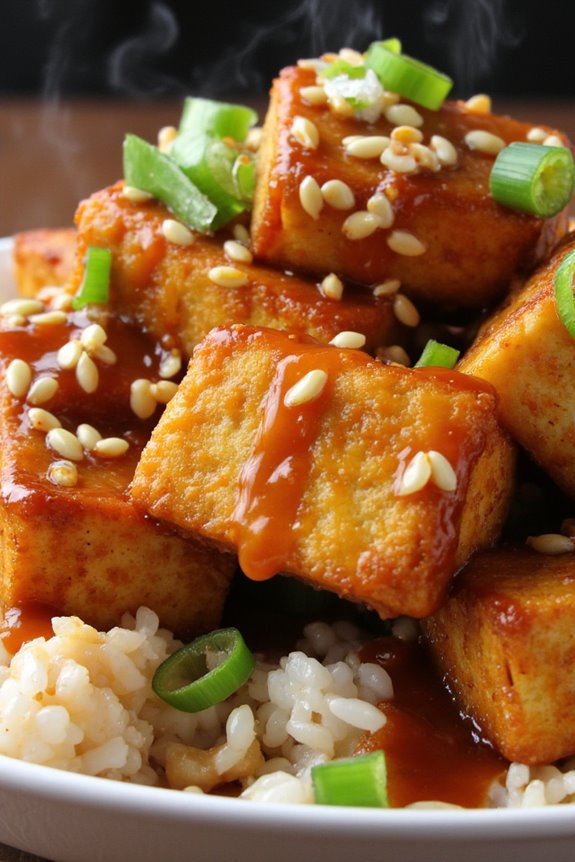
Mongolian Tofu is a delightful vegan twist on the classic Mongolian beef dish, offering the same bold flavors and satisfying texture without the use of meat. This dish showcases crispy tofu sautéed in a savory sauce made from soy sauce, garlic, and ginger.
With the addition of green onions and a hint of sweetness, Mongolian Tofu isn’t only easy to prepare but also a perfect dish to impress your family and friends. Serve it over rice or noodles, and you’ll have a delicious meal that’s both healthy and satisfying.
This recipe is designed to serve 4-6 people, making it an excellent choice for a family dinner or a gathering. The combination of crispy tofu and rich, flavorful sauce will surely be a hit at any table.
Let’s explore the ingredients and cooking instructions that will guide you through creating this mouthwatering dish.
Ingredients:
- 1 block (14 oz) firm tofu, pressed and cubed
- 3 tablespoons cornstarch
- 3 tablespoons vegetable oil
- 1 tablespoon fresh ginger, minced
- 4 cloves garlic, minced
- 1/3 cup soy sauce (low sodium preferred)
- 2 tablespoons brown sugar
- 1 tablespoon rice vinegar
- 1 teaspoon sesame oil
- 1 cup green onions, chopped (white and green parts separated)
- 1 teaspoon crushed red pepper flakes (optional)
- Cooked rice or noodles for serving
Cooking Instructions:
1. Prepare the Tofu: Begin by pressing the tofu to remove excess moisture, which will help it crisp up better during cooking. Wrap the tofu block in a clean kitchen towel and place a heavy object on top for about 15-20 minutes.
Once pressed, cut the tofu into bite-sized cubes and set aside.
2. Coat the Tofu: Place the cubed tofu into a bowl and sprinkle cornstarch over it. Gently toss the tofu until all pieces are evenly coated with cornstarch. This step is essential for achieving a crispy exterior when frying.
3. Fry the Tofu: In a large skillet or wok, heat the vegetable oil over medium-high heat. Once the oil is hot, carefully add the coated tofu cubes. Fry the Tofu for about 3-4 minutes on each side until golden brown and crispy.
Once cooked, remove the tofu from the skillet and place it on a paper towel-lined plate to absorb any excess oil.
4. Make the Sauce: In the same skillet, reduce the heat to medium and add the minced garlic, ginger, and the white parts of the green onions. Sauté for about 1-2 minutes until fragrant, being careful not to burn them.
5. Combine Ingredients: Add the soy sauce, brown sugar, rice vinegar, sesame oil, and crushed red pepper flakes (if using) to the skillet. Stir well to combine all the ingredients and let the sauce simmer for 2-3 minutes until slightly thickened.
6. Add Tofu and Green Onions: Gently add the fried tofu back into the skillet along with the green onion tops. Toss everything together until the tofu is well coated with the sauce.
Allow it to cook for another minute or two to heat everything through.
7. Serve: Once everything is well combined and heated, remove from heat. Serve the Mongolian Tofu over cooked rice or noodles, garnishing with extra green onions if desired.
Extra Tips:
For the best texture, verify the tofu is pressed thoroughly to remove excess moisture before frying. You can also experiment with different vegetables, such as bell peppers or broccoli, to add more color and nutrition to the dish.
If you prefer a spicier kick, adjust the amount of crushed red pepper flakes to your taste. Enjoy your homemade Mongolian Tofu!
Lemon Ginger Chickpeas
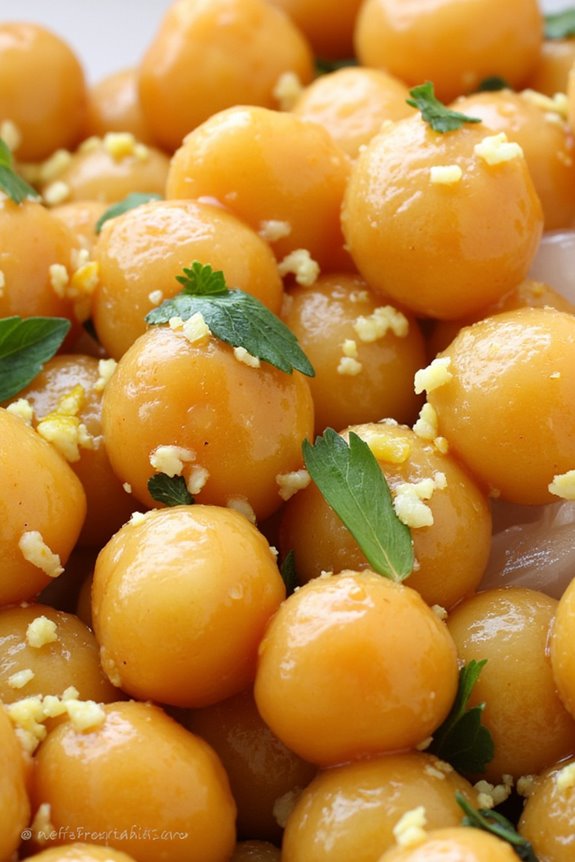
Lemon Ginger Chickpeas is a delightful vegan dish that brings together the zesty brightness of lemon and the warm, spicy notes of ginger. This recipe is perfect for those who appreciate a vibrant, flavorful meal that can be enjoyed on its own or served alongside rice, quinoa, or a fresh salad.
The combination of chickpeas, citrus, and ginger not only makes for a deliciously satisfying dish but also packs a punch of nutrients, making it a wholesome choice for any meal.
This dish is incredibly versatile and can be easily adjusted to suit your taste preferences. You can add more vegetables, such as bell peppers or spinach, for added color and nutrition, or even spice it up with a pinch of red pepper flakes.
Whether you’re preparing a family dinner or meal prepping for the week ahead, Lemon Ginger Chickpeas is a fantastic option that’s sure to impress everyone at the table.
Ingredients (Serves 4-6)
- 2 cans (15 oz each) chickpeas, drained and rinsed
- 2 tablespoons olive oil
- 1 medium onion, finely chopped
- 4 cloves garlic, minced
- 2 tablespoons fresh ginger, grated
- 1 lemon, juiced and zested
- 1 tablespoon soy sauce or tamari
- 1 teaspoon ground cumin
- 1 teaspoon ground coriander
- Salt and pepper, to taste
- Fresh parsley or cilantro, for garnish
Cooking Instructions
1. Prepare the Ingredients: Start by gathering and prepping all your ingredients. Drain and rinse the chickpeas, chop the onion finely, mince the garlic, and grate the fresh ginger. Also, juice and zest the lemon to have them ready for cooking.
2. Sauté the Aromatics: In a large skillet or frying pan, heat the olive oil over medium heat. Add the chopped onion and sauté for about 5 minutes until it becomes translucent. Stir occasionally to prevent burning.
Then, add the minced garlic and grated ginger, cooking for an additional 2 minutes until fragrant.
3. Add the Chickpeas: Once the onions, garlic, and ginger are cooked, add the drained chickpeas to the skillet. Stir well to combine with the sautéed ingredients. Cook for about 5 minutes, allowing the chickpeas to heat through and absorb the flavors.
4. Season the Dish: Sprinkle in the ground cumin and ground coriander, and pour in the soy sauce or tamari. Add the lemon juice and zest, then stir everything together, ensuring the chickpeas are evenly coated. Season with salt and pepper to taste.
5. Simmer: Reduce the heat to low and let the mixture Simmer for about 10 minutes. This allows the flavors to meld together beautifully. Stir occasionally to prevent sticking to the pan.
6. Garnish and Serve: Once done, remove the skillet from the heat. Transfer the Lemon Ginger Chickpeas to a serving dish and garnish with freshly chopped parsley or cilantro. Serve warm with rice, quinoa, or a side salad.
Extra Tips
When making Lemon Ginger Chickpeas, feel free to experiment with additional vegetables like bell peppers, spinach, or even carrots for added nutrition and flavor.
If you want a little extra heat, consider adding red pepper flakes or chopped chili peppers. For a creamier texture, you can blend half of the chickpeas before adding them to the skillet.
Ultimately, this dish stores well in the refrigerator, making it perfect for meal prep or leftovers! Enjoy your cooking adventure with this vibrant vegan recipe!
Chinese Scallion Pancakes
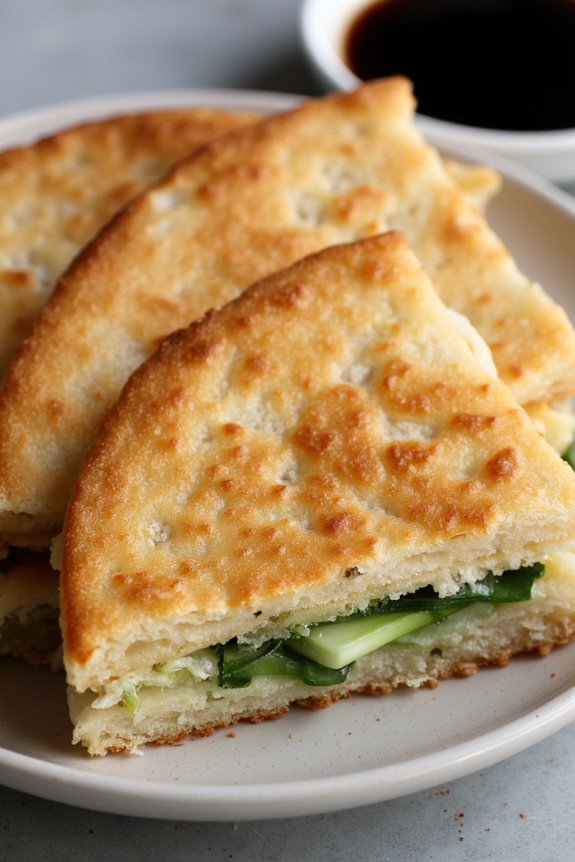
Chinese Scallion Pancakes, or “Cong You Bing,” are a delightful and savory snack that’s perfect for any time of day. These crispy, flaky pancakes are filled with fresh scallions, making them a flavorful dish that pairs wonderfully with soy sauce or a spicy dipping sauce. The best part is that they’re entirely vegan, allowing everyone to enjoy this traditional Chinese treat without any animal products.
Making scallion pancakes might seem intimidating at first, but with a little patience and practice, you’ll be flipping golden-brown pancakes in no time. The key to achieving that perfect flaky texture lies in the dough and the way you roll it. This recipe offers an easy method to create delicious, homemade scallion pancakes that your family and friends will love.
Ingredients (Serves 4-6)
- 2 cups all-purpose flour
- 3/4 cup boiling water
- 1/2 teaspoon salt
- 1/4 cup vegetable oil (plus extra for frying)
- 1 cup scallions (green onions), finely chopped
- 1/4 teaspoon black pepper (optional)
- Soy sauce (for dipping)
Cooking Instructions
1. Make the Dough: In a large mixing bowl, combine the all-purpose flour and salt. Gradually pour in the boiling water while stirring with a fork or chopsticks.
Once the mixture is cool enough to handle, knead it into a smooth dough. This should take about 5-7 minutes. Cover the dough with a damp cloth and let it rest for at least 30 minutes. This resting period allows the gluten to relax, making the dough easier to roll out.
2. Prepare the Filling: While the dough is resting, wash and finely chop the scallions. If you’d like a bit of spice, mix in the black pepper. This mixture will be spread over the rolled-out dough later.
3. Roll the Dough: After the resting time, divide the dough into 4 equal pieces. Take one piece and roll it out on a lightly floured surface into a thin rectangle, about 1/8 inch thick. It should be large enough to accommodate a generous amount of scallions.
4. Add the Filling: Brush the rolled-out dough with a thin layer of vegetable oil, and then sprinkle a quarter of the chopped scallions evenly over the surface. Be sure to leave a small border around the edges.
5. Form the Pancake: Starting from one end, roll the dough tightly into a log. Once rolled, coil the log into a spiral shape and tuck the end underneath. Flatten the spiral gently with your palm, then roll it out again into a flat pancake about 1/4 inch thick.
6. Fry the Pancake: Heat a non-stick skillet over medium heat and add a few tablespoons of vegetable oil. Once hot, carefully place the pancake in the skillet. Fry for about 3-4 minutes on each side until golden brown and crispy.
Repeat this process for the remaining pieces of dough.
7. Serve: Remove the pancakes from the skillet and place them on paper towels to absorb any excess oil. Cut into wedges and Serve hot with soy sauce for dipping.
Extra Tips
For the best results, make sure the water is boiling when you add it to the flour; this helps to create a tender dough.
Additionally, feel free to experiment with the filling by adding other herbs or spices to suit your taste. To keep the pancakes crispy, serve them immediately after cooking, or reheat briefly in a skillet if necessary. Enjoy your Vegan Chinese Scallion Pancakes!
Stir-Fried Bok Choy With Garlic
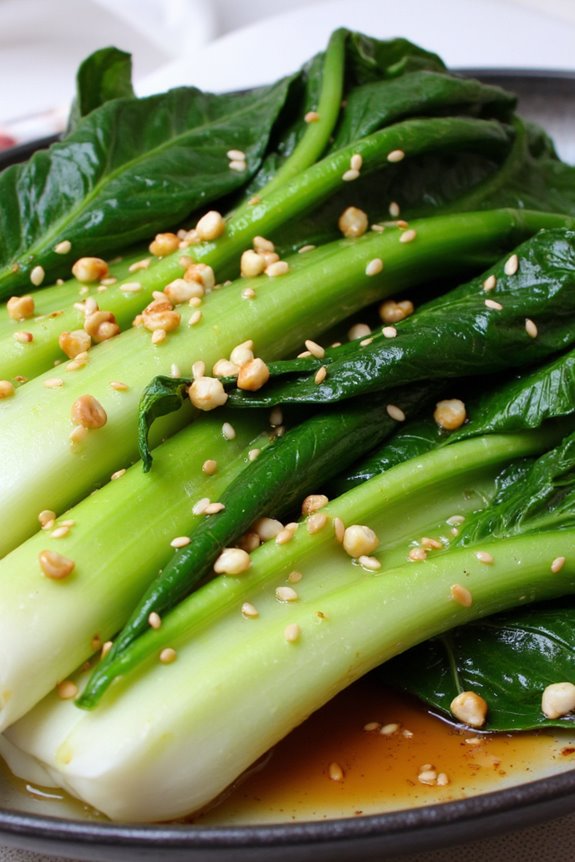
Stir-Fried Bok Choy with Garlic is a classic vegan dish that beautifully highlights the fresh, crisp flavors of bok choy, a leafy green vegetable popular in Chinese cuisine. This dish isn’t only quick and easy to prepare but also packed with nutrients, making it a perfect addition to any meal.
The combination of garlic and a light soy sauce dressing enhances the natural taste of the bok choy, creating a delightful side dish that pairs well with rice, noodles, or any main course.
This recipe serves 4-6 people and can be prepared in under 15 minutes, making it an ideal choice for busy weeknights or when you want to impress guests with minimal effort. The key to achieving the best flavor in this dish is to use fresh garlic and to avoid overcooking the bok choy, which should remain vibrant and slightly crunchy.
Now, let’s explore the ingredients and cooking instructions!
Ingredients:
- 1 pound bok choy, washed and chopped (about 5-6 medium heads)
- 4 cloves garlic, minced
- 2 tablespoons vegetable oil (such as canola or peanut oil)
- 1 tablespoon soy sauce (or tamari for gluten-free)
- 1 teaspoon sesame oil
- 1 teaspoon sesame seeds (optional, for garnish)
- Salt and pepper to taste
Cooking Instructions:
- Prepare the Bok Choy: After washing the bok choy, chop it into bite-sized pieces, separating the stems from the leafy greens. This guarantees that the stems cook evenly since they take slightly longer to soften than the leaves.
- Heat the Oil: In a large skillet or wok, heat the vegetable oil over medium-high heat. Allow the oil to become hot enough that it shimmers, but be careful not to let it smoke.
- Sauté the Garlic: Add the minced garlic to the hot oil and stir-fry for about 30 seconds until fragrant. Be cautious not to burn the garlic, as it can turn bitter quickly.
- Add the Bok Choy Stems: First, add the chopped bok choy stems to the skillet. Stir-fry for about 2 minutes to allow them to soften slightly.
- Incorporate the Bok Choy Leaves: Next, add the bok choy leaves to the skillet. Continue to stir-fry for another 2-3 minutes until the leaves are wilted but still vibrant green, and the stems are tender-crisp.
- Season the Dish: Drizzle the soy sauce and sesame oil over the cooked bok choy, tossing everything together to guarantee even coating. Season with salt and pepper to taste. Stir-fry for an additional minute to allow the flavors to meld.
- Serve: Transfer the stir-fried bok choy to a serving dish and sprinkle with sesame seeds if desired. Serve immediately while hot.
Extra Tips:
For an added depth of flavor, consider adding a splash of vegetable broth or a pinch of red pepper flakes during the cooking process.
You can also customize this dish by adding other vegetables such as bell peppers or snap peas, or even tofu for extra protein. Adjust the amount of garlic according to your taste preference, and remember that fresh ingredients will yield the best results.
Enjoy your healthy and delicious vegan stir-fried bok choy!
Vegan Char Siu (BBQ Tofu)
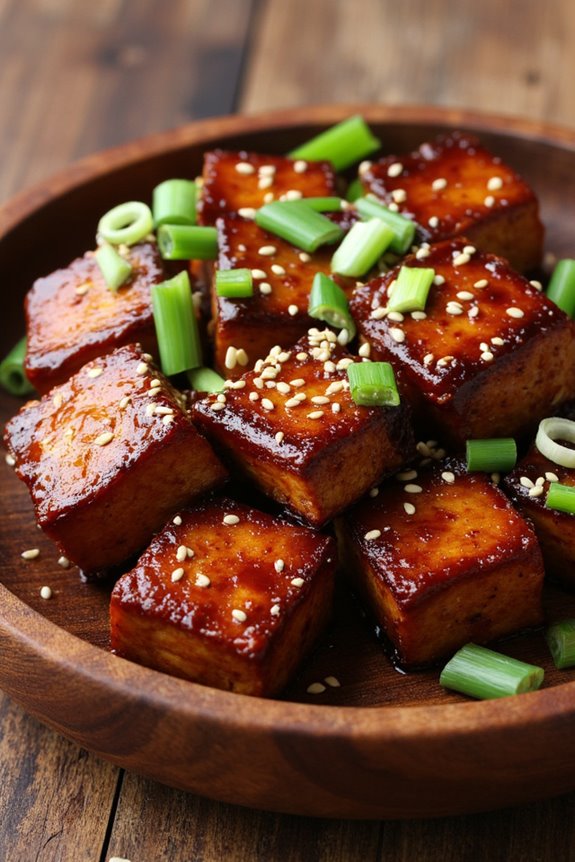
Vegan Char Siu, or BBQ Tofu, is a delightful plant-based twist on the traditional Cantonese dish, known for its sweet and savory flavors. This recipe transforms tofu into a succulent and aromatic dish that mimics the texture and taste of traditional Char Siu.
Marinated in a rich blend of soy sauce, hoisin sauce, and spices, this dish is perfect for serving over steamed rice, in stir-fries, or as a filling for bao buns. Whether you’re a seasoned vegan or just looking to incorporate more plant-based meals into your diet, this Vegan Char Siu will surely impress.
Cooking Vegan Char Siu is an easy and rewarding process that can be accomplished in just a few simple steps. With a bit of marinating time to allow the tofu to soak up all the flavors, you’ll create a dish that boasts a delightful combination of sweetness and umami.
Serve it at your next family dinner or special occasion, and watch as your guests come back for seconds!
Ingredients (Serves 4-6):
- 1 block (14 oz) firm tofu, pressed and drained
- 3 tablespoons soy sauce
- 3 tablespoons hoisin sauce
- 2 tablespoons maple syrup or agave nectar
- 1 tablespoon rice vinegar
- 1 tablespoon sesame oil
- 1 teaspoon five-spice powder
- 2 cloves garlic, minced
- 1 teaspoon grated ginger
- 1 tablespoon cornstarch (optional, for a crispy texture)
- Sliced green onions and sesame seeds for garnish (optional)
Cooking Instructions:
- Prepare the Tofu: Begin by pressing the tofu to remove excess moisture. Wrap the block of tofu in a clean kitchen towel and place a heavy object on top (like a cast iron skillet) for about 30 minutes. This step is vital as it helps the tofu absorb the marinade better.
- Make the Marinade: In a medium bowl, whisk together the soy sauce, hoisin sauce, maple syrup, rice vinegar, sesame oil, five-spice powder, minced garlic, and grated ginger. This mixture will create a rich and flavorful marinade for the tofu.
- Marinate the Tofu: Once the tofu is pressed, cut it into thick slices or cubes, depending on your preference. Place the tofu in a shallow dish and pour the marinade over it, ensuring each piece is well coated. Cover the dish and refrigerate for at least 1 hour, or ideally overnight for maximum flavor.
- Cook the Tofu: Preheat your oven to 400°F (200°C). Line a baking sheet with parchment paper for easy cleanup. Arrange the marinated tofu pieces on the sheet, making sure they aren’t touching. Bake for 25-30 minutes, flipping halfway through, until the tofu is caramelized and slightly crispy on the edges.
- Optional Crisping: If you prefer a crispier texture, you can toss the baked tofu in cornstarch before baking. This will create a nice crust as it cooks.
- Serve: Once the tofu is cooked, remove it from the oven and let it cool slightly. Serve it warm, garnished with sliced green onions and sesame seeds if desired. Enjoy your Vegan Char Siu with steamed rice, in a stir-fry, or in bao buns!
Extra Tips:
For an even deeper flavor, consider marinating the tofu overnight or using a vacuum-sealed bag to infuse the flavors more efficiently.
You can also experiment with different vegetables such as bell peppers or bok choy to serve alongside the dish. If you’re short on time, grilling the marinated tofu on a stovetop grill pan can add a lovely smoky flavor while keeping the dish quick and easy.
