

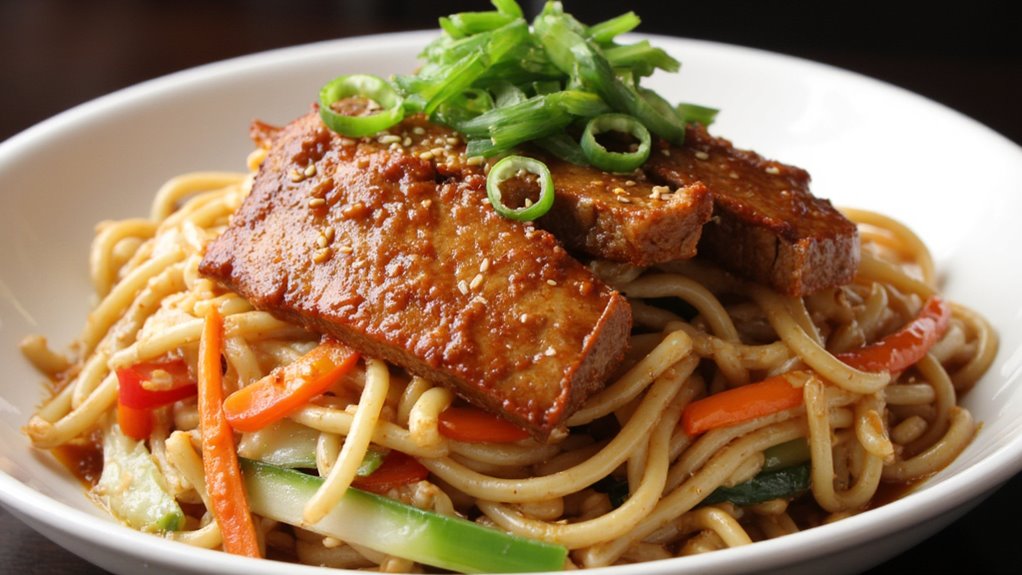
When I think of Japanese cuisine, the delightful array of pork dishes always stands out. Each recipe is bursting with bold flavors and comforting textures that feel like a warm hug on a plate. From crispy tonkatsu to tender buta kakuni, there’s so much to explore and enjoy. If you’re looking to bring these mouthwatering dishes to your kitchen, let’s explore some favorites that will surely impress.
Tonkatsu: Crispy Pork Cutlet

Tonkatsu is a beloved Japanese dish that features a breaded and deep-fried pork cutlet, typically served with shredded cabbage, rice, and a tangy tonkatsu sauce. The crispy texture of the pork is complemented by its juicy interior, making it a favorite among both locals and visitors to Japan.
This dish isn’t only satisfying but also relatively easy to prepare at home, allowing you to enjoy a taste of Japan right in your own kitchen.
The key to achieving the perfect tonkatsu lies in the preparation and frying technique. Using panko breadcrumbs gives the cutlet its signature crunch, while marinating the pork in a light seasoning adds depth to the flavor. Once you’ve mastered the art of making tonkatsu, you can easily customize it with various dipping sauces or side dishes to suit your taste.
Ingredients (Serves 4-6)
- 4-6 boneless pork loin chops (about 1 inch thick)
- Salt and pepper (to taste)
- 1 cup all-purpose flour
- 2 large eggs, beaten
- 2 cups panko breadcrumbs
- Vegetable oil (for frying)
- Tonkatsu sauce (for serving)
- Shredded cabbage (for serving)
- Cooked rice (for serving)
Cooking Instructions
1. Prepare the Pork Chops: Start by trimming any excess fat from the pork chops. Use a meat mallet or rolling pin to gently pound the pork to about ½ inch thickness. This helps to tenderize the meat and guarantees even cooking.
Season both sides of the pork with salt and pepper to enhance the flavor.
2. Set Up Breading Station: In three separate shallow dishes, place the all-purpose flour, beaten eggs, and panko breadcrumbs. This setup will allow you to coat the pork chops efficiently.
Arrange the dishes in a line, starting with flour, followed by eggs, and finishing with panko.
3. Bread the Pork Chops: Take one pork chop and dredge it in the flour, making sure to coat both sides evenly. Shake off any excess flour, then dip it into the beaten eggs, ensuring it’s fully coated.
Finally, press the pork chop into the panko breadcrumbs, covering it completely. Repeat this process for all the pork chops.
4. Heat the Oil: In a large skillet or frying pan, pour enough vegetable oil to cover the bottom of the pan, about ½ inch deep. Heat the oil over medium-high heat until it reaches around 350°F (175°C).
You can test if the oil is ready by dropping a few breadcrumbs into the oil; if they sizzle and float to the surface, the oil is hot enough.
5. Fry the Tonkatsu: Carefully add the breaded pork chops to the hot oil in batches, making sure not to overcrowd the pan. Fry them for about 4-5 minutes on each side, or until they’re golden brown and crispy.
Use tongs to flip the chops gently to ensure they cook evenly. Once cooked, transfer the pork chops to a paper towel-lined plate to drain any excess oil.
6. Serve the Tonkatsu: Slice the cooked tonkatsu into strips and arrange them on a serving platter. Serve with a side of shredded cabbage, a bowl of steamed rice, and drizzle with tonkatsu sauce.
Enjoy your homemade crispy pork cutlet!
Extra Tips
For an even more flavorful tonkatsu, consider marinating the pork chops in a mixture of soy sauce, sake, and mirin for about 30 minutes before breading. This will add an extra layer of umami flavor to the meat.
Additionally, using a thermometer to check the oil temperature can help achieve the perfect crispness without burning the breadcrumbs. Finally, feel free to experiment with serving options, such as adding pickled vegetables or a side of miso soup for a complete meal.
Buta Kakuni: Braised Pork Belly
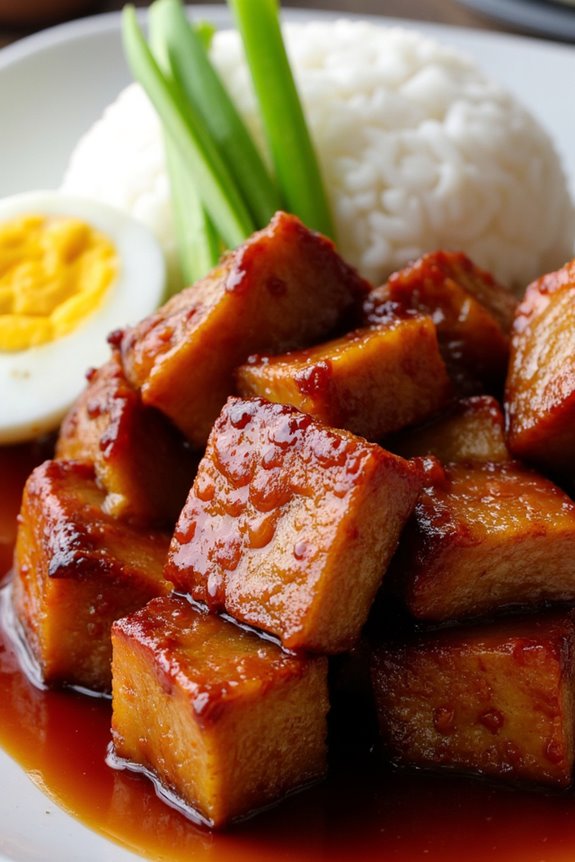
Buta Kakuni is a traditional Japanese dish that features tender, melt-in-your-mouth pork belly slow-cooked in a rich, savory sauce. This beloved comfort food is often served with rice and garnished with green onions or hard-boiled eggs, making it a satisfying meal that showcases the depth of flavor that Japanese cuisine is known for.
The process of braising the pork belly allows the meat to absorb the flavors of soy sauce, mirin, and sake, resulting in a luscious dish that’s perfect for family gatherings or special occasions.
To make Buta Kakuni, you’ll want to start with high-quality pork belly, which is known for its balance of meat and fat. The slow-cooking process guarantees that the pork becomes incredibly tender, while the sauce thickens and caramelizes, creating a beautiful glaze.
This dish is best when prepared a day ahead of time, as the flavors deepen and improve overnight in the refrigerator. Serve it alongside steamed rice and pickled vegetables for a complete and authentic Japanese meal.
Ingredients (serves 4-6):
- 2 pounds pork belly, cut into 1-2 inch cubes
- 1 cup soy sauce
- 1 cup mirin
- 1 cup sake
- 1/2 cup brown sugar
- 4 slices ginger
- 2 green onions, cut into 2-inch pieces
- 2 cups water
- Optional: hard-boiled eggs for serving
Cooking Instructions:
- Prepare the Pork Belly: Start by cutting the pork belly into 1-2 inch cubes. Rinse the cubes under cold water to remove any impurities, then pat them dry with paper towels. This step is essential to guarantee that the pork browns nicely during cooking.
- Sear the Pork: In a large pot or Dutch oven, heat a small amount of oil over medium-high heat. Add the pork belly cubes in batches, making sure not to overcrowd the pot. Sear the pork on all sides until golden brown, which should take about 5-7 minutes. This step adds depth and a rich flavor to the final dish.
- Add Aromatics: Once the pork is browned, add the ginger slices and green onions to the pot, stirring for about 1-2 minutes until fragrant. The aromatics will infuse the pork with additional flavor as it cooks.
- Combine the Sauces: In a separate bowl, mix together the soy sauce, mirin, sake, and brown sugar until the sugar is dissolved. Pour this mixture over the pork belly in the pot, followed by the water. Stir to combine everything well.
- Braise the Pork: Bring the mixture to a boil, then reduce the heat to low. Cover the pot and let it simmer for 1.5 to 2 hours, or until the pork belly is tender and easily breaks apart with a fork. Stir occasionally and check the liquid level; add more water if necessary to keep the pork partially submerged.
- Finish and Serve: Once the pork is tender, remove the lid and let the sauce reduce for an additional 10-15 minutes, allowing it to thicken and coat the pork. If you desire, you can remove the pork and let the sauce reduce further to concentrate the flavors. Serve hot over rice, garnished with chopped green onions or with hard-boiled eggs, if desired.
Extra Tips:
For the best results, allow Buta Kakuni to rest in the refrigerator overnight after cooking. The flavors will meld beautifully, and the fat will solidify on the surface, making it easy to remove before reheating.
Additionally, if you prefer a slightly spicier flavor, consider adding a small piece of star anise or a few red pepper flakes during the braising process. This can introduce a new layer of complexity to the dish without overwhelming the traditional flavors.
Enjoy your homemade Buta Kakuni!
Shogayaki: Ginger Pork Stir-Fry

Shogayaki is a beloved Japanese dish that highlights the beautiful balance of flavors found in ginger, soy sauce, and tender pork. This quick stir-fry isn’t only easy to make but also offers a delightful aroma and taste that can transport you straight to a cozy izakaya in Japan.
The key to a perfect Shogayaki lies in the marinating of the pork, which allows the ginger and soy sauce to infuse the meat with savory goodness, creating a dish that’s both satisfying and comforting.
To get started on this delicious Ginger Pork Stir-Fry, you’ll need to gather your ingredients and prepare your cooking space. The dish is traditionally served with steamed rice, making it a complete meal that’s sure to please your family or guests.
With a cooking time of just 20 minutes, Shogayaki is perfect for a weeknight dinner, but its rich flavors make it suitable for any occasion.
Ingredients (serving size: 4-6 people):
- 500g pork loin, thinly sliced
- 4 tablespoons soy sauce
- 2 tablespoons mirin (sweet rice wine)
- 2 tablespoons sake (Japanese rice wine)
- 2 tablespoons vegetable oil
- 3 tablespoons fresh ginger, grated
- 2 cloves garlic, minced
- 1 onion, thinly sliced
- 1 green onion, chopped (for garnish)
- Sesame seeds (for garnish)
Cooking Instructions:
- Marinate the Pork: In a mixing bowl, combine the soy sauce, mirin, sake, grated ginger, and minced garlic. Add the thinly sliced pork to the marinade, making sure that each piece is well-coated. Let it marinate for at least 15 minutes to allow the flavors to penetrate the meat.
- Prepare the Vegetables: While the pork is marinating, slice the onion and chop the green onion for garnish. This will save time and facilitate a smooth cooking process.
- Heat the Oil: In a large skillet or wok, heat the vegetable oil over medium-high heat. Make sure the oil is hot enough before adding the pork to achieve a nice sear.
- Cook the Pork: Remove the pork from the marinade (reserve the marinade for later) and add it to the hot skillet. Stir-fry the pork for about 3-4 minutes until it’s browned and cooked through. Be careful not to overcrowd the pan; you may need to do this in batches.
- Add the Onion: Once the pork is cooked, add the sliced onion to the skillet. Stir-fry for an additional 2-3 minutes until the onion is softened and translucent.
- Add the Marinade: Pour the reserved marinade into the skillet with the pork and onions. Cook for another 1-2 minutes, allowing the sauce to thicken slightly and coat the pork and onions.
- Serve: Remove the skillet from the heat and transfer the Shogayaki to a serving platter. Garnish with chopped green onions and sesame seeds. Serve hot with steamed rice.
Extra Tips:
When preparing Shogayaki, it’s important to use thinly sliced pork for quick cooking and maximum tenderness. If possible, ask your butcher for pre-sliced pork or freeze the pork for about 30 minutes before slicing it yourself; this makes it easier to cut thinly.
Additionally, feel free to customize the dish by adding other vegetables such as bell peppers or mushrooms for added nutrition and flavor. Enjoy your homemade Shogayaki!
Yakibuta: Japanese Roast Pork

Yakibuta is a traditional Japanese dish that features tender, flavorful roast pork, typically made from pork belly or shoulder. This dish is often served in ramen or as a standalone main course, highlighting the rich umami flavors of soy sauce and mirin. The secret to a successful yakibuta lies in the careful marination and slow roasting of the meat, which guarantees that it remains juicy and melts in your mouth.
With its savory glaze and aromatic spices, yakibuta is sure to impress your family and friends, making it a perfect addition to any dinner table.
To prepare yakibuta, you’ll need to start with high-quality pork, which will absorb all the delicious flavors from the marinade. The cooking process involves simmering the meat in a mixture of soy sauce, sake, and other seasonings, followed by a roasting phase that enhances the texture and flavor.
Whether you’re serving it over rice, noodles, or alongside vegetables, this Japanese roast pork dish is a delightful experience that showcases the beauty of Japanese cuisine.
Ingredients (Serves 4-6)
- 1.5 to 2 pounds pork belly or pork shoulder
- 1 cup soy sauce
- ½ cup sake
- ½ cup mirin
- ¼ cup sugar
- 4 cloves garlic, crushed
- 1-inch piece of ginger, sliced
- 2 green onions, chopped
- 1 tablespoon sesame oil
- 1 tablespoon black pepper
Cooking Instructions
- Prepare the Marinade: In a large bowl, combine the soy sauce, sake, mirin, sugar, garlic, ginger, and black pepper. Whisk until the sugar is dissolved. This marinade will infuse the pork with a rich flavor and help tenderize the meat.
- Marinate the Pork: Place the pork belly or shoulder into the marinade, making sure it’s fully submerged. Cover the bowl with plastic wrap and refrigerate for at least 4 hours, but ideally overnight. This allows the meat to absorb the flavors more intensely.
- Preheat the Oven: When ready to cook, preheat your oven to 300°F (150°C). A low and slow cooking method helps to break down the fat in the pork, making it tender and juicy.
- Sear the Meat: Heat sesame oil in a large skillet over medium-high heat. Remove the pork from the marinade (reserve the marinade for later) and sear the meat on all sides until browned, about 3-4 minutes per side. This step adds a beautiful crust to the pork, enhancing the overall flavor.
- Roast the Pork: Transfer the seared pork to a roasting pan. Pour the reserved marinade over the pork, cover the pan with foil, and place it in the preheated oven. Roast for about 2 hours, basting with the cooking liquid every 30 minutes, until the meat is tender and the internal temperature reaches at least 160°F (70°C).
- Glaze the Pork: After 2 hours, remove the foil and increase the oven temperature to 400°F (200°C). Roast for an additional 15-20 minutes, or until the surface is caramelized and slightly crispy. This final step adds a beautiful glaze to the pork.
- Slice and Serve: Once done, let the pork rest for about 10 minutes before slicing. Serve it warm, garnished with chopped green onions, and enjoy with rice, noodles, or as a topping for ramen.
Extra Tips
For the best results, use a meat thermometer to check the internal temperature of the pork, making sure it’s perfectly cooked without being overdone. Additionally, feel free to adjust the sweetness of the marinade to your taste by adding more or less sugar.
When storing leftovers, keep the pork and any remaining marinade in an airtight container in the refrigerator, as the flavors will deepen and improve over time. Reheating in the oven will help maintain the pork’s tenderness and enhance its flavor.
Tonjiru: Pork Miso Soup

Tonjiru, a comforting and hearty Japanese pork miso soup, is a delicious dish that warms the soul and nourishes the body. This savory soup features tender slices of pork, a medley of vegetables, and a rich miso broth that brings all the flavors together. Traditionally enjoyed during colder months, Tonjiru isn’t only filling but also versatile, allowing you to incorporate various seasonal vegetables based on your preference or availability.
To create this delightful dish, you’ll need to prepare your ingredients and follow the steps carefully to achieve a harmonious balance of flavors. The use of miso paste is essential, as it provides depth and umami that characterizes this Japanese classic. Let’s plunge into the recipe for Tonjiru, a perfect dish for family gatherings or a cozy dinner at home!
Ingredients (Serves 4-6):
- 300g (10.5 oz) pork belly or pork shoulder, thinly sliced
- 4 cups dashi broth (or water with dashi powder)
- 2 medium potatoes, diced
- 2 medium carrots, sliced
- 1 medium onion, sliced
- 1 medium burdock root (gobo), thinly sliced (optional)
- 1 cup daikon radish, diced
- 4-5 green onions, chopped
- 4 tablespoons miso paste (white or red, or a blend)
- 1 tablespoon soy sauce
- 1 tablespoon sesame oil
- Salt and pepper to taste
Cooking Instructions:
- Prepare the Ingredients: Begin by gathering all your ingredients. Slice the pork thinly, dice the potatoes, carrots, and daikon radish, and thinly slice the burdock root. Chop the green onions and set them aside for garnish.
- Sauté the Pork: In a large pot, heat the sesame oil over medium heat. Add the sliced pork belly and sauté until it begins to brown and the fat renders, about 5 minutes. This step enhances the flavor of the pork and adds richness to the soup.
- Add the Vegetables: Once the pork is browned, add the sliced onions, carrots, potatoes, burdock root, and daikon radish to the pot. Stir-fry the mixture for about 5-7 minutes, allowing the vegetables to soften and absorb the flavors of the pork.
- Add the Dashi Broth: Pour in the dashi broth (or water with dashi powder) and bring the mixture to a gentle boil. Reduce the heat and let it simmer for about 15-20 minutes, or until all the vegetables are tender.
- Incorporate Miso Paste: In a small bowl, combine the miso paste with a ladleful of the hot soup broth. Stir until smooth, then add this mixture back into the pot, along with the soy sauce. Mix well and allow it to simmer for another 5 minutes. Be careful not to boil the soup after adding the miso, as it can affect the flavor.
- Season and Serve: Taste the soup and adjust the seasoning with salt and pepper if needed. Once everything is well combined and heated through, ladle the Tonjiru into bowls and garnish with chopped green onions before serving hot.
Extra Tips:
When making Tonjiru, feel free to customize the vegetables based on your taste or what you have on hand; other great additions include mushrooms, spinach, or even zucchini.
If you prefer a thicker broth, you can increase the amount of miso paste slightly. Additionally, Tonjiru can be made ahead of time; just reheat gently and add a splash of water if it thickens too much. Enjoy this nourishing soup with a side of steamed rice for a complete meal!
Kakuni Don: Braised Pork Rice Bowl
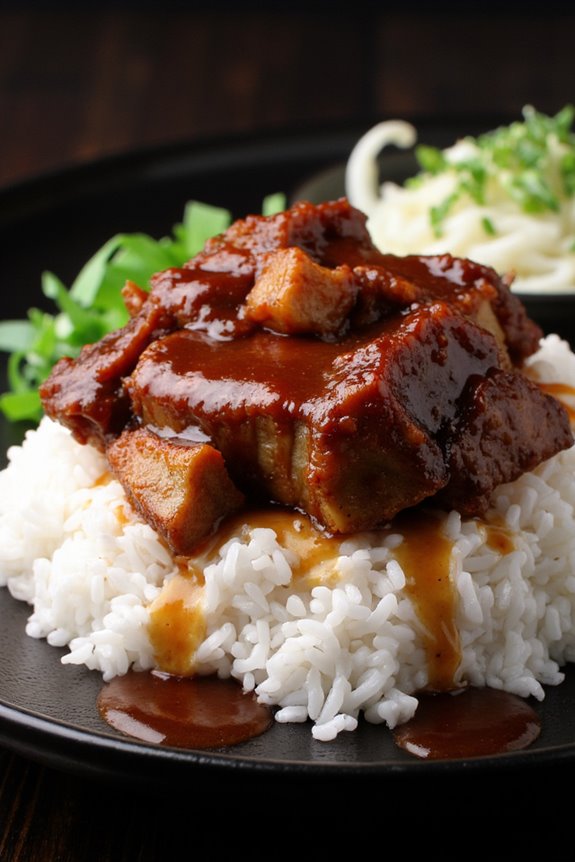
Kakuni Don is a beloved Japanese dish that features tender, braised pork belly served over a bed of fluffy rice. The name “kakuni” refers to the method of slow-cooking the pork in a mixture of soy sauce, sake, and sugar until it becomes melt-in-your-mouth delicious. This dish isn’t only a comforting meal but also showcases the harmony of flavors that’s characteristic of Japanese cuisine.
The combination of sweet, salty, and umami notes makes Kakuni Don a perfect dish for any occasion, whether it’s a family dinner or a special celebration.
To prepare Kakuni Don, the pork belly is first seared to develop a rich, caramelized exterior. It’s then simmered slowly in a flavorful broth, allowing the meat to absorb all the delicious seasonings. Served over rice and topped with green onions, this dish is as visually appealing as it’s tasty. By following this recipe, you can recreate this Japanese classic right in your kitchen, bringing a bit of Japan to your dining table.
Ingredients (Serves 4-6)
- 2 lbs pork belly, cut into 1.5-inch cubes
- 1 cup soy sauce
- 1 cup sake
- 1 cup water
- 1/2 cup sugar
- 4 green onions, chopped (for garnish)
- 4 cups cooked Japanese rice
- 2 inches ginger, sliced
- 4 cloves garlic, crushed
- 2 tablespoons vegetable oil
- 1 tablespoon sesame oil (optional)
Cooking Instructions
- Sear the Pork Belly: In a large pot or Dutch oven, heat the vegetable oil over medium-high heat. Add the pork belly cubes and sear them on all sides until they’re browned and crispy, about 5-7 minutes. This step helps to lock in the flavors and gives the pork a delicious crust.
- Prepare the Braising Liquid: Once the pork is browned, add the sliced ginger and crushed garlic to the pot, stirring to combine. Then, pour in the soy sauce, sake, water, and sugar. Stir well to dissolve the sugar and evenly coat the pork.
- Simmer the Pork: Bring the mixture to a boil, then reduce the heat to low. Cover the pot and let it simmer gently for about 2 hours, or until the pork is fork-tender. Stir occasionally and check the liquid level; you may need to add a little water if it gets too low.
- Reduce the Sauce: After the pork is tender, remove the lid and increase the heat to medium-high. Allow the sauce to simmer uncovered for an additional 15-20 minutes, or until it has thickened and coats the back of a spoon. This step enhances the flavors and creates a rich sauce.
- Serve the Dish: To assemble the Kakuni Don, place a generous scoop of cooked rice in a bowl. Top the rice with several pieces of the braised pork belly, spooning some of the reduced sauce over the top. Garnish with chopped green onions for a vibrant finish.
Extra Tips
For an added depth of flavor, consider marinating the pork belly overnight in the soy sauce and sake mixture before cooking. This allows the meat to absorb more of the flavors and enhances the overall taste of the dish.
Additionally, serving Kakuni Don with a side of pickled vegetables or a light salad can provide a rejuvenating contrast to the rich pork and rice. Enjoy your cooking!
Nikujaga: Pork and Potato Stew

Nikujaga is a beloved comfort food in Japan, often enjoyed as a home-cooked meal that brings families together. The name “Nikujaga” translates to “meat and potatoes,” which perfectly describes this hearty stew that combines tender pork, soft potatoes, and colorful vegetables, all simmered in a savory-sweet sauce.
The dish isn’t only delicious but also quite simple to prepare, making it an ideal choice for both novice and experienced home cooks looking to explore Japanese cuisine. This dish is traditionally served with rice and brings a warm, nostalgic feeling, reminiscent of family dinners.
The balance of flavors from the soy sauce, sugar, and mirin creates a rich, umami profile that complements the pork and vegetables beautifully. Whether it’s a chilly evening or a casual family gathering, Nikujaga is sure to satisfy and delight everyone at the table.
Ingredients (Serves 4-6):
- 300g (10.5 oz) pork belly or pork shoulder, thinly sliced
- 4 medium potatoes, peeled and cut into bite-sized pieces
- 2 medium carrots, sliced
- 1 medium onion, sliced
- 2 cups dashi broth (or water)
- 4 tablespoons soy sauce
- 3 tablespoons mirin
- 2 tablespoons sugar
- 1 tablespoon vegetable oil
- Green onions or shichimi togarashi for garnish (optional)
Cooking Instructions:
- Prepare the Ingredients: Start by gathering all your ingredients. Slice the pork into thin strips, peel and cut the potatoes into bite-sized pieces, slice the carrots and onion, and measure out the dashi broth, soy sauce, mirin, and sugar. Having everything ready will make the cooking process smoother.
- Sauté the Pork: In a large pot or Dutch oven, heat the vegetable oil over medium heat. Add the sliced pork and cook until it’s browned and slightly crispy, which should take about 3-4 minutes. This step adds depth of flavor to the dish by rendering some of the fat from the pork and creating a nice base for the stew.
- Add the Onions and Carrots: Once the pork is browned, add the sliced onion and carrots to the pot. Sauté them together for about 3-4 minutes until the onions become translucent. This will enhance the sweetness of the onions and pair well with the pork.
- Incorporate the Potatoes: Add the potatoes to the pot, stirring to combine with the pork and vegetables. Cook for an additional 2 minutes to slightly soften the potatoes before adding the liquid.
- Simmer the Stew: Pour in the dashi broth (or water), soy sauce, mirin, and sugar. Bring the mixture to a gentle boil. Once it reaches a boil, reduce the heat to low, cover the pot, and let it simmer for 20-25 minutes or until the potatoes and carrots are tender. Stir occasionally to confirm nothing sticks to the bottom of the pot.
- Final Adjustments and Serve: After simmering, taste the stew and adjust the seasoning if necessary. If you prefer a sweeter flavor, add a bit more sugar or mirin. Once the flavors meld together, serve the Nikujaga hot, garnished with sliced green onions or a sprinkle of shichimi togarashi if desired.
Extra Tips:
For an authentic touch, consider adding ingredients such as sliced shiitake mushrooms or snow peas for added texture and flavor. If you have leftovers, Nikujaga tastes even better the next day as the flavors continue to develop.
Store in an airtight container in the refrigerator, and reheat gently before serving. Enjoy your homemade Nikujaga with steamed rice for a complete and satisfying meal!
Yakiniku: Grilled Pork With Dipping Sauce
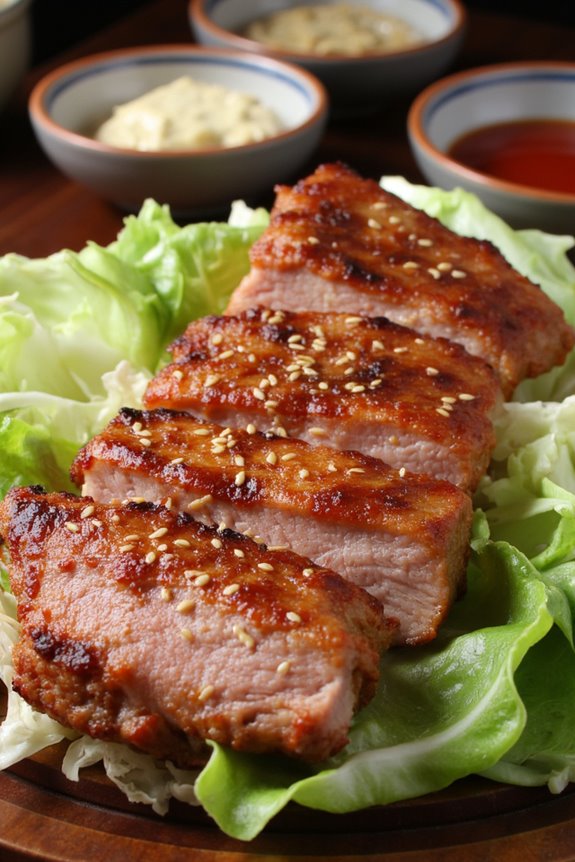
Yakiniku, which translates to “grilled meat,” is a beloved dish in Japanese cuisine that highlights the savory flavors of marinated and grilled pork. This dish is typically served with a variety of dipping sauces that enhance the taste of the tender, smoky meat. The preparation and cooking process is simple yet rewarding, making it a perfect choice for a family dinner or a weekend gathering with friends.
The combination of succulent pork and vibrant dipping sauces provides a delightful culinary experience that transports you straight to the heart of Japan.
To make Yakiniku, the key lies in the marinade, which not only infuses the pork with rich flavors but also helps to tenderize the meat. You can customize the dipping sauce to suit your taste, whether you prefer a sweet, tangy, or spicy kick. Pair this dish with steamed rice and grilled vegetables for a complete meal that showcases the essence of Japanese barbecue. Gather your friends and family around the grill to enjoy this interactive and delicious dining experience.
Ingredients (Serves 4-6)
- 1.5 lbs pork shoulder or pork belly, thinly sliced
- 1/4 cup soy sauce
- 2 tablespoons mirin (sweet rice wine)
- 2 tablespoons sake (Japanese rice wine)
- 1 tablespoon sugar
- 1 tablespoon sesame oil
- 2 cloves garlic, minced
- 1-inch piece ginger, grated
- 2 green onions, finely chopped
- Sesame seeds, for garnish
- Shredded cabbage, for serving
- Assorted dipping sauces (such as tare, ponzu, or spicy mayo)
Cooking Instructions
- Prepare the Marinade: In a bowl, combine the soy sauce, mirin, sake, sugar, sesame oil, minced garlic, grated ginger, and chopped green onions. Whisk the ingredients together until the sugar has dissolved completely. This marinade won’t only flavor the pork but also add moisture.
- Marinate the Pork: Place the thinly sliced pork in a resealable plastic bag or a shallow dish. Pour the marinade over the pork, ensuring it’s evenly coated. Seal the bag or cover the dish and refrigerate for at least 30 minutes, or ideally, 2-4 hours for deeper flavor absorption.
- Preheat the Grill: Preheat your grill or grill pan over medium-high heat. Make sure it’s hot before adding the pork, as this will help achieve that signature char and smoky flavor.
- Grill the Pork: Remove the pork from the marinade and allow any excess liquid to drip off. Place the slices on the hot grill, being careful not to overcrowd them. Grill for about 2-3 minutes on each side, or until the pork is cooked through and has nice grill marks. Depending on the thickness of the slices, cooking times may vary.
- Garnish and Serve: Once grilled, transfer the pork to a serving platter. Sprinkle with sesame seeds and serve alongside shredded cabbage. Present the assorted dipping sauces in small bowls for guests to enjoy.
Extra Tips
When preparing Yakiniku, it’s crucial to use high-quality pork for the best flavor and tenderness. If you’re short on time, marinating the pork for just 30 minutes will still yield delicious results, but for the utmost depth of flavor, aim for a longer marination.
Additionally, experimenting with various dipping sauces can elevate your dish further; consider mixing your own sauce with soy sauce, vinegar, and sesame oil for a personalized touch. Enjoy the grilling experience and have fun with different accompaniments like grilled vegetables or rice!
Buta No Shogayaki: Ginger-Soy Pork
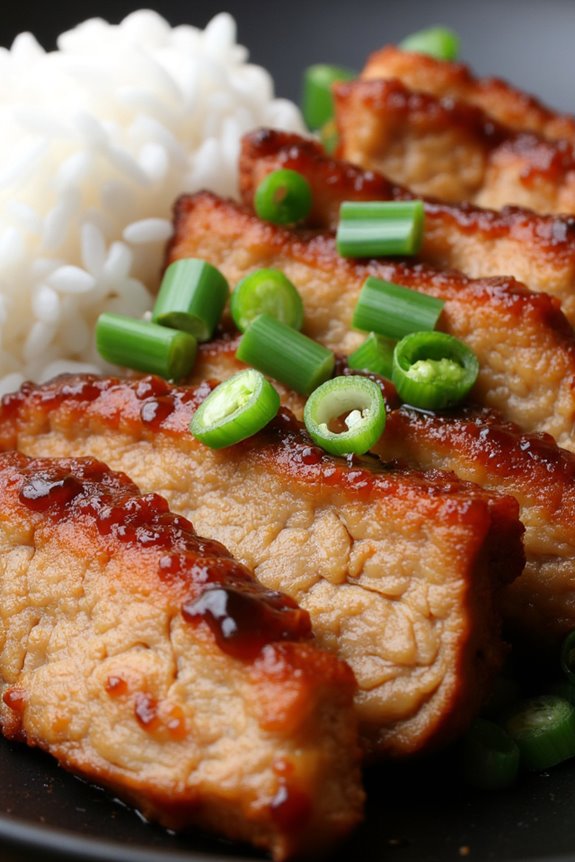
Buta No Shogayaki, or Ginger-Soy Pork, is a beloved Japanese dish that beautifully balances savory, sweet, and spicy flavors, making it a favorite among many. The dish features thinly sliced pork that’s marinated in a fragrant mixture of soy sauce, ginger, and mirin, creating a rich sauce that perfectly complements the tender meat.
This quick and easy recipe is perfect for a weeknight dinner, and it can be served with steamed rice and a side of vegetables for a complete meal.
The key to a successful Buta No Shogayaki lies in the quality of the pork and the freshness of the ginger. Using thinly sliced pork allows for quick cooking and guarantees that the meat remains juicy and full of flavor. This dish isn’t only delicious but also offers a wonderful aroma that will fill your kitchen as it cooks.
Whether you’re familiar with Japanese cuisine or trying it for the first time, this recipe is sure to delight your taste buds.
Ingredients (Serves 4-6):
- 1 pound (450g) thinly sliced pork belly or pork loin
- 2 tablespoons vegetable oil
- 4 tablespoons soy sauce
- 2 tablespoons mirin
- 1 tablespoon sake (optional)
- 1 tablespoon sugar
- 2 tablespoons grated fresh ginger
- 2 green onions, chopped (for garnish)
- Steamed rice (for serving)
Cooking Instructions:
- Prepare the Marinade: In a bowl, combine the soy sauce, mirin, sake (if using), sugar, and grated ginger. Stir well until the sugar is dissolved. This marinade will infuse the pork with flavor and tenderness.
- Marinate the Pork: Place the thinly sliced pork in a shallow dish or a resealable plastic bag. Pour the marinade over the pork, making sure that all slices are evenly coated. Allow it to marinate for at least 15-30 minutes at room temperature or up to 2 hours in the refrigerator for a deeper flavor.
- Heat the Pan: In a large skillet or frying pan, heat the vegetable oil over medium-high heat. Make sure the oil is hot enough to sear the meat, which will help lock in the flavors and create a nice caramelization.
- Cook the Pork: Once the oil is hot, remove the pork from the marinade (discard the marinade) and add the slices to the pan in a single layer. Cook for about 2-3 minutes on each side until the pork is browned and cooked through. Do this in batches if necessary to avoid overcrowding the pan.
- Garnish and Serve: Once the pork is cooked, transfer it to a serving platter. Sprinkle with chopped green onions for added freshness and a pop of color. Serve the Buta No Shogayaki hot over a bed of steamed rice.
Extra Tips:
When cooking Buta No Shogayaki, it’s important to slice the pork as thinly as possible for maximum tenderness and quick cooking. If you have difficulty slicing the pork, you can slightly freeze it for about 30 minutes, making it easier to achieve thin slices.
Additionally, feel free to customize the dish by adding vegetables such as bell peppers or onions during the cooking process to enhance the meal’s nutritional value and flavor. Enjoy your culinary journey into Japanese cuisine!
Pork Gyoza: Japanese Dumplings

Pork gyoza, also known as Japanese dumplings, are a delightful Japanese dish that has captured the hearts and taste buds of food lovers around the world. These savory dumplings are typically filled with ground pork, vegetables, and a mix of seasonings, all wrapped in a thin dough.
Gyoza are often pan-fried for a crispy exterior while maintaining a juicy, flavorful filling, making them an irresistible appetizer or side dish. Whether served with a dipping sauce or on their own, these dumplings are bound to impress your family and friends.
Making gyoza at home is a wonderful way to explore Japanese cuisine and share the experience of cooking with loved ones. While the process may seem intimidating at first, it’s quite straightforward once you get the hang of it.
With a little practice, you can create perfectly pleated dumplings that aren’t only delicious but also visually appealing. So, roll up your sleeves and get ready to enjoy the delightful flavors of homemade pork gyoza!
Ingredients (Serves 4-6 people)
- 1 pound ground pork
- 1 cup napa cabbage, finely chopped
- 2 green onions, finely chopped
- 2 cloves garlic, minced
- 1 tablespoon ginger, minced
- 1 tablespoon soy sauce
- 1 tablespoon sesame oil
- 1 teaspoon salt
- 1/2 teaspoon black pepper
- 1 package gyoza wrappers (about 40 wrappers)
- 2 tablespoons vegetable oil (for frying)
- 1/2 cup water (for steaming)
Cooking Instructions
1. Prepare the Filling: In a large mixing bowl, combine the ground pork, finely chopped napa cabbage, green onions, minced garlic, minced ginger, soy sauce, sesame oil, salt, and black pepper.
Mix the ingredients thoroughly using your hands or a spatula until well combined. The mixture should be moist and flavorful.
2. Assemble the Gyoza: Place a gyoza wrapper on a clean surface or cutting board. Spoon about 1 tablespoon of the pork filling into the center of the wrapper.
Moisten the edges of the wrapper with a little water using your finger. Fold the wrapper in half to create a half-moon shape and pinch the edges to seal. For an authentic look, create pleats by pinching the edge of the wrapper while folding it over.
3. Heat the Pan: In a large non-stick skillet, heat the vegetable oil over medium heat. Confirm the oil is hot enough by testing it with a small piece of gyoza; it should sizzle when it touches the pan.
4. Cook the Gyoza: Carefully place the assembled gyoza in the skillet, making sure they aren’t touching each other. Allow them to cook for about 2-3 minutes until the bottoms are golden brown and crispy.
5. Steam the Gyoza: Once the bottoms are browned, add 1/2 cup of water to the skillet and immediately cover it with a lid. Allow the gyoza to steam for about 5-6 minutes, or until the water has evaporated and the gyoza are cooked through.
6. Serve: Remove the lid and let the gyoza cook for an additional minute to re-crisp the bottoms. Use a spatula to transfer the gyoza to a serving plate.
Serve hot with soy sauce or a dipping sauce of your choice.
Extra Tips
When making gyoza, feel free to customize the filling according to your taste preferences. You can add other vegetables such as shiitake mushrooms or carrots, or even swap the pork for ground chicken or tofu for a vegetarian option.
Confirm that the filling isn’t too wet to avoid soggy dumplings. Practice makes perfect with the folding technique, so don’t worry if your first few gyoza don’t look perfect—just enjoy the process and the delicious results!
Tonkotsu Ramen: Pork Bone Broth Noodles
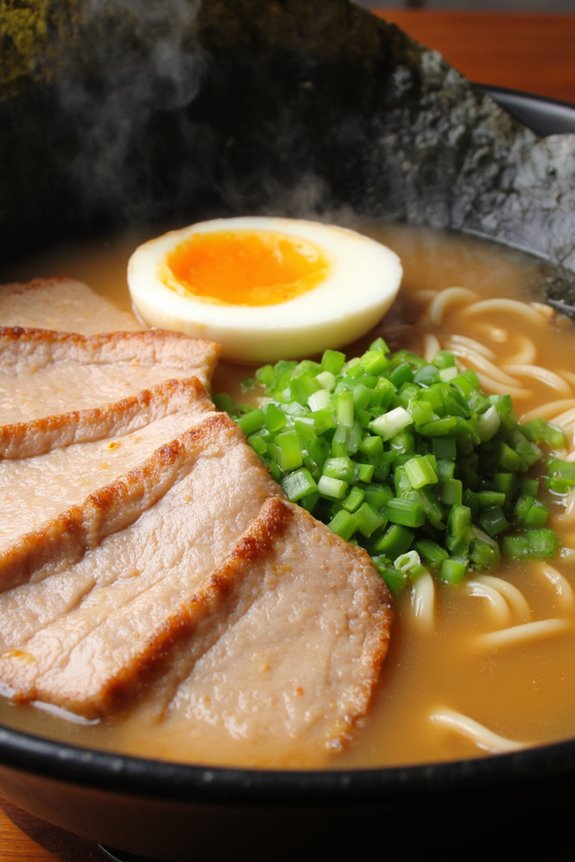
Tonkotsu Ramen is a rich and flavorful Japanese noodle soup known for its creamy, white pork bone broth. This dish originates from Fukuoka on the island of Kyushu and is beloved for its deep umami flavor and hearty texture. The preparation of Tonkotsu broth involves simmering pork bones for an extended period, which extracts collagen and fats, resulting in a velvety consistency that coats the noodles beautifully.
Topped with tender slices of chashu pork, soft-boiled eggs, and aromatic green onions, Tonkotsu Ramen is a comforting meal that warms the soul. Making Tonkotsu Ramen at home requires some time and patience, but the end result is well worth the effort. While the broth simmers away, you can prepare the accompanying ingredients and sides to enhance your ramen experience. Serve the ramen hot, and enjoy the delightful combination of flavors and textures that this dish has to offer.
Ingredients (Serves 4-6):
- 4 lbs pork bones (neck bones, trotters, and backbones)
- 1 lb pork belly (for chashu)
- 4 liters water
- 1 onion, halved
- 1 head of garlic, halved
- 1 knob of ginger, sliced
- 1/4 cup soy sauce
- 2 tablespoons miso paste
- 2 tablespoons sesame oil
- 4 servings of ramen noodles
- 4 soft-boiled eggs (optional)
- 1 cup sliced green onions
- Nori sheets (seaweed), for garnish
- Tare (seasoning sauce) for additional flavor (optional)
Cooking Instructions:
- Prepare the Pork Bones: Start by blanching the pork bones to remove impurities. Place the bones in a large pot and cover them with cold water. Bring the water to a boil, and let it boil for about 10 minutes. This step helps to create a clearer broth. After boiling, drain the bones and rinse them under cold water to remove any scum.
- Simmer the Broth: In a clean large pot, add the blanched pork bones and cover them with 4 liters of fresh water. Add the halved onion, garlic, and sliced ginger to the pot. Bring the mixture to a vigorous boil, then reduce the heat to a low simmer. Allow the broth to simmer for at least 12 hours, adding more water as necessary to keep the bones submerged. The longer it simmers, the richer the flavor and texture will be.
- Cook the Chashu Pork: While the broth simmers, prepare the chashu pork. In a separate pot, place the pork belly and cover with water. Add soy sauce, miso paste, sesame oil, and some of the simmering broth. Bring to a boil, then reduce the heat to low and let it simmer for about 2-3 hours until the pork is tender. Once cooked, remove the pork, cool it slightly, and slice it into thin pieces.
- Prepare the Ramen Noodles: About 10 minutes before serving, cook the ramen noodles according to the package instructions. Drain and rinse them under cold water to stop the cooking process. This helps maintain a firm texture.
- Assemble the Ramen Bowls: To serve, place a portion of cooked ramen noodles in each bowl. Ladle the hot tonkotsu broth over the noodles. Add slices of chashu pork on top, a soft-boiled egg (if using), and garnish with sliced green onions and nori sheets. Drizzle additional tare for extra flavor if desired.
Extra Tips: When making Tonkotsu Ramen, don’t rush the broth-making process; the longer you simmer, the better the flavor. Consider preparing the broth a day in advance to let the flavors deepen overnight. Additionally, you can customize your toppings based on your preferences—mushrooms, bamboo shoots, or bean sprouts work well.
Finally, verify all components are hot when serving to provide the ultimate ramen experience.
Chashu: Braised Pork for Ramen

Chashu is a delicious and tender braised pork belly that’s a staple topping for ramen. This dish is characterized by its melt-in-your-mouth texture and rich flavor, achieved through slow cooking in a savory blend of soy sauce, mirin, and sake. Traditionally, the pork is rolled into a log shape and tied with kitchen string, allowing for even cooking and an attractive presentation when sliced.
When added to a steaming bowl of ramen, chashu elevates the dish with its succulent flavor and beautiful marbling. Making chashu at home requires some patience, but the result is undeniably rewarding. The slow braising process allows the flavors to meld together, and the pork becomes incredibly tender.
Pair it with fresh ramen noodles, a soft-boiled egg, and your choice of toppings for a comforting and satisfying meal that captures the essence of Japanese cuisine.
Ingredients (Serves 4-6):
- 2 pounds pork belly, skin removed
- 1 cup soy sauce
- 1 cup mirin
- 1 cup sake
- 1 cup water
- 1/4 cup sugar
- 4 cloves garlic, crushed
- 1-inch piece ginger, sliced
- 3 green onions, cut into sections
- Kitchen twine or butcher’s string
Cooking Instructions:
- Prepare the Pork Belly: Begin by rolling the pork belly tightly into a log. Use kitchen twine to tie it securely at 1-inch intervals. This helps the meat maintain its shape during cooking and allows for even slicing later on.
- Sear the Pork: In a large skillet or Dutch oven over medium-high heat, sear the pork belly on all sides until browned, about 2-3 minutes per side. This step caramelizes the surface, enhancing the flavor of the chashu.
- Combine Braising Ingredients: In the same pot, combine the soy sauce, mirin, sake, water, and sugar. Stir well to dissolve the sugar and incorporate all the ingredients. This mixture will create the braising liquid that infuses the pork with flavor.
- Add Aromatics: Add the crushed garlic, sliced ginger, and sections of green onion to the pot with the braising liquid. These aromatics will provide depth and richness to the dish as it cooks.
- Braise the Pork: Carefully place the seared pork belly into the pot, ensuring it’s submerged in the liquid. Bring the mixture to a gentle simmer, then reduce the heat to low. Cover the pot and let it braise for about 2-3 hours, turning the pork occasionally to guarantee even cooking.
- Cool and Slice: Once cooked, remove the pork from the pot and allow it to cool slightly. Strain the braising liquid and reserve it for serving. Once cool enough to handle, slice the chashu into thin rounds.
- Serve: Place the slices of chashu on top of your prepared ramen bowls. Drizzle some of the reserved braising liquid over the pork for added flavor, and enjoy!
Extra Tips:
For an even more intense flavor, consider marinating the pork belly in the braising liquid overnight before searing and cooking. This allows the flavors to penetrate the meat further.
Additionally, you can save the leftover braising liquid to use as a flavorful base for soups or sauces, making it a versatile addition to your cooking repertoire. Finally, feel free to adjust the sweetness or saltiness of the braising liquid to suit your taste preferences.
Pork Katsu Curry: Breaded Pork With Curry Sauce
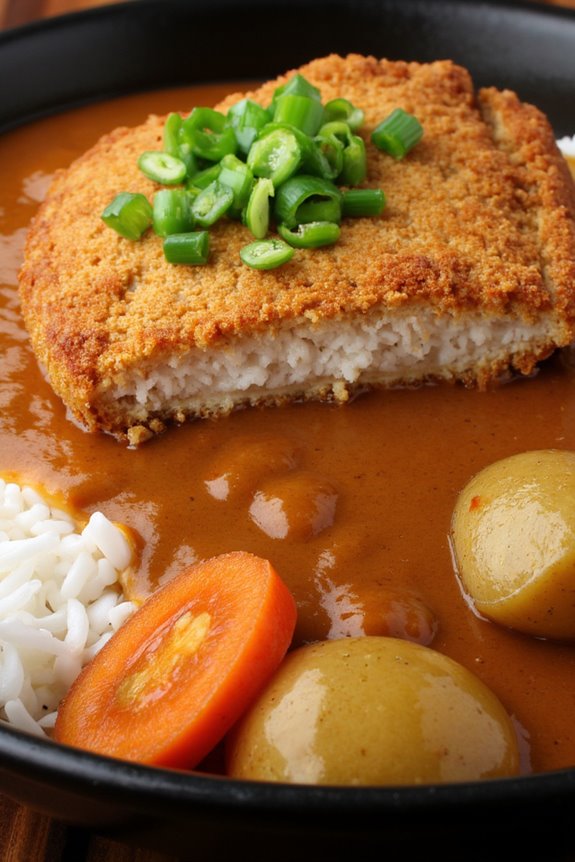
Pork Katsu Curry is a beloved Japanese dish that combines the crispy, golden-brown goodness of breaded pork cutlets with a rich and flavorful curry sauce. This dish is a perfect example of how Japanese cuisine takes inspiration from Western cooking—specifically, the classic schnitzel—and transforms it into something uniquely delicious.
The contrast between the crunch of the Katsu and the warmth of the curry sauce creates a delightful dining experience that’s both comforting and satisfying.
Making Pork Katsu Curry at home is easier than it may seem. With just a few ingredients and some simple steps, you can recreate this restaurant-quality dish in your own kitchen. Whether you’re cooking for a family gathering or just a cozy dinner for yourself, this recipe serves 4-6 people and is sure to impress.
Gather your ingredients, put on your apron, and let’s immerse ourselves in the world of Japanese cooking!
Ingredients:
- 4 boneless pork chops (about 1 inch thick)
- Salt and pepper, to taste
- 1 cup all-purpose flour
- 2 large eggs, beaten
- 2 cups panko breadcrumbs
- Vegetable oil, for frying
- 2 cups water
- 1 medium onion, sliced
- 2 medium carrots, sliced
- 2 medium potatoes, diced
- 3 tablespoons Japanese curry powder (or 1 block of store-bought curry)
- Cooked rice, for serving
- Chopped green onions, for garnish (optional)
Cooking Instructions:
- Prepare the Pork Cutlets: Start by seasoning the pork chops with salt and pepper on both sides. This step is essential as it enhances the flavor of the meat.
- Bread the Pork: Set up a breading station with three shallow dishes: one with flour, one with beaten eggs, and one with panko breadcrumbs. Dredge each pork chop in flour, shaking off the excess. Dip it into the beaten eggs, allowing any excess to drip off, and finally, coat it thoroughly with panko breadcrumbs. Press the breadcrumbs onto the pork to make sure they stick well.
- Fry the Pork Cutlets: In a large skillet, heat about 1/4 inch of vegetable oil over medium heat. Once the oil is hot (you can test it by dropping in a few breadcrumbs; they should sizzle), carefully place the breaded pork cutlets in the skillet. Fry for about 4-5 minutes on each side until they’re golden brown and cooked through. Remove the cutlets from the skillet and let them drain on paper towels.
- Make the Curry Sauce: In a separate pot, heat a little oil over medium heat and sauté the sliced onions until they become translucent. Add the sliced carrots and diced potatoes, cooking for another 5 minutes. Pour in the water and bring it to a boil. Once boiling, reduce the heat to a simmer and add the Japanese curry powder or curry blocks. Stir until well combined and let it simmer for about 15-20 minutes, until the vegetables are tender.
- Serve the Dish: Slice the fried pork cutlets into strips. On each plate, serve a portion of cooked rice topped with the curry sauce and arranged slices of pork Katsu. Garnish with chopped green onions if desired.
Extra Tips:
For an extra crunch, you can double-dip the pork cutlets in the egg and panko for a thicker coating. Additionally, feel free to customize the curry by adding other vegetables such as bell peppers or peas for more texture and flavor.
If you have leftovers, the Katsu can be reheated in an oven to maintain its crispiness. Enjoy your homemade Pork Katsu Curry!
Pork and Cabbage Stir-Fry: Yakisoba Style
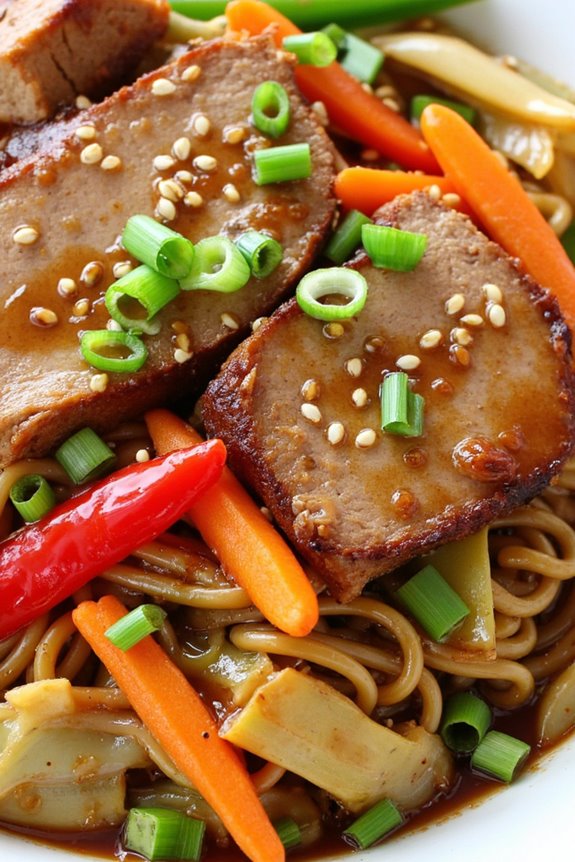
Pork and Cabbage Stir-Fry, often known as Yakisoba, is a delicious and satisfying dish that showcases the flavors of Japanese cuisine. This dish combines tender slices of pork with crunchy cabbage and other colorful vegetables, all stir-fried together in a savory sauce. The noodles are a key component, absorbing the flavors of the stir-fry and creating a filling meal perfect for family dinners or entertaining friends.
The beauty of this dish lies in its versatility; you can add additional vegetables or substitute proteins according to your preferences.
Cooking Yakisoba is quick and straightforward, making it an ideal choice for busy weeknights. The key to achieving the perfect stir-fry is to prepare all your ingredients in advance and cook them over high heat while continuously stirring. This guarantees that everything cooks evenly and retains its texture and flavor. With a few basic ingredients and a bit of preparation, you can bring the vibrant taste of Japanese street food right to your kitchen.
Ingredients (Serves 4-6):
- 1 lb (450g) pork tenderloin or pork belly, thinly sliced
- 1 medium green cabbage, shredded
- 2 medium carrots, julienned
- 1 bell pepper (red or green), sliced
- 1 medium onion, sliced
- 3 green onions, chopped
- 2 packs of yakisoba noodles (about 14 oz or 400g total)
- 4 tablespoons soy sauce
- 2 tablespoons oyster sauce
- 1 tablespoon Worcestershire sauce
- 2 tablespoons vegetable oil (for frying)
- 1 tablespoon sesame oil (optional, for flavor)
- Salt and pepper to taste
- Sesame seeds (for garnish, optional)
Cooking Instructions:
- Prepare the Ingredients: Begin by slicing the pork into thin strips and shredding the cabbage. Julienne the carrots, slice the bell pepper, and onion, and chop the green onions. Having all your ingredients prepped will make the cooking process smoother and more efficient.
- Cook the Pork: In a large wok or skillet, heat 1 tablespoon of vegetable oil over medium-high heat. Add the sliced pork and season with a bit of salt and pepper. Stir-fry the pork for about 5-7 minutes until it’s browned and cooked through. Make sure to separate the pieces to avoid clumping. Once done, remove the pork from the pan and set aside.
- Stir-Fry the Vegetables: In the same wok, add another tablespoon of vegetable oil. Add the sliced onion, carrots, and bell pepper. Stir-fry for about 3-4 minutes until they start to soften. Next, add the shredded cabbage and stir-fry for an additional 2-3 minutes until the cabbage is wilted but still has some crunch.
- Add the Noodles: While the vegetables are cooking, prepare the yakisoba noodles according to the package instructions (usually by boiling for a few minutes). Once cooked, drain the noodles and add them directly to the wok with the vegetables.
- Combine and Season: Return the cooked pork to the wok. In a small bowl, mix together the soy sauce, oyster sauce, and Worcestershire sauce. Pour this sauce over the pork, noodles, and vegetables, tossing everything together to guarantee an even coating. Cook for an additional 2-3 minutes, allowing the flavors to meld together.
- Finish and Serve: Once everything is heated through and well combined, drizzle with sesame oil if using, and give it one final toss. Serve hot, garnished with chopped green onions and sesame seeds if desired.
Extra Tips:
When preparing Pork and Cabbage Stir-Fry, make sure that all your ingredients are sliced and ready to go before you start cooking. This dish is best cooked quickly over high heat, so having everything prepped will help maintain the texture and freshness of the vegetables.
Feel free to customize the recipe by adding other vegetables like bean sprouts or mushrooms, or using chicken or tofu instead of pork. For added depth of flavor, consider marinating the pork in the sauces for a short time before cooking. Enjoy your homemade Yakisoba!
