


When it comes to Filipino cuisine, the allure of tender and flavorful pork dishes is undeniable. Think of the savory layers of Classic Pork Adobo and the crispy delight of Lechon Kawali—each dish is a heartwarming piece of tradition. These ten recipes are perfect for gathering loved ones around the table, eager to enjoy bold and comforting flavors. Let’s explore these satisfying dishes that everyone will be craving. Get ready to add a touch of Filipino magic to your meals.
Classic Pork Adobo

Pork Adobo is one of the most beloved dishes in Filipino cuisine, renowned for its rich flavors and simplicity. This classic dish is a delightful combination of tender pork marinated and cooked in a savory sauce made with soy sauce, vinegar, garlic, and spices. The result is a mouthwatering meal that perfectly balances salty and tangy notes, making it a staple in many Filipino households.
Often served with steamed rice, Pork Adobo isn’t just a meal; it’s a comforting dish that brings people together. Traditionally, this recipe varies from region to region, with each family having their own take on how to prepare it. Some may add potatoes or hard-boiled eggs, while others prefer to keep it simple and straightforward.
Regardless of the variations, the essence of Pork Adobo remains the same—tender, flavorful meat simmered to perfection. Whether you’re cooking for a family dinner or a special occasion, this Classic Pork Adobo is sure to impress.
Ingredients (serving size: 4-6 people):
- 2 pounds pork belly, cut into cubes
- 1 cup soy sauce
- 1 cup vinegar (preferably cane vinegar)
- 1 tablespoon vegetable oil
- 1 onion, chopped
- 6 cloves garlic, minced
- 2 bay leaves
- 1 teaspoon black peppercorns
- 1-2 teaspoons sugar (optional)
- 1 cup water
- Salt to taste
- Chopped green onions (for garnish, optional)
Cooking Instructions:
- Marinate the Pork: In a large bowl, combine the pork cubes with soy sauce, minced garlic, and black peppercorns. Confirm that the pork is well-coated. Cover and let it marinate for at least 30 minutes, or preferably overnight in the refrigerator for deeper flavor.
- Sauté the Aromatics: In a large pot or deep skillet, heat the vegetable oil over medium heat. Add the chopped onion and sauté until it becomes translucent, about 3-4 minutes. This step will enhance the flavor base of the dish.
- Brown the Pork: Remove the pork from the marinade (reserving the marinade for later) and add the pork cubes to the pot. Sear the pork until it’s browned on all sides, about 5-7 minutes. This step adds a nice depth of flavor through caramelization.
- Add the Marinade and Vinegar: Pour the reserved marinade and vinegar into the pot. Don’t stir immediately; let it boil for about 2-3 minutes to cook off the raw vinegar taste. This is essential for achieving the right flavor profile.
- Simmer the Adobo: Add the bay leaves, water, and sugar (if using) to the pot. Stir to combine and bring the mixture to a boil. Once boiling, reduce the heat to low, cover, and simmer for about 40-50 minutes, or until the pork is tender. Stir occasionally and check for doneness.
- Adjust Seasoning and Thicken: Once the pork is tender, taste the sauce and adjust seasoning with salt or additional sugar if needed. If you prefer a thicker sauce, uncover the pot and let it simmer for an additional 10-15 minutes to reduce and thicken the sauce.
- Serve: Remove the pot from heat and let it rest for a few minutes. Serve the Pork Adobo hot, garnished with chopped green onions, alongside steamed rice to soak up the delicious sauce.
Extra Tips: When making Pork Adobo, feel free to experiment with additional ingredients like potatoes or hard-boiled eggs to personalize the dish to your taste. If you like it spicy, you can add whole dried chili peppers during the simmering stage.
For a richer flavor, some cooks prefer to use a combination of pork cuts, including pork shoulder or ribs. Finally, remember that the dish often tastes even better the next day, as the flavors continue to meld, making leftovers a welcome treat!
Lechon Kawali
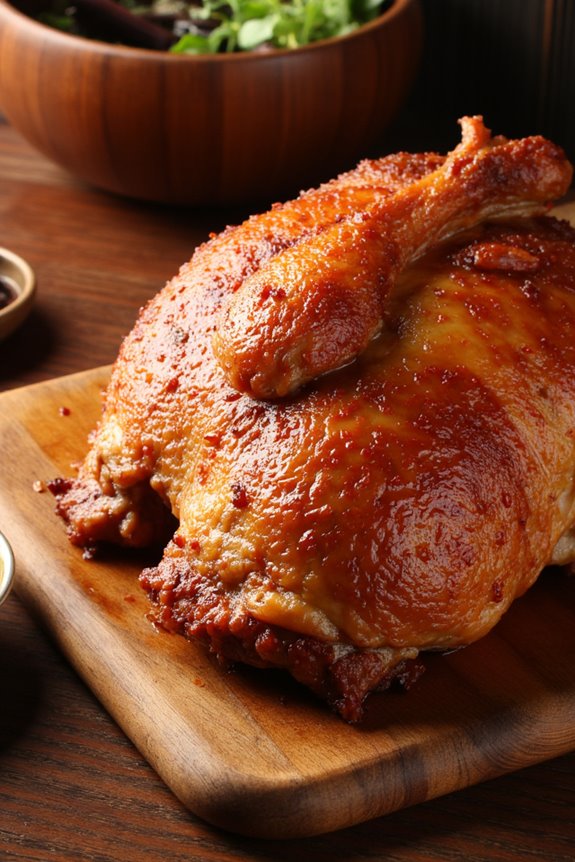
Lechon Kawali is a beloved Filipino dish that features deep-fried pork belly, known for its crispy skin and tender, juicy meat. This dish is often served during festive occasions and family gatherings, becoming a staple in Filipino cuisine. Its mouthwatering flavors and satisfying crunch make it a favorite among many, and it’s typically enjoyed with a side of liver sauce or vinegar dipping sauce to enhance its rich taste.
The preparation of Lechon Kawali requires some time and patience, but the end result is well worth the effort. The key to achieving that perfect crunch is in the cooking method, which involves boiling the pork belly first to tenderize the meat before frying it to crispy perfection. This dish isn’t only a gastronomic delight but also a joyful experience to share with loved ones.
Ingredients (Serves 4-6)
- 2 to 3 pounds pork belly
- 1 tablespoon salt
- 1 tablespoon black pepper
- 1 onion, quartered
- 4 cloves garlic, crushed
- 2 bay leaves
- Water (enough to cover the pork belly)
- Cooking oil (for deep frying)
Cooking Instructions
- Prepare the Pork Belly: Start by rinsing the pork belly under cold water. Pat it dry with paper towels. This guarantees that the skin is dry, which is important for achieving crispiness later on.
- Boil the Pork: In a large pot, combine the pork belly, salt, black pepper, onion, garlic, bay leaves, and enough water to cover the meat. Bring the pot to a boil over medium-high heat. Once boiling, reduce the heat to low and let it simmer for about 45 minutes to 1 hour, or until the pork is tender.
- Cool and Dry the Pork: Once the pork is tender, carefully remove it from the pot and let it cool on a wire rack. Pat the skin dry with paper towels. This step is vital as excess moisture will prevent the skin from becoming crispy during frying.
- Heat the Oil: In a deep frying pan or wok, heat enough cooking oil over medium-high heat to submerge the pork belly. Allow the oil to reach about 350°F (175°C).
- Fry the Pork: Once the oil is hot, carefully lower the cooled pork belly into the oil. Fry for about 10-15 minutes, or until the skin is golden brown and crispy. Make sure to watch it closely to prevent burning.
- Drain and Serve: Once the skin is crispy, remove the pork belly from the oil and let it drain on paper towels to remove excess oil. Allow it to rest for a few minutes before slicing into bite-sized pieces.
Extra Tips
For the best results, allow the boiled pork belly to cool completely before frying. Some cooks even recommend refrigerating the pork overnight to really dry out the skin. This helps achieve that coveted crispy texture that’s characteristic of a well-made Lechon Kawali.
Additionally, consider serving it with a side of homemade liver sauce or a vinegar dipping sauce for a delightful contrast to the rich flavors of the pork. Enjoy your delicious Lechon Kawali with family and friends!
Sinigang Na Baboy
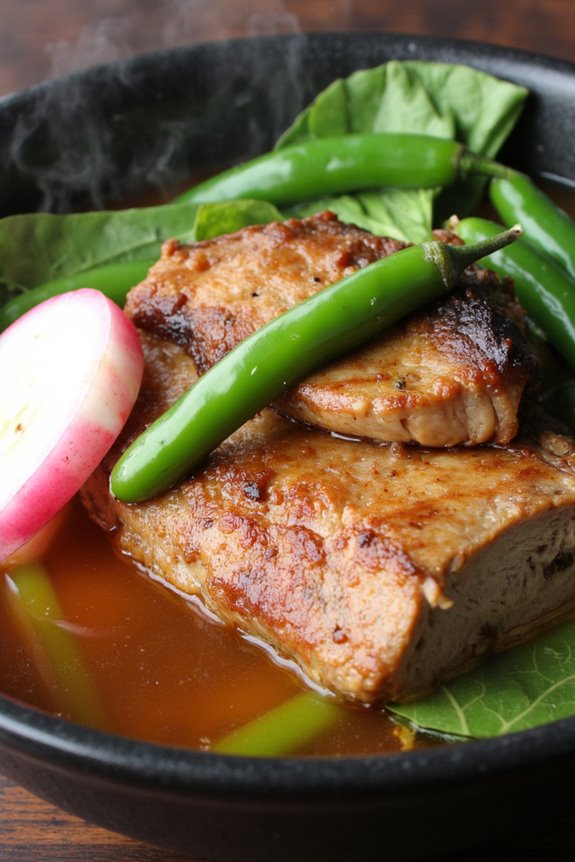
Sinigang Na Baboy is a traditional Filipino sour soup that highlights the unique flavors of the Philippines. This dish is especially loved for its tangy taste, which comes from the use of tamarind or other souring agents like calamansi or green mangoes. The combination of tender pork, fresh vegetables, and a flavorful broth makes sinigang a staple in many Filipino households.
Whether served on a rainy day or during special family gatherings, it warms the heart and brings everyone together.
Cooking sinigang isn’t only about following a recipe but also about embracing the rich culinary heritage of the Philippines. Each family may have its own version, incorporating different proteins or vegetables based on personal preferences or regional ingredients. This recipe will guide you through creating a delicious and authentic Sinigang Na Baboy that can be enjoyed by 4-6 people.
Ingredients:
- 1.5 lbs pork belly or pork spare ribs
- 8 cups water
- 1 medium onion, quartered
- 2 medium tomatoes, quartered
- 1 radish (labanos), sliced
- 2-3 green chili peppers (siling pangsigang)
- 1 cup water spinach (kangkong) or other leafy greens
- 1 cup eggplant, sliced
- 1 cup string beans (sitaw), cut into 2-inch pieces
- 1 cup tamarind paste or 1 cup fresh tamarind pods
- 2-3 tablespoons fish sauce (patis)
- Salt and pepper to taste
Cooking Instructions:
- Prepare the Pork: In a large pot, add the pork belly or pork spare ribs along with 8 cups of water. Bring to a boil over medium-high heat. Skim off any scum that rises to the surface for a clear broth. This process is essential to guarantee a clean and flavorful soup.
- Add Aromatics: Once the broth is clear, add the quartered onion and tomatoes to the pot. Let them simmer for about 10 minutes. The onions will soften and sweeten, while the tomatoes will break down and contribute to the soup’s flavor.
- Add the Tamarind: If using fresh tamarind, you’ll need to cook it separately. Boil the tamarind pods in a cup of water until soft, then mash and strain to extract the juice. Add this tamarind juice or the tamarind paste directly to the pot. This introduces the signature sourness of the dish.
- Incorporate Vegetables: Next, add the radish, eggplant, and string beans to the pot. Allow these vegetables to cook for about 5-7 minutes until they’re tender yet still crisp. This step guarantees that the veggies retain their vibrant colors and nutrients.
- Season the Broth: Stir in the fish sauce and season the broth with salt and pepper to taste. Fish sauce adds depth to the flavor profile of the soup, so adjust according to your preference.
- Add Greens and Chili: Finally, add the water spinach and green chili peppers. Cook for an additional 2-3 minutes until the greens are wilted and the chili peppers have released their flavor into the broth. This final step adds freshness and a touch of spice to the sinigang.
- Serve and Enjoy: Ladle the hot sinigang into bowls and serve with steamed rice on the side. Enjoy the comforting flavors that this classic dish has to offer!
Extra Tips:
For a more intense flavor, consider adding a few pieces of green mango or calamansi as a souring agent along with the tamarind.
If you prefer a thicker broth, you can simmer the soup for a longer period to allow the flavors to meld together. Additionally, feel free to customize the vegetables based on what’s in season or available to you, making this dish versatile and enjoyable all year round.
Bicol Express
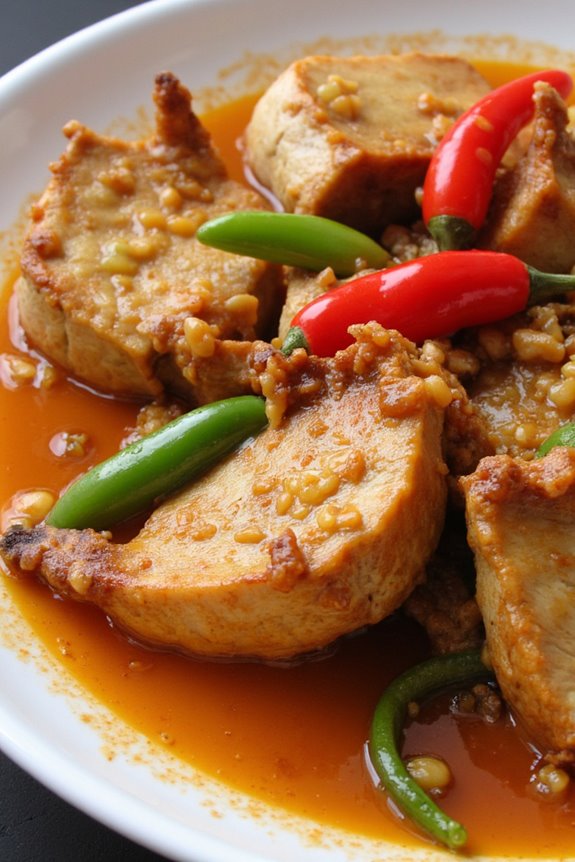
Bicol Express is a popular Filipino dish known for its rich, spicy, and creamy flavors, originating from the Bicol region of the Philippines. The dish typically consists of pork, coconut milk, and chili peppers, making it a perfect combination of savory and spicy flavors. It’s a hearty meal that’s best served with a side of steamed rice, allowing you to enjoy the delicious sauce that accompanies the tender pork.
The name “Bicol Express” comes from the train service that used to run from Manila to the Bicol region, symbolizing the quick and savory essence of this dish.
To prepare Bicol Express, the key is to balance the heat from the chili peppers with the creaminess of the coconut milk. The use of shrimp paste (bagoong) adds a unique umami flavor that enhances the overall taste of the dish. While it may take some time to cook, the process is straightforward and rewarding, resulting in a meal that’s sure to impress family and friends.
Ingredients (Serves 4-6):
- 1 kg pork belly, cut into bite-sized pieces
- 2 tablespoons vegetable oil
- 1 medium onion, chopped
- 5 cloves garlic, minced
- 2-3 long green chili peppers (siling pangsigang)
- 1-2 red chili peppers (siling labuyo) – adjust based on desired spiciness
- 1 cup shrimp paste (bagoong)
- 2 cups coconut milk
- 1 cup water
- 1 teaspoon ground black pepper
- Salt to taste
- 1 tablespoon fish sauce (optional)
- 1 tablespoon sugar (optional)
Cooking Instructions:
- Sauté Aromatics: In a large pot or pan, heat the vegetable oil over medium heat. Add the chopped onions and minced garlic, sautéing until they become fragrant and the onions are translucent. This step builds the foundational flavors for your Bicol Express.
- Brown the Pork: Add the pork belly pieces to the pot, stirring occasionally until they’re browned on all sides. This process helps to render some of the fat from the pork, which will add more flavor to the dish.
- Add Shrimp Paste: Once the pork is browned, stir in the shrimp paste. Mix well and cook for about 2-3 minutes. This step infuses the pork with a savory umami flavor that’s characteristic of Bicol Express.
- Incorporate Coconut Milk and Water: Pour in the coconut milk and water, stirring to combine all ingredients. The coconut milk gives the dish its creamy texture, while the water helps create a sauce. Bring the mixture to a gentle boil.
- Season the Sauce: Add ground black pepper, salt, and fish sauce if you’re using it. Stir well to guarantee even seasoning. You can also add sugar at this point to balance the flavors, especially if you prefer a slight sweetness.
- Add Chili Peppers: Carefully place the long green chili peppers and red chili peppers into the pot. These will impart the characteristic heat of Bicol Express. You can either slice them or leave them whole, depending on how spicy you want the dish to be.
- Simmer: Reduce the heat to low and let the mixture simmer for about 30-40 minutes, or until the pork is tender and the sauce has thickened. Stir occasionally to prevent sticking. This slow cooking allows the flavors to meld beautifully.
- Final Taste Adjustment: Taste the sauce and adjust seasoning as necessary, adding more salt or shrimp paste if desired.
- Serve Hot: Once done, remove from heat and serve hot over steamed rice. Enjoy the rich, creamy, and spicy flavors of Bicol Express with your family and friends.
Extra Tips: To enhance the flavor of your Bicol Express, consider using fresh coconut milk instead of canned for a more authentic taste.
Additionally, the heat of the dish can be adjusted by varying the amount and type of chili peppers used. If you want a milder version, you can deseed the peppers or use fewer chilies.
Finally, this dish can be made a day in advance; the flavors deepen and improve overnight, making it even more delicious when reheated.
Pork BBQ Skewers

Pork BBQ skewers, known locally as “Pork Barbecue,” are a quintessential Filipino street food that’s loved by many for their smoky flavor and sweet, tangy marinade. Perfect for gatherings, barbecues, or just a casual meal at home, these skewers are easy to prepare and grill, making them a favorite for both adults and children alike.
The combination of soy sauce, vinegar, and a touch of sugar creates a wonderful balance of flavors that perfectly complements the juicy pork. To make these skewers even more delightful, they’re often served with a spicy vinegar dipping sauce or a side of rice.
The marinated pork is threaded onto bamboo skewers and grilled over charcoal, allowing the meat to absorb that delicious smoky flavor. These Pork BBQ Skewers aren’t only delicious but also a wonderful way to bring a taste of the Philippines to your dining table.
Ingredients (Serves 4-6)
- 2 pounds pork shoulder or belly, cut into bite-sized pieces
- 1/2 cup soy sauce
- 1/4 cup cane vinegar or white vinegar
- 1/4 cup brown sugar
- 1 tablespoon minced garlic
- 1 tablespoon ground black pepper
- 1 tablespoon calamansi juice (or lime juice)
- 1/2 teaspoon salt
- Bamboo skewers, soaked in water for at least 30 minutes
- Optional: chopped fresh parsley for garnish
Cooking Instructions
- Prepare the Marinade: In a large bowl, combine the soy sauce, cane vinegar, brown sugar, minced garlic, ground black pepper, calamansi juice, and salt. Whisk the ingredients together until the sugar is dissolved and the mixture is well combined.
- Marinate the Pork: Add the pork pieces to the marinade, ensuring that all the meat is thoroughly coated. Cover the bowl and refrigerate for at least 2 hours, ideally overnight. This allows the flavors to penetrate the meat, making it more flavorful and tender.
- Skewer the Pork: After marination, remove the pork from the refrigerator. Take the soaked bamboo skewers and thread the marinated pork pieces onto each skewer, leaving a little space between each piece for even cooking.
- Preheat the Grill: Preheat your grill to medium-high heat. If using charcoal, let the coals get hot and ashy; for gas grills, allow it to reach the desired temperature.
- Grill the Skewers: Place the skewers on the grill and cook for about 10-15 minutes, turning occasionally, until the pork is cooked through and has nice grill marks. If desired, brush with leftover marinade during grilling for added flavor.
- Serve: Once cooked, remove the skewers from the grill and let them rest for a few minutes. Serve hot with a side of rice and a dipping sauce, if desired.
Extra Tips
For a deeper flavor, consider adding a bit of coconut milk or pineapple juice to the marinade for a tropical twist. Additionally, feel free to customize the skewers by adding vegetables such as bell peppers or onions alongside the pork for a colorful and nutritious meal.
Always keep an eye on the grilling process to prevent burning, as grilling times can vary based on the heat of the grill and size of the pork pieces. Enjoy your Pork BBQ Skewers with friends and family for a true taste of Filipino cuisine!
Kare-Kare
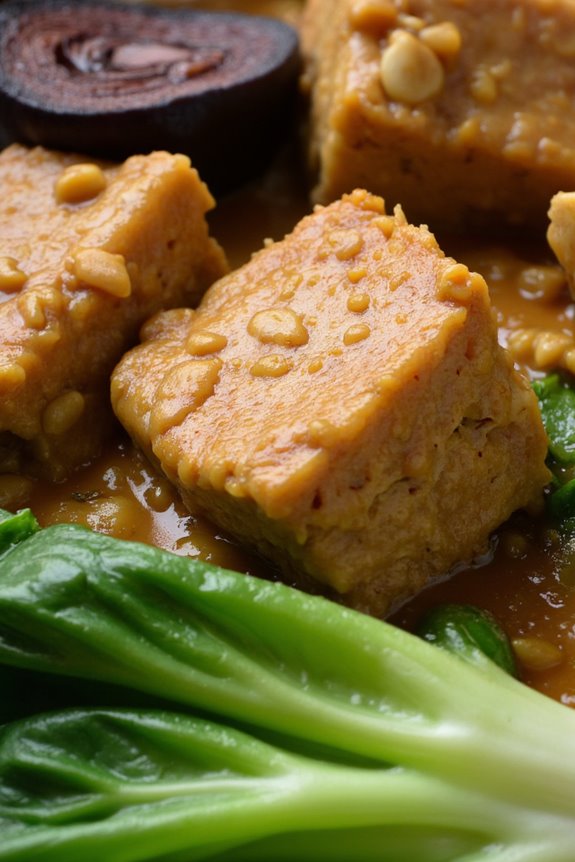
Kare-Kare is a traditional Filipino stew known for its rich and creamy peanut sauce, typically made with oxtail, tripe, or pork. This dish is often served with bagoong (fermented shrimp paste) on the side, enhancing the savory flavors of the stew.
Although it may seem complex, kare-kare is a comforting dish that brings families together, especially during festive occasions or gatherings. The combination of tender meat and vibrant vegetables creates a delightful meal that’s both satisfying and wholesome.
To achieve the perfect kare-kare, the key lies in the peanut sauce, which can be made from ground peanuts or peanut butter. The sauce is complemented by a variety of vegetables, adding color and nutrition to the dish. Traditionally, it’s served with steamed rice, making it a hearty meal that can be enjoyed by 4 to 6 people. Below is a complete recipe to help you recreate this iconic Filipino dish in your own kitchen.
Ingredients (Serves 4-6)
- 2 lbs pork belly or oxtail, cut into chunks
- 1/2 cup peanut butter
- 1/4 cup ground peanuts (optional)
- 4 cups water
- 1 medium onion, chopped
- 3 cloves garlic, minced
- 1/4 tsp annatto powder (or 1 tbsp annatto seeds soaked in water)
- 1 eggplant, sliced
- 1 banana heart, sliced (optional)
- 1 cup long green beans (sitaw), cut into 2-inch pieces
- 1/2 cup baby bok choy or pechay
- Salt and pepper to taste
- Bagoong (fermented shrimp paste) for serving
Cooking Instructions
- Prepare the Meat: In a large pot, combine the pork belly (or oxtail) with water, chopped onion, and minced garlic. Bring to a boil over medium heat, then lower the heat and let it simmer for about 1.5 to 2 hours or until the meat is tender. Skim off any foam that rises to the top to keep the broth clear.
- Make the Sauce: Once the meat is tender, remove it from the pot and set it aside. Strain the broth and reserve it for later use. In the same pot, add the peanut butter and ground peanuts (if using) to the broth over low heat. Stir continuously until well combined, allowing the sauce to thicken slightly.
- Add the Annatto: If using annatto powder, dissolve it in a little warm water and add it to the peanut sauce for color. If using soaked annatto seeds, add the seeds directly to the sauce. Stir until the sauce reaches your desired color and consistency.
- Incorporate the Vegetables: Return the tender meat to the pot and add the sliced eggplant, banana heart, and green beans. Allow them to simmer in the sauce for about 10 minutes or until the vegetables are tender but still vibrant in color.
- Finish with Bok Choy: Finally, add the baby bok choy and cook for an additional 2-3 minutes. Season the kare-kare with salt and pepper to taste. Once everything is well combined and heated through, remove from heat.
- Serve: Serve the kare-kare hot with steamed rice and a side of bagoong.
Extra Tips
When preparing kare-kare, feel free to adjust the thickness of the sauce by adding more or less broth based on your preference. Some people also like to add a dash of fish sauce for an extra layer of flavor.
For a vegetarian version, you can substitute the meat with tofu and use vegetable broth instead. Additionally, don’t be afraid to experiment with different vegetables based on what you enjoy or have on hand, as kare-kare is quite versatile!
Menudo

Pork Menudo is a classic Filipino dish that showcases the rich flavors and colorful ingredients of Filipino cuisine. This savory stew features tender pork, vibrant vegetables, and a rich tomato sauce, making it a staple at family gatherings and special occasions. The combination of pork, liver, and vegetables creates a hearty and satisfying meal that’s best served with steamed rice, allowing you to savor every bite of this delicious dish.
The origins of Menudo can be traced back to the Spanish influence on Filipino cooking, which is evident in its use of tomatoes and spices. Each family has its own unique take on this dish, often incorporating different vegetables and seasonings based on personal preference. The versatility of Pork Menudo makes it a beloved recipe that can be easily adapted for various palates while still maintaining its traditional essence.
Ingredients (Serves 4-6)
- 1 kg pork belly, diced
- 200 g pork liver, diced
- 2 medium-sized potatoes, diced
- 1 medium-sized carrot, diced
- 1 cup green bell pepper, diced
- 1 cup tomato sauce
- 1 medium-sized onion, chopped
- 4 cloves garlic, minced
- 2 cups water
- 2 tablespoons soy sauce
- 1 tablespoon fish sauce
- 1 teaspoon ground black pepper
- 2 tablespoons cooking oil
- Salt to taste
- Optional: 1 cup raisins for sweetness
Cooking Instructions
- Prepare the Ingredients: Start by washing and cutting the pork, liver, and vegetables into uniform pieces. This guarantees even cooking. Dice the onions and mince the garlic to prepare for sautéing. If using raisins, set them aside for later.
- Sauté the Aromatics: In a large pot or deep pan, heat the cooking oil over medium heat. Add the minced garlic and chopped onions, sautéing them until the onions become translucent and fragrant. This step builds a flavorful base for the dish.
- Brown the Pork: Add the diced pork belly to the pot, stirring to coat the meat in the sautéed aromatics. Cook until the pork starts to brown slightly. This step enhances the flavor of the pork and adds depth to the overall dish.
- Add Liver and Seasonings: Once the pork is browned, add the diced pork liver to the pot. Stir everything together and season with soy sauce, fish sauce, and ground black pepper. Cook for another 3-4 minutes until the liver is slightly cooked.
- Incorporate Tomato Sauce and Water: Pour in the tomato sauce and water, mixing well to combine. Bring the mixture to a boil, then reduce the heat to a simmer. Allow it to cook for about 30 minutes, stirring occasionally, until the pork is tender.
- Add Vegetables: After the pork is tender, add the diced potatoes, carrots, and green bell pepper to the pot. If you’re using raisins, add them at this point as well. Let the dish simmer for an additional 10-15 minutes until the vegetables are cooked through but still retain their shape.
- Final Seasoning: Taste the Menudo and adjust the seasoning with salt as needed. Allow it to simmer for a few more minutes to guarantee all the flavors meld together perfectly.
- Serve: Once everything is cooked through and flavorful, remove the pot from the heat. Serve the Pork Menudo hot with steamed rice on the side, garnishing with additional bell pepper or green onions if desired.
Extra Tips
When making Pork Menudo, feel free to customize the dish to your taste by adding other vegetables such as peas or corn. For a richer flavor, you can use a combination of fresh tomatoes and tomato sauce. If you prefer a thicker sauce, let the stew simmer longer to reduce it.
Make sure to taste as you go to achieve the perfect balance of flavors that suit your palate. Leftovers can be stored in the refrigerator and taste even better the next day as the flavors continue to develop. Enjoy your cooking!
Tocino
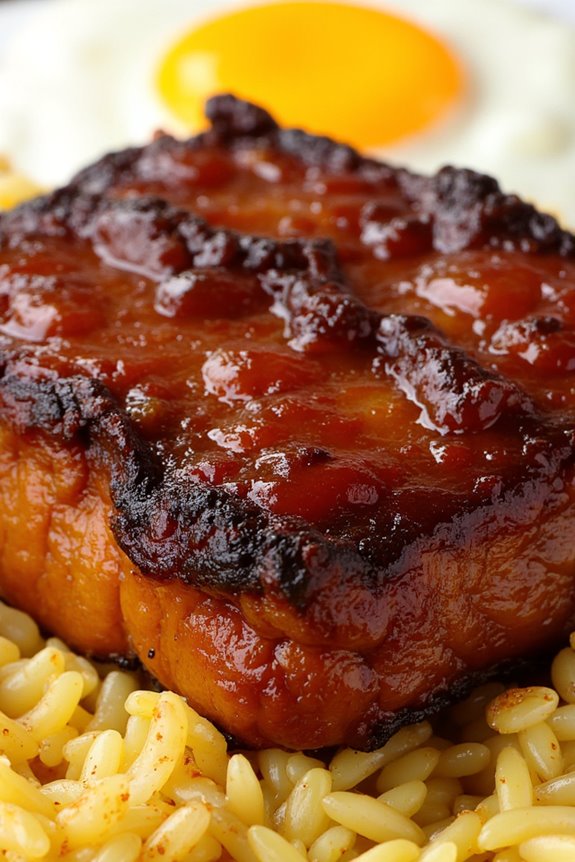
Tocino is a beloved Filipino dish, known for its sweet, savory flavor and tender texture. Traditionally made from pork, this dish is marinated in a mixture that includes sugar, soy sauce, and various spices, allowing the meat to absorb all the wonderful flavors.
Tocino is typically served for breakfast, often alongside garlic fried rice and a fried egg, making it a complete and satisfying meal to start your day. The marinating process is essential for tocino, as it enhances the meat’s taste and gives it that signature caramelized exterior when cooked.
While there are many variations of tocino based on regional preferences or personal tastes, the classic version remains a favorite for many families in the Philippines. Whether enjoyed during a special occasion or as a comforting everyday meal, tocino truly captures the essence of Filipino cuisine.
Ingredients (Serves 4-6 people):
- 1.5 lbs pork belly, sliced into thin pieces
- 1/2 cup sugar
- 1/4 cup soy sauce
- 1/4 cup vinegar
- 1 teaspoon garlic powder
- 1/2 teaspoon black pepper
- 1/2 teaspoon salt
- 1/4 teaspoon red food coloring (optional)
- 1 tablespoon cooking oil (for frying)
Cooking Instructions:
- Prepare the Marinade: In a mixing bowl, combine the sugar, soy sauce, vinegar, garlic powder, black pepper, salt, and red food coloring (if using). Stir the mixture until the sugar is dissolved and all ingredients are well blended.
- Marinate the Pork: Add the sliced pork belly to the marinade, ensuring each piece is well-coated. Cover the bowl with plastic wrap or transfer the mixture to a zip-top bag. Allow the pork to marinate in the refrigerator for at least 4 hours, or preferably overnight, for maximum flavor.
- Heat the Oil: When ready to cook, heat a tablespoon of cooking oil in a large skillet over medium heat. Make sure the oil is hot but not smoking, as this will help achieve a nice caramelization on the pork.
- Cook the Pork: Remove the pork from the marinade, letting any excess liquid drip off. Place the marinated pork slices in the hot skillet in a single layer, making sure not to overcrowd the pan. Cook for about 4-5 minutes on each side, or until the pork is cooked through and caramelized on the outside. If the sugar starts to burn, lower the heat.
- Serve: Once cooked, transfer the tocino to a plate. It can be enjoyed with garlic fried rice and a sunny-side-up egg for a traditional Filipino breakfast.
Extra Tips:
For a deeper flavor, consider adding some crushed pineapple or orange juice into the marinade for a fruity twist that complements the sweetness of the tocino.
Also, be sure to watch the cooking time closely, as pork can easily overcook and become tough. If you’re making a larger batch, you can store the extra marinated tocino in the freezer for future meals.
Dinuguan
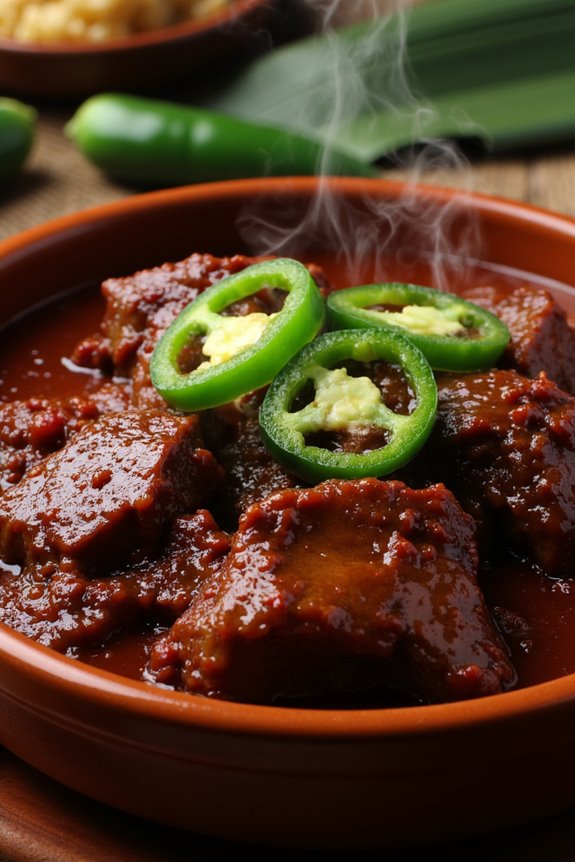
Dinuguan is a traditional Filipino dish known for its rich, savory flavor and unique ingredients. Often referred to as “chocolate meat,” this hearty stew is primarily made from pork and pig’s blood. It’s typically served with steamed rice or rice cakes and is popular in Filipino households, especially during festive occasions and family gatherings.
The dish’s name comes from the Filipino word “dugo,” which means blood, highlighting the dish’s main ingredient. Its bold flavors come from a combination of spices, vinegar, and the distinct taste of the blood, making it a favorite for those who enjoy adventurous culinary experiences.
While Dinuguan may sound intimidating to those unfamiliar with cooking with blood, it’s actually quite straightforward to prepare. The key is to balance the flavors of the vinegar and spices while guaranteeing the pork is tender. Dinuguan can also be customized with various cuts of pork, including belly or shoulder, and can even incorporate offal for those who prefer a more authentic experience.
Whether you’re a seasoned chef or a beginner in the kitchen, this recipe will guide you through making a delicious Dinuguan that will impress family and friends.
Ingredients (serving size: 4-6 people)
- 1 lb pork belly, diced
- 1 lb pork intestines, cleaned and chopped (optional)
- 1 cup pig’s blood
- 1 cup vinegar
- 1 cup water
- 1 onion, chopped
- 4 cloves garlic, minced
- 2-3 green chili peppers, sliced
- 1 tsp salt
- 1 tsp black pepper
- 2 tbsp cooking oil
- 1 tsp sugar
Cooking Instructions
- Prepare the Pork: Start by cleaning the pork belly and intestines (if using). Cut the pork belly into small cubes for even cooking. If you’re using intestines, guarantee they’re thoroughly cleaned and chopped into bite-sized pieces.
- Sauté Aromatics: In a large pot or saucepan, heat the cooking oil over medium heat. Add the minced garlic and chopped onion, sautéing them until the onion becomes translucent and fragrant. This step builds a flavorful base for your Dinuguan.
- Brown the Meat: Add the diced pork belly and intestines (if using) to the pot. Cook until the meat is browned on all sides. Stir occasionally to prevent sticking and to guarantee even cooking. This process enhances the flavor of the meat.
- Combine Ingredients: Once the meat is browned, pour in the vinegar without stirring. Allow it to simmer for about 5 minutes; this helps to cook off the strong vinegar taste. After simmering, stir the mixture well.
- Add Liquids and Seasonings: Pour in the water and add the salt, black pepper, and sugar. Bring the mixture to a boil, then reduce the heat to low. Cover the pot and let it simmer for 30 minutes, allowing the pork to become tender and the flavors to meld.
- Incorporate Pig’s Blood: After 30 minutes, slowly stir in the pig’s blood, guaranteeing that it’s well mixed with the stew. Simmer for an additional 10-15 minutes while stirring gently. This will thicken the sauce and give the dish its distinct color and flavor.
- Add Green Chilies: Finally, add the sliced green chili peppers to the pot. Adjust the seasoning if necessary. Let it cook for another 5 minutes to allow the flavors to blend together.
- Serve: Once cooked, serve the Dinuguan hot with steamed rice or rice cakes. Garnish with additional chili peppers if desired.
Extra Tips
When making Dinuguan, quality of ingredients is essential, especially the pig’s blood; fresh blood will yield the best results. If you can’t find fresh pig’s blood, some grocery stores sell frozen blood, which can also work well.
Additionally, don’t be afraid to adjust the level of acidity by varying the amount of vinegar according to your taste preference. Finally, if you prefer a spicier kick, you can add more green chilies or even a few drops of chili sauce to the finished dish. Enjoy your cooking!
Pata Tim
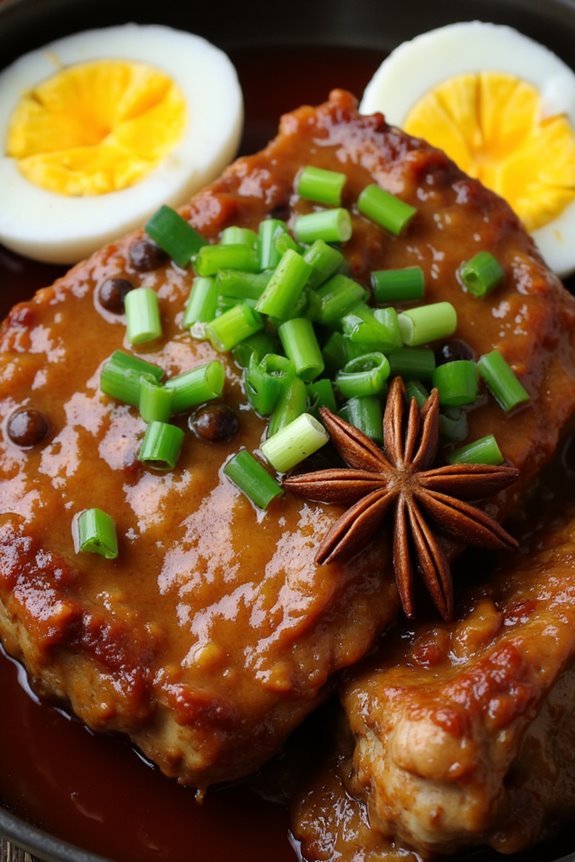
Pata Tim is a beloved Filipino dish that showcases the rich and savory flavors of pork hocks slow-cooked to perfection. This comforting meal combines tender pork, rich broth, and a medley of spices, resulting in a dish that warms the heart and pleases the palate.
Traditionally served during special occasions and family gatherings, Pata Tim is often enjoyed with steamed rice, allowing diners to soak up the delectable sauce.
The dish’s main highlight is the use of pork hocks, which are braised until they become melt-in-your-mouth tender. The addition of soy sauce, spices, and aromatics creates a deeply flavored sauce that enhances the pork’s natural richness.
Whether you’re preparing this dish for a festive celebration or a cozy family dinner, Pata Tim is bound to impress everyone at the table.
Ingredients (Serves 4-6):
- 2 kg pork hocks (pata)
- 1/2 cup soy sauce
- 4 cups water
- 1 onion, quartered
- 4 cloves garlic, minced
- 2-3 star anise
- 1/2 teaspoon black peppercorns
- 2-3 tablespoons brown sugar
- 1/4 cup rice wine (or sherry)
- 2-3 tablespoons cooking oil
- 1 tablespoon cornstarch (optional, for thickening)
- Salt and pepper to taste
- 1-2 hard-boiled eggs (optional, for garnish)
- 2-3 green onions, chopped (for garnish)
Cooking Instructions:
- Prepare the Pork Hocks: Start by rinsing the pork hocks under cold water to remove any impurities. Pat them dry with paper towels. This helps to guarantee a cleaner flavor during cooking.
- Sear the Pork: In a large pot, heat the cooking oil over medium-high heat. Add the pork hocks and sear them on all sides until they turn golden brown. This step adds depth of flavor to the dish by creating a nice crust on the meat.
- Add Aromatics: Once the pork hocks are seared, add the minced garlic and quartered onion to the pot. Sauté for about 2-3 minutes until the onion is translucent and the garlic is fragrant.
- Create the Braising Liquid: Pour in the soy sauce, rice wine, and water. Stir in the brown sugar, star anise, and black peppercorns. Bring the mixture to a simmer.
- Braise the Pork: Reduce the heat to low and cover the pot. Allow the pork hocks to braise for about 2-3 hours or until the meat is tender and easily falls off the bone. Check occasionally and add more water if needed to prevent the liquid from evaporating completely.
- Thicken the Sauce (Optional): If you prefer a thicker sauce, mix the cornstarch with a little water to create a slurry and add it to the pot during the last 10 minutes of cooking. Stir well to combine.
- Season and Garnish: Taste the broth and adjust the seasoning with salt and pepper as needed. Once the pork is tender, remove the pot from the heat. Serve the Pata Tim in a large bowl, garnished with hard-boiled eggs and chopped green onions.
Extra Tips: For a richer flavor, consider marinating the pork hocks in soy sauce and spices for a few hours or overnight before cooking. This allows the meat to absorb more flavors and enhances the overall taste of the dish.
Additionally, you can add vegetables like bok choy or mushrooms during the last few minutes of cooking for extra nutrition and texture. Enjoy your Pata Tim with a side of steamed rice and savor every bite!
