

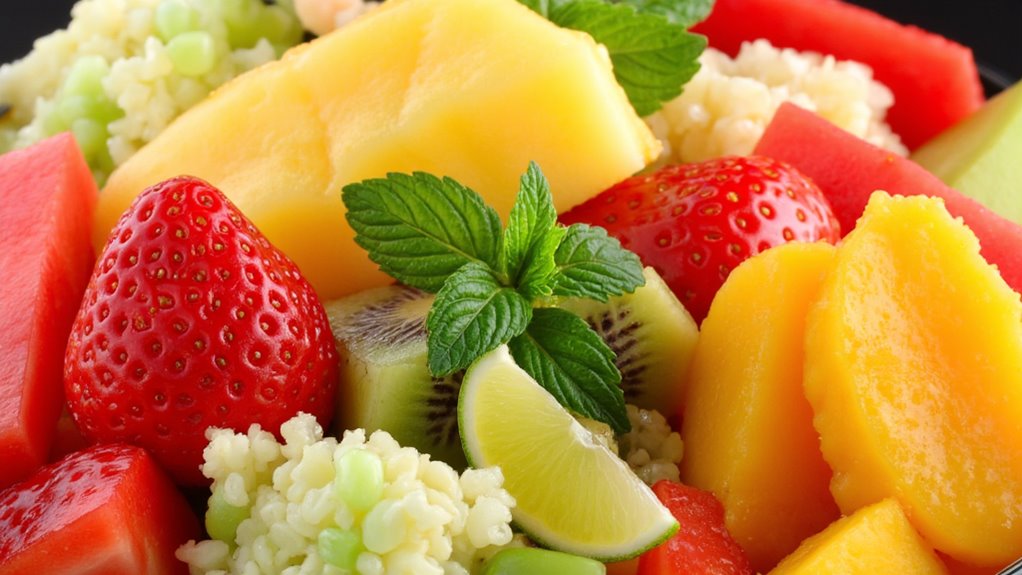
Korean cuisine is a treasure chest filled with vibrant flavors and wholesome ingredients. From the tangy crunch of kimchi to the colorful layers of bibimbap, every dish offers a unique experience. Whether you’re craving comforting stews or refreshing salads, this collection has something to brighten your table. Let’s explore these delightful dishes and see how they can invigorate your meals.
Kimchi: The Fermented Superfood
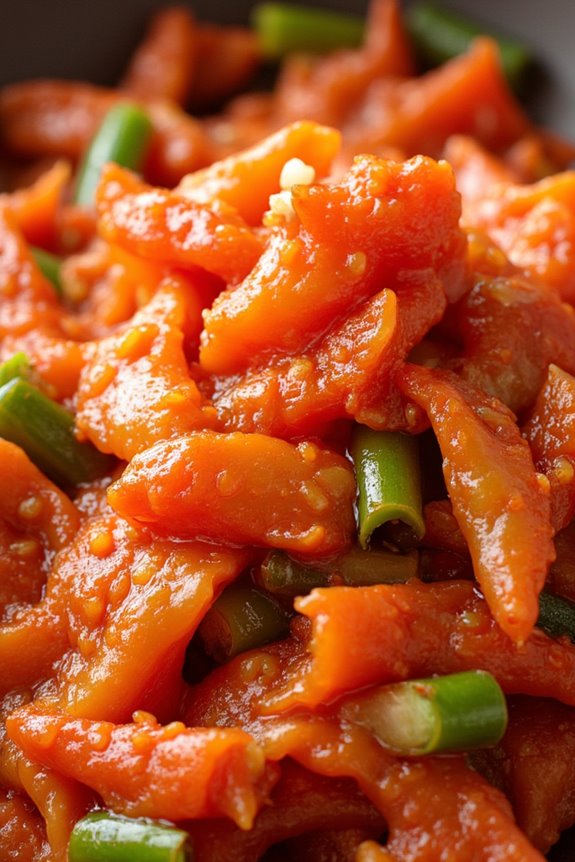
Kimchi is a traditional Korean dish made from fermented vegetables, primarily napa cabbage and radishes, seasoned with a variety of spices and ingredients. Not only is it a staple in Korean cuisine, but it’s also celebrated for its health benefits, including being rich in probiotics, vitamins, and minerals.
The fermentation process enhances the flavor and nutritional profile, making kimchi a superfood that supports gut health, boosts the immune system, and may even aid in weight management.
Making kimchi at home may seem intimidating, but the process is quite straightforward and rewarding. Once you get the hang of it, you can customize the recipe to suit your taste preferences. The key is to allow enough time for the kimchi to ferment, resulting in a tangy, flavorful dish that can be enjoyed on its own or as a side to many meals.
This recipe serves 4-6 people and can be stored in the refrigerator for weeks, developing its flavor over time.
Ingredients (Serves 4-6)
- 1 large napa cabbage
- 1/2 cup sea salt
- 4 cups water
- 1 cup Korean radish (mu), julienned
- 4 green onions, chopped
- 1 tablespoon grated ginger
- 1 tablespoon minced garlic
- 1 tablespoon sugar
- 1/2 cup Korean red pepper flakes (gochugaru)
- 1/4 cup fish sauce (or soy sauce for a vegetarian option)
Cooking Instructions
- Prepare the Cabbage for Salting: Cut the napa cabbage lengthwise into quarters and then into bite-sized pieces. In a large bowl, dissolve the sea salt in water. Submerge the cabbage in the saltwater solution, making sure it’s fully covered. Let it sit for 1-2 hours, turning occasionally, until the cabbage has wilted and released some water.
- Rinse and Drain: After the cabbage has softened, thoroughly rinse it under cold running water to remove excess salt. Drain the cabbage well and let it sit in a colander for 20-30 minutes to remove any remaining moisture.
- Make the Kimchi Paste: In a separate bowl, combine the grated ginger, minced garlic, sugar, Korean red pepper flakes, and fish sauce (or soy sauce). Mix well until you achieve a paste-like consistency. Adjust the amount of gochugaru based on your spice preference.
- Combine Ingredients: In a large mixing bowl, add the drained cabbage, julienned radish, and chopped green onions. Pour the kimchi paste over the vegetables and mix thoroughly using your hands (wear kitchen gloves to avoid irritation from the chili). Make sure every piece of cabbage is coated with the paste.
- Pack the Kimchi: Transfer the mixed kimchi into a clean glass jar or container, pressing it down firmly to remove air pockets. Leave some space at the top of the jar for the kimchi to expand as it ferments.
- Ferment the Kimchi: Seal the jar and let it sit at room temperature for 1-3 days, depending on the desired fermentation level. Check it daily, loosening the lid to release gases. Once it reaches your preferred taste, transfer the kimchi to the refrigerator to slow down the fermentation process.
Extra Tips
When making kimchi, the freshness of your ingredients is vital for flavor and texture. Feel free to experiment with additional ingredients such as carrots, garlic chives, or even fruit like pear for a hint of sweetness.
Bibimbap: A Colorful Rice Bowl
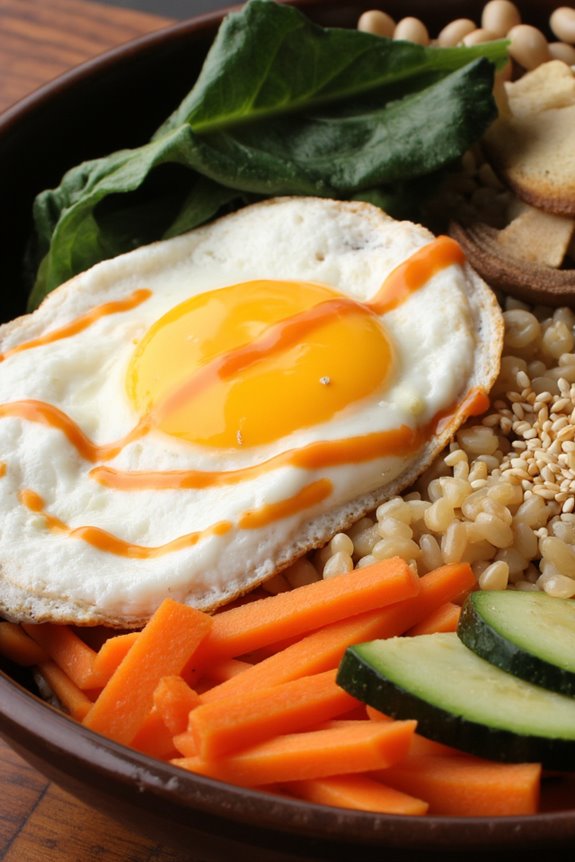
Bibimbap is a traditional Korean dish that translates to “mixed rice.” It’s a vibrant and nutritious meal that showcases a variety of fresh vegetables, proteins, and a flavorful sauce. With its colorful presentation, bibimbap isn’t just visually appealing but also packed with vitamins and minerals, making it a perfect option for a healthy meal.
Each ingredient is prepared separately and then beautifully arranged on top of a bed of rice, allowing for a delightful combination of textures and flavors with every bite.
The beauty of bibimbap lies in its versatility. You can customize it to suit your taste preferences or dietary needs by choosing different vegetables, proteins, or even swapping out the rice for quinoa or brown rice. Traditionally, bibimbap is served with gochujang (Korean chili paste) for a spicy kick, but you can adjust the spice level to your liking.
Whether you’re enjoying it for lunch, dinner, or as a meal prep option, bibimbap is sure to become a favorite in your kitchen.
Ingredients (Serves 4-6)
- 2 cups of cooked white or brown rice
- 2 cups spinach, blanched and squeezed dry
- 1 cup carrots, julienned
- 1 cup zucchini, julienned
- 1 cup bean sprouts, blanched
- 1 cup shiitake mushrooms, sliced
- 4-6 eggs (fried or poached)
- 1 tablespoon sesame oil
- 2 tablespoons soy sauce
- 2 tablespoons gochujang (Korean chili paste)
- 1 tablespoon sesame seeds
- Salt, to taste
- Vegetable oil, for cooking
Cooking Instructions
1. Prepare the Rice: Begin by cooking the rice according to package instructions. For added flavor, you can cook the rice with a dash of salt or a splash of sesame oil. This will serve as the base for your bibimbap.
2. Blanch the Spinach and Bean Sprouts: Bring a pot of water to a boil. Add the spinach and bean sprouts to the boiling water for about 1-2 minutes, just until tender. Drain and rinse with cold water to stop the cooking process. Squeeze out any excess water and set them aside.
3. Cook the Vegetables: In a large skillet, heat a bit of vegetable oil over medium heat. Add the julienned carrots and zucchini, sautéing for about 3-4 minutes until they’re tender but still crisp. Remove them from the skillet and set aside.
In the same skillet, sauté the shiitake mushrooms until they’re soft and slightly browned, about 4-5 minutes. Season with a pinch of salt.
4. Fry the Eggs: In a separate pan, heat a little oil and fry the eggs sunny-side up or to your desired doneness. The runny yolk will add creaminess to the dish when mixed.
5. Assemble the Bibimbap: To assemble, place a serving of rice in the center of each bowl. Arrange the cooked vegetables (spinach, carrots, zucchini, bean sprouts, and shiitake mushrooms) artfully on top of the rice. Finish by placing a fried egg on top of the vegetables.
6. Add the Sauce: In a small bowl, mix the gochujang with sesame oil, soy sauce, and a sprinkle of sesame seeds. Drizzle this sauce over the assembled bibimbap bowls.
7. Serve and Enjoy: Serve the bibimbap immediately while hot. Encourage each person to mix their bowl thoroughly before eating, ensuring that all the flavors meld together.
Extra Tips
When preparing bibimbap, the key is to use fresh and seasonal vegetables to enhance both flavor and nutrition. You can also make it vegetarian by omitting the egg or using tofu as a protein substitute.
If you prefer a crunchy texture, consider adding some sliced radishes or cucumber on top. For an extra layer of flavor, serve the bibimbap with kimchi on the side. Feel free to adjust the amount of gochujang based on your spice preference, and remember that the beauty of bibimbap lies in its colorful presentation, so have fun arranging your ingredients!
Japchae: Sweet Potato Noodle Stir-Fry
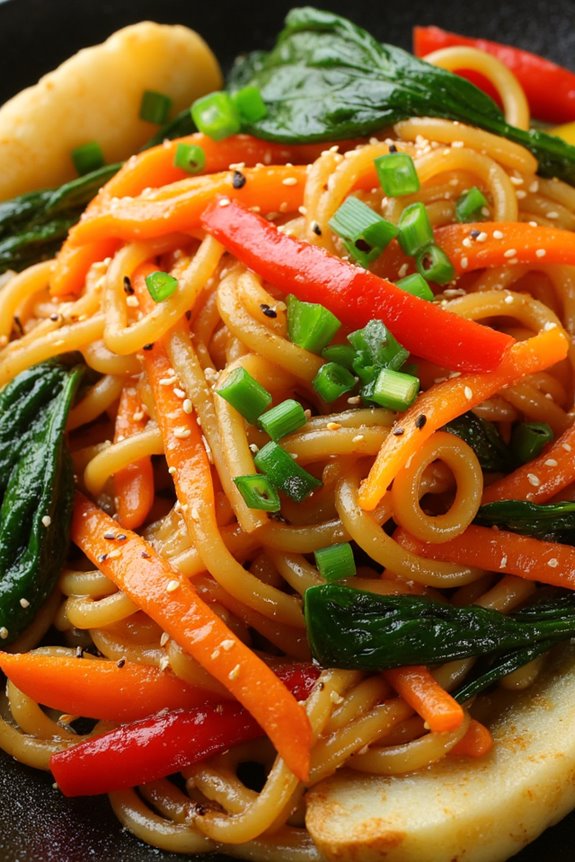
Japchae is a beloved Korean dish known for its delightful combination of chewy sweet potato noodles, colorful vegetables, and a savory-sweet sauce. Originating from the Joseon Dynasty, this stir-fry has evolved over the years and is now enjoyed on special occasions as well as in everyday meals.
The dish isn’t just visually appealing with its vibrant hues but is also packed with flavors and nutrients, making it a perfect choice for a healthy meal that everyone in the family will love.
The star ingredient of japchae is sweet potato starch noodles, also known as glass noodles or dangmyeon, which become wonderfully chewy when cooked. These noodles are paired with a variety of vegetables such as carrots, spinach, and bell peppers, and are often enhanced with protein options like beef, chicken, or tofu.
The dish is seasoned with a mixture of soy sauce, sesame oil, and sugar, creating a delicious balance of savory and sweet that defines this classic Korean recipe.
Ingredients (Serves 4-6):
- 8 oz (225g) sweet potato noodles (dangmyeon)
- 1 tablespoon vegetable oil
- 1 small onion, thinly sliced
- 1 medium carrot, julienned
- 1 bell pepper (red or yellow), thinly sliced
- 2 cups fresh spinach, chopped
- 2-3 green onions, chopped
- 2 cloves garlic, minced
- 1 tablespoon soy sauce
- 1 tablespoon sesame oil
- 1 tablespoon sugar
- Salt and pepper to taste
- Sesame seeds for garnish (optional)
Cooking Instructions:
- Prepare the Sweet Potato Noodles: Start by soaking the sweet potato noodles in hot water for about 30 minutes until they soften. Once tender, drain and cut them into manageable lengths (about 6 inches) using kitchen scissors. This will make it easier to stir-fry them later.
- Sauté the Vegetables: In a large skillet or wok, heat the vegetable oil over medium heat. Add the sliced onion and sauté for about 2-3 minutes until it becomes translucent. Next, add the julienned carrots and bell pepper, cooking for another 3-4 minutes until they soften slightly.
- Add the Garlic and Spinach: Stir in the minced garlic and chopped spinach into the skillet. Cook for an additional 2 minutes, stirring frequently, until the spinach wilts down. This adds a nice flavor base to the dish.
- Combine Noodles and Seasoning: Add the softened sweet potato noodles to the skillet. Drizzle in the soy sauce, sesame oil, and sugar. Toss everything together carefully using tongs or chopsticks to guarantee that the noodles and vegetables are well combined and evenly coated in the sauce.
- Final Touches: Cook the mixture for another 3-5 minutes, stirring continuously. This allows the noodles to absorb the flavors and become slightly caramelized. Season with salt and pepper according to your taste.
- Garnish and Serve: Once everything is well mixed and heated through, remove from heat. Transfer to a serving platter and sprinkle with chopped green onions and sesame seeds for added flavor and garnish.
Extra Tips:
When making japchae, feel free to customize the vegetables based on what you have on hand or prefer. Mushrooms, zucchini, or broccoli can be great additions.
If you’re looking to add protein, try marinating thin slices of beef or chicken in soy sauce and sesame oil before cooking them separately and adding them to the stir-fry. For a vegetarian option, tofu can be used instead.
Japchae can be enjoyed warm or at room temperature, making it a versatile dish perfect for meal prep or gatherings.
Tofu Stew: Soothing Sundubu Jjigae
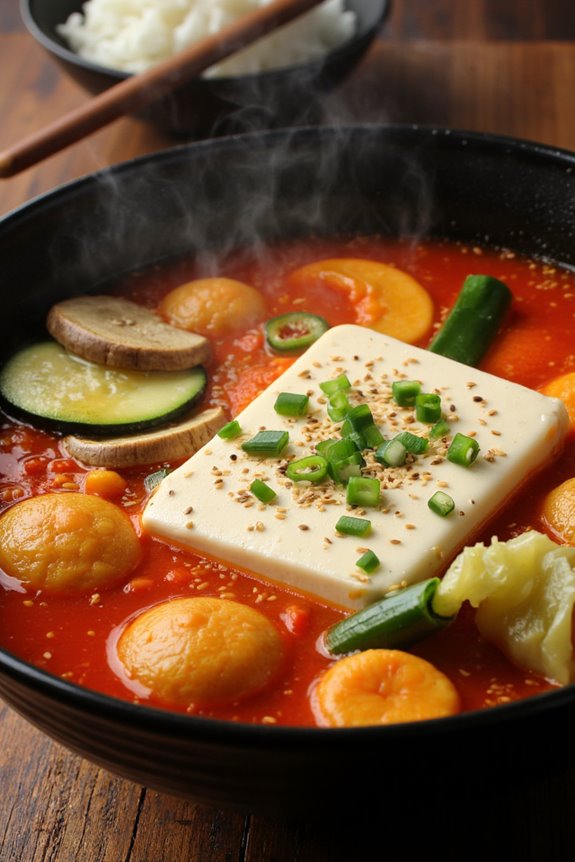
Sundubu Jjigae, also known as soft tofu stew, is a comforting and nourishing dish that warms the soul. This traditional Korean stew features silky soft tofu, vibrant vegetables, and a rich, spicy broth. Perfect for chilly days or when you’re seeking a wholesome meal, it can be tailored to suit your taste preferences, whether you like it fiery hot or mildly seasoned. The combination of flavors and textures makes Sundubu Jjigae not only satisfying but also a delightful culinary experience.
This dish is often served bubbling hot in a stone pot, which enhances the experience as you savor each spoonful. Typically accompanied by a bowl of steamed rice, Sundubu Jjigae can be customized by adding your choice of protein, such as seafood, meat, or mushrooms. The beauty of this recipe lies in its versatility and the ease with which it can be prepared, making it an excellent addition to any healthy Korean meal repertoire.
Ingredients (Serves 4-6):
- 1 tablespoon vegetable oil
- 1 small onion, chopped
- 2 cloves garlic, minced
- 1 medium zucchini, sliced
- 1 cup mushrooms, sliced (shiitake or button)
- 1 green chili, sliced (optional, adjust for spice level)
- 4 cups vegetable or chicken broth
- 1 tablespoon gochugaru (Korean red pepper flakes)
- 1 tablespoon soy sauce
- 1 tablespoon sesame oil
- 1 block (about 14 oz) silken tofu, drained and cut into chunks
- 2 green onions, chopped
- 1 egg (optional)
- Salt and pepper to taste
Cooking Instructions:
- Heat the Oil: In a large pot or a Korean dolsot (stone pot), heat the vegetable oil over medium heat. This will be the base for your stew, allowing the flavors of the ingredients to meld together beautifully.
- Sauté the Vegetables: Add the chopped onion and minced garlic to the pot. Sauté for about 2-3 minutes until they become fragrant and the onion is translucent. This step builds the flavor foundation for the stew.
- Add the Other Vegetables: Stir in the sliced zucchini, mushrooms, and green chili (if using). Cook for an additional 3-4 minutes until the vegetables are slightly tender. This adds texture and enhances the overall taste of the dish.
- Prepare the Broth: Pour in the vegetable or chicken broth, followed by the gochugaru and soy sauce. Bring the mixture to a gentle boil, then reduce the heat to a simmer. Let it cook for about 5-7 minutes to allow the flavors to meld.
- Incorporate the Tofu: Carefully add the silken tofu chunks to the pot. Gently stir to combine, being careful not to break up the tofu too much. Allow the stew to simmer for another 5 minutes, letting the tofu absorb the flavors of the broth.
- Finish with Seasoning: Drizzle sesame oil over the stew and taste for seasoning. Adjust with salt and pepper as needed. If you like, crack an egg into the stew just before serving for extra richness. Let it poach in the hot broth for a minute or two.
- Serve: Once everything is heated through, sprinkle the chopped green onions on top. Serve the Sundubu Jjigae hot in bowls, accompanied by steamed rice.
Extra Tips:
For a heartier version of Sundubu Jjigae, feel free to add proteins like seafood (clams, shrimp) or thinly sliced beef or pork. If you prefer a milder stew, reduce the amount of gochugaru or omit the green chili. Additionally, using a good quality stock will greatly enhance the flavor of your stew.
Remember that Sundubu Jjigae is best enjoyed fresh and hot, so serve it immediately for the best experience!
Korean Grilled Chicken: Gochujang Marinade
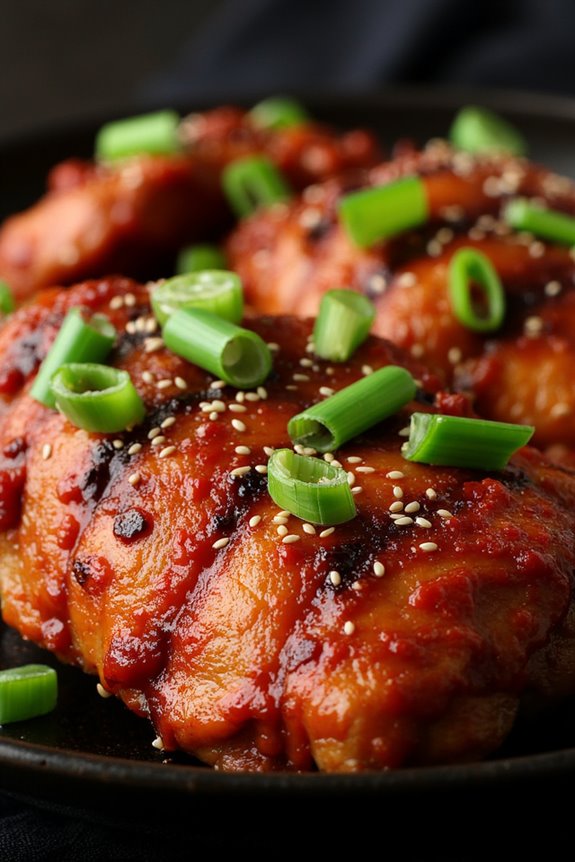
Korean Grilled Chicken marinated in a spicy yet slightly sweet gochujang sauce is a delightful dish that showcases the rich flavors of Korean cuisine. This recipe isn’t only delicious but also a healthier option for those who want to enjoy grilled chicken with a twist.
The unique combination of gochujang (Korean red chili paste), soy sauce, and other ingredients creates a marinade that infuses the chicken with flavor while keeping it tender and juicy. This dish is perfect for gatherings or family dinners, as it serves 4-6 people.
In addition to being flavorful, this recipe is also quite simple to prepare. With just a few ingredients and some marinating time, you’ll be able to whip up a mouthwatering meal that pairs beautifully with rice, vegetables, or even a fresh salad.
Whether you’re grilling outdoors or using a grill pan indoors, this Korean Grilled Chicken is sure to impress your family and friends.
Ingredients (Serves 4-6):
- 4-6 boneless, skinless chicken thighs or breasts
- 3 tablespoons gochujang (Korean red chili paste)
- 2 tablespoons soy sauce
- 2 tablespoons honey or brown sugar
- 2 tablespoons sesame oil
- 1 tablespoon rice vinegar
- 3 cloves garlic, minced
- 1 teaspoon grated ginger
- 2 green onions, chopped (for garnish)
- Sesame seeds (for garnish)
Cooking Instructions:
- Prepare the Marinade: In a medium-sized bowl, combine the gochujang, soy sauce, honey (or brown sugar), sesame oil, rice vinegar, minced garlic, and grated ginger. Whisk all the ingredients together until smooth and well incorporated.
- Marinate the Chicken: Place the chicken thighs or breasts in a large zip-top plastic bag or a shallow dish. Pour the marinade over the chicken, ensuring that each piece is well-coated. Seal the bag or cover the dish with plastic wrap. Refrigerate for at least 1 hour, or ideally, for 4-6 hours to allow the flavors to penetrate the chicken.
- Preheat the Grill: When you’re ready to cook, preheat your grill to medium-high heat. If using a grill pan, heat it over medium-high heat on the stove.
- Grill the Chicken: Remove the chicken from the marinade, allowing any excess marinade to drip off. Place the chicken on the grill or grill pan. Cook for about 5-7 minutes on each side, or until the internal temperature reaches 165°F (75°C) and the chicken is nicely charred.
- Rest and Garnish: Once cooked, transfer the chicken to a plate and let it rest for about 5 minutes. This will help retain the juices. After resting, slice the chicken if desired, and garnish with chopped green onions and sesame seeds before serving.
Extra Tips: To enhance the flavors of your Korean Grilled Chicken, consider marinating it overnight for maximum taste. Also, be mindful of the cooking time; thinner cuts of chicken will cook faster, so adjust accordingly.
You can also add vegetables like bell peppers or zucchini to the grill for a complete meal. Enjoy this dish with a side of steamed rice or a fresh Korean salad for a delightful dining experience!
Spicy Cucumber Salad: Oi Muchim
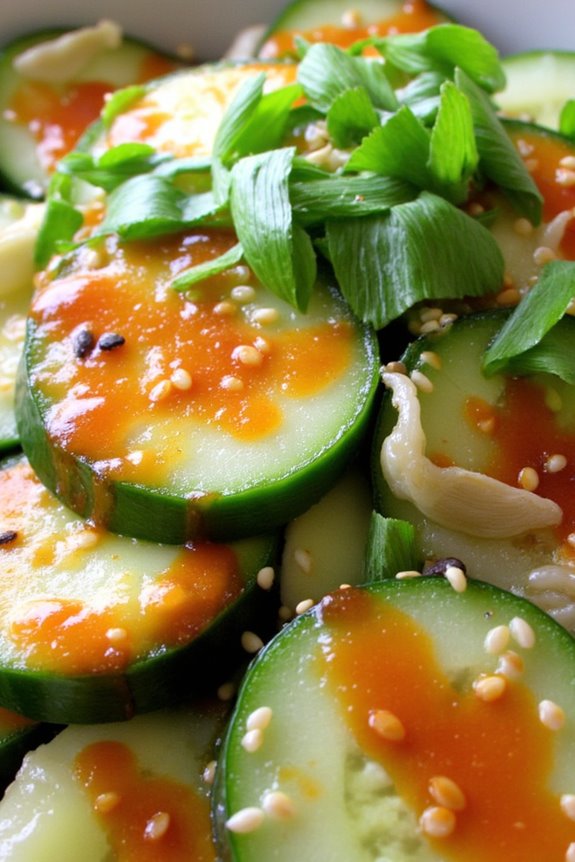
Oi Muchim is a invigorating and vibrant Korean side dish that combines the crispness of cucumbers with a delightful spicy kick. This salad isn’t only simple to prepare but also packs a punch of flavor, making it a perfect accompaniment to a variety of meals. The ingredients come together to create a harmonious balance of sweetness, spice, and tang, making it a favorite at Korean dinner tables.
Traditionally served chilled, this salad is a wonderful way to enjoy the fresh taste of cucumbers while adding a zesty element to your meal. The beauty of Oi Muchim lies in its versatility. You can easily adjust the spiciness to suit your taste, and it pairs exceptionally well with grilled meats, rice dishes, or even as a standalone snack.
The vibrant colors and textures make it appealing to both the eyes and the palate, guaranteeing it will be a hit at any gathering. Let’s plunge into the ingredients and cooking instructions so you can whip up this delightful dish for 4-6 people.
Ingredients:
- 4 medium cucumbers
- 2 tablespoons salt
- 3 tablespoons gochugaru (Korean red pepper flakes)
- 2 tablespoons sugar
- 3 tablespoons rice vinegar
- 1 tablespoon soy sauce
- 2 cloves garlic, minced
- 1 teaspoon sesame oil
- 1 tablespoon sesame seeds
- 2 green onions, finely chopped
Instructions:
- Prepare the Cucumbers: Start by washing the cucumbers thoroughly. Cut off the ends and then slice them in half lengthwise. Use a spoon to scoop out the seeds if they’re large. Next, slice the cucumbers into bite-sized pieces. This will help them absorb the flavors of the dressing better.
- Salt the Cucumbers: Place the cucumber pieces in a large bowl and sprinkle them with salt. Toss the cucumbers gently to make sure they’re evenly coated. Let them sit for about 15-20 minutes. This process will draw out excess moisture and enhance the crunchiness of the cucumbers.
- Make the Dressing: While the cucumbers are resting, combine the gochugaru, sugar, rice vinegar, soy sauce, minced garlic, and sesame oil in a separate bowl. Mix these ingredients well until the sugar is dissolved. This dressing is what gives Oi Muchim its signature spicy and tangy flavor.
- Combine Cucumbers and Dressing: After the cucumbers have released some moisture, drain them and rinse them under cold water to remove excess salt. Pat them dry with a paper towel. Add the cucumbers to the bowl with the dressing and toss everything together until the cucumbers are well coated.
- Garnish and Serve: Finally, sprinkle the chopped green onions and sesame seeds over the cucumber salad. Give it one last gentle toss to combine. You can serve Oi Muchim immediately, but for the best flavor, let it chill in the refrigerator for about 30 minutes before serving.
Extra Tips:
When making Oi Muchim, feel free to adjust the amount of gochugaru depending on your spice tolerance. If you prefer a milder flavor, start with a smaller quantity and gradually add more.
Additionally, for an extra crunch, consider adding julienned carrots or thinly sliced radishes. This salad keeps well in the fridge for a few days, making it a great make-ahead dish for busy weeknights or gatherings. Enjoy your homemade Spicy Cucumber Salad!
Korean Beef Bulgogi: Flavorful and Tender
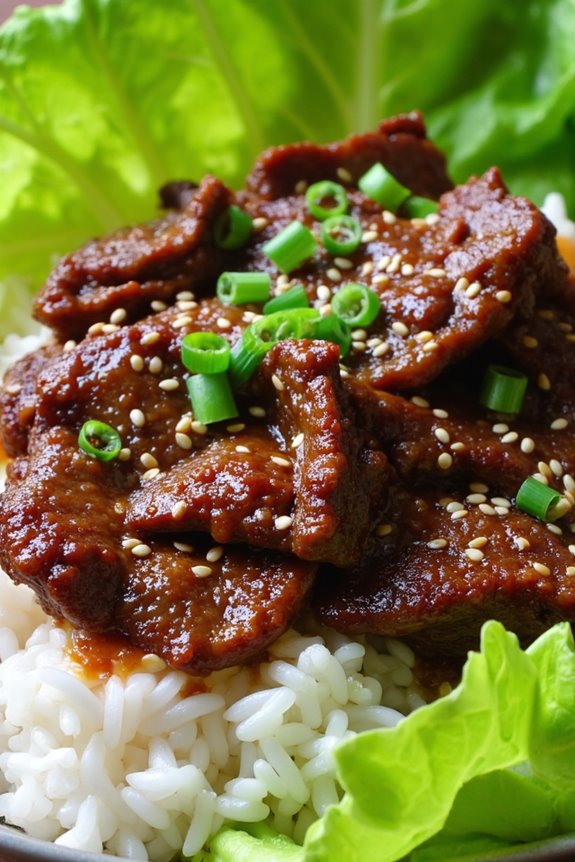
Korean Beef Bulgogi is a beloved dish known for its rich flavors and tender meat, making it a staple in Korean cuisine. This dish features thinly sliced beef marinated in a sweet and savory sauce that’s grilled or stir-fried to perfection. The marinade, which typically includes soy sauce, sugar, sesame oil, garlic, and green onions, not only infuses the meat with flavor but also helps to tenderize it, resulting in a mouthwatering experience.
Bulgogi is often served with rice and an array of banchan (side dishes), making it a delightful meal for family gatherings or special occasions.
This recipe for Korean Beef Bulgogi is designed to serve 4-6 people, making it perfect for a family dinner or a small get-together. The process may seem intricate, but with a little preparation, you can create a restaurant-quality dish at home. The key to achieving the best flavor and tenderness lies in the marinating time, so be sure to allow the beef to soak in the marinade for at least 30 minutes, or ideally, several hours.
Let’s explore the ingredients and cooking instructions to create this delicious dish!
Ingredients (serves 4-6)
- 1 ½ pounds beef sirloin or ribeye, thinly sliced
- ½ cup soy sauce
- ¼ cup brown sugar
- 2 tablespoons sesame oil
- 4 cloves garlic, minced
- 1 tablespoon fresh ginger, grated
- 1 teaspoon black pepper
- 3 green onions, chopped (white and green parts separated)
- 1 tablespoon sesame seeds
- 1 tablespoon vegetable oil (for cooking)
- Cooked rice (for serving)
- Lettuce leaves (for wrapping, optional)
Cooking Instructions
- Prepare the Marinade: In a bowl, combine the soy sauce, brown sugar, sesame oil, minced garlic, grated ginger, black pepper, and the white parts of the chopped green onions. Mix thoroughly until the sugar is dissolved and the ingredients are well incorporated.
- Marinate the Beef: Place the thinly sliced beef in a large resealable plastic bag or a shallow dish. Pour the marinade over the beef, ensuring that all pieces are coated evenly. Seal the bag or cover the dish and refrigerate for at least 30 minutes, or up to 4 hours for enhanced flavor.
- Preheat the Cooking Surface: If using a grill, preheat it to medium-high heat. If using a stovetop, heat a large skillet or wok over medium-high heat and add the vegetable oil. Allow the oil to heat until it shimmers.
- Cook the Beef: Remove the marinated beef from the refrigerator and let excess marinade drip off. Place the beef in the hot skillet or on the grill in a single layer, ensuring not to overcrowd the pan. Cook for about 2-3 minutes on each side, or until the beef is browned and cooked through.
- Add the Green Onions and Sesame Seeds: Once the beef is cooked, add the green parts of the chopped green onions and sesame seeds to the skillet. Toss everything together for another minute to combine the flavors and allow the green onions to soften slightly.
- Serve: Remove the beef from the heat and serve it hot over a bed of rice. Optionally, you can serve it with lettuce leaves for wrapping, along with your favorite banchan.
Extra Tips
For the best results, choose well-marbled cuts of beef, such as ribeye or sirloin, as they’ll yield a more tender and flavorful bulgogi. If you’re short on time, marinating the beef for just 30 minutes will still deliver great flavor, but allowing it to marinate longer will enhance the taste.
Additionally, consider adding vegetables like bell peppers or mushrooms to the skillet while cooking for an extra boost of nutrition and flavor. Enjoy your homemade Korean Beef Bulgogi with family and friends!
Seaweed Salad: Healthy and Refreshing
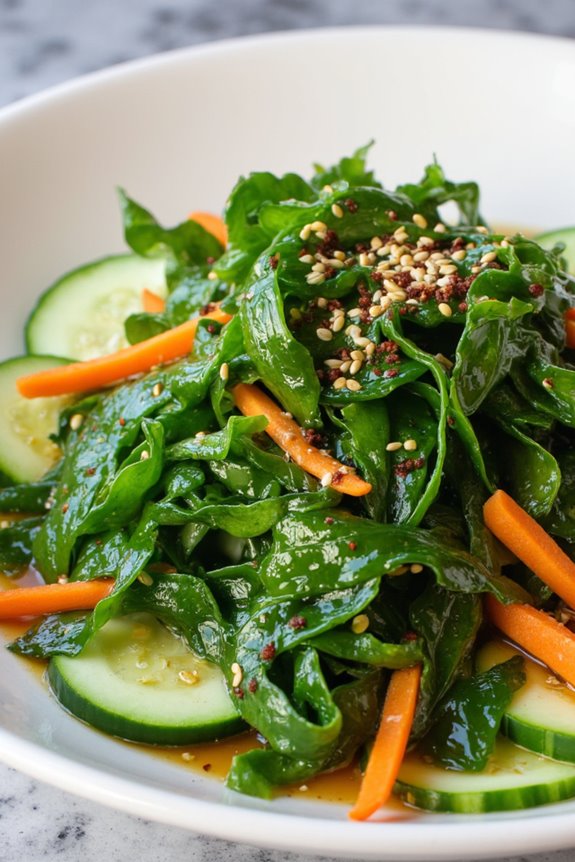
Seaweed salad, known as “miyeok salad” in Korean, is a popular dish that showcases the unique flavors and health benefits of seaweed. Rich in vitamins and minerals, this salad isn’t only nutritious but also incredibly invigorating. The combination of tender seaweed, crisp vegetables, and a tangy dressing creates a delightful balance of flavors that can be enjoyed as a side dish or a light meal on its own.
With its vibrant colors and unique textures, seaweed salad is a fantastic addition to any table, perfect for those looking to incorporate more healthy options into their diet.
Making seaweed salad at home is surprisingly easy and requires just a few simple ingredients. The key is to use high-quality dried seaweed, which can be found in most Asian grocery stores or health food stores. Once you have your seaweed, the rest of the ingredients come together quickly, making this a convenient dish for busy weeknights or gatherings.
Whether you’re a fan of Korean cuisine or just looking to try something new, this healthy seaweed salad is sure to impress.
Ingredients (Serves 4-6):
- 1 cup dried seaweed (wakame or kelp)
- 1 medium cucumber, thinly sliced
- 1 medium carrot, julienned
- 2 green onions, thinly sliced
- 1 tablespoon sesame oil
- 2 tablespoons soy sauce
- 1 tablespoon rice vinegar
- 1 teaspoon sugar
- 1 tablespoon sesame seeds (toasted)
- Optional: 1 teaspoon chili flakes for a spicy kick
Cooking Instructions:
1. Soak the Seaweed: Start by placing the dried seaweed in a large bowl and cover it with warm water. Allow the seaweed to soak for about 10-15 minutes, or until it has expanded and softened.
Once ready, drain the seaweed and gently squeeze out any excess water. This step is essential as it rehydrates the seaweed, making it tender and ready to be mixed into the salad.
2. Prepare the Vegetables: While the seaweed is soaking, prepare your vegetables. Thinly slice the cucumber and julienne the carrot. Additionally, chop the green onions.
This helps to add crunch and freshness to the salad. Make sure to cut the vegetables into uniform sizes for an attractive presentation and even distribution of flavors.
3. Make the Dressing: In a small bowl, whisk together the sesame oil, soy sauce, rice vinegar, and sugar until the sugar is dissolved.
This dressing will bring a savory and slightly sweet flavor to the salad, enhancing the natural taste of the seaweed and vegetables.
4. Combine Ingredients: In a large mixing bowl, combine the soaked seaweed, sliced cucumber, julienned carrot, and chopped green onions.
Pour the dressing over the mixture and toss gently to guarantee everything is evenly coated. Be careful not to over-mix as you want to maintain the delicate texture of the seaweed.
5. Garnish and Serve: Finally, sprinkle the toasted sesame seeds over the top of the salad and add chili flakes if desired for some heat.
Serve immediately or refrigerate for about 30 minutes to let the flavors meld. This salad can be served chilled or at room temperature, making it versatile for any occasion.
Extra Tips:
When preparing seaweed salad, feel free to customize it according to your taste preferences. You can add ingredients such as sliced radishes, bell peppers, or even a sprinkle of crushed garlic for an extra kick.
If you prefer a lighter option, reduce the amount of sesame oil and soy sauce in the dressing. Additionally, make sure to rinse the seaweed thoroughly after soaking to remove any excess salt.
This will enhance the freshness of the salad and balance out the flavors beautifully. Enjoy your healthy and invigorating seaweed salad!
Korean Vegetable Pancakes: Jeon

Korean vegetable pancakes, or Jeon, are a delightful and savory dish that showcases the vibrant flavors of fresh vegetables. These pancakes are perfect for a snack, appetizer, or even a light meal. They’re versatile and can be made with a variety of vegetables such as zucchini, carrots, scallions, and even kimchi for an extra kick. The batter is quite simple, combining flour and water with the vegetables, resulting in a crispy exterior and soft interior that’s certain to please anyone at the table.
Making Jeon isn’t only easy but also a fun way to get creative in the kitchen. You can customize the ingredients based on what you have on hand or your personal preferences. The pancakes can be served with a simple dipping sauce made from soy sauce, vinegar, and sesame oil, enhancing their flavor. Whether you’re introducing Korean cuisine to your family or simply craving a delicious homemade dish, these vegetable pancakes are a fantastic choice.
Ingredients (serves 4-6 people):
- 1 cup all-purpose flour
- 1 cup water
- 1 medium zucchini, grated
- 1 medium carrot, grated
- 4-5 scallions, finely chopped
- 1/2 cup kimchi, chopped (optional)
- Salt and pepper to taste
- Vegetable oil (for frying)
- Soy sauce (for dipping)
Cooking Instructions:
- Prepare the Vegetables: Start by washing and grating the zucchini and carrot. Make certain to squeeze out any excess moisture from the zucchini to prevent the batter from becoming too watery. Finely chop the scallions and, if using, chop the kimchi into small pieces. Combine all the prepared vegetables in a large mixing bowl.
- Make the Batter: In a separate bowl, mix together the all-purpose flour and water until smooth. You want the batter to be thick enough to coat the vegetables but still pourable. Add a pinch of salt and pepper to taste. If you’re using kimchi, fold it into the batter now.
- Combine Ingredients: Pour the batter over the prepared vegetables in the large bowl. Gently mix until the vegetables are well coated with the batter. Be careful not to overmix; you want to maintain some texture from the vegetables.
- Heat the Oil: In a large non-stick skillet, heat about 2-3 tablespoons of vegetable oil over medium heat. You want enough oil to cover the bottom of the pan to achieve a crispy texture.
- Cook the Pancakes: Once the oil is hot, scoop about 1/4 cup of the batter mixture into the skillet for each pancake. Flatten it slightly with a spatula to form a round pancake. Cook for about 3-4 minutes on one side or until golden brown, then carefully flip it over and cook for another 3-4 minutes on the other side.
- Drain and Serve: Once the pancakes are cooked and crispy, transfer them to a plate lined with paper towels to drain any excess oil. Repeat the process with the remaining batter. Serve the Jeon warm with a side of soy sauce for dipping.
Extra Tips:
For an added twist, consider incorporating other vegetables like bell peppers or mushrooms into your Jeon mixture. You can also experiment with different dipping sauces, such as a spicy gochujang sauce for a kick. Confirm your oil is hot enough before adding the batter to achieve the best crispy results, and remember that the pancakes can be kept warm in a low oven if you’re cooking in batches. Enjoy your Korean vegetable pancakes fresh for the best flavor and texture!
Jjigae: Hearty Korean Stews
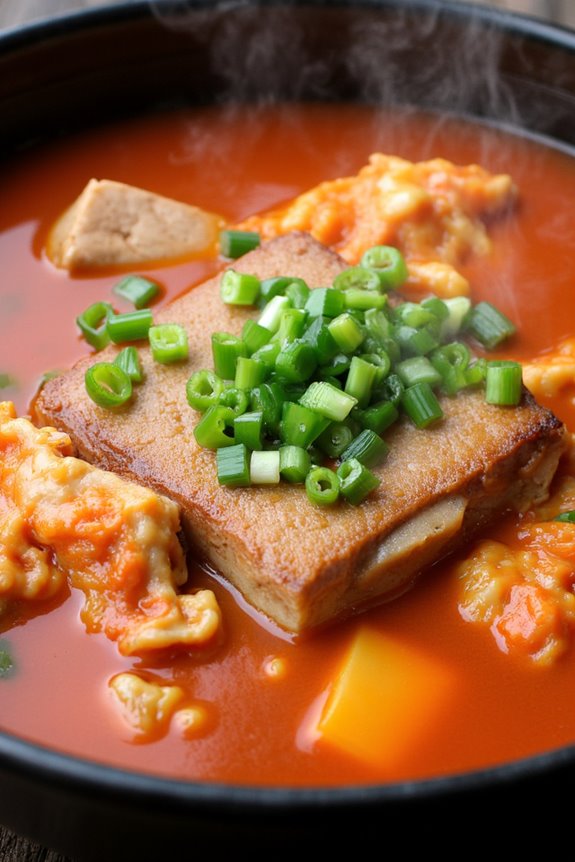
Jjigae is a beloved Korean dish that embodies warmth and comfort, perfect for sharing with family and friends. These stews can vary widely, typically featuring a combination of vegetables, protein, and a flavorful broth. Common types of jjigae include kimchi jjigae, sundubu jjigae, and doenjang jjigae, each with unique ingredients and tastes. This recipe will guide you through making a traditional Kimchi Jjigae, which is packed with the tangy flavor of fermented kimchi and complements the rich taste of tofu and pork, making it a hearty meal.
Cooking jjigae isn’t only simple but also allows for creativity. You can adjust the ingredients based on your preferences or what you have on hand. The beauty of this dish lies in its versatility; it can be made spicy or mild, and you can add various ingredients such as mushrooms or different types of meat.
Whether served with a bowl of rice or enjoyed on its own, jjigae is sure to satisfy your hunger and warm your soul.
Ingredients (Serves 4-6):
- 2 cups of well-fermented kimchi, chopped
- 1 cup of pork belly or pork shoulder, sliced thinly
- 1 block of firm tofu, cubed
- 1 medium onion, sliced
- 2 green onions, chopped
- 2-3 cloves of garlic, minced
- 1 tablespoon of gochugaru (Korean red chili flakes)
- 1 tablespoon of sesame oil
- 4 cups of water or broth (chicken or vegetable)
- 1 tablespoon of soy sauce
- Salt and pepper to taste
Cooking Instructions:
- Prepare the Ingredients: Start by gathering all your ingredients. Make sure your kimchi is well-fermented for the best flavor. Slice the pork belly or shoulder into thin strips, and cube the tofu. Chop the green onions and slice the onion to make certain everything is ready for quick cooking.
- Sauté the Pork: In a large pot, heat the sesame oil over medium heat. Add the sliced pork and sauté until it begins to brown, about 5-7 minutes. This step is essential as it adds a depth of flavor to the stew.
- Add Aromatics: Once the pork is browned, add the minced garlic and sliced onion to the pot. Sauté for an additional 2-3 minutes until the onion becomes translucent and fragrant.
- Incorporate Kimchi and Seasoning: Add the chopped kimchi to the pot, along with the gochugaru (Korean red chili flakes) and soy sauce. Stir everything together and cook for another 5 minutes to allow the flavors to meld.
- Pour in the Liquid: Add the water or broth to the pot, making sure all ingredients are submerged. Bring the stew to a boil, then reduce the heat to a simmer. Allow it to cook for 15-20 minutes, which helps the ingredients to soften and flavors to develop.
- Add Tofu and Finish Cooking: Gently add the cubed tofu to the pot and simmer for another 5-10 minutes. Be careful not to break the tofu as you stir. Taste and adjust seasoning with salt and pepper as necessary.
- Garnish and Serve: Once everything is well combined and heated through, remove the pot from the heat. Sprinkle the chopped green onions on top for added freshness. Serve hot, ideally with a side of steamed rice.
Extra Tips:
When making jjigae, remember that the longer you let it simmer, the more pronounced the flavors will become.
Feel free to customize the spice level to suit your taste by adjusting the amount of gochugaru or adding some fresh chili peppers. If you have leftover jjigae, it can be stored in the refrigerator and often tastes even better the next day, as the flavors continue to develop.
Enjoy experimenting with different ingredients and make it your own!
Fruit Banchan: Refreshing Side Dishes

Fruit Banchan is a delightful and invigorating side dish commonly served in Korean cuisine. This colorful assortment of fruits not only adds a vibrant touch to your meal but also a healthy balance of nutrients. Traditionally, Banchan refers to small side dishes served along with rice and the main course, and fruit Banchan is no exception. It offers a sweet and tangy contrast that complements salty or savory dishes, making it a perfect accompaniment to any Korean meal.
Making Fruit Banchan is a simple and enjoyable process that allows you to experiment with various fruits based on the seasons and your preferences. This recipe uses a combination of seasonal fruits, making it a revitalizing addition to your dining table. Each bite bursts with flavor and can be enhanced with a touch of honey or lime juice for an extra zing. It’s a perfect way to incorporate healthy fruits into your diet while enjoying the traditional Korean dining experience.
Ingredients (serving size: 4-6 people)
- 1 cup diced ripe watermelon
- 1 cup diced pineapple
- 1 cup diced strawberries
- 1 cup diced kiwi
- 1 cup diced mango
- 2 tablespoons honey (optional)
- 1 tablespoon fresh lime juice
- Fresh mint leaves for garnish (optional)
Cooking Instructions
- Prepare the Fruits: Begin by selecting ripe and fresh fruits. Wash them thoroughly under running water. Peel the kiwi and mango, then cut all fruits into bite-sized pieces. It’s important to have uniform sizes for even distribution and easier eating.
- Mix the Ingredients: In a large mixing bowl, gently combine the diced watermelon, pineapple, strawberries, kiwi, and mango. Be careful not to mash the fruits; the goal is to maintain their shape and texture.
- Add Sweetness: If you prefer a sweeter flavor, drizzle the honey over the mixed fruits. Add the fresh lime juice to enhance the flavors. The lime juice will also help to prevent the fruits from browning and keep them fresh.
- Toss Gently: Using a spatula or large spoon, gently toss the fruits with the honey and lime juice until everything is evenly coated. Take your time with this step to ensure that the fruits remain intact and don’t get crushed.
- Chill and Serve: Cover the bowl with plastic wrap and place it in the refrigerator for at least 30 minutes. This chilling time allows the flavors to meld together and the fruit to be served cool, which is invigorating. Once chilled, give it a gentle toss again before serving.
- Garnish and Present: Transfer the fruit mix to a serving dish. Optionally, garnish with fresh mint leaves for a pop of color and an additional layer of flavor.
Extra Tips
When preparing Fruit Banchan, feel free to adjust the fruit selection based on what’s available or in season. You can also experiment with different dressings, such as a sprinkle of cinnamon or a dash of coconut flakes, to add unique flavors.
For a more tropical twist, consider adding passion fruit or dragon fruit. Always serve the dish chilled, as this enhances the freshness and flavor of the fruits. Enjoy your healthy and colorful Fruit Banchan!
