

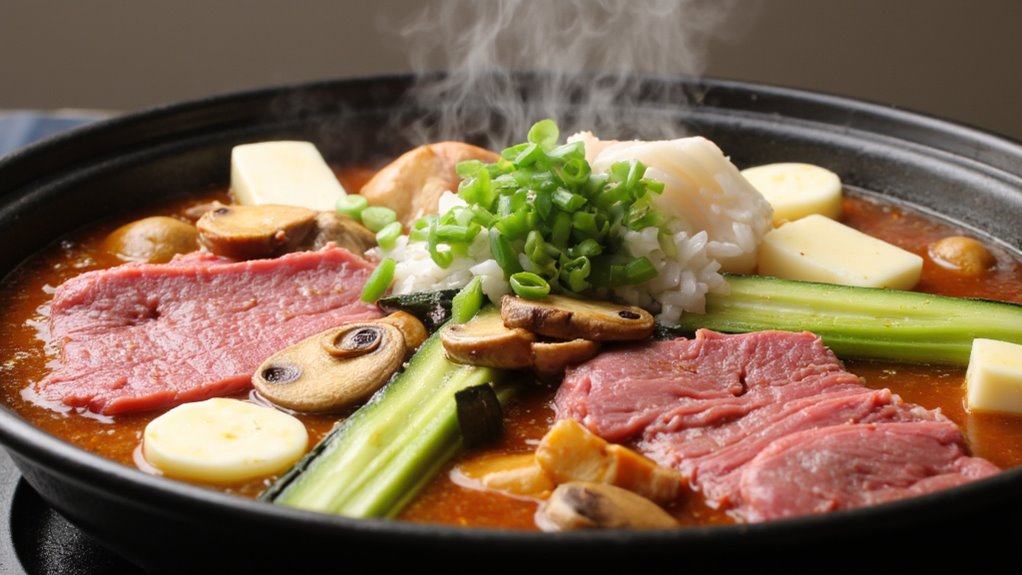
When I think of comfort food, Korean jjigae always comes to mind. There’s something incredibly soothing about a steaming bowl of these hearty stews, whether it’s the tangy warmth of kimchi jjigae or the gentle embrace of sundubu jjigae. Each recipe offers a delightful twist on flavors and ingredients, making them perfect for any occasion. If you’re curious about how to bring these comforting dishes to your own table, let’s explore what each jjigae has to offer.
Classic Kimchi Jjigae
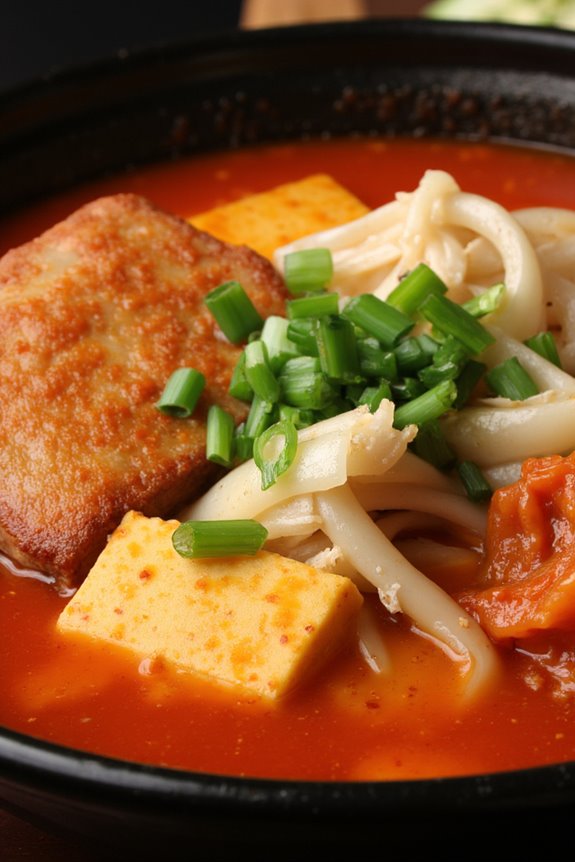
Kimchi Jjigae, a beloved Korean stew, is a staple in Korean households and is cherished for its robust flavors and comforting nature. This hearty dish primarily features kimchi, the traditional fermented vegetable dish, which adds a tangy kick to the stew. The combination of ingredients creates a harmonious balance of spicy, savory, and slightly sour flavors that will tantalize your taste buds and warm your soul.
Typically enjoyed with a bowl of steamed rice, Kimchi Jjigae is perfect for cold days or whenever you need a satisfying meal. Making Classic Kimchi Jjigae isn’t only simple but also allows for flexibility regarding ingredients. While the star of the dish is certainly kimchi, you can personalize it by adding various proteins like tofu, pork, or seafood.
This richly flavored stew can be prepared in under an hour, making it an ideal choice for busy weeknight dinners or a cozy gathering with friends and family. Let’s explore the recipe to create this iconic Korean dish that will surely become a favorite in your kitchen.
Ingredients (Serves 4-6):
- 2 cups of well-fermented kimchi
- 1 tablespoon of vegetable oil
- 1 medium onion, sliced
- 3 cloves of garlic, minced
- 1 tablespoon of gochugaru (Korean red chili flakes)
- 1 tablespoon of soy sauce
- 4 cups of water or broth (chicken or vegetable)
- 200g of pork belly, sliced (or tofu for a vegetarian option)
- 1 block of firm tofu, cubed
- 1 green onion, chopped
- 1 teaspoon of sesame oil
- Salt and pepper to taste
Cooking Instructions:
- Prepare the Ingredients: Start by gathering all your ingredients. Make sure the kimchi is well-fermented for the best flavor. Slice the onion and pork belly, mince the garlic, and cube the tofu. Having everything ready will streamline the cooking process.
- Sauté the Aromatics: In a large pot, heat the vegetable oil over medium heat. Add the sliced onion and minced garlic, and sauté for about 3-4 minutes until the onions become translucent and fragrant. This step builds the base flavor of the stew.
- Add Kimchi and Seasoning: Once the onions are ready, add the kimchi to the pot, followed by the gochugaru and soy sauce. Stir everything together and cook for another 3-5 minutes, allowing the kimchi to caramelize slightly and release its juices.
- Incorporate the Broth: Pour in the water or broth, and bring the mixture to a boil. Once boiling, reduce the heat to a simmer. This is when the flavors meld together, and you should let it simmer for about 10-15 minutes.
- Add the Pork and Tofu: After the broth has simmered, add the sliced pork belly (or tofu) and cubed tofu into the pot. Allow it to cook for an additional 10-15 minutes until the pork is cooked through and tender. If using tofu, confirm it’s warmed through.
- Finish the Dish: Once everything is cooked, add the chopped green onion and drizzle the sesame oil on top. Taste the stew and season with salt and pepper as needed. Stir gently to combine all flavors.
- Serve: Ladle the Kimchi Jjigae into bowls and serve hot with steamed rice on the side. Enjoy the stew while it’s warm for the best experience.
Extra Tips: When making Kimchi Jjigae, feel free to adjust the spice level by adding more or less gochugaru according to your taste preference. If your kimchi is particularly salty, you may want to reduce the amount of soy sauce.
Additionally, using older, well-fermented kimchi enhances the depth of flavor in the stew, making it even more delicious. Enjoy experimenting with different proteins and vegetables to make this recipe your own!
Spicy Tofu Jjigae
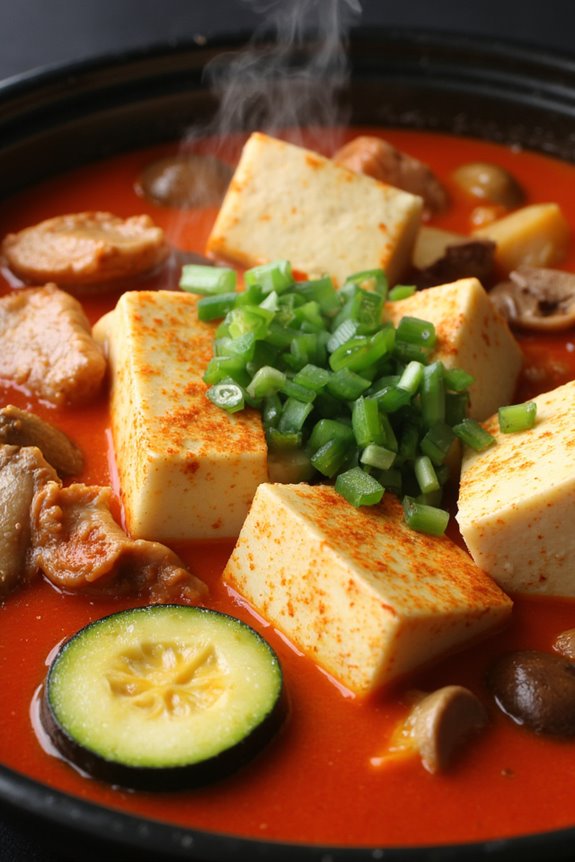
Spicy Tofu Jjigae, or Dubu Jjigae, is a hearty and flavorful Korean stew that brings together a variety of ingredients, making it a beloved comfort food. This dish primarily features soft tofu, vegetables, and a spicy seasoning base that gives it a fiery kick. Jjigae is often enjoyed with a bowl of steamed rice, and its rich flavor profile is sure to warm you up on a chilly day.
The beauty of this recipe lies in its simplicity, as it’s packed with nutritious ingredients and can be prepared in under 30 minutes. Tofu, a great source of protein, serves as the main ingredient in this dish, absorbing the robust flavors of the broth. The spiciness can be adjusted according to your taste, making it as mild or fiery as you prefer.
This particular recipe serves 4-6 people, making it perfect for family gatherings or a cozy dinner with friends. Let’s explore the ingredients and cooking instructions to whip up this delicious Spicy Tofu Jjigae.
Ingredients (Serves 4-6):
- 1 block of soft tofu (about 400g)
- 200g of pork belly or beef (thinly sliced, optional)
- 1 medium onion (sliced)
- 1 medium zucchini (sliced)
- 1 cup of mushrooms (shiitake or button, sliced)
- 2-3 green onions (chopped)
- 2 tablespoons of gochugaru (Korean red pepper flakes)
- 1 tablespoon of gochujang (Korean red pepper paste)
- 2 tablespoons of soy sauce
- 4 cups of water or vegetable broth
- 2 teaspoons of sesame oil
- Salt and pepper to taste
- Optional: 1 teaspoon of minced garlic
Cooking Instructions:
- Prepare the Ingredients: Start by slicing the pork belly (or beef) into thin strips. Cut the onion, zucchini, and mushrooms. Chop the green onions and set aside a few for garnish. Finally, cut the block of soft tofu into bite-sized cubes.
- Sauté the Pork (if using): In a large pot, heat the sesame oil over medium heat. Add the sliced pork belly and sauté until it begins to brown, which should take about 3-4 minutes. If you prefer a vegetarian version, you can skip this step.
- Add Aromatics: Next, add the sliced onion and minced garlic (if using) to the pot. Sauté for an additional 2-3 minutes, allowing the onions to become translucent and fragrant.
- Incorporate the Vegetables: Add the sliced zucchini and mushrooms to the pot. Stir everything together and cook for another 3 minutes to allow the vegetables to soften slightly.
- Mix in the Spices: Sprinkle the gochugaru and add the gochujang and soy sauce to the pot. Stir well to combine, ensuring the vegetables are coated in the spices.
- Add Broth: Pour in the water or vegetable broth, bringing the mixture to a gentle boil. Once boiling, reduce the heat to a simmer.
- Add Tofu: Carefully add the cubed tofu to the pot, being gentle to avoid breaking it. Allow the stew to simmer for 10-15 minutes, letting the flavors meld together. Taste and season with salt and pepper as needed.
- Finish and Serve: Just before serving, stir in the chopped green onions. Ladle the Spicy Tofu Jjigae into bowls and serve hot, ideally with a side of steamed rice.
Extra Tips:
When making Spicy Tofu Jjigae, feel free to customize the vegetables based on what you have on hand or your personal preferences. Common additions include carrots, spinach, or bok choy.
Additionally, if you want a richer flavor, consider adding a small piece of kelp or dried anchovies during the broth-making process, then remove them before adding the tofu. Enjoy your cooking experience, and don’t hesitate to adjust the spiciness to suit your taste!
Beef and Radish Jjigae
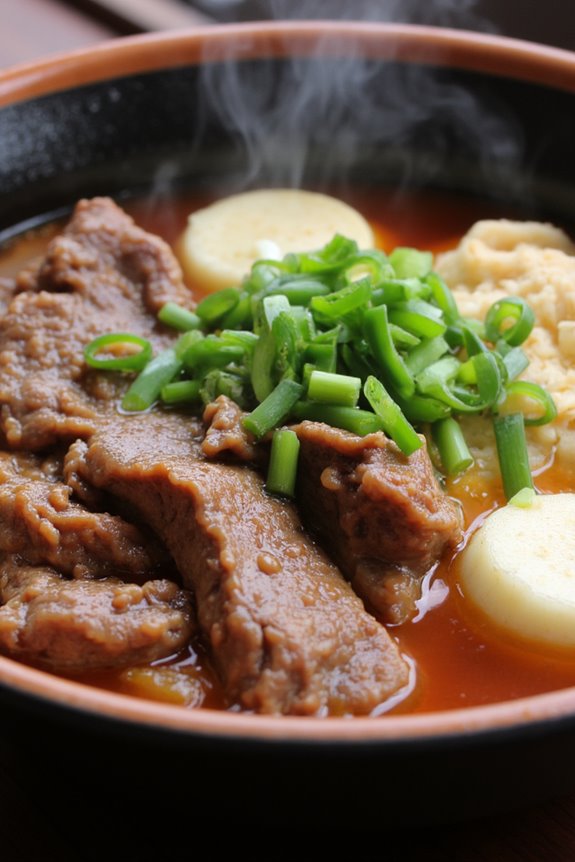
Beef and Radish Jjigae is a hearty and comforting Korean stew that showcases the delicious combination of tender beef, radish, and a flavorful broth. This dish isn’t only rich in flavor but also packed with nutrients, making it a perfect option for a family meal. Typically served with a side of rice, this jjigae warms you up and leaves you feeling full and satisfied.
The key to a great Beef and Radish Jjigae lies in the quality of the ingredients, especially the beef and the radish, which should be fresh and tender.
To prepare this dish, you’ll need to simmer the beef and radish together with a mix of seasonings and broth. The natural sweetness of the radish complements the savory beef, and the addition of spices enhances the overall taste. As the jjigae cooks, the flavors meld beautifully, resulting in a delicious stew that’s sure to become a favorite in your household.
Ingredients (serves 4-6):
- 1 lb (450g) beef brisket or chuck, thinly sliced
- 1 medium Korean radish (mu), peeled and sliced into thin strips
- 1 medium onion, sliced
- 2 green onions, chopped
- 3 cloves garlic, minced
- 1 tablespoon ginger, minced
- 1 tablespoon gochugaru (Korean red pepper flakes)
- 2 tablespoons soy sauce
- 1 tablespoon sesame oil
- 6 cups water or beef broth
- Salt and pepper to taste
- Optional: 1 tablespoon doenjang (Korean fermented soybean paste)
Cooking Instructions:
- Prepare the Ingredients: Start by slicing the beef into thin pieces. Peel the radish and cut it into thin strips or cubes. Slice the onion, chop the green onions, and mince the garlic and ginger. Having all your ingredients prepped will make the cooking process smoother.
- Sauté the Beef: In a large pot, heat the sesame oil over medium heat. Add the sliced beef and sauté for about 5-7 minutes, or until the beef is browned. This step helps develop the flavors of the beef which will enrich the jjigae.
- Add Aromatics: Once the beef is browned, add the minced garlic, minced ginger, and sliced onions to the pot. Sauté for an additional 2-3 minutes until the onions become translucent and fragrant.
- Incorporate Radish: Add the sliced radish to the pot and stir well. Cook for another 2-3 minutes, allowing the radish to soak up some of the flavors from the beef and aromatics.
- Add Seasonings: Sprinkle the gochugaru over the mixture and stir to combine. Then pour in the soy sauce, and if desired, the doenjang. This will add depth and umami to your stew.
- Add Liquid and Simmer: Pour in the water or beef broth and bring the mixture to a boil. Once boiling, reduce the heat to low and let it simmer for about 30-40 minutes. This slow cooking process allows the flavors to meld and the beef to become tender.
- Final Touches: After simmering, taste the jjigae and adjust the seasoning with salt and pepper as needed. Stir in the chopped green onions just before serving for a fresh touch.
- Serve: Ladle the jjigae into bowls and serve hot with a side of steamed rice and additional banchan (side dishes).
Extra Tips:
For an even richer flavor, consider adding a dash of fish sauce or a few slices of chili pepper during cooking. If you prefer a thicker broth, you can add a little more doenjang. Remember that the radish will absorb some of the liquid as it cooks, so adjust the water or broth according to your desired consistency.
Enjoy your Beef and Radish Jjigae with family and friends!
Seafood Jjigae
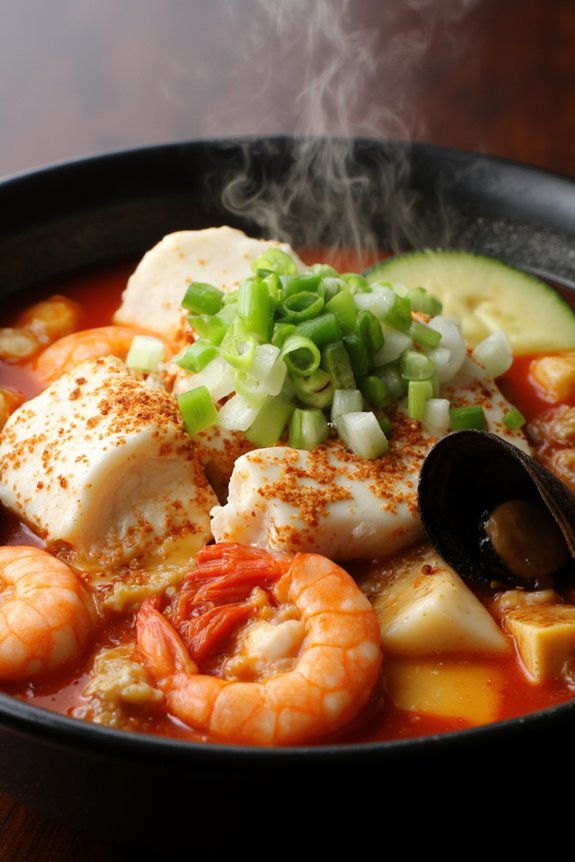
Seafood Jjigae, a beloved Korean stew, is a perfect embodiment of the country’s rich culinary traditions. This hearty dish is brimming with a medley of fresh seafood, vibrant vegetables, and a flavorful broth, making it a comforting meal that’s both satisfying and nutritious. Traditionally served bubbling hot, Seafood Jjigae can be enjoyed on its own or paired with a bowl of steamed rice, elevating your dining experience with its unique combination of flavors and textures.
The beauty of Seafood Jjigae lies in its versatility; it can be adapted to include your favorite seafood, whether it’s shrimp, mussels, or fish. The base of the stew typically features a spicy gochugaru (Korean red pepper flakes) and a savory broth, which complements the freshness of the seafood beautifully. This dish isn’t only a staple in Korean households but also a popular choice in restaurants, where patrons can savor the vibrant flavors that are characteristic of Korean cuisine.
Ingredients (serves 4-6):
- 1 lb (450g) mixed seafood (shrimp, squid, mussels, and white fish)
- 1 medium onion, sliced
- 2 green onions, chopped
- 1 zucchini, sliced
- 1 cup mushrooms (shiitake or enoki), sliced
- 1 block (14 oz) tofu, cubed
- 4 cups water or seafood stock
- 3 tablespoons gochugaru (Korean red pepper flakes)
- 2 tablespoons soy sauce
- 1 tablespoon sesame oil
- 1 tablespoon minced garlic
- Salt and pepper to taste
- Optional: 1 tablespoon gochujang (Korean red pepper paste) for extra heat
Cooking Instructions:
- Prepare the Seafood: Start by rinsing the mixed seafood under cold water to remove any impurities. If using shrimp, peel and devein them. Cut any larger pieces of fish or squid into bite-sized chunks for even cooking.
- Sauté the Aromatics: In a large pot, heat the sesame oil over medium heat. Add the sliced onion and minced garlic, sautéing for about 2-3 minutes until the onions are translucent and aromatic.
- Add Vegetables: Toss in the chopped green onions, zucchini, and mushrooms. Continue to sauté for another 3-4 minutes, allowing the vegetables to soften slightly and absorb the flavors from the aromatics.
- Combine the Liquids: Pour in the water or seafood stock, followed by the soy sauce and gochugaru. Stir well to combine, adjusting the spice level according to your preference. If you like it spicier, add the gochujang at this stage.
- Bring to a Boil: Increase the heat to high and bring the mixture to a gentle boil. Once boiling, reduce the heat to medium-low to let it simmer for about 10 minutes, allowing the flavors to meld.
- Add the Seafood and Tofu: Gently add the mixed seafood and cubed tofu to the pot. Stir carefully to avoid breaking the tofu and let it cook for another 5-7 minutes, or until the seafood is cooked through and tender.
- Season and Serve: Taste the jjigae and season with salt and pepper to your liking. Once satisfied with the flavor, remove from heat and serve hot in individual bowls, garnished with additional chopped green onions if desired.
Extra Tips: When preparing Seafood Jjigae, feel free to customize the dish by adding other vegetables like radish or bell peppers according to your taste. Additionally, using a good quality seafood stock can greatly enhance the flavor of the stew. For a more substantial meal, serve it alongside a bowl of steamed rice, and consider offering some banchan (Korean side dishes) for a complete dining experience.
Sundubu Jjigae (Soft Tofu Stew)

Sundubu Jjigae, a beloved Korean dish, is a comforting and hearty stew featuring soft tofu as the star ingredient. This dish is known for its rich, spicy flavor and is often served bubbling hot in a stone pot. The combination of silky tofu, savory broth, and a variety of vegetables makes it a perfect meal for any occasion.
Traditionally, it may include seafood, meat, or various vegetables, but the base of the dish remains the same: a flavorful gochujang (Korean chili paste) and gochugaru (Korean chili flakes) mix that infuses the stew with a delightful kick.
Making Sundubu Jjigae at home is relatively easy and can be tailored to suit your taste preferences. The key to a great Sundubu Jjigae is the balance of flavors, including the umami of the broth and the creaminess of the tofu. Serve it with a side of steamed rice and some banchan (Korean side dishes) for a complete meal.
Here’s a simple recipe to get you started on this delicious Korean classic.
Ingredients (Servings: 4-6)
- 300g soft tofu (sundubu)
- 100g pork belly or ground beef
- 1 small onion, diced
- 2 green onions, sliced
- 1 medium zucchini, diced
- 1 cup mushrooms (shiitake or oyster), sliced
- 2 cloves garlic, minced
- 2 tablespoons gochujang (Korean chili paste)
- 1 tablespoon gochugaru (Korean chili flakes)
- 4 cups vegetable or beef broth
- 1 tablespoon sesame oil
- 1 teaspoon soy sauce
- 1 egg (optional)
- Salt, to taste
Cooking Instructions
- Prepare the Ingredients: Start by gathering and preparing all your ingredients. Dice the onion, zucchini, and green onions, and slice the mushrooms. If you’re using pork belly or ground beef, cut it into bite-sized pieces. This preparation will guarantee a smooth cooking process.
- Cook the Meat: In a large pot over medium heat, add the sesame oil. Once hot, add the pork belly or ground beef. Cook until the meat is browned, about 4-5 minutes. This step builds the base flavor for your stew.
- Add Aromatics and Vegetables: Add the diced onion and minced garlic to the pot. Sauté for 2-3 minutes until the onion becomes translucent. Then, add the zucchini and mushrooms, cooking them for an additional 3-4 minutes until they begin to soften.
- Incorporate Spices: Stir in the gochujang and gochugaru, mixing well to combine with the meat and vegetables. This step is essential for building the stew’s spicy and savory flavor profile.
- Pour in the Broth: Add the vegetable or beef broth to the pot and bring it to a gentle boil. Once boiling, reduce the heat and let it simmer for about 10 minutes. This allows the flavors to meld beautifully.
- Add Tofu: Carefully add the soft tofu to the simmering stew. Use a spoon to break it into large chunks, allowing it to warm through without completely dissolving. Let it simmer for another 5 minutes.
- Finish with Green Onions and Egg: Just before serving, stir in the sliced green onions and soy sauce. If desired, crack an egg into the stew and gently stir to create ribbons of cooked egg. This adds richness and a nice texture to the dish.
- Serve Hot: Ladle the Sundubu Jjigae into individual bowls or serve directly from the pot. It’s best enjoyed hot with a side of steamed rice.
Extra Tips
When making Sundubu Jjigae, feel free to customize it by adding your favorite proteins such as clams, shrimp, or even additional vegetables like spinach or bok choy.
Adjust the spice level according to your preference; if you like it spicier, add more gochugaru or a splash of hot pepper oil. For a more authentic experience, use a stone pot (ttukbaegi) to serve the stew, as it retains heat well and creates a delightful bubbling effect.
Enjoy your cooking adventure!
Pork and Kimchi Jjigae
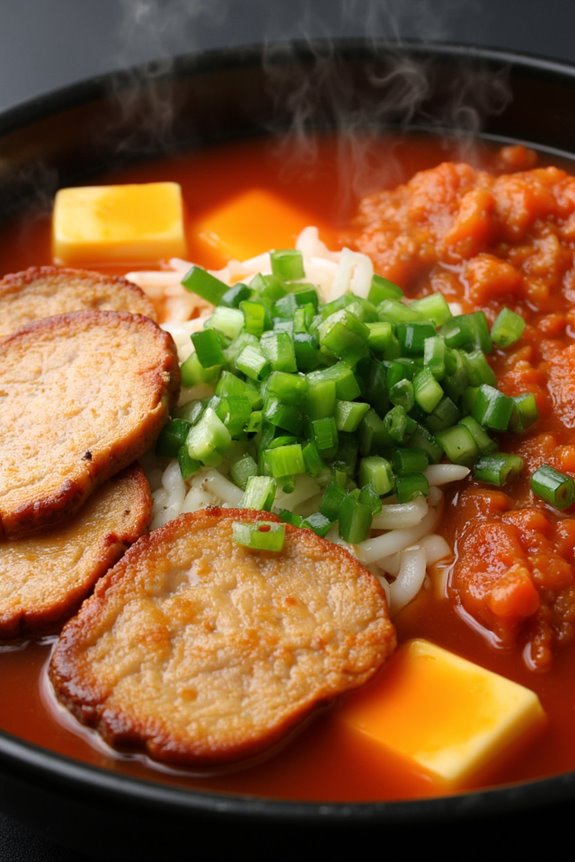
Pork and Kimchi Jjigae is a hearty and comforting Korean stew that beautifully combines the tangy flavor of aged kimchi with tender pork. This dish isn’t only a staple in Korean households but also a beloved comfort food that warms the soul, especially during colder months.
The marriage of flavors from the spicy kimchi, savory pork, and fresh vegetables creates a deliciously rich broth that can be enjoyed on its own or served with a bowl of steaming rice.
To prepare Pork and Kimchi Jjigae, you’ll need a few essential ingredients that contribute to its unique taste. The star of the dish is, of course, the kimchi, preferably well-fermented for a deeper flavor. The pork belly or shoulder adds richness, while tofu provides a silky texture.
This dish is incredibly customizable; you can adjust the spice level to your liking and add extra vegetables if desired. Whether you’re a seasoned cook or trying your hand at Korean cuisine for the first time, this recipe will guide you through making a delicious Pork and Kimchi Jjigae that’s sure to impress.
Ingredients (Serves 4-6)
- 300g (about 10 oz) pork belly or shoulder, sliced into bite-sized pieces
- 2 cups ripe kimchi, chopped
- 1 onion, sliced
- 2 green onions, chopped
- 1 block (about 300g) firm tofu, cut into cubes
- 1-2 tablespoons gochugaru (Korean red pepper flakes)
- 1 tablespoon gochujang (Korean red pepper paste)
- 4 cups water or low-sodium chicken stock
- 2 tablespoons soy sauce
- 1 tablespoon sesame oil
- Salt and pepper to taste
Cooking Instructions
- Prepare the Ingredients: Start by slicing the pork belly or shoulder into bite-sized pieces. Chop the kimchi, slice the onion, and cube the tofu. This preparation will make the cooking process smoother and quicker.
- Sauté the Pork: In a large pot or Korean stone pot (ttukbaegi), heat the sesame oil over medium heat. Add the sliced pork and sauté until it’s browned and cooked through, about 5-7 minutes. This step helps to render the fat from the pork, enhancing the flavor of the stew.
- Add Kimchi and Onion: Once the pork is browned, add the chopped kimchi and sliced onion to the pot. Stir well and cook for an additional 5 minutes. This allows the kimchi to soften and release its flavors, infusing the dish with its characteristic tanginess.
- Incorporate Broth and Seasonings: Pour in the water or chicken stock, and add gochugaru, gochujang, and soy sauce. Stir to combine all the ingredients. Bring the mixture to a gentle boil, then reduce the heat to a simmer.
- Simmer the Jjigae: Let the stew simmer for about 15-20 minutes. This allows the flavors to meld together and the pork to become tender. If you prefer a thicker broth, you can simmer it for a longer time.
- Add Tofu and Green Onions: Gently add the cubed tofu and chopped green onions to the pot. Cook for another 5 minutes to heat the tofu through. Be careful not to stir too vigorously to prevent breaking the tofu.
- Final Seasoning: Taste the jjigae and adjust with salt and pepper as needed. If you like it spicier, feel free to add more gochugaru at this stage.
- Serve: Ladle the Pork and Kimchi Jjigae into bowls and serve hot, accompanied by a side of steamed rice and other banchan (Korean side dishes) if desired.
Extra Tips
For a richer flavor, consider adding a few slices of daikon radish or mushrooms to the stew. Using well-fermented kimchi is key to achieving the best taste, so if you have homemade kimchi, now is the perfect time to use it.
For those who prefer a vegetarian version, you can substitute the pork with mushrooms or a meat alternative, and use vegetable stock instead of chicken stock. Finally, don’t forget to enjoy your jjigae with a bowl of rice, as it beautifully complements the bold flavors of the stew!
Mushroom Jjigae
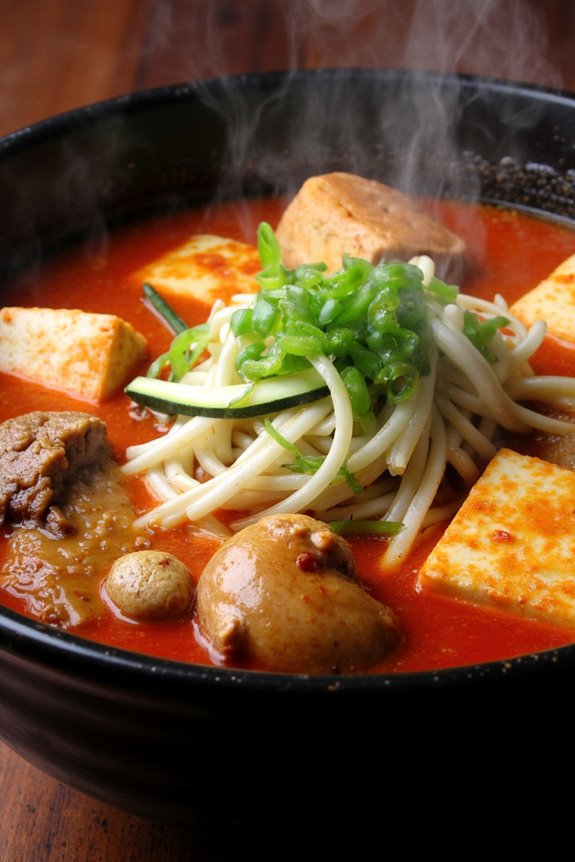
Mushroom Jjigae is a hearty and comforting Korean stew that showcases the umami-rich flavors of mushrooms, combined with a savory broth. The dish isn’t only delicious but also packed with nutritional benefits, making it a perfect choice for a family meal or a cozy dinner on a chilly night.
This vegetarian-friendly jjigae can easily be customized by incorporating various types of mushrooms and vegetables, allowing you to experiment with different flavors and textures.
In this recipe, we’ll use a combination of shiitake and enoki mushrooms, along with tofu and a flavorful broth made from gochujang (Korean red pepper paste) and doenjang (fermented soybean paste). The result is a rich and satisfying stew that’s both simple to prepare and utterly delicious.
Serve it hot with a side of steamed rice and some banchan (Korean side dishes) for a complete meal experience.
Ingredients (for 4-6 servings)
- 200g shiitake mushrooms, sliced
- 100g enoki mushrooms, trimmed
- 200g firm tofu, cubed
- 1 medium onion, sliced
- 2 cloves garlic, minced
- 1 medium zucchini, sliced
- 1 tablespoon gochujang (Korean red pepper paste)
- 1 tablespoon doenjang (fermented soybean paste)
- 4 cups vegetable broth
- 2 green onions, chopped
- 1 tablespoon sesame oil
- Salt and pepper to taste
- Optional: chili flakes for extra heat
Cooking Instructions
- Prepare the Ingredients: Begin by washing and slicing all the vegetables. This includes the shiitake and enoki mushrooms, zucchini, and onion. Also, cube the tofu and chop the green onions. Having everything ready will make the cooking process smoother.
- Sauté the Aromatics: In a large pot, heat the sesame oil over medium heat. Add the sliced onion and minced garlic, sautéing them until the onion becomes translucent and fragrant, which should take about 3-4 minutes. This step builds a flavorful base for the jjigae.
- Add the Mushrooms: Once the onions are ready, add the shiitake and enoki mushrooms to the pot. Stir them in and cook for an additional 3-4 minutes until they begin to soften and release their juices. The mushrooms will enhance the broth’s flavor as they cook down.
- Incorporate the Broth and Seasonings: Pour in the vegetable broth, and then add the gochujang and doenjang. Stir well to dissolve the pastes into the broth, ensuring an even distribution of flavor. Bring the mixture to a gentle boil.
- Add the Remaining Vegetables: After the broth reaches a boil, add the sliced zucchini and cubed tofu. Reduce the heat to a simmer and let everything cook together for about 10-15 minutes, allowing the flavors to meld and the vegetables to become tender.
- Season and Finish: Taste the jjigae and adjust the seasoning with salt, pepper, and optional chili flakes according to your preference. Finally, stir in the chopped green onions just before serving to add a fresh touch.
- Serve: Ladle the Mushroom Jjigae into bowls and serve hot, accompanied by steamed rice and your choice of banchan for a complete Korean meal experience.
Extra Tips
When preparing Mushroom Jjigae, feel free to use any mushrooms you have on hand, such as button or oyster mushrooms, for varied flavors.
Additionally, if you prefer a spicier kick, you can adjust the amount of gochujang or add fresh red chili peppers. This dish is also perfect for meal prep; the flavors deepen and improve when reheated, making it a great option for leftovers.
Enjoy your culinary adventure into Korean cuisine!
Vegetable Jjigae
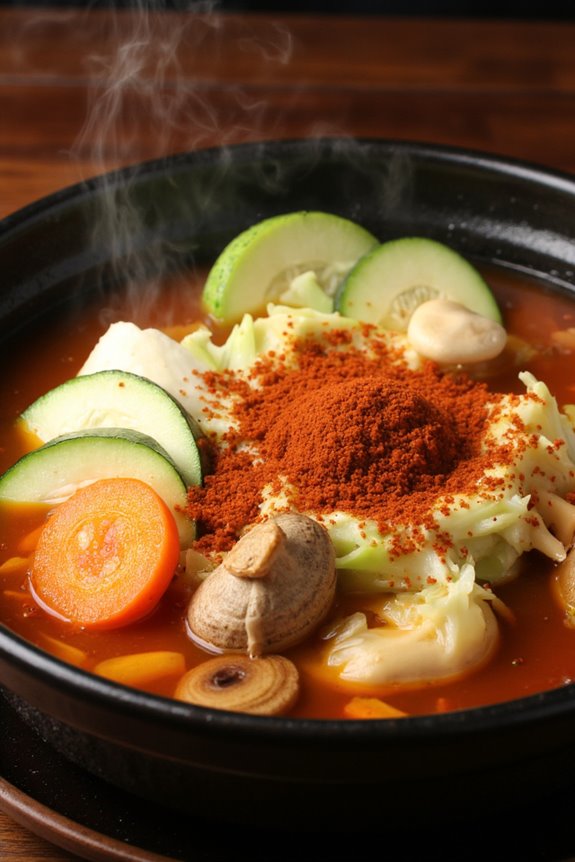
Vegetable Jjigae is a comforting and nourishing Korean stew that highlights the natural flavors of fresh vegetables. This dish is perfect for those who want to enjoy a hearty meal without the use of meat, and it can be easily customized based on the vegetables you have on hand. Traditionally, it’s made with a rich broth flavored with gochugaru (Korean red pepper flakes), garlic, and various seasonings, creating a warm and satisfying meal that pairs wonderfully with steamed rice.
In addition to being delicious, Vegetable Jjigae is a versatile dish that can be adjusted to suit different dietary preferences. Whether you’re a vegetarian, vegan, or just looking to incorporate more plant-based meals into your diet, this stew can be a great option. With vibrant vegetables like zucchini, mushrooms, and radishes, each ingredient adds its unique flavor and texture to the stew, making it a wholesome choice for any occasion.
Ingredients (Serves 4-6):
- 1 medium zucchini, sliced
- 1 cup shiitake mushrooms, sliced
- 1 cup napa cabbage, chopped
- 1 medium carrot, sliced
- 1 medium onion, sliced
- 2 green onions, chopped
- 4 cups vegetable broth
- 2 tablespoons gochugaru (Korean red pepper flakes)
- 2 tablespoons soy sauce
- 1 tablespoon sesame oil
- 4 cloves garlic, minced
- Salt and pepper to taste
- Optional: tofu, cubed (for added protein)
Cooking Instructions:
- Prepare the Vegetables: Start by washing and slicing all the vegetables as per the ingredient list. Make sure to chop them into bite-sized pieces to guarantee they cook evenly in the stew.
- Heat the Oil: In a large pot or Dutch oven, heat the sesame oil over medium heat. This oil will add a nutty flavor to the jjigae and help sauté the aromatics.
- Sauté Aromatics: Add the minced garlic and sliced onions to the pot. Sauté for about 2-3 minutes or until the onions become translucent and fragrant. This step builds a flavor foundation for the stew.
- Add Vegetables: Add the chopped napa cabbage, sliced carrots, and zucchini to the pot. Sauté the vegetables for another 5-7 minutes, stirring occasionally until they start to soften.
- Incorporate Broth and Seasonings: Pour in the vegetable broth, then add the gochugaru and soy sauce. Stir well to combine all the ingredients and bring the mixture to a boil.
- Simmer the Stew: Reduce the heat to low and let the stew simmer uncovered for about 15-20 minutes. This allows the flavors to meld and the vegetables to become tender.
- Add Mushrooms and Green Onions: After simmering, add the sliced shiitake mushrooms and chopped green onions to the pot. Cook for an additional 5 minutes, allowing the mushrooms to soften.
- Season to Taste: Taste the jjigae and adjust the seasoning with salt and pepper as needed. If you’re adding tofu, gently stir it in at this point and let it heat through.
- Serve: Ladle the Vegetable Jjigae into bowls and serve hot, ideally with a side of steamed rice and kimchi for a complete Korean dining experience.
Extra Tips:
For a more robust flavor, consider adding a piece of kombu (dried kelp) to the broth while it simmers, then remove it before serving.
You can also experiment with different vegetables based on the season, such as bell peppers, spinach, or eggplant. Additionally, if you prefer a spicier stew, feel free to increase the amount of gochugaru or add fresh chili peppers to the mix.
Enjoy your homemade Vegetable Jjigae!
Chicken Jjigae
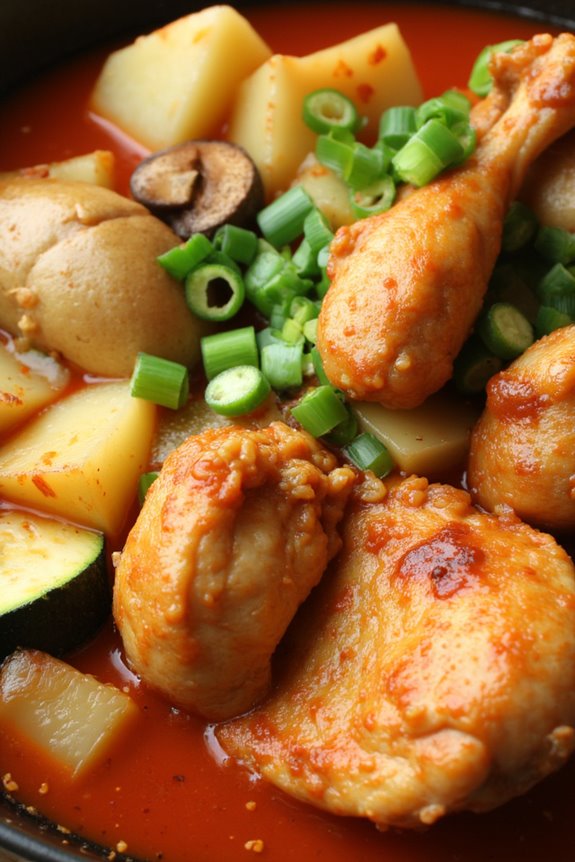
Chicken Jjigae, a comforting Korean stew, is a delightful dish that brings warmth and flavor to your dining table. It’s rich in savory notes and often includes a variety of vegetables, making it a well-rounded meal. The dish is typically prepared with tender pieces of chicken simmered in a spicy broth, enriched with ingredients like gochujang (Korean chili paste) and garlic, which infuse the stew with a robust flavor profile.
Perfect for a family dinner, this dish not only satisfies hunger but also warms the spirit. The beauty of Chicken Jjigae lies in its versatility; you can customize it with your choice of vegetables or spice levels according to your preference. Whether you enjoy it mild or with a spicy kick, this stew can easily be adjusted to suit your taste. Serve it with a bowl of steamed rice and enjoy the harmonious blend of flavors in every spoonful.
Ingredients (Serves 4-6)
- 1.5 lbs (680g) chicken thighs, boneless and skinless, cut into bite-sized pieces
- 1 medium onion, sliced
- 2 green onions, chopped
- 2 medium potatoes, diced
- 1 medium zucchini, sliced
- 1 cup mushrooms, sliced (shiitake or button)
- 3 cloves garlic, minced
- 2-3 tablespoons gochujang (Korean chili paste)
- 1 tablespoon gochugaru (Korean chili flakes)
- 4 cups chicken broth
- 1 tablespoon soy sauce
- Salt and pepper to taste
- 1 tablespoon sesame oil
- Optional: tofu, cut into cubes
Cooking Instructions
- Prepare the Chicken: Begin by cutting the chicken thighs into bite-sized pieces. This allows the meat to cook evenly and absorb the flavors of the broth. Season the chicken lightly with salt and pepper and set it aside.
- Sauté the Aromatics: In a large pot or Dutch oven, heat the sesame oil over medium heat. Add the sliced onions and minced garlic. Sauté for about 2-3 minutes, or until the onions become translucent and fragrant. This step builds a flavorful base for the stew.
- Brown the Chicken: Increase the heat to medium-high and add the seasoned chicken pieces to the pot. Cook for about 5-7 minutes, stirring occasionally until the chicken is lightly browned on all sides. This adds depth to the flavor of the stew.
- Add Vegetables and Broth: Once the chicken is browned, add the diced potatoes, sliced zucchini, and mushrooms to the pot. Pour in the chicken broth and add the gochujang and gochugaru. Stir well to combine all the ingredients, ensuring the gochujang dissolves fully into the broth.
- Simmer the Stew: Bring the mixture to a boil, then reduce the heat to low. Cover the pot and let the stew simmer for about 20-25 minutes, or until the vegetables are tender and the chicken is cooked through. Stir occasionally to prevent sticking.
- Finish with Seasoning: After simmering, taste the stew and adjust the seasoning with soy sauce, salt, and pepper as desired. You can also add the chopped green onions at this stage for added freshness.
- Serve: Ladle the Chicken Jjigae into bowls and serve hot, ideally with a side of steamed rice and additional green onions as a garnish. Enjoy the comforting flavors of this Korean classic!
Extra Tips
When cooking Chicken Jjigae, feel free to experiment with different vegetables such as carrots, bell peppers, or even leafy greens like spinach for added nutrition.
For a richer texture, consider adding cubes of tofu in the last few minutes of cooking. Adjust the level of spiciness by modifying the amount of gochujang and gochugaru according to your preference.
Finally, allowing the stew to sit for a few minutes after cooking can enhance the flavors even further, so don’t rush to serve!
Bibim Jjigae (Mixed Stew)
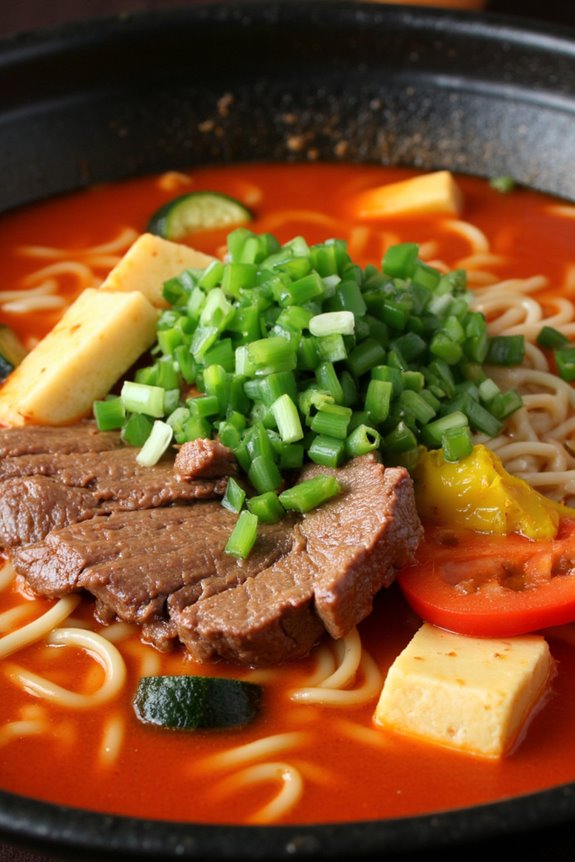
Bibim Jjigae is a delightful Korean mixed stew that tantalizes the taste buds with its vibrant flavors and colorful ingredients. This dish typically combines a variety of vegetables, meats, and noodles, all simmered together in a rich and spicy gochujang-based sauce. It’s a perfect one-pot meal that isn’t only hearty but also allows for creativity in using different ingredients based on personal preferences or what’s available in your pantry.
What sets Bibim Jjigae apart is its balance of flavors – the heat from the gochujang, the sweetness from the vegetables, and the umami from the protein all come together to create a satisfying experience. This stew isn’t only a comforting meal but also a fantastic way to share a vibrant dish with family and friends. Serve it hot, and watch as everyone enjoys this Korean classic together!
Ingredients (Serves 4-6):
- 200g of beef or pork, thinly sliced
- 1 cup of tofu, cubed
- 2 cups of assorted vegetables (such as zucchini, carrots, and bell peppers), sliced
- 1 cup of mushrooms (shiitake or button), sliced
- 1 onion, sliced
- 2 green onions, chopped
- 2 cups of Korean noodles (like Japchae noodles or Udon)
- 3 tablespoons of gochujang (Korean red chili paste)
- 1 tablespoon of gochugaru (Korean red chili flakes)
- 2 tablespoons of soy sauce
- 1 tablespoon of sesame oil
- 4 cups of vegetable or beef broth
- Salt and pepper to taste
Cooking Instructions:
- Prepare the Ingredients: Start by slicing the beef or pork into thin strips and cubing the tofu. Slice the assorted vegetables and mushrooms into bite-sized pieces. Chop the green onions and set all ingredients aside for easy access during cooking.
- Cook the Meat: In a large pot or deep skillet, heat a tablespoon of oil over medium-high heat. Add the sliced beef or pork and cook until browned, about 3-5 minutes. Confirm the meat is fully cooked through, then remove it from the pot and set it aside.
- Sauté Vegetables: In the same pot, add the sliced onion and cook until translucent. Then, add the remaining vegetables and mushrooms. Stir-fry for about 5-7 minutes until they begin to soften. This step enhances their flavors and adds depth to the stew.
- Add the Broth and Tofu: Pour in the broth and bring it to a gentle boil. Add the cubed tofu and let it simmer for about 5 minutes. This allows the tofu to absorb the flavors from the broth and other ingredients.
- Incorporate the Noodles: Add the Korean noodles to the pot and cook according to package instructions, usually around 5-7 minutes. Stir occasionally to prevent sticking and confirm they cook evenly.
- Season the Stew: Once the noodles are cooked, reduce the heat and stir in the gochujang, gochugaru, soy sauce, and sesame oil. Mix well until everything is fully combined and heated through. Adjust seasoning with salt and pepper to taste.
- Garnish and Serve: Finally, sprinkle the chopped green onions on top of the stew before serving. Ladle the Bibim Jjigae into bowls and enjoy it hot, alongside steamed rice if desired.
Extra Tips:
When making Bibim Jjigae, feel free to customize the ingredients based on your personal tastes or what you have on hand. You can add other proteins like chicken or seafood, or even incorporate more vegetables like spinach or bean sprouts.
For a milder version, reduce the amount of gochujang and gochugaru. Leftovers can be stored in the refrigerator and reheated the next day, making it a fantastic dish for meal prep. Enjoy your cooking adventure!
Jeongol Jjigae (Korean Hot Pot)
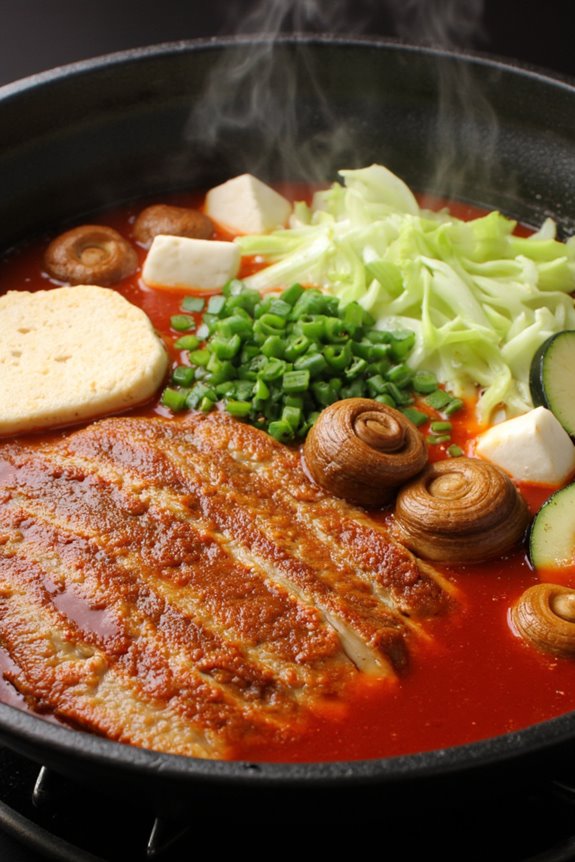
Jeongol Jjigae is a cherished Korean hot pot dish that brings together a medley of ingredients in a flavorful broth, creating a warm and comforting meal perfect for family gatherings or cozy dinners. Known for its vibrant presentation, Jeongol Jjigae allows for creativity regarding ingredients, making it a versatile dish that can accommodate seasonal vegetables, various proteins, and even different spice levels according to personal preference.
It’s often enjoyed communally, with diners sharing from a central pot, making it an interactive and enjoyable dining experience.
The preparation of Jeongol Jjigae starts with a rich broth, typically made from anchovy or beef stock, and is layered with an array of ingredients such as mushrooms, tofu, vegetables, and your choice of meat or seafood. The beauty of Jeongol lies in its simmering process, where the ingredients cook together, allowing the flavors to meld and intensify.
This recipe serves 4-6 people, making it an ideal dish for gatherings or family dinners.
Ingredients
- 1 lb beef brisket (thinly sliced)
- 1 block of firm tofu (cut into cubes)
- 1 cup shiitake mushrooms (sliced)
- 1 cup enoki mushrooms
- 1 cup napa cabbage (cut into bite-sized pieces)
- 1 cup zucchini (sliced)
- 1 large onion (sliced)
- 2-3 green onions (chopped)
- 4 cups anchovy or beef broth
- 2 tablespoons gochugaru (Korean red pepper flakes)
- 2 tablespoons soy sauce
- 1 tablespoon sesame oil
- 1 tablespoon minced garlic
- Salt and pepper to taste
- Optional: 1 cup of seafood (shrimp or clams)
Cooking Instructions
- Prepare the Broth: In a large pot, bring the anchovy or beef broth to a simmer. Add the minced garlic, soy sauce, and gochugaru to the broth, stirring well to combine. Allow it to simmer gently for about 10 minutes to develop the flavors.
- Layer the Ingredients: Once the broth is ready, reduce the heat to medium. Begin layering the ingredients starting with the beef brisket. Arrange the slices in a circular manner at the bottom of the pot, followed by the tofu cubes, mushrooms, napa cabbage, zucchini, onion, and green onions. If you’re using seafood, place it on top of the vegetables.
- Simmer Together: Carefully pour the simmering broth over the layered ingredients until they’re just covered. Increase the heat to medium-high to bring it to a boil, then reduce to low and cover the pot with a lid. Let it simmer for about 20-30 minutes, allowing the flavors to meld and the ingredients to cook thoroughly.
- Adjust Seasoning: After simmering, taste the broth and adjust seasoning with salt, pepper, or additional soy sauce if needed. If you prefer a spicier kick, you can add more gochugaru at this stage.
- Serve and Enjoy: Once everything is cooked and flavors have melded, remove from heat and serve hot directly from the pot. Encourage guests to help themselves and enjoy the communal aspect of dining with Jeongol Jjigae.
Extra Tips
When preparing Jeongol Jjigae, feel free to customize the ingredients based on what you have available or your personal taste preferences. The dish is highly adaptable; you can substitute the beef with chicken or pork, or use a variety of seasonal vegetables to keep it fresh.
Additionally, for a heartier meal, consider adding noodles or dumplings towards the end of the cooking process. Just remember to adjust the broth quantity accordingly to guarantee everything cooks evenly and absorbs the delicious flavors. Enjoy your cooking adventure!
